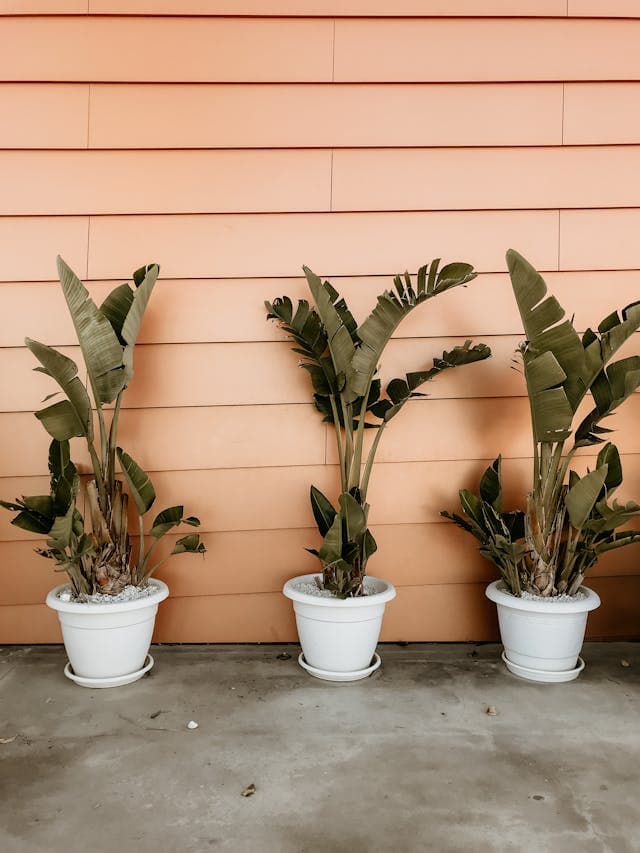
Potted plants have a quiet way of transforming ordinary spaces into something alive and comforting. A plain balcony suddenly feels like a personal retreat, a terrace turns into a green escape, and even a small corner inside the home begins to breathe with freshness. For many gardeners—especially those living in cities—containers become the simplest and most practical way to grow flowers, herbs, and even vegetables without needing a piece of land.
But as beautiful and convenient as this method feels, there is a truth that every plant lover learns with time and experience.
Plants growing in pots are naturally more delicate and sensitive compared to those planted directly in the ground.
It’s not because they are weaker by nature, but because their entire world is limited. A pot restricts everything a plant depends on. The roots cannot travel outward in search of water or nutrients, the soil dries faster because of its small quantity, and temperature changes affect the roots much more quickly than they would in open ground. Even a slight imbalance—too much sun, a missed watering, or heavy rain—can impact a potted plant far more rapidly.
In many ways, a container becomes both a home and a boundary for the plant.
And yet, despite these limitations, gardeners across the world continue to choose pots again and again. Not out of compromise, but out of possibility.
Because potted plants offer something truly special—freedom to grow anywhere, the ability to rearrange and redesign spaces, and complete control over soil, care, and environment. They allow anyone, even without land, to experience the joy of nurturing life.
Understanding this balance—the vulnerability and the advantage—is the first step toward becoming a better container gardener. Once you recognize why potted plants need a little extra attention, caring for them through changing seasons becomes much easier and more intuitive. 🌿
🌱 Why Potted Plants Feel More Sensitive Than Ground-Grown Plants
🌡️ Limited Soil Creates Faster Temperature Swings
When a plant grows in the ground, it benefits from something we often don’t notice—natural insulation. The earth surrounding its roots acts like a protective blanket, keeping temperatures more stable even when the weather outside becomes harsh.
In containers, this protection almost disappears.
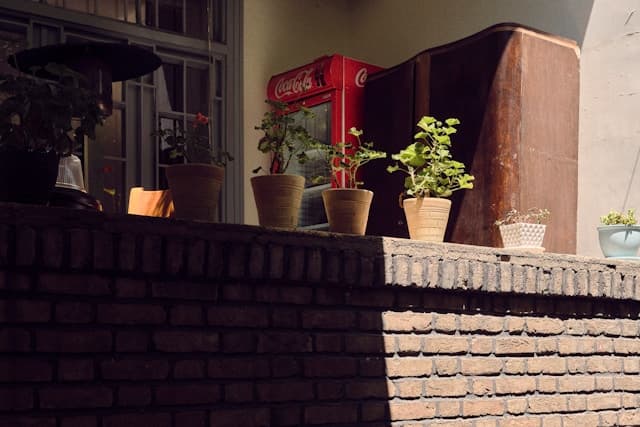
A pot holds only a small amount of soil, and that soil reacts very quickly to outside conditions. The walls of the container—especially plastic, cement, or metal—absorb heat rapidly under direct sunlight. As a result, the temperature inside the pot rises much faster than the surrounding ground.
This means the roots experience heat more intensely and more suddenly.
During Indian summers, this effect becomes even more noticeable. A pot placed on a terrace or balcony under direct sun can heat up to levels that are far higher than what a plant would face in natural soil. This sudden and extreme warming puts stress on the roots, affecting water absorption and overall plant health.
💧 Moisture Loss Happens Much Quicker
Water behaves very differently in a pot compared to open ground.
In garden soil, moisture doesn’t just stay on the surface—it slowly moves deeper and remains available to plant roots for a longer time. There is a natural reserve underneath that plants can draw from when needed.
In a container, that reserve simply doesn’t exist.
The amount of soil is limited, so water gets used up or evaporates quickly. Exposure to sunlight, wind, and heat speeds up this process even more. What might stay moist for days in the ground can dry out within hours in a pot.
This is why potted plants demand more attentive watering.
Sometimes, even a single missed watering on a hot day can lead to visible stress—leaves drooping, edges drying, or growth slowing down. It’s not because the plant is weak, but because its access to water is completely dependent on timely care.
🌿 Roots Live Within Boundaries
One of the biggest differences between ground plants and potted plants lies beneath the surface.
In natural soil, roots have the freedom to spread in all directions. They explore, expand, and search for nutrients and moisture as needed. This ability makes the plant more resilient and self-sufficient.
Inside a pot, however, roots are confined.
They grow until they hit the container walls, and beyond that, there is nowhere to go. Over time, this limited space leads to crowding. The roots begin to circle within the pot, competing for the same nutrients and water.
As a result:
- Nutrients in the soil get exhausted faster
- The plant becomes fully dependent on regular feeding
- Growth may slow down due to lack of space
In simple terms, a potted plant survives within the care you provide—it cannot rely on nature to fill the gaps.
🌬️ Greater Exposure to Environmental Stress
Another often overlooked challenge is how exposed container plants are to their surroundings.
Unlike ground plants, which are partly protected by the earth and surrounding landscape, potted plants are usually placed above ground level—on terraces, balconies, or open spaces.
This makes them more vulnerable to sudden environmental changes.
They directly face:
- Heat radiating from terrace floors
- Strong winds that dry soil and damage leaves
- Heavy monsoon showers that can flood the soil
- Cold winter winds that affect sensitive plants
Without the buffering effect of natural soil, these external factors impact potted plants much more quickly and intensely.
In a way, container plants live closer to the extremes of the environment.
Understanding these limitations doesn’t mean container gardening is difficult—it simply means it requires more awareness and timely care. Once you recognize how these small factors affect your plants, you begin to respond better, and that’s when potted gardening becomes truly rewarding. 🌿
🌼 The Good News: Why Potted Plants Are Still Absolutely Worth It
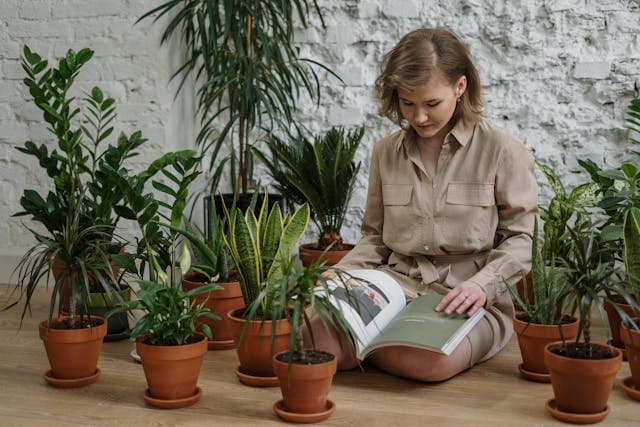
Even though container plants need a little more attention and care, they give back so much in return that most gardeners never regret choosing them. In fact, for many people—especially in cities—potted gardening is not just an option, it’s the only way to stay connected with nature.
And once you experience it, you realize something important:
the effort feels small compared to the joy it brings.
🏡 A Perfect Solution for Small and Urban Spaces
Not everyone has access to open land or a backyard, especially in growing cities and apartments.
This is where pots quietly change everything.
With just a few containers, you can grow plants almost anywhere—on a balcony railing, along a windowsill, on a rooftop, or even in a small courtyard. Spaces that once felt empty or unused can slowly turn into green, lively corners.
A terrace that only collected dust can become a refreshing escape.
A narrow balcony can feel like a tiny garden retreat.
Even with limited space, it is possible to create something that feels abundant and alive.
🌿 Freedom to Move and Adapt Anytime
One of the biggest advantages of potted plants is something ground plants can never offer—mobility.
You are not fixed to one spot. You can adjust and respond to changing conditions whenever needed.
If the sun becomes too harsh, you can move the plant to a shaded corner.
If strong winds or storms arrive, you can shift pots to a safer place.
During winter, delicate plants can be brought indoors or closer to warmth.
This flexibility gives you control over your garden in a very practical way.
It also allows creativity—rearranging pots, redesigning your space, and giving your garden a fresh look whenever you feel like it. Gardening becomes more dynamic and personal.
🪴 Complete Control Over Soil and Plant Health
In traditional gardening, you often have to accept the soil you have—even if it is heavy, poor in nutrients, or difficult to manage.
With container gardening, you start with a clean slate.
You can design the soil exactly the way your plants need it. A well-balanced mix of garden soil, compost, cocopeat, and sand or perlite creates an environment where roots can grow comfortably and receive proper nutrition.
This control makes a noticeable difference.
Plants grow healthier, drainage improves, and issues like waterlogging or compact soil can be avoided easily. Instead of struggling with unsuitable ground conditions, you build the ideal foundation from the beginning.
🌸 Freedom to Grow a Wide Variety of Plants Together
Another beautiful advantage of growing in pots is diversity.
In a single small space, you can grow a surprising range of plants—fragrant herbs, fresh vegetables, colorful flowers, decorative foliage, and even compact fruit plants.
Each plant can be given its own pot, its own soil mix, and its own care routine.
This means you are not limited by one type of soil or one growing condition. You can experiment, mix, and explore different plants without affecting others.
Your garden becomes more than just a growing space—it becomes a collection of different life forms, each thriving in its own way.
In the end, container gardening is not about limitations—it’s about possibilities.
Yes, potted plants ask for a bit more attention, but in return they offer flexibility, creativity, and the chance to grow a garden anywhere, no matter how small the space may be.
And sometimes, that small space filled with pots holds more life and happiness than a large empty yard ever could. 🌿
🌞 Saving Potted Plants During Summer
Summer in India doesn’t just arrive—it settles in with intensity. The sunlight becomes sharper, the air feels dry, and surfaces like terraces and balconies start radiating heat throughout the day. For plants growing in the ground, this heat is somewhat balanced by deeper soil layers. But for potted plants, the situation is very different.
Containers absorb and hold heat quickly, especially when placed on concrete floors or exposed terraces. The soil inside warms up faster, moisture disappears rapidly, and roots begin to experience stress much earlier than expected.
If left unprotected, plants may start showing clear signs of struggle—leaves losing their color, edges burning, soil drying out within hours, and growth slowing down.
But the good part is this: with a few mindful adjustments, you can help your plants stay healthy and continue growing even during peak summer.
🌡️ Ideal Summer Growing Conditions for Potted Plants
| Factor | Ideal Condition |
|---|---|
| Temperature tolerance | 20–35°C |
| Sunlight | Gentle morning sun, protection from afternoon heat |
| Watering | Once or twice daily depending on temperature |
| Soil | Moist, airy, and well-drained |
| Pot placement | Slightly elevated and partially shaded |
🌿 Practical Ways to Protect Potted Plants from Summer Stress
🪴 Shift Plants Away from Harsh Afternoon Sun
Morning sunlight is beneficial and helps plants grow well, but afternoon sun during summer can become too intense, especially between 12 PM and 4 PM.
Instead of leaving pots fully exposed, try placing them where they receive early sunlight but are shielded later in the day. Even a small change in position—like moving them closer to a wall, under a shade net, or beside taller plants—can make a noticeable difference.
Creating partial shade doesn’t reduce growth; it actually helps plants conserve energy and stay healthier.
💧 Water Deeply, Not Just Frequently
In summer, watering is not just about how often you water, but how effectively you do it.
Light surface watering may wet the top layer, but it often doesn’t reach deeper roots. This can leave the plant thirsty even after watering.
Instead, give a slow and deep watering so moisture reaches the entire root zone. This encourages roots to grow deeper within the pot and stay hydrated for longer.
Early morning is the best time for watering because:
- Plants absorb water more efficiently
- Less water is lost to evaporation
- Leaves stay dry during the day, reducing stress
On extremely hot days, an additional light watering in the evening can help maintain balance.
🍂 Use Mulch to Lock in Moisture and Cool the Soil
Mulching is one of the simplest yet most effective ways to protect potted plants during summer.
By covering the top layer of soil, mulch reduces direct exposure to sunlight. This helps in slowing down water evaporation and keeping the root zone cooler.
You don’t need anything complicated—simple materials like dry leaves, straw, coconut husk, or even grass clippings work perfectly.
Over time, mulch also improves soil structure as it naturally breaks down.
🧱 Lift Pots Away from Hot Surfaces
One common mistake in terrace gardening is placing pots directly on concrete floors.
During summer, these surfaces absorb heat throughout the day and release it slowly, turning the base of the pot extremely warm—even during the evening.
By slightly elevating pots using bricks, wooden blocks, or pot stands, you allow air to circulate underneath. This reduces heat buildup and protects the roots from overheating.
It may seem like a small adjustment, but it can significantly improve plant comfort during extreme heat.
Summer care for potted plants is not about doing something complicated—it’s about understanding how heat affects them and making small, thoughtful changes.
Once you start observing your plants closely, you’ll notice how they respond. And with that awareness, even the harshest summer can become manageable for your container garden. 🌿
🌧️ Protecting Potted Plants During Monsoon
After the intense heat of summer, the arrival of monsoon feels like a blessing—not just for us, but for plants too. The air becomes cooler, the environment feels fresh, and everything seems to come back to life.
But for potted plants, this season brings a different kind of challenge.
While the heat reduces, excess moisture becomes the real concern. Rainfall may seem beneficial, but when water stays in the soil for too long, it creates conditions that plants are not comfortable with.
The biggest risk during this time is waterlogging.
When soil remains constantly wet, the roots are unable to breathe properly. Over time, this lack of oxygen weakens the plant and creates the perfect environment for fungal infections and root diseases to develop.
So, unlike summer where the focus is on saving moisture, monsoon care is all about managing excess water and maintaining balance.
🌧️ Ideal Monsoon Growing Conditions for Potted Plants
| Factor | Ideal Condition |
|---|---|
| Temperature | 22–32°C |
| Sunlight | Bright but indirect light |
| Watering | Only when the topsoil begins to dry |
| Soil drainage | Fast and efficient drainage is essential |
| Air circulation | Open, well-ventilated placement |
🌿 Practical Monsoon Care Tips for Container Plants
🪴 Make Drainage Your First Priority
If there is one thing that cannot be ignored during monsoon, it is proper drainage.
Every pot must allow excess water to escape easily. Drainage holes should be clear and functional, not blocked by compact soil or debris. If water starts collecting at the bottom, it can quickly lead to root rot.
Also, avoid letting water sit in trays or saucers beneath pots. Even a small amount of standing water can keep the soil overly wet for long periods.
In simple terms, during monsoon, water should pass through the pot—not stay inside it.
🍃 Shield Plants from Continuous Heavy Rain
Not all plants enjoy direct exposure to heavy rainfall, especially when it continues for several days.
Delicate leaves and flowers can get damaged, soil structure can break down, and nutrients may wash away. For such plants, it is helpful to provide some form of protection.
You can shift them under a balcony roof, place them near walls where rainfall is less direct, or use temporary covers like plastic sheets or garden films. Even partial protection can reduce stress significantly.
The goal is not to block rain completely, but to prevent constant soaking.
🌱 Water Only When Truly Needed
One of the most common mistakes during monsoon is overwatering.
Since the weather feels cooler, it’s easy to assume plants still need regular watering—but in reality, nature is already doing most of the work.
Before watering, always check the soil. If the top layer still feels moist, there is no need to add more water.
Allowing the soil to dry slightly between watering helps maintain a healthy balance and prevents root-related issues.
🌬️ Keep Air Moving Around Your Plants
Moisture combined with still air creates the perfect environment for fungal growth.
That’s why airflow becomes extremely important during monsoon.
Avoid placing pots too close together. Give each plant enough space so air can circulate freely. If plants become too dense, light pruning can help open them up and reduce humidity around the leaves.
A well-ventilated setup keeps plants healthier and reduces the chances of disease.
Monsoon care is less about doing more and more about doing things wisely.
By simply managing water, improving airflow, and offering light protection when needed, you can help your potted plants not just survive, but stay fresh and vibrant throughout the rainy season.
And once you understand this balance, monsoon becomes one of the most refreshing and enjoyable times for your container garden. 🌿
❄️ Caring for Potted Plants During Winter
Winter in India feels calm and pleasant in many regions, but for plants—especially those growing in pots—it can quietly become a stressful phase. While the temperature may not always drop to extreme levels, the combination of cold nights, chilly winds, and reduced sunlight can slow down plant activity and affect their overall health.
In northern parts of India, where winters are more pronounced, tropical and sensitive plants often struggle the most. Unlike ground plants, potted plants feel these changes more directly because their roots are exposed to the surrounding air temperature rather than being protected deep within the soil.
During this season, plants don’t demand intense care—but they do need thoughtful adjustments to stay comfortable and continue growing steadily.
❄️ Ideal Winter Growing Conditions for Potted Plants
| Factor | Ideal Condition |
|---|---|
| Temperature | 10–25°C |
| Sunlight | Maximum direct sunlight throughout the day |
| Watering | Reduced frequency |
| Soil moisture | Slightly moist, never soggy |
| Protection | Shielded from cold winds and drafts |
🌿 Practical Winter Care Tips for Container Plants
☀️ Make the Most of Gentle Winter Sunlight
Unlike summer, winter sunlight is soft and highly beneficial for plants.
Since daylight hours are shorter and the sun is less intense, it becomes important to place your pots where they can receive as much sunlight as possible during the day. Moving them to open, sun-facing spots—like terraces, balconies, or near windows—can make a noticeable difference.
Sunlight during winter helps plants maintain their energy, supports healthy growth, and prevents them from becoming weak or leggy.
💧 Water Less, But Stay Observant
One of the biggest changes during winter is the plant’s growth rate—it naturally slows down.
Because of this, water consumption reduces significantly. Soil stays moist for longer periods, and frequent watering can easily lead to overwatering problems, especially root rot.
Instead of following a fixed schedule, observe the soil. Water only when the top layer feels dry to the touch. It’s always better to water slightly less than to keep the soil constantly wet during this season.
🧣 Protect Plants from Cold Winds
Cold winds can be more harmful than low temperatures themselves.
They can dry out leaves, cause damage to soft growth, and stress the plant over time. Since potted plants are often placed in open areas, they are more exposed to these winds.
To reduce this impact, place pots near protective barriers like walls or railings. You can also group multiple pots together—this simple arrangement helps create a slightly warmer and more stable micro-environment.
Even small adjustments like these can make plants feel more sheltered and secure.
🌱 Feed Lightly to Prepare for Future Growth
Winter may not be a season of rapid growth, but it is a good time to gently improve soil health.
Adding small amounts of organic matter like vermicompost or leaf compost helps enrich the soil without overwhelming the plant. These nutrients slowly integrate into the soil, preparing the plant for stronger and more active growth when spring arrives.
Think of it as quiet preparation rather than active feeding.
Winter care is less about intervention and more about understanding the plant’s slower rhythm.
By offering sunlight, reducing excess watering, protecting from cold winds, and lightly nourishing the soil, you allow your potted plants to rest, recover, and stay ready for the next growing season.
And sometimes, in that quiet winter stillness, you realize that growth doesn’t always have to be fast—it just needs to be steady and supported. 🌿
⚠️ Seasonal Problems in Potted Plants and Simple Solutions
No matter how carefully you care for your plants, each season brings its own set of challenges—especially when plants are growing in containers. Because their environment is limited, even small changes in weather can quickly show up as visible problems.
The good thing is that most of these issues are not permanent or difficult to fix. Once you understand what your plant is trying to tell you, simple adjustments can bring it back to health.
Below is a practical guide to common seasonal problems and how to handle them effectively.
🌿 Understanding Problems and Responding the Right Way
| Problem | Common Season | What’s Really Happening | Simple, Effective Solution |
|---|---|---|---|
| Wilting leaves | Summer | The plant is losing more water than it can absorb due to intense heat and rapid evaporation | Shift to partial shade and water deeply so moisture reaches the roots |
| Yellowing leaves | Monsoon | Excess water is preventing roots from breathing properly, leading to stress and nutrient imbalance | Improve drainage, reduce watering, and allow soil to dry slightly between watering |
| Root rot | Monsoon | Roots are sitting in stagnant water, causing decay and fungal growth | Ensure proper drainage holes and use a loose, well-aerated soil mix |
| Slow or stalled growth | Winter | Low temperature and reduced sunlight slow down the plant’s natural growth cycle | Place plants in maximum sunlight and avoid overwatering |
| Soil drying too quickly | Summer | Limited soil volume combined with heat causes rapid moisture loss | Add mulch and adjust watering frequency to maintain consistent moisture |
🌱 A Simple Way to Look at Plant Problems
Most plant issues are not random—they are reactions to environmental stress.
- Too much heat → water loss
- Too much water → root suffocation
- Too little sunlight → slow growth
- Too much exposure → physical damage
When you begin to see problems this way, gardening becomes less confusing and more intuitive.
Instead of worrying about what went wrong, you start focusing on what needs to be adjusted.
Potted plants may show problems faster than ground plants, but they also recover quickly when given the right care. A small change in placement, watering, or protection can bring a struggling plant back to life within days.
And that’s the beauty of container gardening—you stay closely connected to your plants, noticing their signals and responding in time. 🌿
🌿 Why Growing Plants in Pots Is Still Absolutely Worth It
Caring for potted plants may ask for a little more attention, a little more observation, and sometimes a little more patience—but what they give in return is far greater than the effort you put in.
In today’s fast-moving urban life, where open spaces are limited and nature often feels distant, potted plants quietly bring that connection back. They allow people living in apartments, flats, and compact homes to experience the presence of greenery in their everyday lives.
A simple balcony no longer feels empty once a few plants are placed there. It slowly transforms into a space where mornings feel fresher, evenings feel calmer, and time seems to move a little slower. Even a small collection of pots can turn an ordinary corner into a peaceful retreat.
For those who don’t have access to land, container gardening removes that limitation completely. You don’t need a backyard or a large garden—you just need a few pots, a bit of care, and the willingness to nurture something living.
But beyond the visible beauty, potted plants offer something more meaningful.
They change the way we care.
When a plant grows in the ground, it can survive on natural systems to some extent. But in a pot, it depends entirely on you—every drop of water, every bit of nutrition, every shift in placement. This responsibility naturally makes you more aware, more patient, and more connected to the process of growth.
You begin to notice small details—the way leaves respond to sunlight, how soil feels before watering, how plants recover after care. Over time, gardening becomes less of a task and more of a relationship.
And sometimes, it only takes one healthy, thriving plant to create that feeling.
A single pot, placed in the right spot and cared for consistently, can bring a sense of satisfaction and calm that even a large, unattended garden cannot offer.
Because in the end, it’s not about how much space you have—it’s about how much life you choose to grow within it. 🌿
🌱 A Gentle Reminder from the Garden
Potted plants may grow within limited space, but the life they hold is no less powerful than that of the tallest trees. Their roots may not spread far, yet their presence has the ability to transform the space around them in quiet, meaningful ways.
What they lack in size, they make up for in sensitivity.
They respond quickly to care, to attention, and even to neglect. When nurtured with consistency—through changing seasons, shifting temperatures, and small daily efforts—they don’t just survive, they begin to thrive in their own graceful way.
And in return, they offer more than just greenery.
A flowering pot brightens a dull corner.
A leafy plant softens a harsh space.
A small collection of pots can turn silence into calm, and routine into something peaceful.
Sometimes, it’s not about creating a perfect garden—it’s about creating a moment of connection.
A few minutes spent watering, observing, or simply sitting near your plants can bring a sense of stillness that’s hard to find elsewhere.
Because in the end, plants don’t measure their growth by the space they occupy—they reflect the care they receive.
🌿 “A plant in a pot does not grow because of the soil it is given, but because of the attention it is shown.”

