Nature is usually seen as calm and comforting. Green leaves feel safe. Forests feel healing. Plants often represent life and balance. Because of this, we rarely expect danger from something that looks so peaceful.
But nature also has a warning side. And sometimes, that warning is severe. One small mistake can lead to pain that doesn’t fade in hours or days—but lasts for months.
Dendrocnide moroides is one such plant.
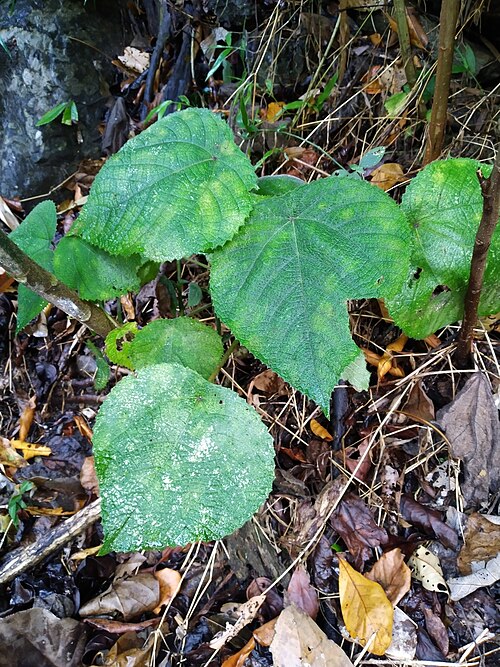
Better known as the Gympie-Gympie or the Australian stinging tree, it is considered one of the most painful plants on Earth. It isn’t dangerous in the usual poisonous way. Instead, it attacks the nervous system directly. The pain begins instantly and can feel overwhelming.
People who have touched it often describe the sensation as an electric shock mixed with an acid burn. What makes it truly frightening is how long the pain can stay. This is not a sting you forget. It is something the body remembers—again and again.
Natural Habitat and Identification
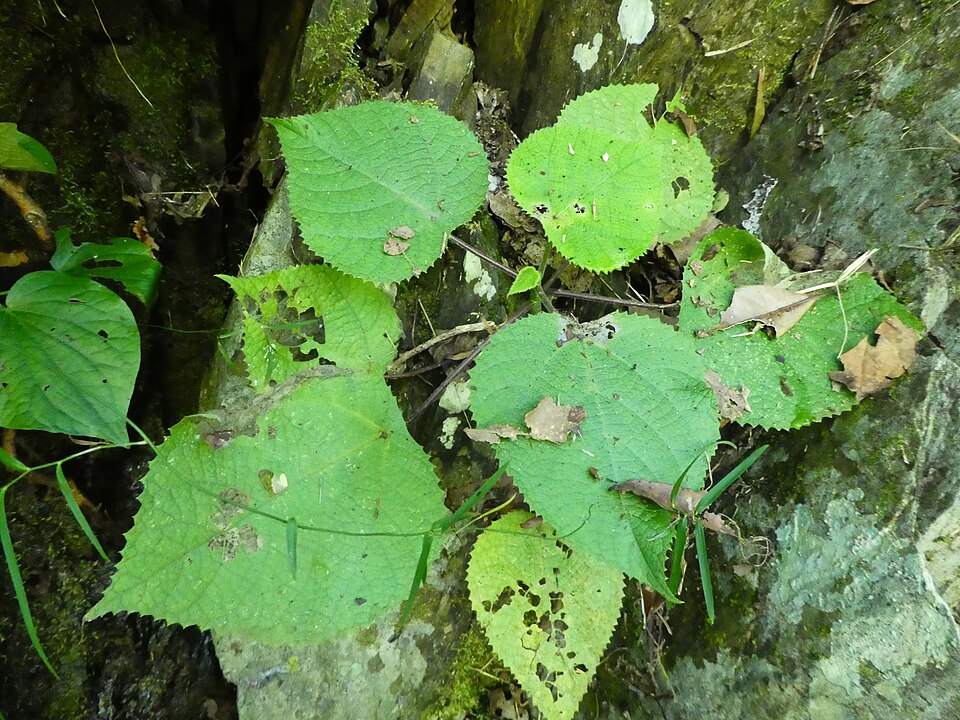
Dendrocnide moroides is native to the rainforests of northeastern Australia, especially in Queensland and parts of New South Wales. It thrives in warm, humid, and shaded environments, which is why it is often found along forest paths, riverbanks, and deep within dense undergrowth. These are places where people walk casually, rarely expecting danger from a plant.
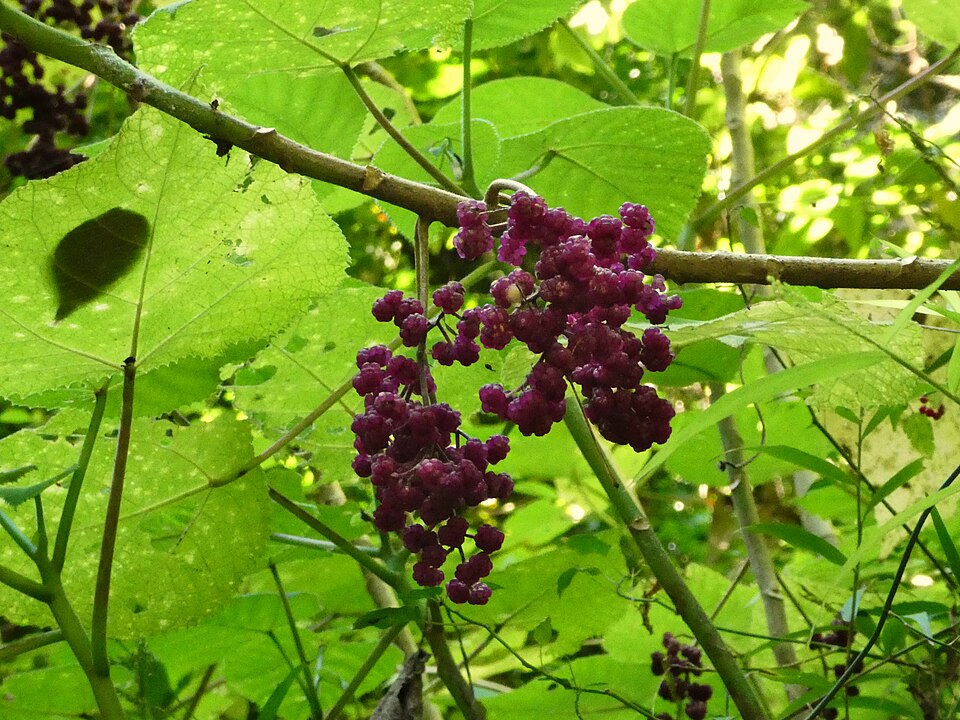
At first glance, it looks completely harmless. The plant has large, bright green, heart-shaped leaves with serrated edges, covered in a soft, fuzzy, velvety texture. It usually grows as a shrub or small tree, reaching about one to three meters in height. To an untrained eye, it resembles an ordinary tropical plant—something you might brush past or touch without hesitation.
That harmless appearance is exactly what makes it so dangerous. The Gympie-Gympie does not warn with thorns or bright colors. Instead, it hides one of nature’s most severe defenses beneath a surface that looks gentle and safe.
The Real Weapon: Microscopic Stinging Needles
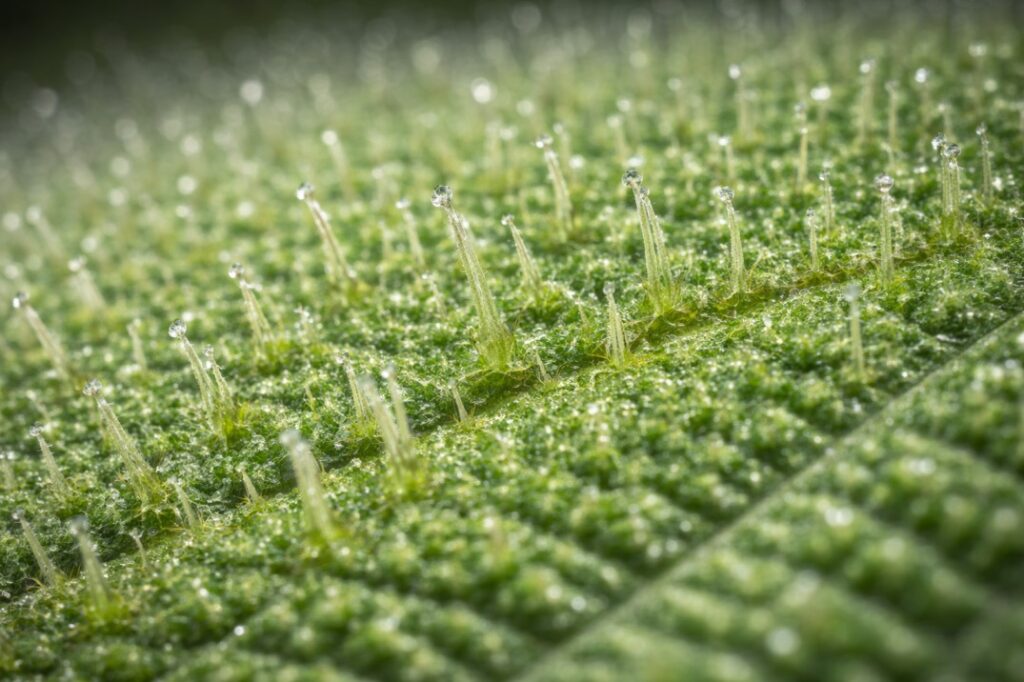
The real danger of the Gympie-Gympie isn’t its size or appearance—it’s something the human eye can’t even see. Every part of the plant, from its leaves and stems to its small fruits, is coated in microscopic, silica-based stinging hairs. These hairs are not soft or flexible. They are sharp, brittle, and structured like hollow needles, perfectly designed to break the moment they touch skin.
When contact occurs, the hair tips snap off and penetrate the outer layer of the skin almost effortlessly. At the same time, a powerful toxin is injected directly into the nerve endings. Unlike ordinary stinging plants that release a chemical and then move on, Gympie-Gympie leaves its weapon behind. The broken needle-like hairs remain embedded under the skin, continuing to irritate nerves long after the initial contact has ended.
Because the body cannot easily remove these microscopic fragments, the pain does not fade quickly. Even slight pressure, temperature changes, or moisture can reactivate the sensation days or weeks later. This is why victims often describe the pain as persistent rather than intense only at the beginning—it lingers, returns, and reminds the body that the plant’s defense is still present.
What Does the Pain Feel Like?
People who have come into contact with the Gympie-Gympie struggle to explain the pain in ordinary terms. Many describe it as feeling like thousands of burning needles striking the skin at the same time, while others compare it to a powerful electric shock spreading through the body or the sensation of being burned with strong acid. These descriptions may sound exaggerated, but survivors often say no single comparison fully captures the experience.
The pain begins immediately after contact and intensifies within minutes, often reaching a level that feels impossible to ignore. What makes it especially disturbing is how long it can last. In some cases, the pain continues for weeks or even months, long after the skin appears healed. Heat, sweating, cold water, or even light friction can trigger the sensation again, as if the sting is happening all over.
For some victims, the physical pain is only part of the ordeal. The constant discomfort can interfere with sleep, trigger panic attacks, and lead to ongoing psychological distress. This combination of lingering physical pain and mental exhaustion is what makes Gympie-Gympie encounters so deeply traumatic—and why the plant is feared far beyond its native forests.
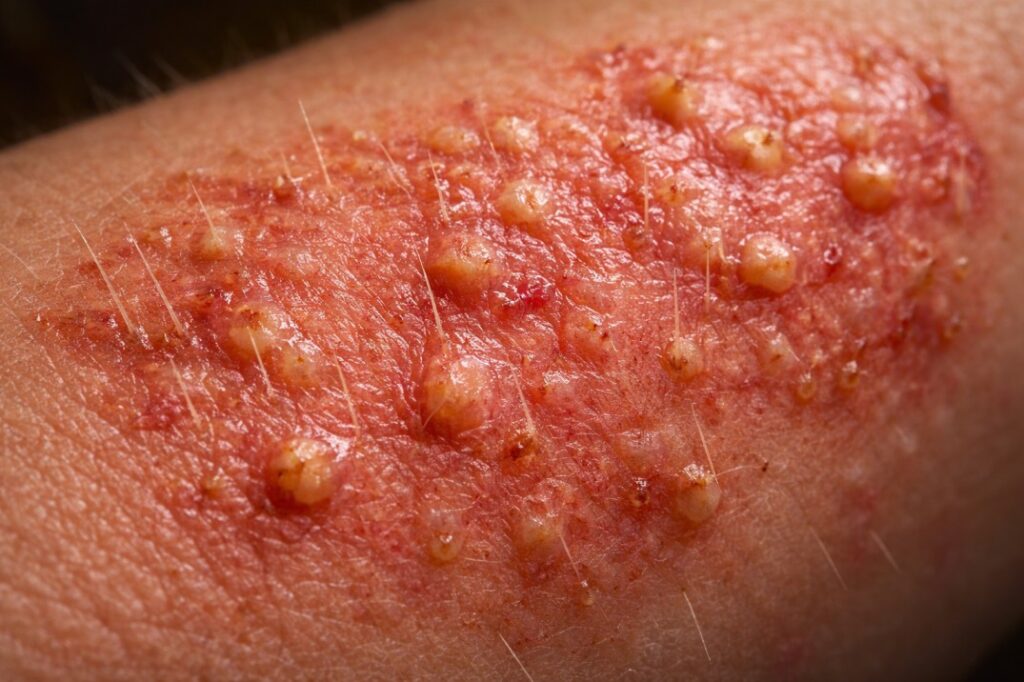
The Infamous Incident: When a Leaf Was Used as Toilet Paper
One of the most disturbing real-life stories involving Dendrocnide moroides comes from a simple mistake made in the Australian wilderness—a moment of urgency, unfamiliar surroundings, and a leaf that looked harmless enough.
The man was in a remote area and had no toilet paper. Nearby, he noticed large, soft-looking green leaves that appeared safe to touch. With no idea of the danger, he used one of those leaves—unaware that it belonged to the Gympie-Gympie plant.
The reaction was immediate and brutal. Within seconds, he felt an intense burning sensation that rapidly escalated into what he later described as electric shocks mixed with acid burns. The pain became so overwhelming that he began screaming uncontrollably, unable to stop or escape the sensation. What should have been a brief moment turned into a medical emergency.
Reports from medical professionals and witnesses later revealed that he required urgent treatment. Even then, the pain remained extreme for several days, and heightened sensitivity with recurring flare-ups continued for weeks afterward. The physical injury healed long before the suffering truly ended.
Today, this incident is widely shared among forest workers, military personnel, hikers, and survival experts—not as a shocking story for entertainment, but as a serious warning. It reminds us that in unfamiliar environments, touching the wrong plant—even for a second—can carry consequences far beyond the moment.
Why Is the Pain So Long-Lasting?
The pain caused by Gympie-Gympie lasts far longer than a normal sting because of how its toxin interacts with the body. Scientific research suggests that the toxin targets the nervous system directly, interfering with pain receptors rather than simply irritating the skin. Instead of triggering a short-lived reaction, it keeps those pain signals switched on, as if the nerves are stuck in an “active” state.
What makes this especially difficult is that the body struggles to neutralize the toxin. Unlike many plant irritants that are broken down or flushed out over time, Gympie-Gympie toxins remain effective even in very small amounts. This explains why standard painkillers often provide little relief and why the pain can return again and again without warning.
Changes in temperature or moisture—such as heat, cold water, sweating, or friction—can stimulate the affected nerves and reactivate the sensation. Even after the skin looks normal, the nervous system may still be responding as if the injury is fresh. This is why victims often describe the pain as unpredictable, persistent, and deeply exhausting rather than sharp and short-lived.
Danger to Animals
The Gympie-Gympie is not a threat to humans alone. Animals are also highly vulnerable to this plant, often with far more severe consequences. Horses, dogs, and grazing livestock have all suffered intense reactions after brushing against or ingesting parts of the plant. Unlike humans, animals cannot recognize the source of the pain or avoid further contact, which can quickly worsen their condition.
In some historical accounts, accidental exposure has led to fatal outcomes, particularly for larger animals that encountered the plant repeatedly or over a wider area of skin. These cases highlight how powerful the plant’s defensive system truly is and why the Gympie-Gympie is feared not only by people but also by those who work closely with animals in affected regions.
Its presence in the wild serves as a silent warning: this is a plant that demands distance, not curiosity—whether the visitor walks on two legs or four.
Was This Plant Ever Useful?
Despite its fearsome reputation, the Gympie-Gympie was not always viewed only as a danger. Historically, some Indigenous Australian communities found limited use for the plant, particularly its strong fibers, which were used to make rope. This was never done casually. Handling the plant required deep knowledge, careful timing, and extreme preparation to avoid contact with its stinging hairs.
These uses were guided by experience passed down through generations—an understanding of when, how, and whether the plant could be approached at all. Without that knowledge, the risks far outweighed any benefit.
In modern times, however, the situation is very different. There is no safe domestic, medicinal, or household use for Gympie-Gympie. Because of the severity and unpredictability of its sting, it is now classified primarily as a hazardous plant. Today, its value lies not in use, but in awareness—serving as a powerful reminder that not every plant is meant to be touched, harvested, or brought closer to human life.
⚠️ Critical Safety Guide: What to Do After Contact or Ingestion of Stinging or Poisonous Plants
This quick-reference guide explains what actions help and what actions make things worse after accidental exposure. Knowing the right response can significantly reduce long-term damage.
| Situation | What to Do Immediately | What NOT to Do | Why It Matters |
|---|---|---|---|
| Skin contact with stinging or needle-like plants | Stay still. Do not rub. Carefully remove loose hairs using wax strips or adhesive tape. Seek medical help as soon as possible. | Do not scratch or wash with bare hands | Rubbing pushes microscopic needles deeper into the skin |
| Severe burning or electric-shock–like pain | Stay calm, keep the affected area immobilized, and get medical assistance | Do not ignore or “wait it out” | Pain can intensify over hours and become long-lasting |
| Contact with eyes | Rinse gently with clean water and seek emergency medical care immediately | Do not rub the eyes | Rubbing can cause serious or permanent eye damage |
| Ingestion of a poisonous plant | Seek emergency medical help immediately | Do not induce vomiting unless instructed by professionals | Vomiting can worsen internal injury |
| Skin itching after touching an unknown plant | Gently wash with soap and water if safe, and monitor symptoms closely | Do not assume it is harmless | Some plant toxins act slowly |
| Pain returning after days or weeks | Avoid heat, friction, sweating, and consult a doctor | Do not self-medicate | Certain plant toxins can reactivate pain |
⚠️ Important Note:
This guide is intended for educational awareness only. It does not replace professional medical advice or emergency care. Always seek qualified medical help when dealing with plant-related injuries or poisoning.
Precautions for Hikers, Gardeners, and Nature Lovers
Whether you hike through forests, photograph wildlife, work outdoors, or travel in tropical and rainforest regions, awareness is your strongest form of protection. Many dangerous plants do not look threatening, and that false sense of safety is often what leads to injury.
As a general rule, avoid touching any plant you cannot confidently identify. Wear gloves and full-sleeve clothing whenever you move through dense vegetation or shaded forest areas, even if the plants appear soft or harmless. Never use leaves for hygiene purposes, no matter how clean or comfortable they seem—this single mistake has led to some of the most severe plant-related injuries on record.
Most importantly, treat soft-looking, velvety leaves with caution rather than curiosity. In nature, gentleness in appearance does not always mean safety. Keeping distance, staying covered, and resisting the urge to touch unfamiliar plants can prevent pain that lasts far longer than the moment of contact.
A Powerful Lesson from Dendrocnide moroides
Dendrocnide moroides leaves behind a lesson far more important than fear. It reminds us that nature itself is not cruel or dangerous by default—but ignorance can be. Most harm doesn’t come from malice, but from not knowing where caution is needed.
A single leaf, one careless touch, or one uninformed decision can turn a brief moment into weeks of suffering. The plant does not chase, attack, or deceive. It simply exists as it is. The responsibility lies with us—to observe, to respect, and to understand before we reach out.
In the wild, safety doesn’t come from bravery or curiosity.
It comes from awareness.
A Final Thought
“Not every green leaf is meant to offer shade—
some exist only to remind us that nature rewards respect,
and punishes carelessness without warning.”

