
Understanding the Hidden Decline in Our Daily Food
Many people say vegetables don’t taste the way they used to—and that feeling isn’t just nostalgia talking. Research over the years confirms that several everyday vegetables now contain lower levels of vital nutrients, including iron, calcium, magnesium, and key vitamins. What looks fresh on the plate isn’t always as nourishing as it once was.
This nutritional slide didn’t happen suddenly. It crept in quietly, shaped by exhausted soils, fast-paced farming methods, climate pressure, and changing food habits. In countries like India, where farming intensified rapidly to feed growing populations, the land was often pushed harder than it could naturally recover from. Crops grew faster—but not necessarily stronger.
Understanding why vegetables are losing their nutritional strength matters more than ever. It affects how our bodies absorb food, how resilient our health is, and how future generations will eat. The good news? Once we understand the reasons, we can also learn how to restore nutrition back into our food system—starting right from the soil 🌱🌍.
🧪 1. Soil Depletion: Where the Decline Truly Begins
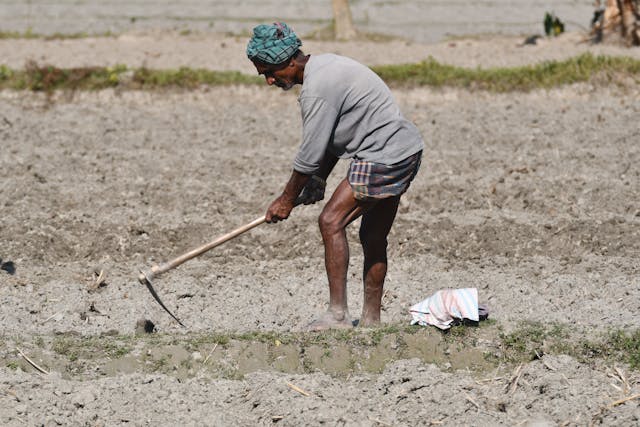
Every nutritious vegetable begins its life underground. When the soil is alive, food is alive. For generations, Indian farming honored this truth—fields were nourished with compost, cow dung, natural rotations, and rest periods that allowed the earth to heal itself.
Modern farming shifted that balance. Today, many fields are fed with chemical shortcuts that keep crops growing fast but leave the soil slowly starving. Fertilizers may boost size and yield, but they rarely rebuild what the soil actually needs to stay fertile.
🌱 What’s Quietly Happening Beneath Our Feet
Instead of recovering, farmland is often pushed year after year, leading to:
- Continuous cropping with no recovery time
- Heavy reliance on NPK fertilizers alone
- Declining organic matter and soil microbes
- Fewer earthworms—the natural engineers of soil health
As this continues, soils begin losing micronutrients such as zinc, selenium, boron, and copper—elements required in tiny amounts but essential for human health. Vegetables grown in such soil may appear lush and oversized, yet their nutritional value tells a very different story.
📉 A Global Warning Sign
Long-term agricultural observations highlighted by organizations like the Food and Agriculture Organization show that soil micronutrient depletion is now a worldwide issue, not a local accident. When soil weakens, crops weaken—and the nutritional cost is passed directly to our plates.
In simple terms:
👉 You can’t harvest nutrition from soil that has already been drained of it.
🌾 2. Chasing Yield, Forgetting Nutrition
Modern agriculture has been trained to reward what the eye can see. Crops are judged by how big, fast, and perfect they look—not by how deeply they nourish the body. Plant breeding and farming systems now focus heavily on:
- Larger produce size
- Rapid growth cycles
- Uniform shape and color
- Longer storage and transport life
What often gets left out of this race is the very reason food exists—nutrition.
🧬 The “Dilution Effect” Explained Simply
When crops are pushed to grow quickly using high nitrogen inputs, something subtle but important happens inside the plant:
- Cells absorb more water
- Growth outpaces mineral uptake
- Vitamins and trace minerals spread thinner
This is known as the dilution effect—the plant grows bigger, but its nutritional strength doesn’t keep up. The result? Each bite delivers fewer nutrients per gram, even though the vegetable looks impressive.
So while today’s spinach leaves may be broader and tomatoes heavier, they often contain less iron, less vitamin C, and fewer protective compounds than the same vegetables grown a few decades ago under slower, soil-balanced conditions.
👉 Bigger harvests don’t always mean better food—sometimes, they just mean emptier nutrition.
🚜 3. Chemical Dependency: When Shortcuts Cost Nutrition
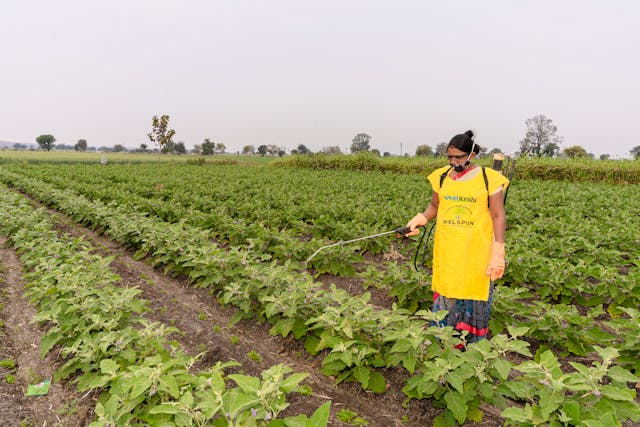
Chemical fertilizers are often praised for feeding crops quickly—but they only deliver a basic diet. Nitrogen, phosphorus, and potassium (N-P-K) help plants grow, yet vegetables need dozens of micro and trace elements to create vitamins, antioxidants, enzymes, and protective compounds that support human health.
When farming relies too heavily on chemicals, plants may grow—but they don’t grow complete.
⚠️ Hidden Side Effects of Overuse
Long-term chemical dependence quietly disrupts the entire soil–plant relationship:
- Beneficial soil microbes begin to disappear
- Natural nutrient-absorption pathways weaken
- Plants lose their internal defense systems
- Nutritional diversity inside the crop declines
Without healthy soil life, vegetables struggle to access minerals even when those minerals exist in the ground. The plant survives—but it stops thriving nutritionally.
🐞 How Pesticides Add More Stress
Pesticides don’t just eliminate pests; they also place plants under constant stress. Stressed plants divert energy toward survival instead of producing phytonutrients, antioxidants, and flavor compounds. Over time, this reduces both nutritional depth and taste, even when yields remain high.
👉 Food grown in stressed conditions may fill the stomach—but it rarely feeds the body fully.
🌡️ 4. Climate Stress: When Crops Grow Under Pressure
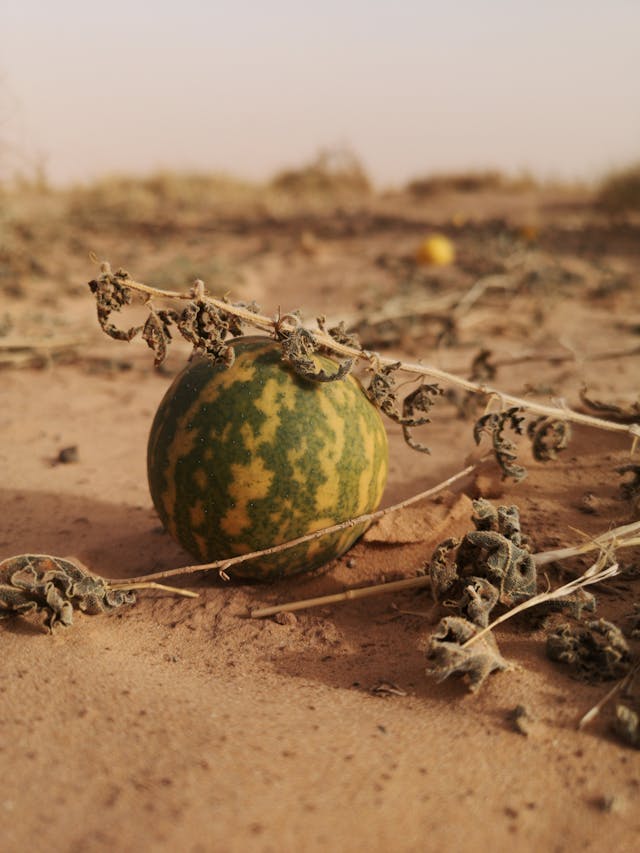
Vegetables don’t just respond to soil and seeds—they respond to the climate surrounding them. Rising temperatures, unpredictable rainfall, and increasing carbon dioxide levels are quietly reshaping how crops grow and what they contain.
When weather patterns become unstable, plants are forced into survival mode rather than slow, balanced development.
🌦️ How Climate Change Alters Nutrition
Climate stress affects vegetables in several subtle but serious ways:
- Roots struggle to absorb minerals efficiently
- Crops mature too quickly, cutting short nutrient buildup
- Protein and vitamin formation declines
- Heat stress interferes with enzyme activity inside plants
Higher carbon dioxide levels can increase carbohydrate production, making vegetables seem bulkier and more filling. However, this gain often comes with a nutritional trade-off—lower levels of iron, zinc, and plant proteins.
In simple terms, climate change can make vegetables heavier but weaker, satisfying hunger without fully supporting health.
👉 A stressed climate grows stressed crops—and stressed crops deliver diluted nourishment.
🧬 5. When Shelf Life Matters More Than Substance
Walk through any modern market and you’ll see vegetables that look flawless—shiny skins, identical sizes, and long-lasting freshness. Many of today’s hybrid and GMO varieties are carefully bred to:
- Survive long-distance transport
- Withstand storage and handling
- Stay visually appealing for days
What’s rarely prioritized in this process is flavor and nutritional depth. When durability becomes the goal, nourishment often slips into the background.
🌾 What Traditional Varieties Did Differently
Older desi vegetable varieties followed a slower, more natural rhythm. They:
- Took longer to mature
- Developed deeper root systems
- Absorbed a wider range of soil minerals
- Built richer phytonutrients and natural flavors
These vegetables may not have looked perfect, but they were nutritionally complete and deeply satisfying.
Sadly, as commercial farming favors speed and uniformity, many of these nutrient-rich traditional varieties are vanishing from fields—and with them, a quiet legacy of better nourishment.
👉 Food that lasts longer on shelves doesn’t always last longer in the body.
⏱️ 6. Picked Too Soon, Nourished Too Little
To survive long journeys and storage, many vegetables are harvested before they fully mature. This practice protects appearance—but it quietly strips away nutritional potential.
Vegetables are living systems, and the final stage of growth is when much of their nutritional magic happens.
🍅 Why Early Harvesting Changes Everything
When crops are picked too soon:
- Vitamins reach only partial levels instead of peaking
- Antioxidants fail to fully develop
- Natural sugars and protective compounds remain incomplete
- Cold storage slowly breaks down vitamin C and B-complex nutrients
A tomato allowed to ripen naturally on the plant builds layers of nutrients and flavor over time. In contrast, a tomato forced to ripen during transport may turn red—but it never truly finishes growing nutritionally.
👉 Color can be manufactured. Nutrition cannot.
🧾 7. What We Do After Harvest Matters Too
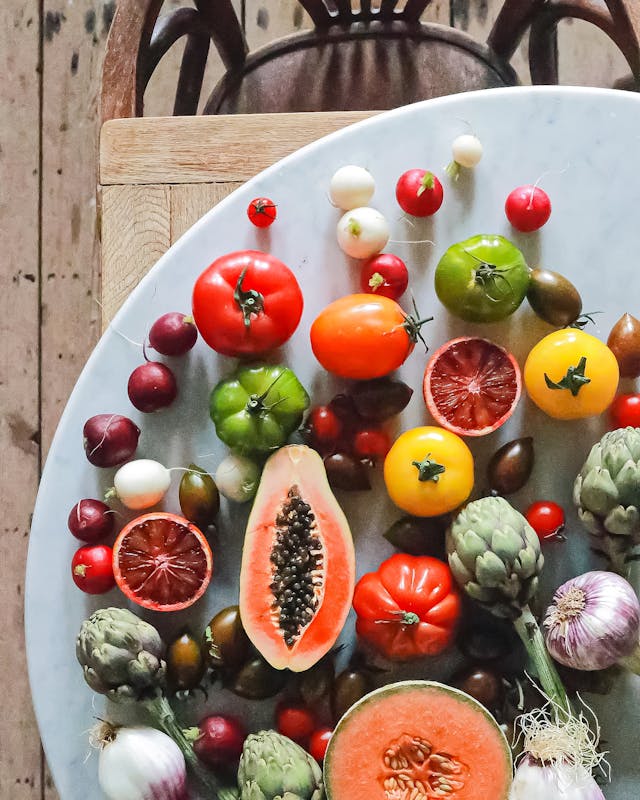
Even when vegetables leave the field rich in nutrients, much of their value can be lost after harvest—right in our kitchens and food systems. Nutrition doesn’t disappear only because of farming; it also fades through the way food is handled, prepared, and consumed.
🍽️ How Post-Harvest Practices Drain Nutrition
Common habits quietly strip vegetables of their goodness:
- Peeling removes fiber, minerals, and protective plant compounds
- Repeated washing leaches out water-soluble vitamins
- Overcooking or high-heat cooking destroys delicate nutrients
By the time vegetables reach the plate, they may look familiar—but their nutritional strength has already been diluted.
🧃 The Bigger Dietary Shift
At the same time, modern diets increasingly replace fresh vegetables with polished, packaged, and processed foods. These foods may be calorie-dense, but they’re often micronutrient-poor, leading to hidden malnutrition—where the stomach feels full, yet the body remains undernourished.
👉 It’s possible to eat enough and still not eat well.
📊 When Vegetables Lose Nutrition—and How We Can Bring It Back
The decline in vegetable nutrition isn’t caused by one single mistake. It’s the result of many small decisions stacking up over time. The good news? Each problem has a real, workable solution.
| Problem | How It Weakens Vegetables | Sustainable Way Forward |
|---|---|---|
| Depleted soil | Crops grow without access to essential minerals | Rebuild soil using compost, vermicompost, green manure, and leaf mulch |
| Chemical-only farming | Roots absorb nutrients poorly; soil life collapses | Combine organic matter with balanced inputs instead of chemicals alone |
| Fast-growing hybrids | Size increases, but nutrients get diluted | Grow heirloom or desi varieties that mature slowly and absorb more minerals |
| Climate stress | Heat and irregular water reduce vitamin and mineral formation | Use mulching, shade nets, and smart water management to protect crops |
| Early harvesting | Nutrients don’t fully develop before picking | Eat local, seasonal vegetables harvested at natural maturity |
👉 Nutrition isn’t lost overnight—and it isn’t restored overnight either.
But when soil is healed, crops are respected, and food is eaten closer to its source, vegetables slowly regain their strength.
🌱 8. Why This Quiet Decline Matters to Our Health
When vegetables lose their nutritional strength, the impact doesn’t stay in the field—it shows up in our bodies. Eating vegetables regularly no longer guarantees that the body receives what it truly needs to function well.
🧍♀️ What Low-Nutrition Food Does Over Time
A steady diet of nutrient-poor vegetables can quietly lead to:
- Iron and calcium deficiencies that weaken bones and blood health
- Lower immunity, making the body more vulnerable to infections
- Constant fatigue and sluggish digestion
- “Hidden hunger”—where meals feel filling, yet the body remains undernourished
This issue becomes even more serious for children, pregnant women, and the elderly, especially in India, where nutritional needs are high and diets rely heavily on vegetables for essential minerals.
When food lacks strength, the body borrows from its own reserves—and over time, those reserves run dry.
👉 Nutrition isn’t just about eating more. It’s about eating food that truly feeds the body.
🏡 9. What You Can Do as a Consumer
You may not control how large farms operate—but your daily food choices still carry power. Every vegetable you buy, grow, or cook sends a quiet signal about the kind of food system you support.
Small decisions, repeated often, can slowly bring nutrition back to the table.
🌿 Simple but Powerful Steps You Can Take
You don’t need to overhaul your life. Start where you are:
- 🥬 Choose local and seasonal vegetables whenever possible
- 🌿 Support organic, natural, or low-input farmers
- 🪴 Grow a few vegetables at home—even pots on a balcony count
- 🌾 Prefer traditional or desi varieties over fast-growing hybrids
- 🍳 Cook gently—steaming, light sautéing, and minimal peeling preserve nutrients
Kitchen gardening, in particular, is one of the most effective ways to reclaim nutrition. When you grow even a small portion of your food, you control the soil, the harvest time, and the freshness—three things that directly determine how nourishing that food will be.
👉 You don’t need acres of land to grow better food—just awareness, patience, and a little soil.
🌍 10. The Way Forward: Healing Soil to Heal Food
The future of nutritious vegetables doesn’t lie in more chemicals or faster crops—it lies in working with nature, not against it. Regenerative and organic farming focus on rebuilding what modern agriculture has slowly drained away.
This path is rooted in:
- Reviving soil health instead of forcing yields
- Encouraging biodiversity above and below the ground
- Practicing low-input, natural farming methods
- Respecting ecological balance rather than overriding it
When soil is alive, vegetables regain their natural intelligence. They grow at the right pace, absorb a wider range of minerals, develop stronger flavors, and rebuild their nutritional depth—without artificial boosts.
This approach doesn’t just feed plants.
It feeds people, protects farmers, and preserves land for future generations.
🏁 A Thought to Carry Forward
Vegetables were never meant to be empty fillers on our plates. They were meant to nourish, protect, and quietly support the body every single day. When their nutrition declines, it’s not just a farming issue—it becomes a health issue, a soil issue, and ultimately a human issue. What we eat shapes how we live, think, and grow.
The loss of nutrition in vegetables is not a mystery anymore. It’s the predictable result of exhausted soil, rushed growth, stressed climates, and food systems that value speed over substance. When we treat land like a factory, food begins to behave like a product—not a source of life.
Yet this story is not hopeless. Nutrition can return when we slow down, rebuild soil, respect seasons, and choose food closer to its roots. Whether through supporting mindful farmers or growing a few vegetables at home, every small action reconnects us with real nourishment.
In the end, healthy vegetables are not created in laboratories or warehouses—they are grown in living soil, under balanced skies, and harvested with patience. When we restore that balance, vegetables regain their strength—and so do we.
“Food remembers how it was grown. When we care for the soil, it quietly repays us—one nourishing meal at a time.” 🌱

