
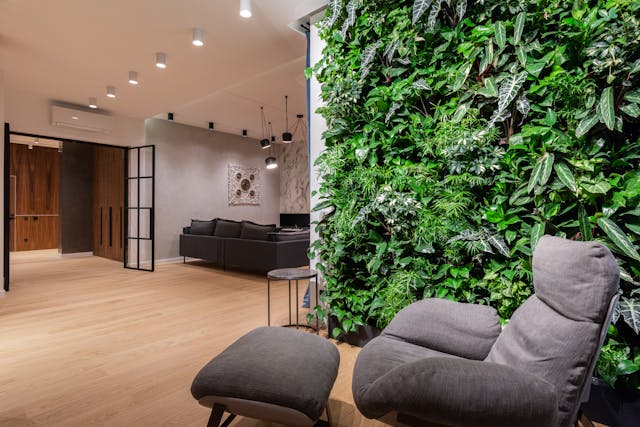
Not everyone has the luxury of a spacious backyard to cultivate their dream garden—but that doesn’t mean you have to give up on greenery. In modern homes, where every square inch counts, vertical gardens are a clever and beautiful way to grow plants without the need for vast open ground. Instead of letting walls, balconies, or railings sit bare, you can transform them into thriving green tapestries that refresh your space and your spirit.
Imagine stepping out each morning and being greeted by cascading leaves or vibrant blooms right on your balcony wall—that’s the magic of vertical gardening. Whether you’re in a compact apartment in Mumbai, a cozy house in Pune, or a terrace home in Varanasi, growing up is often the answer when growing out isn’t an option.
In this guide, we’ll walk you through **planting a vertical garden in a way that’s easy to follow, practical, and tailored to Indian weather patterns and seasonal rhythms 🌞🌧️. No jargon, no confusion—just clear steps to help you create a lush green wall of your own. Let’s get growing! 🌿
🌿 What Exactly Is a Vertical Garden?
A vertical garden is exactly what the name suggests—but the experience is far richer than the definition. Instead of spreading plants across the ground, you allow them to rise upward, using walls, frames, racks, or hanging systems as their support. It’s gardening that thinks vertically, not horizontally—perfect for modern homes where space is limited but the desire for greenery is not.
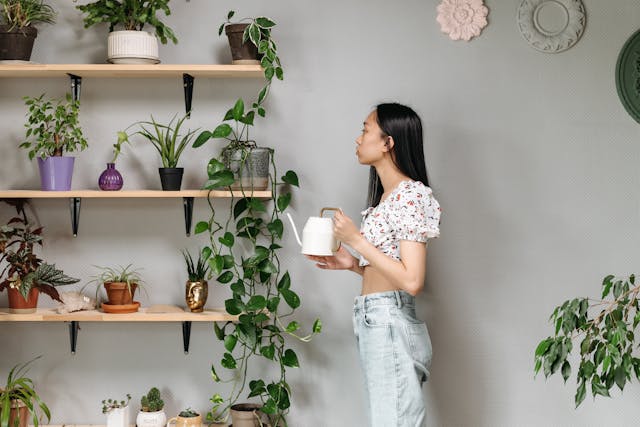
🌼 How Vertical Gardens Can Be Used
Vertical gardens aren’t limited to one purpose or style. They naturally adapt to your needs:
🎨 Decorative
Filled with flowering plants or lush foliage, these green walls soften hard surfaces and bring calm to concrete-heavy spaces.
🌿 Functional
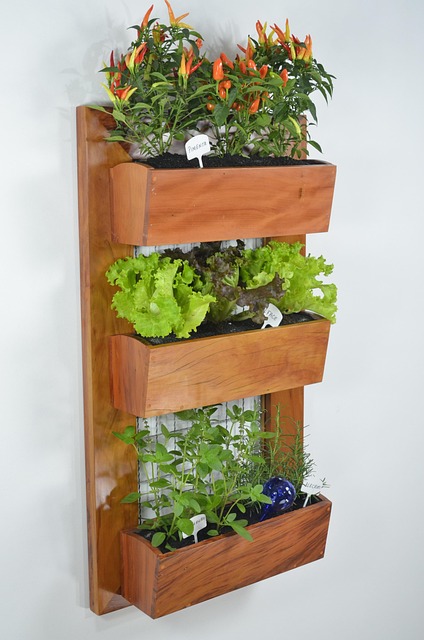
Ideal for herbs, leafy greens, and compact vegetables—fresh harvests grown right outside your kitchen or balcony door.
🏠 Indoor or Outdoor
From sunny balconies and terraces to bright indoor walls near windows, vertical gardens work wherever light and airflow allow.
🔧 DIY or Structured
They can be as simple as reused bottles and hanging pots, or as refined as professionally installed green wall systems.
From stacked shelves and hanging planters to recycled bottle gardens and modular wall frames, vertical gardening bends to your creativity—not the other way around. If you can imagine it, you can likely grow it upward.
🌱 Why Vertical Gardening Is Truly Worth Your Time
Vertical gardening isn’t just a design trend you see on social media—it’s a smart, grounding, and deeply satisfying way to live with plants, especially in homes where space is limited. When done right, it doesn’t just change how your home looks; it changes how it feels.

Here’s why vertical gardens quietly become a favorite part of everyday life:
🌿 It Gives You Space Without Asking for Space
When floor area is scarce, vertical gardens step in gracefully. Balconies, terrace walls, railings, narrow passages, and even unused corners suddenly become productive green zones—without cluttering your living area.
🍃 It Helps Your Home Breathe Better
Plants naturally filter dust and improve air quality. A vertical garden places greenery closer to where you live, sit, and breathe—making your surroundings feel fresher, especially in dense urban settings.
🌞 It Softens Harsh Heat
Bare walls absorb and radiate heat. Green walls do the opposite. Leaves act like natural insulation, helping cool the area around them—something every Indian home quietly appreciates during long summers.
🌼 It Calms the Mind
Watering, trimming, watching new leaves appear—these small routines slow you down. Vertical gardening offers a daily moment of calm, reducing stress and gently lifting your mood without effort.
🎨 It Transforms Dead Walls Instantly
A blank wall can feel lifeless. Add plants, and it becomes a living canvas—changing with seasons, light, and growth. Even a modest vertical setup makes a space feel intentional and alive.
Vertical gardens don’t demand perfection. They reward consistency, care, and patience—and give back beauty every single day.
🏠 Choosing the Right Location (This Decides Everything)
Before buying pots or planting a single sapling, pause here. Location is the backbone of a successful vertical garden. You can have the best plants and perfect soil—but if the placement is wrong, the garden will struggle quietly.
Let’s break it down in a practical, real-home way.
🌞 Outdoor Vertical Gardens: Let the Sun Do Its Job
Outdoor setups are the easiest to maintain because nature handles half the work for you.
Best outdoor spots include:
- Balcony walls
- Terrace boundaries
- Compound or boundary walls
- Fence panels and grills
These areas usually receive good airflow and natural light, which keeps plants healthier and pests under control.
Sunlight matters more than size.
Most vertical garden plants need 4–6 hours of direct or filtered sunlight daily. East-facing walls enjoy gentle morning sun, while west-facing walls receive stronger afternoon light—both work well when plant selection is done wisely.
If a wall feels hot to the touch by noon, choose sun-tolerant plants.
If it stays cool and bright, leafy greens and climbers will thrive.
🪟 Indoor Vertical Gardens: Light Is the Limiting Factor
Indoor vertical gardens are more about observation than effort. The biggest mistake people make is choosing a beautiful wall that receives no light.
Ideal indoor locations:
- Living room walls near windows
- Staircase walls with skylight exposure
- Kitchen corners that get morning light
Low light doesn’t mean no light.
Select shade-loving or low-light plants, and place them as close to natural light as possible. If sunlight is weak or inconsistent, grow lights are not optional—they’re essential 💡.
A simple rule:
If you can comfortably read a book near the wall during the day, plants can survive there too.
Choosing the right location saves you from disappointment later. When plants are placed where they naturally feel comfortable, maintenance drops—and enjoyment rises.

🧱 Types of Vertical Garden Structures (Choose What Truly Fits Your Space)
You don’t need expensive kits or fancy installations to begin a vertical garden. The best structure is the one that suits your space, budget, and daily routine. Many successful vertical gardens start simple—and grow better because of it.
Here are some beginner-friendly, tried-and-tested options, each with its own personality:
🌿 Hanging Pots – Simple, Light, and Forgiving
Hanging pots are often the first step into vertical gardening—and for good reason. They’re easy to install, easy to move, and perfect for herbs and trailing plants. You can adjust their height, change positions with seasons, and replace plants without disturbing the whole setup.
Best for: beginners, renters, and balconies with railings.
🪴 Wall-Mounted Planters – Neat and Purpose-Built
These are ready-made vertical frames with individual pockets or pots designed to sit flush against walls. They look clean, organized, and are ideal when you want a “green wall” effect without too much DIY effort.
Best for: permanent walls and people who prefer structured layouts.
♻️ Bottle Vertical Gardens (DIY) – Creative and Eco-Smart
Reused plastic bottles arranged vertically are a budget-friendly and environmentally conscious choice. They work especially well for leafy greens and small herbs. Plus, there’s something deeply satisfying about turning waste into a living garden.
Best for: DIY lovers, students, and eco-conscious gardeners.
🧺 Wooden or Metal Racks – Strong and Flexible
Racks allow you to grow multiple plants vertically while keeping each pot independent. They’re excellent for balconies and terraces where walls can’t be drilled or when you want easy rearrangement.
Best for: rented homes and mixed plant collections.
🧵 Fabric Grow Pockets – Light, Breathable, and Practical
Made from breathable fabric, these grow pockets prevent waterlogging and are incredibly easy to install. They’re lightweight, affordable, and ideal for herbs and shallow-root plants.
Best for: sunny walls and gardeners who prefer low-maintenance setups.
There’s no “best” vertical structure—only what works best for you. Start small, observe how your plants respond, and let your setup evolve naturally.
🌼 Best Plants for Vertical Gardening (Easy, Hardy & Reliable)
A vertical garden succeeds or fails based on plant compatibility, not decoration. Because roots grow in shallow containers and water drains faster, plants must be adaptable, forgiving, and comfortable living slightly “contained.” Luckily, many plants actually prefer this kind of life.
🌱 Foliage Plants – The Quiet Strength of Vertical Gardens
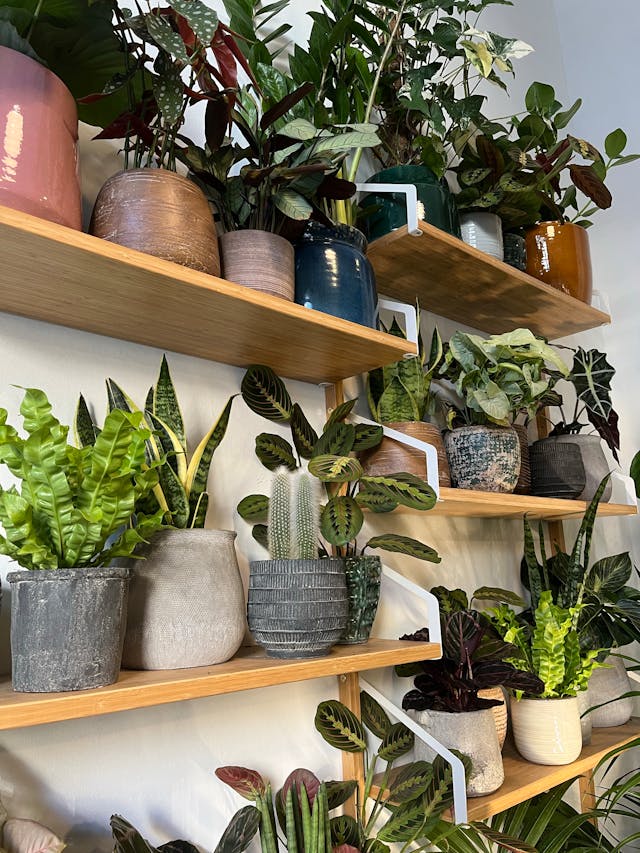
Foliage plants form the structure, fullness, and long-term stability of vertical walls. They don’t depend on flowers to look good, and they tolerate trimming, shifting light, and occasional care mistakes.
Along with popular choices like money plant (pothos), philodendron, and syngonium, you can confidently include:
- Heartleaf philodendron
- Golden pothos
- Marble queen pothos
- Neon pothos
- Satin pothos (Scindapsus)
- Monstera adansonii (small-leaf type)
- Rubber plant (dwarf varieties)
- Peace lily
- Dracaena compacta
- Dracaena lemon lime
- Lucky bamboo
- Chinese evergreen (Aglaonema varieties)
- Prayer plant (Maranta)
- Calathea (compact varieties)
- Dieffenbachia (small cultivars)
- Aluminum plant
- Creeping fig (Ficus pumila)
- Baby rubber plant
- Inch plant
- Purple heart plant
For texture and softness, Boston fern, maidenhair fern, asparagus fern, and bird’s nest fern work well when humidity is reasonable. In low-light or low-maintenance zones, ZZ plant, dwarf snake plant, and cast iron plant remain calm and resilient even with minimal attention.
These plants grow steadily, adapt well to vertical spacing, and recover quickly after pruning—making them ideal companions for beginners and busy households.
Best suited for:
Indoor green walls, shaded balconies, staircases, corridors, and low-light vertical setups where flowering plants struggle to perform.
Choosing the right foliage mix ensures your vertical garden doesn’t just look good on day one—but stays balanced and alive for years.
🌸 Flowering Plants – More Color Without Extra Trouble
Vertical gardens look their happiest when flowers appear in waves rather than all at once. The key is choosing compact, fast-recovering bloomers that don’t demand deep soil or constant feeding. Many flowering plants are naturally suited for hanging and vertical positions because they grow outward instead of downward.
Along with petunia, vinca (sadabahar), portulaca, begonia, impatiens, geranium, verbena, alyssum, torenia, and dianthus, you can confidently add these additional flowering plants to your vertical setup:
- Phlox (annual varieties)
- Pansy
- Viola
- Sweet pea (dwarf types)
- Nasturtium
- Gazania
- Lobelia
- Nemesia
- Balsam (Gulmehendi)
- Coreopsis (compact varieties)
- Zinnia (dwarf types)
- Cosmos (short varieties)
- Salvia (ornamental, compact forms)
- Osteospermum (African daisy)
- Blue pea (butterfly pea – climber use)
- Tithonia (dwarf varieties)
These plants perform well in sunny vertical frames, balcony racks, and terrace walls, especially when watered consistently and deadheaded lightly. Mixing fast bloomers with slower, long-lasting flowers ensures your vertical garden always has something in color.
Best suited for:
Outdoor vertical gardens with good sunlight, pollinator-friendly balconies, terrace frames, and seasonal flower walls.
🌿 Trailing & Hanging Plants – Flow, Softness, and Natural Movement
Trailing plants are the elements that make a vertical garden feel effortless and alive. They fall, spill, and weave naturally, breaking rigid lines and adding depth to flat surfaces. When chosen carefully, they create a layered effect that no structured planter can achieve on its own.
Here is a list of trailing and hanging plants that work beautifully in vertical gardens:
- Hoya (wax plant varieties)
- Lipstick plant (Aeschynanthus)
- Golden turtle vine
- Trailing philodendron (micans, brasil types)
- Peperomia rotundifolia (trailing jade)
- Burro’s tail (Sedum morganianum)
- String of bananas
- String of pearls
- Rhipsalis (jungle cactus)
- Tradescantia pallida (purple heart trailing form)
- Scindapsus pictus (satin pothos – trailing use)
- Trailing jade (Senecio jacobsenii)
- Black-eyed Susan vine (Thunbergia – climber use)
- Twin flower vine
These plants thrive when allowed to hang freely, receiving bright indirect light or gentle sun, with well-draining soil and occasional trimming to keep growth balanced.
Best suited for:
Upper rows of vertical frames, hanging pockets, balcony edges, railing planters, and edge containers where plants can cascade naturally.
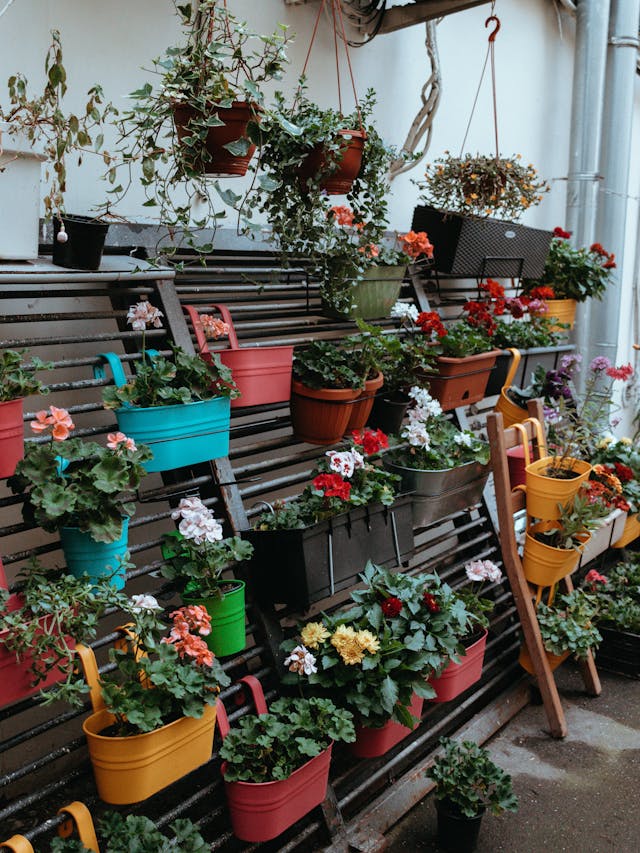
🌱 Herbs for Vertical Gardens – Edible, Aromatic, and Always Useful
Herbs are one of the most rewarding choices for vertical gardens. They grow well in shallow containers, respond quickly to pruning, and give back almost immediately—fresh aroma, fresh flavor, and the quiet joy of harvesting something you nurtured yourself. When placed near kitchens or balconies, they naturally become part of daily life rather than “just plants.”
Along with reliable choices like mint, coriander (cilantro), basil (tulsi / sweet basil), oregano, thyme, and parsley, you can confidently grow many more herbs vertically without overcrowding:
- Lemongrass (dwarf or single clump use)
- Rosemary (compact varieties)
- Sage
- Dill
- Chives
- Curry leaf plant (young, slow-growing form)
- Vietnamese coriander
- Ajwain leaf (Indian borage)
- Fennel greens (for leaves, not bulbs)
- Stevia
- Lemon balm
- Marjoram
- Summer savory
Herbs love regular trimming, which actually keeps them healthier and bushier. Vertical placement improves airflow, reduces soil splash during watering, and keeps leaves cleaner—perfect for edible plants.
Best suited for:
Kitchen-adjacent walls, balcony railings, window-side vertical frames, and sunny spots that receive at least 4–5 hours of light.
🥬 Compact Vegetables & Greens – Grow What You Actually Eat
Vertical gardening isn’t only about looks. With the right crops, it becomes quietly productive, giving you fresh, chemical-free greens from spaces that would otherwise stay unused. The key is choosing vegetables that grow fast, stay compact, and don’t demand deep soil.
Vegetables like lettuce and spinach (palak) thrive in shallow containers and can be harvested multiple times if you pick outer leaves gently. Fenugreek (methi) grows quickly and fits beautifully into small vertical pockets, especially during cooler months. For fruiting plants, bush-type cherry tomatoes perform far better than tall climbers in vertical systems, offering good yield without excessive weight.
To expand your edible vertical garden, you can also grow:
- Amaranth (leafy varieties)
- Swiss chard (compact types)
- Mustard greens
- Rocket leaves (arugula)
- Kale (dwarf varieties)
- Pak choi
- Tatsoi
- Beet greens
- Radish greens (for leaves)
- Spring onions
- Garlic greens
- Baby carrot tops (leaf harvest)
- Microgreens (sunflower, pea shoots, wheatgrass)
These greens prefer consistent moisture, light feeding, and good sunlight, making drip irrigation or gentle hand watering ideal for vertical setups.
Best suited for:
Sunny terraces, balcony walls with good light, drip-irrigated vertical frames, and productive kitchen gardens where space is limited but sunlight is generous.
📊 Best Time & Conditions to Grow a Vertical Garden
| Growing Factor | What Works Best |
|---|---|
| Temperature | 18–35°C, comfortable for most foliage, herbs, and greens |
| Sunlight | 4–6 hours daily; morning sun preferred over harsh afternoon sun |
| Soil Type | Loose, airy, and fast-draining growing mix |
| Watering Style | Light but regular; avoid soaking the soil |
| Space Used | Balcony walls, terrace frames, railings, compound walls |
Vertical gardens respond well throughout the year when watering and drainage are balanced. Because containers dry and drain faster than ground beds, small adjustments in care make a big difference—helping plants grow steadily rather than struggle seasonally.
🪴 Preparing the Right Soil Mix (Where Everything Begins)
In vertical gardening, soil matters more than pots or plants. Because roots are confined to small pockets and containers, the soil has to do three jobs at once—hold nutrients, allow airflow, and drain excess water quickly. A heavy or sticky mix is the fastest way to lose plants in a vertical setup.
🌱 Ideal Soil Mix for Vertical Gardens
A balanced mix keeps roots comfortable and active:
- 40% garden soil – provides structure and mineral base
- 30% compost or vermicompost – supplies slow, steady nutrition
- 20% cocopeat – improves moisture retention without waterlogging
- 10% sand or perlite – ensures quick drainage and root aeration
This combination creates a soil that feels light in the hand but stable in the pot—exactly what vertical plants need.
🌿 Why This Mix Works So Well
This soil blend naturally supports:
- ✔️ Smooth water drainage, especially during monsoon
- ✔️ Proper air circulation around roots
- ✔️ Strong, fibrous root development instead of rot-prone roots
A simple test: after watering, the soil should feel moist—not soggy—and excess water should drain out within seconds. If that happens, your vertical garden already has a strong start.
Once soil is right, plants forgive small mistakes. When soil is wrong, even perfect care struggles to save them.
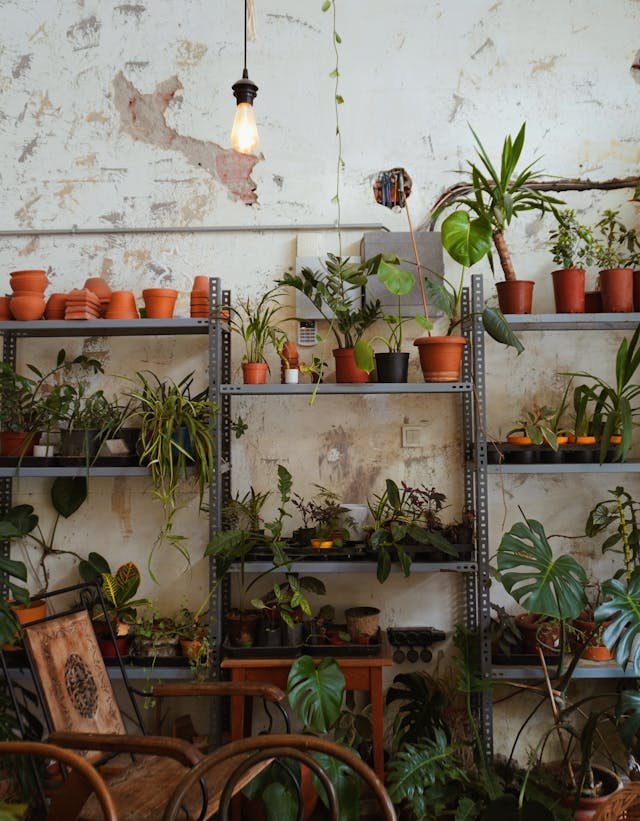
🛠️ Step-by-Step: How to Plant a Vertical Garden (Simple, Safe, and Stress-Free)
Planting a vertical garden isn’t about speed—it’s about balance and patience. When each step is done calmly, plants settle faster and require far less correction later. Here’s a clear, beginner-friendly way to get it right the first time.
Step 1: Fix the Structure Securely
Before touching soil or plants, make sure your vertical frame, rack, or hanging system is firmly fixed. Walls, railings, and hooks should be strong enough to handle not just plant weight, but wet soil after watering. A loose structure becomes risky over time.
Step 2: Check Drainage Without Compromise
Drainage is non-negotiable. Every pot, pocket, or bottle must have at least one drainage hole. Standing water suffocates roots and invites rot—especially in vertical setups where excess moisture collects quickly.
Step 3: Fill Soil Gently, Not Tightly
Add the soil mix loosely. Avoid pressing it down hard. Roots need air as much as they need water, and compacted soil blocks both. The soil should settle naturally after watering.
Step 4: Plant With a Light Hand
Remove the plant carefully, loosen tightly bound roots if needed, and place it into the container. Cover the roots with soil and press just enough to keep the plant upright, nothing more.
Step 5: Water Slowly and Evenly
Use a spray bottle or a watering can with a fine nozzle 💧. Slow watering helps soil absorb moisture evenly and prevents soil from washing out of vertical pockets.
After planting, give your vertical garden a few quiet days. Avoid fertilizing immediately. Let plants adjust, anchor their roots, and breathe into their new vertical home.
🚿 Watering a Vertical Garden (The Right Way, Without Guesswork)
Watering is where most vertical gardens succeed—or quietly fail. Because plants are growing in small containers and elevated pockets, they dry out much faster than ground beds. At the same time, excess water drains quickly, which means both underwatering and overwatering can happen easily if you’re not observant.
🌿 Smart Watering Practices That Actually Work
Watering in the morning gives plants time to absorb moisture before heat builds up. It also reduces fungal problems that often appear when plants stay wet overnight.
Always avoid waterlogging. If water collects at the base of pots or pockets, roots begin to suffocate. Good drainage matters more than frequent watering.
Before watering, do a simple finger test. Insert your finger into the soil up to the first knuckle. If it feels dry, water gently. If it’s still moist, wait a day.
If your setup is large or exposed to strong sun, drip irrigation becomes a quiet lifesaver. It delivers water slowly and evenly, reducing waste and plant stress.
💡 Important observation:
Plants placed at the top rows dry out faster because they receive direct sun and lose moisture first. Always check them before assuming the entire vertical garden needs water.
With time, watering becomes instinctive. You’ll notice leaf texture, soil color, and plant posture—and your vertical garden will start responding before problems even appear.
🐛 Vertical Garden Problems & Practical Solutions (Expanded, Practical Chart)
| Problem | Why It Happens | Easy & Practical Solution |
|---|---|---|
| Yellow leaves | Overwatering, poor drainage | Reduce watering; ensure free drainage |
| Wilting plants | Underwatering, heat stress | Water gradually; add light shade in summer |
| Root rot | Waterlogged soil | Improve drainage holes; use lighter soil mix |
| Pests (aphids, mites) | Poor airflow, stressed plants | Neem oil spray weekly; improve spacing |
| Uneven growth | Unequal sunlight | Rotate plants every 10–15 days |
| Dry soil at top | Heat and wind exposure | Check top rows first; water them separately |
| Mold or fungus | Excess moisture, low airflow | Reduce watering; increase ventilation |
| Leaves dropping | Sudden climate change or shock | Shift plants gradually; avoid sudden moves |
| Stunted growth | Nutrient deficiency | Feed lightly with compost tea every 2–3 weeks |
| Burnt leaf edges | Harsh afternoon sun | Use shade net or relocate sensitive plants |
| Soil washing out | Fast or heavy watering | Water slowly; use fine-nozzle or drip system |
| Weak plant anchoring | Loose planting | Firm soil gently around roots after planting |
| Algae on soil surface | Constant moisture | Allow soil top to dry slightly between watering |
| Plants leaning forward | Weight imbalance | Rebalance pots; support with ties if needed |
| Foul smell from pots | Anaerobic soil conditions | Improve drainage; remove soggy soil |
🌞 Seasonal Care Tips (Because Vertical Gardens Feel Seasons Faster)
Vertical gardens respond to seasonal changes more quickly than ground gardens. Their containers heat up faster, cool down quicker, and react immediately to changes in rain and light. Adjusting care with the seasons keeps plants comfortable and prevents sudden stress.
☀️ Summer Care
During summer, heat and wind pull moisture out of soil rapidly. Water more frequently, but always in small amounts to avoid runoff. If leaves show signs of burn or wilting by afternoon, shade nets or temporary cloth screens can make a big difference. Early morning sunlight is ideal; harsh afternoon sun should be softened whenever possible.
🌧️ Monsoon Care
Monsoon brings relief—but also risk. Protect your vertical garden from direct, heavy rainfall, especially plants placed on open walls and terraces. Continuous rain can wash away nutrients and suffocate roots. Make sure drainage holes stay clear, and tilt containers slightly if needed so water never sits inside.
❄️ Winter Care
As temperatures drop, plants slow down naturally. Reduce watering, allowing soil to dry slightly between sessions. Move cold-sensitive plants to brighter, sunnier spots, especially those growing indoors or in shaded balconies. Avoid heavy feeding during this time—plants prefer rest over growth in winter.
When seasonal care is adjusted gently, vertical gardens stay balanced year-round—growing when conditions are right and resting when they need to.
🌍 Vertical Gardening for Sustainable Living (Small Spaces, Big Impact)
Vertical gardens do much more than decorate walls—they quietly support a more sustainable way of living, especially in crowded urban environments. When space is limited, growing upward becomes not just practical, but purposeful.
By reusing bottles, containers, and everyday materials, vertical gardening reduces waste and gives discarded items a second life. Each reused planter is one less piece of plastic heading toward landfills.
Growing your own herbs and leafy greens cuts down on packaged produce, transport emissions, and unnecessary chemicals. Even a few homegrown leaves mean fewer market trips and fresher food on your plate.
Vertical gardens also help reduce the urban carbon footprint. Plants cool surrounding areas, improve air quality, and soften heat-trapping concrete surfaces—small actions that collectively make cities more breathable.
Most importantly, flowering and edible vertical gardens support pollinators 🦋. Butterflies, bees, and beneficial insects find food and shelter in spaces that were once lifeless walls.
Every vertical garden—no matter how small—is a quiet promise to the planet. One wall at a time, it turns daily living into a greener habit rather than a grand gesture.
💬 A Message Written on Green Walls
A vertical garden is never just about plants climbing a wall. It’s a quiet reminder that growth doesn’t demand more land—it asks for imagination, patience, and care. When space feels tight and choices feel limited, nature gently shows us another direction: upward.
Green walls teach resilience. They adapt, they rise, and they find light where none seemed possible. In that way, vertical gardens mirror life itself—thriving not because conditions are perfect, but because care is consistent.
🌱 Grow upward. Care gently.
And let your walls tell living stories—of hope, balance, and the simple joy of nurturing something green where none existed before.

