
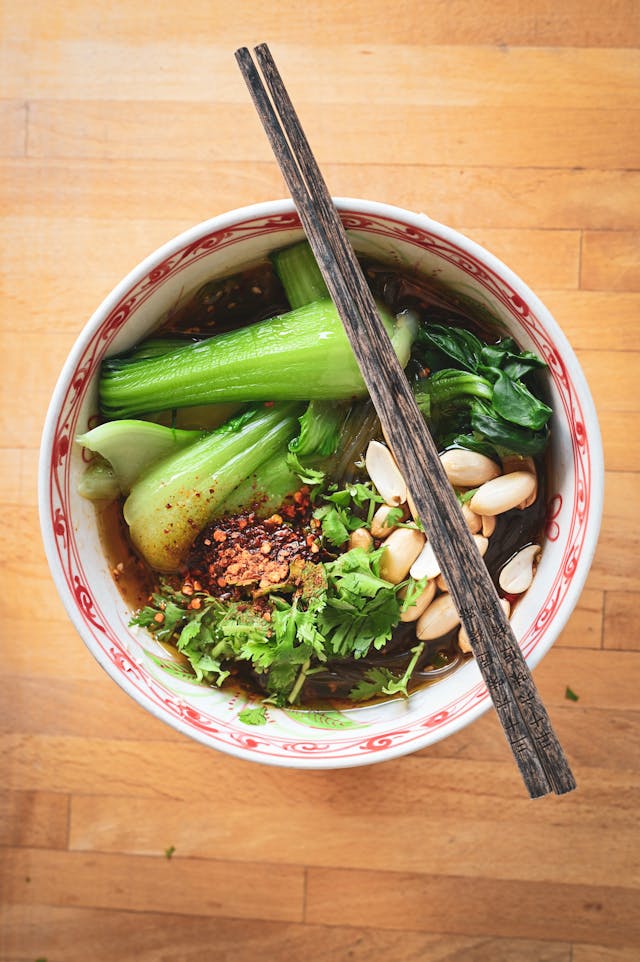
When everyday meals start feeling repetitive, it’s rarely because the garden is empty. Tomatoes keep ripening, okra keeps growing, spinach keeps returning—and while these vegetables are dependable, the excitement on the plate slowly fades. At that moment, what most kitchens crave isn’t more quantity, but a change in character and flavor.
Oriental vegetables step in quietly but confidently. They bring fresh textures, gentle sweetness, and quick-growing energy straight from soil to stove. Many of these Asian vegetables thrive in Indian conditions, adapt easily to containers or small garden spaces, and mature faster than many traditional crops. What’s surprising is how effortlessly they fit into home gardening—no special setup, no complicated care.
More than anything, these vegetables change the way cooking feels. A handful of crisp greens can lift a simple stir-fry, add depth to soups, or turn an ordinary salad into something memorable. Growing Oriental vegetables isn’t about abandoning familiar crops—it’s about bringing curiosity back into gardening and excitement back into everyday meals.
Sowing something new doesn’t just refresh your harvest. It refreshes your connection with food, the garden, and the simple joy of experimenting again. 🌱🍜
🌏 What Are Oriental Vegetables?
Oriental vegetables are not a single category but a vibrant collection of leafy greens, tender fruits, crunchy roots, and nourishing legumes that have been part of everyday cooking across East, Southeast, and Central Asia for generations. Each one brings its own personality to the plate—some are mild and comforting, others slightly sweet, gently peppery, rich with umami, or even pleasantly bitter in a way that makes meals feel more alive.
What makes these vegetables especially appealing to home gardeners is their easy-going nature. Unlike many long-season crops that demand space, time, and patience, most Oriental vegetables grow quickly and stay compact. They are often harvested young, when their texture is tender and flavors are at their peak, making them perfect for balconies, small garden beds, and container gardening.
Another quiet advantage is how naturally they fit into Indian growing conditions. Warm to mild temperatures, regular watering, and basic soil care are usually enough to keep them thriving. For gardeners, this means faster harvests, less waiting, and more chances to enjoy fresh produce straight from the garden.
In essence, Oriental vegetables don’t add complexity to gardening—they add variety, speed, and excitement, all with minimal effort. 🌿
🌿 Why Grow Oriental Vegetables in Your Garden?
🌱 Break the Monotony in Everyday Meals
Cooking the same vegetables week after week slowly drains excitement from the kitchen. Oriental vegetables refresh meals naturally by adding new textures and subtle flavor contrasts—crisp, tender, mildly sweet, or gently peppery—without demanding unfamiliar cooking techniques. They blend easily into everyday home cooking while still feeling new and interesting.
⏳ Short Growing Cycle, Faster Satisfaction
Many Oriental vegetables, especially leafy Asian greens, mature within 25–40 days. This quick turnaround keeps gardening rewarding and allows multiple sowing cycles in a single season. For home growers, it means less waiting and more frequent harvests, even from small growing spaces.
🌡️ Comfortable in Warm, Balanced Conditions
🌱 Adaptable and Low-Stress Plants
These vegetables perform best in warm days, regular but moderate watering, and light, well-draining soil. Because they adapt easily to these conditions, they demand less intervention and recover quickly from minor stress, making them suitable even for beginners.
🪴 Perfect for Small and Urban Spaces
🏙️ Container- and Balcony-Friendly Growth
Oriental vegetables do not require large garden beds. Balconies, terraces, grow bags, raised beds, and wide containers are more than enough. Their compact growth habit allows gardeners to grow variety without overcrowding.
🥗 High Nutrition with Everyday Ease
💚 Built for Modern, Health-Focused Diets
Naturally rich in fiber, antioxidants, and essential vitamins like A, C, and K, Oriental vegetables support daily nutrition without feeling heavy or restrictive. They fit effortlessly into regular meals while quietly improving overall food quality.
These qualities make Oriental vegetables a simple way to grow more, cook creatively, and enjoy gardening with fewer limitations. 🌿
🥬 15 Oriental Vegetables You Can Easily Grow at Home
🌱 Leafy Greens (Fast & Beginner-Friendly)
🌿 1. Bok Choy (Pak Choi)
🌱 Why It’s Perfect for Beginners
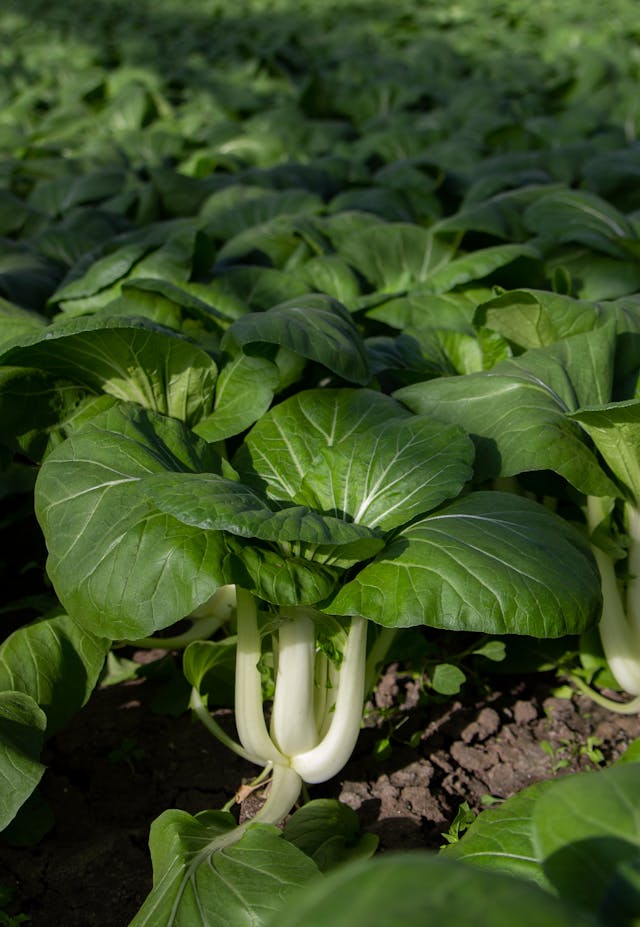
Bok choy is often the first Oriental vegetable gardeners fall in love with—and for good reason. It grows quickly, looks elegant in pots or beds, and asks for very little attention. Even first-time growers find success with it, which builds confidence early in the gardening journey.
🌿 Growth Habit
This plant stays compact, forming neat clusters of crunchy white stalks topped with deep green, spoon-shaped leaves. Its tidy shape makes it ideal for containers, grow bags, and closely spaced beds.
⏳ Time to Harvest
Most bok choy varieties are ready within 30–40 days, and baby harvests can begin even earlier if you prefer softer textures.
❤️ Why Gardeners Love It
Instead of pulling out the whole plant, you can harvest just the outer leaves and allow the center to continue growing. This cut-and-come-again habit means longer harvest windows from a single sowing.
👅 Taste Profile
Bok choy has a mild, slightly sweet flavor with no bitterness, making it friendly even for those new to Asian greens. It absorbs spices and seasonings beautifully without overpowering other ingredients.
🍳 Kitchen Uses
It fits effortlessly into everyday cooking—quick stir-fries, light soups, noodle bowls, or simply sautéed with garlic and a pinch of cumin. Its stalks stay crisp while the leaves soften gently.
🌱 Growing Tip
Harvest bok choy while it’s young for the most tender stalks and delicate flavor. Younger plants are also less likely to bolt, keeping textures pleasant.
🌿 2. Chinese Cabbage (Napa Cabbage)
🌱 A Familiar Vegetable with a Softer Personality
Chinese cabbage feels instantly recognizable, yet pleasantly different—like a gentler, sweeter relative of the regular cabbage we already know. Its leaves are lighter, more tender, and far less aggressive in flavor, which makes it easy to enjoy even for those who usually avoid cabbage-heavy dishes.
🌿 Growth Habit
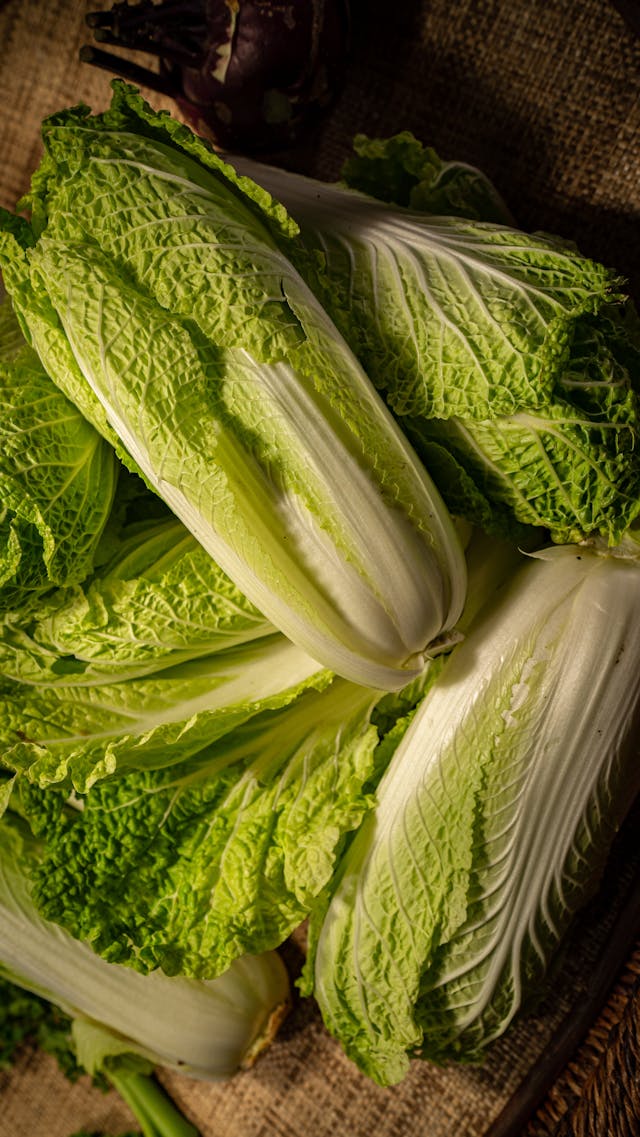
This plant forms a tall, loosely packed leafy head with pale green, crinkled leaves. It grows upright rather than spreading wide, making it surprisingly space-efficient for beds and containers alike.
⏳ Time to Harvest
Chinese cabbage takes a little more patience than quick Asian greens, usually reaching harvest size in 50–70 days. The wait is worth it—the heads feel substantial and rewarding when ready.
❤️ Why Grow It at Home
Unlike stronger cabbages, this one is less pungent and quicker to cook, which means it suits lighter meals and everyday cooking. Home-grown heads are especially tender and noticeably juicier than store-bought ones.
👅 Taste Profile
Its flavor is mild, fresh, and slightly sweet, with a juicy crunch when raw and a soft, comforting texture when cooked. It doesn’t overpower spices, making it versatile across cuisines.
🍽️ Kitchen Uses
Chinese cabbage works beautifully in salads, quick stir-fries, stuffed rolls, and light sabzi-style dishes. It wilts gently rather than turning mushy, which keeps dishes balanced and pleasant.
🌞 Growing Insight
This vegetable prefers gentler conditions—sowing it when temperatures are mild helps prevent early flowering (bolting) and keeps the leaves tender and well-formed.
🌿 3. Mizuna
🌱 A Delicate Look with a Strong Spirit
Mizuna may look like a designer salad green, but don’t let its fine appearance fool you. Beneath those elegant leaves is a surprisingly tough and adaptable plant that handles regular harvesting without complaint. It’s the kind of green that rewards even slightly forgetful gardeners.
🌿 Growth Habit
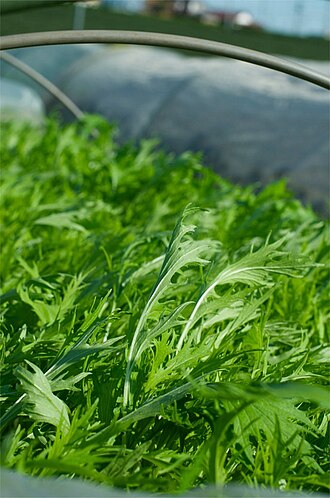
Mizuna grows as a loose cluster of feather-like, deeply cut leaves that look almost ornamental. Its airy structure keeps plants light and manageable, making them easy to fit into mixed beds or containers.
⏳ Time to Harvest
One of its biggest advantages is speed. Mizuna is usually ready in just 25–30 days, and baby leaves can be harvested even earlier for salads.
❤️ Why It’s Special
This is a true cut-and-come-again vegetable. After each harvest, it pushes out fresh growth, allowing multiple pickings from a single sowing. That makes it highly productive despite its delicate size.
👅 Taste Profile
Mizuna offers a gentle peppery flavor—noticeable but never harsh. It’s softer than mustard greens, which makes it ideal for people who enjoy mild spice without bitterness.
🍽️ Kitchen Uses
Its tender leaves shine in fresh salads, roll beautifully into chapati wraps, and wilt quickly in fast sautés. It pairs especially well with garlic, sesame, and light seasoning.
🌱 Growing Bonus
Mizuna adapts well to pots and areas with partial shade, making it a reliable choice for balconies and spaces that don’t receive full sunlight all day.
🌿 4. Tatsoi
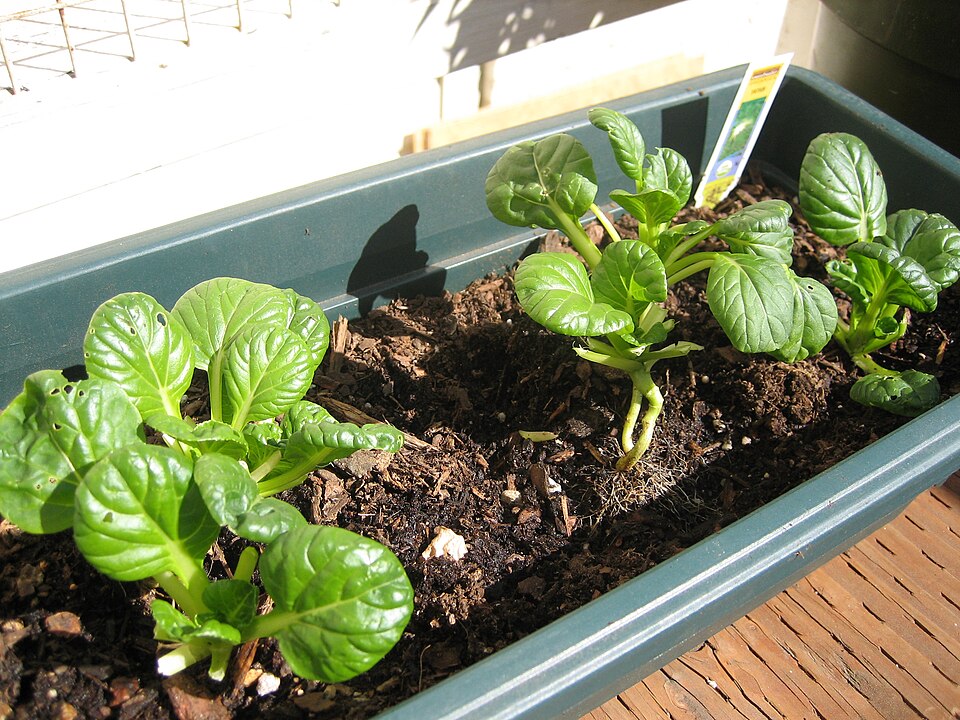
🌱 Edible Beauty with Quiet Strength
Tatsoi is one of those rare plants that looks intentionally designed. It forms a neat, flat rosette that sits close to the soil, making it as attractive as it is useful. Many gardeners grow it once for the look—and keep growing it for the reliability.
🌿 Growth Habit
This is a low-growing plant with smooth, spoon-shaped, deep green leaves that spread outward in a circular pattern. Its compact form keeps it tidy in beds and makes it especially suitable for containers and shallow planters.
⏳ Time to Harvest
Tatsoi reaches harvest size in 30–40 days, with baby leaves ready even earlier if you prefer softer textures.
❤️ Why Gardeners Love It
Compared to many leafy greens, tatsoi is more tolerant of temperature swings, handling warmth and lighter cold with better stability. This resilience makes it a dependable choice when other greens struggle.
👅 Taste Profile
The flavor is mild with a gentle mustard note—noticeable but not sharp. It adds depth to dishes without overpowering other ingredients.
🍽️ Kitchen Uses
Tatsoi works beautifully in soups, quick stir-fries, and as a finishing green over dal. Its leaves soften quickly while retaining a pleasant body.
🌿 Growing Tip
Harvest leaves one by one from the outer edge instead of pulling the whole plant. This encourages continuous growth and extends your harvest period.
🌿 5. Asian Mustard Greens
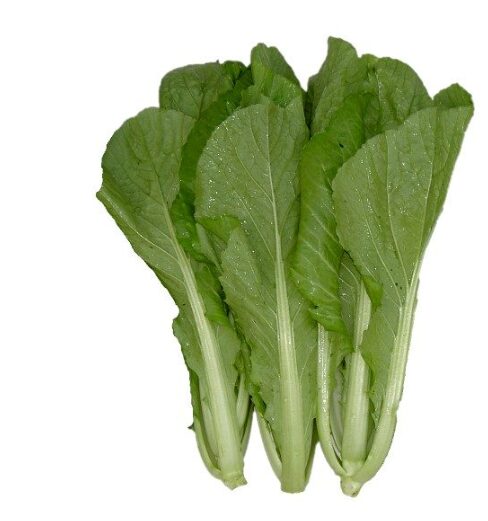
🌱 Not Your Everyday Mustard
Asian mustard greens may share a name with familiar mustard varieties, but they behave very differently in the garden and kitchen. They are more tender, quicker to mature, and far less coarse, making them easier to grow and more versatile to cook with.
🌿 Growth Habit
These plants grow as upright clusters of leafy greens, developing strong stems and broad leaves that are easy to harvest cleanly. Their structured growth keeps them neat and manageable even when grown close together.
⏳ Time to Harvest
Most varieties are ready within 30–45 days, offering a satisfying balance between fast-growing greens and fuller leaf development.
❤️ Why Grow Them
If you enjoy vegetables with personality, Asian mustard greens deliver. They are ideal for gardeners who appreciate bold flavors and want something that stands out rather than blending quietly into a dish.
👅 Taste Profile
When eaten raw, the leaves are sharp and spicy, delivering a strong mustard kick. Once cooked, that intensity softens into a warm, mellow flavor that pairs beautifully with spices and lentils.
🍽️ Kitchen Uses
They shine in stir-fries, combine well with potatoes, and add depth to lentil-based dishes where their flavor balances richness and starch.
🔥 Heat-Friendly Growing Insight
Regular harvesting keeps the leaves tender and helps control excessive pungency. Younger leaves stay milder, while older ones develop stronger flavor—giving you control over taste through timing.
🌿 Herbs & Aromatics
🌿 6. Asian Coriander (Vietnamese Coriander)
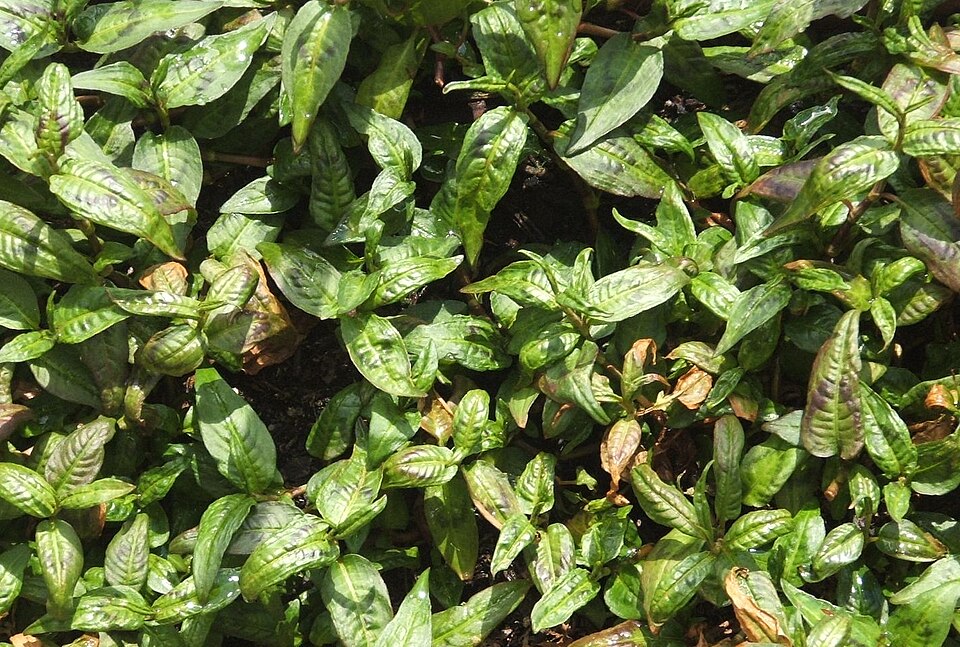
🌱 A Coriander That Refuses to Be Ordinary
Asian coriander, often called Vietnamese coriander, looks familiar at first glance—but one crush of the leaf reveals its difference. This is not a delicate, short-lived herb. It behaves more like a perennial companion plant, staying productive once it settles in.
🌿 Growth Habit
It grows as a low, creeping plant with narrow, pointed leaves that spread outward rather than upward. This habit makes it lush and productive, but also means it needs a bit of boundary control.
⏳ Time to Harvest
Once established, harvesting becomes continuous. You can keep snipping fresh leaves regularly without stressing the plant, making it a reliable, long-term kitchen herb.
❤️ Why It’s Unique
Compared to regular coriander, its aroma is deeper and more intense. A small quantity goes a long way, which is why many cooks prefer it for finishing dishes rather than bulk use.
👅 Taste Profile
The flavor is citrusy, spicy, and bold, lingering longer on the palate than standard coriander. It adds brightness and sharpness without needing heavy seasoning.
🍲 Kitchen Uses
Asian coriander is excellent as a fresh garnish, in chutneys, and stirred into soups just before serving. Heat releases its aroma quickly, so it’s best added at the end.
🌱 Growing Insight
Growing it in pots or contained beds helps control spreading and keeps the plant easy to manage while ensuring steady harvests.
🌿 7. Garlic Chives
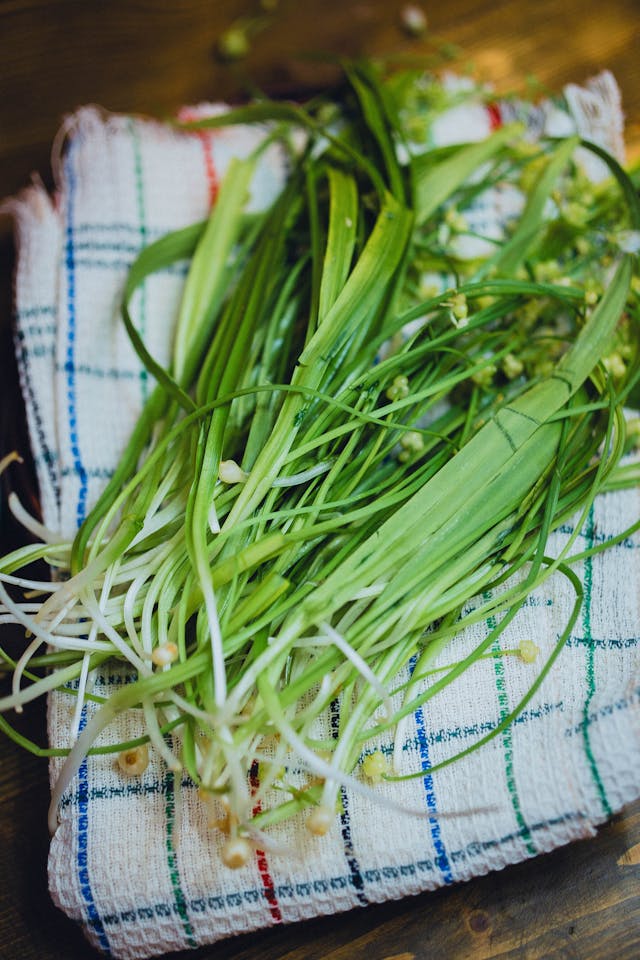
🌱 Gentle Garlic, Everyday Friendly
Garlic chives bring the aroma of garlic without its heaviness. They’re perfect for gardeners who want flavor that’s present but not overpowering, and for cooks who enjoy layering taste rather than dominating a dish.
🌿 Growth Habit
This plant grows in clump-forming tufts of flat, grass-like green leaves. Over time, the clumps thicken and become more productive, making garlic chives a long-term addition to the garden.
⏳ Time to Harvest
Once established, garlic chives offer repeat harvests. Leaves can be snipped regularly, and the plant responds by pushing out fresh growth again and again.
❤️ Why Grow Them
They are extremely forgiving, require minimal attention, and continue producing for long periods. Their steady growth makes them ideal for gardeners who prefer low-maintenance herbs with high usefulness.
👅 Taste Profile
The flavor is mildly garlicky with a soft onion note, far gentler than raw garlic cloves. This makes them suitable for both raw and cooked dishes.
🍳 Kitchen Uses
Garlic chives work beautifully in stir-fries, omelettes, fried rice, soups, and as a finishing sprinkle over dal or vegetables. They add aroma without stealing the spotlight.
🌱 Growing Tip
Harvest by cutting leaves close to the base, but avoid removing the entire clump at once. Regular trimming keeps the plant lush and productive.
🥒 Fruiting Vegetables
🌿 8. Yardlong Beans
🌱 A Climber That Loves to Perform
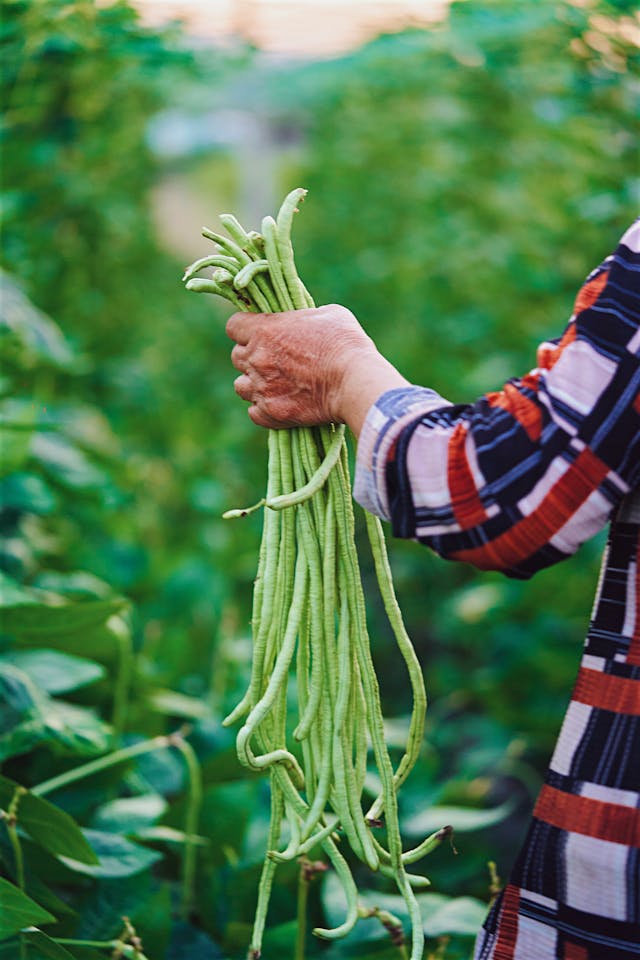
Yardlong beans are true showstoppers in the garden. Once they start climbing, they don’t hold back—growing fast, flowering generously, and producing pods that seem to stretch longer every day. Watching them grow is half the fun.
🌿 Growth Habit
This plant is a vigorous climbing vine that sends out slender, extremely long pods hanging in clusters. With the right support, it quickly turns vertical space into a productive green wall.
⏳ Time to Harvest
Yardlong beans usually begin producing within 50–60 days, and once harvesting starts, it continues steadily for weeks.
❤️ Why It’s Amazing
A single healthy plant can produce an impressive quantity of pods. The more you harvest, the more it flowers—making it one of the most high-yielding fruiting vegetables for home gardens.
👅 Taste Profile
The pods are tender and mildly sweet, with a softer texture than common beans. They cook quickly and absorb flavors beautifully.
🍛 Kitchen Uses
Yardlong beans are perfect for dry sabzi, pair wonderfully with coconut-based curries, and work well in quick stir-fries. They hold their shape without becoming stringy when picked young.
🌱 Growing Insight
Provide strong vertical support early and harvest pods regularly while they are still tender. Frequent picking keeps the plant productive and prevents pods from becoming tough.
🌿 9. Asian Bottle Gourd Varieties
🌱 Familiar Comfort with a Better Twist
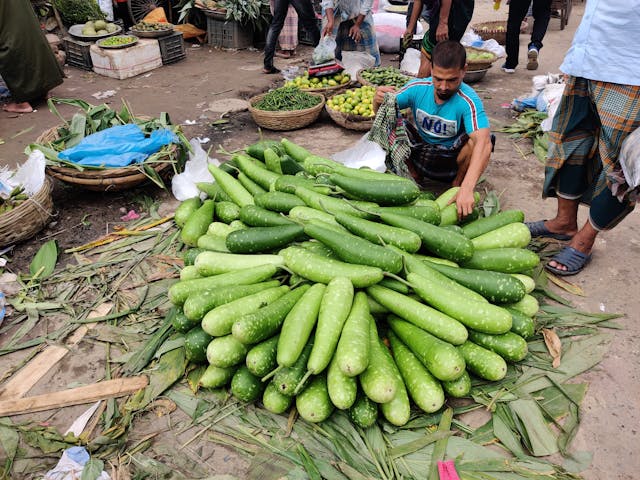
Asian bottle gourd varieties feel comforting and familiar, yet they offer small improvements that make a big difference in daily cooking. They mature faster and remain tender for longer, reducing the risk of tough, seed-filled fruits.
🌿 Growth Habit
These plants grow as strong climbing vines, spreading quickly once established. When given support, they channel energy into cleaner growth and better-shaped fruits.
⏳ Time to Harvest
Most Asian varieties are ready within 45–55 days, allowing earlier harvests compared to many traditional types.
❤️ Why Choose Asian Types
The biggest advantage is the softer flesh and fewer seeds. This makes preparation easier and ensures a smoother texture in cooked dishes, even as fruits grow larger.
👅 Taste Profile
The flavor is mild, clean, and refreshing, making it a perfect base vegetable that absorbs spices and seasonings without competing with them.
🍽️ Kitchen Uses
These gourds work beautifully in lauki sabzi, blend smoothly into soups, and hold together well in koftas without turning watery.
🌞 Growing Insight
Consistent sunlight supports strong flowering and reliable fruiting. Good light exposure helps vines stay productive and fruits develop evenly.
🌿 10. Bitter Melon (Asian Varieties)
🌱 Balanced Bitterness, Better Experience
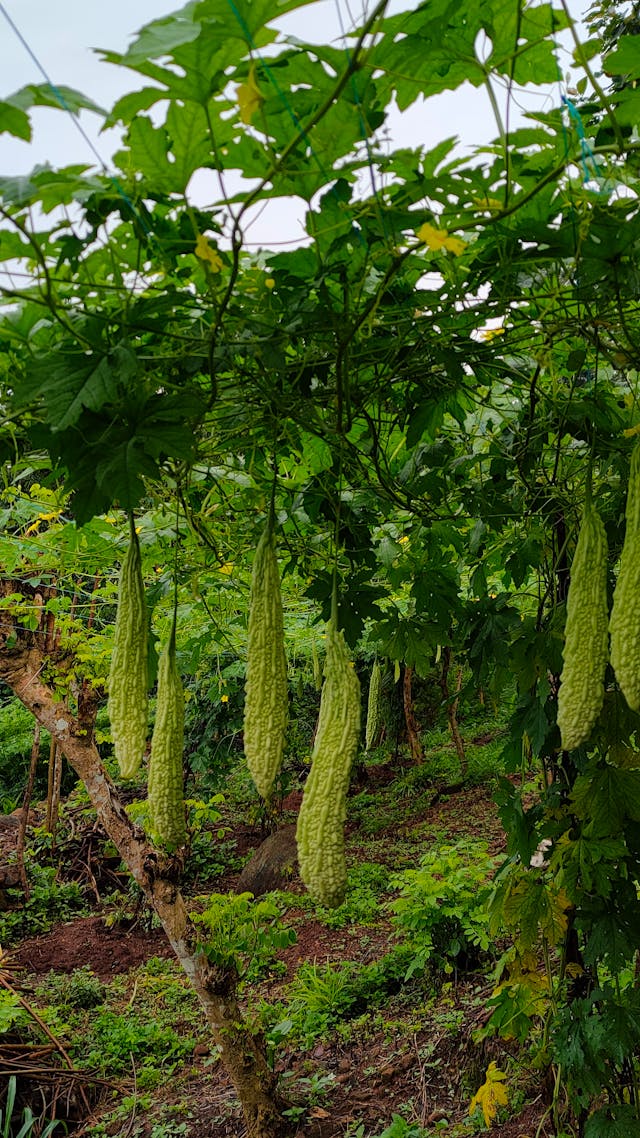
Asian bitter melon varieties are often a pleasant surprise. While they still carry the characteristic bitterness, it’s cleaner and more balanced, without the harsh edge that puts many people off. This makes them easier to enjoy regularly rather than occasionally.
🌿 Growth Habit
These plants grow as active climbing vines, producing deeply textured fruits along trailing stems. With proper support, they remain airy and manageable while fruiting heavily.
⏳ Time to Harvest
Fruits are usually ready within 55–65 days, and regular picking encourages continued flowering and fruit development.
❤️ Why Grow It
Beyond flavor, bitter melon is valued for its well-known health benefits, and Asian varieties improve the experience by pairing nutrition with better taste and texture.
👅 Taste Profile
The bitterness is present but refined—strong enough to be recognizable, yet smooth enough to work well with spices, fillings, and light frying.
🍽️ Kitchen Uses
Asian bitter melon suits stuffed karela, quick stir-fries, and thinly sliced chips where controlled bitterness adds character rather than dominance.
🌿 Growing Tip
Harvest fruits while they are young and green. Younger fruits stay tender, taste cleaner, and prevent the plant from slowing down production.
🌶️ Roots & Bulbs
🌿 11. Daikon Radish
🌱 A Gentler Take on a Familiar Root
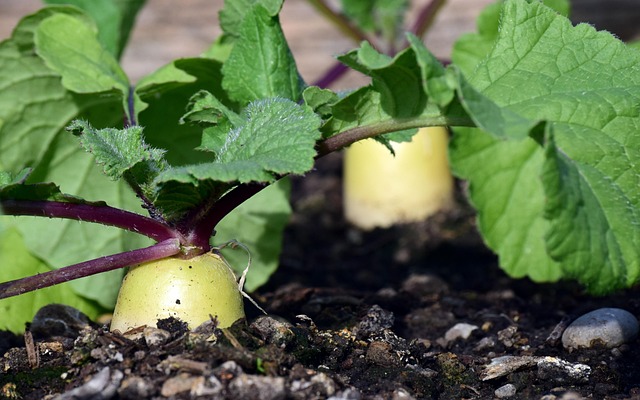
Daikon radish feels instantly recognizable, yet noticeably different from regular mooli. It’s juicier, cleaner in flavor, and far less aggressive, making it easier to enjoy both raw and cooked.
🌿 Growth Habit
Daikon develops a long, smooth white root that grows straight downward. Its neat shape makes it visually appealing and easier to harvest when grown under the right conditions.
⏳ Time to Harvest
Most daikon varieties are ready within 45–60 days, offering a good balance between quick-growing greens and longer-rooted crops.
❤️ Why It’s Special
Compared to common radish, daikon is less pungent and lighter on digestion. This makes it suitable for people who usually find radish too sharp or heavy.
👅 Taste Profile
The flavor is crisp, mildly sweet, and refreshing, with none of the nose-tingling sharpness associated with stronger radishes.
🍽️ Kitchen Uses
Daikon works well in fresh salads, cooks beautifully in stir-fries, and blends gently into sambar and light curries without overpowering other ingredients.
🌱 Soil Tip
Loose, deep, and stone-free soil helps the root grow straight and long. Compacted soil can cause forked or stunted roots, affecting both appearance and texture.
🌿 12. Asian Turnips
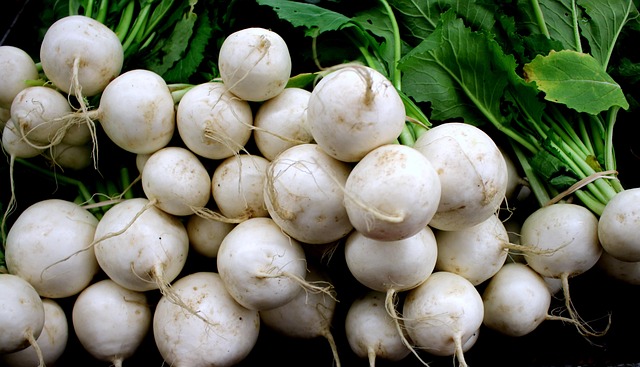
Th🌱 Small Roots, Big Pleasant Surprise
Asian turnips are often underestimated because of their size, but they deliver where it matters. They grow quickly, stay tender, and carry a natural sweetness that surprises anyone expecting the sharpness of traditional turnips.
🌿 Growth Habit
These plants form small round or slightly flattened roots, sitting just below or partly above the soil surface. Their compact size makes them easy to grow even in shallow beds or containers.
⏳ Time to Harvest
One of their biggest advantages is speed. Asian turnips are ready within 30–40 days, making them perfect for gardeners who enjoy quick results and frequent harvests.
❤️ Why Grow Them
They offer fast harvest satisfaction without compromising on taste or texture. A short growing cycle means you can sow them multiple times and enjoy consistent yields.
👅 Taste Profile
The flavor is mild, clean, and slightly sweet, with no harsh bite. This makes them enjoyable even for people who usually avoid turnips.
🍽️ Kitchen Uses
Asian turnips work well in simple sabzi, add softness to soups, and caramelize beautifully in roasted dishes.
🌿 Bonus Benefit
Don’t discard the tops—the leaves are edible and can be cooked like leafy greens, adding extra value from a single plant.
🌱 Specialty Picks
🌿 13. Edamame (Green Soybeans)
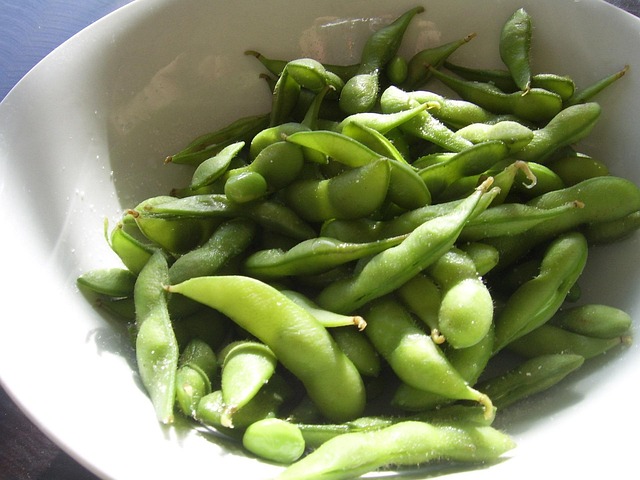
🌱 A Vegetable That Feels Like a Snack
Edamame stands out because it doesn’t just behave like a vegetable—it feels like a treat. Harvested young and cooked simply, these green soybeans turn into a satisfying, hands-on snack that’s both fun to eat and genuinely nourishing.
🌿 Growth Habit
Edamame grows as a bushy legume plant, forming sturdy stems with clusters of pods along the branches. Its compact structure keeps it stable and manageable in garden beds.
⏳ Time to Harvest
Edamame takes a bit more patience than leafy greens, usually reaching harvest stage in 70–90 days. The wait pays off when pods swell and fill out properly.
❤️ Why Grow It
It’s one of the few vegetables that offers high-quality plant protein, making it especially valuable for balanced, plant-forward diets.
👅 Taste Profile
The flavor is nutty and buttery, with a natural richness that needs very little seasoning to shine.
🍽️ Kitchen Uses
Edamame is delicious as a simply boiled snack, tossed into salads, or added to stir-fries for texture and protein.
🌱 Harvest Rule
Pick pods while they are green and plump, before they begin to harden. Younger pods ensure sweetness, tenderness, and the best eating quality.
🌿 14. Water Spinach (Kang Kong)
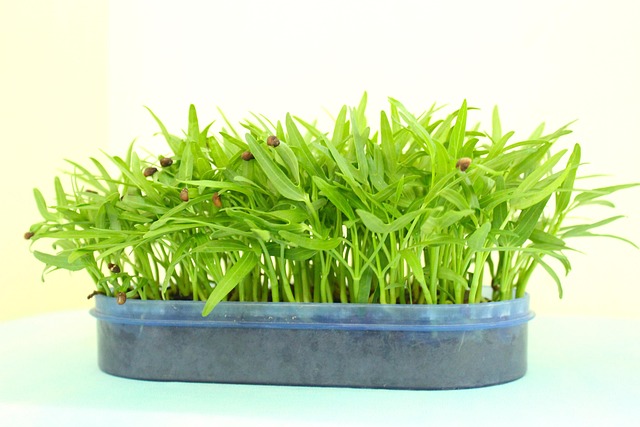
🌱 Fast Growth with Endless Energy
Water spinach is one of the quickest rewards a gardener can experience. Once established, it seems to grow almost overnight, filling gaps and bouncing back rapidly after each harvest. In many regions, it’s also known by local names such as Karemu, Karmi, Kermua, Nari, and Nali, reflecting how deeply familiar and widely grown it is.
🌿 Growth Habit
This is a spreading, soft-stemmed plant that loves moisture and space to stretch. Instead of forming tight clumps, it creeps outward, producing long, tender shoots that are easy to cut and regrow.
⏳ Time to Harvest
Water spinach is incredibly fast, usually ready within 25–30 days. Regular cutting encourages even more shoots, turning one planting into repeated harvests.
❤️ Why It’s Special
Few leafy vegetables handle heat and heavy moisture as confidently as water spinach. While other greens slow down or struggle, this one continues growing with enthusiasm.
👅 Taste Profile
The flavor is mild, juicy, and clean, making it versatile and friendly even for people who prefer subtle greens.
🍽️ Kitchen Uses
It shines in garlic stir-fries, adds softness to soups, and works beautifully in simple bhaji-style preparations where freshness matters more than heavy spice.
💧 Water Note
Frequent watering keeps stems tender and growth steady. Dry conditions slow it down quickly, so consistent moisture is key to good texture and yield.
🌿 15. Shiso (Perilla)
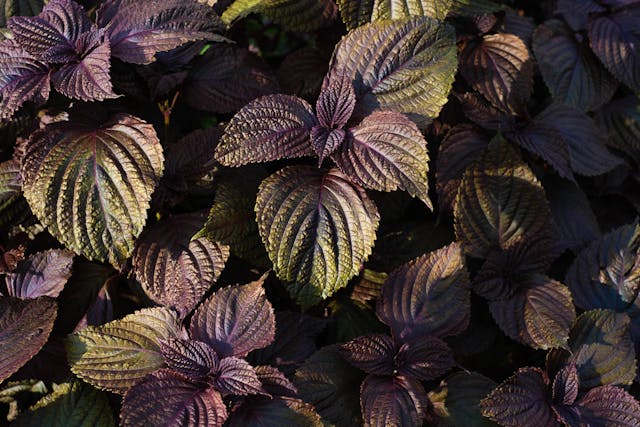
🌱 A Leaf for Curious Gardeners
Shiso is not a herb you grow out of habit—it’s one you grow out of curiosity. Its striking leaves and distinctive aroma make it a favorite among gardeners who enjoy experimenting with new flavors and textures.
🌿 Growth Habit
This plant grows as an upright, leafy herb, developing broad, textured leaves that stand out visually among common greens. Its form is neat and controlled, making it suitable for containers as well as garden beds.
⏳ Time to Harvest
Shiso usually becomes harvest-ready within 40–50 days, and regular leaf picking encourages bushier growth.
❤️ Why Grow It
The real appeal lies in its unique fragrance and appearance. Few herbs offer the same sensory experience—one brush of the leaf releases a complex aroma that instantly feels special.
👅 Taste Profile
Shiso has a layered flavor—minty and basil-like with a gentle spicy edge. It’s refreshing, slightly sharp, and memorable without being overwhelming.
🍽️ Kitchen Uses
The leaves are excellent as a fresh garnish, brewed gently into herbal teas, or used as wraps for rice, vegetables, or light fillings. A little goes a long way.
🌱 Growing Tip
Providing partial shade helps maintain leaf tenderness and prevents stress during intense conditions, keeping both flavor and appearance at their best.
🌞 Best Time & Conditions to Grow Oriental Vegetables
🌱 Understanding What These Vegetables Truly Need
Oriental vegetables may look diverse, but their growing preferences are surprisingly aligned. When basic conditions are right, they grow faster, taste better, and remain tender for longer. Instead of overcomplicating care, focusing on a few core factors makes all the difference.
🌿 Ideal Growing Conditions at a Glance
| Factor | Ideal Requirement |
|---|---|
| 🌡️ Temperature | 18–32°C |
| ☀️ Sunlight | 4–6 hours daily |
| 🌱 Soil | Loose, well-drained, rich in organic matter |
| 💧 Water | Regular, light watering |
| 🪴 Space | Pots, grow bags, raised beds |
⏳ Seasonal Growth Rhythm
🌿 Leafy Vegetables
Most leafy Oriental vegetables perform best from late winter to early summer, when growth stays balanced and leaves remain soft rather than coarse. During this period, they mature quickly and respond well to frequent harvesting.
🌿 Climbers & Fruiting Types
Climbing and fruiting Oriental vegetables prefer spring and the wetter part of the year, when consistent moisture and warmth support flowering and fruit development. Under these conditions, vines grow vigorously and yields remain steady.
🌱 Growing Insight
When temperature, moisture, and soil texture stay in balance, Oriental vegetables rarely struggle. They reward simple care with faster harvests, better flavor, and longer picking windows—making them ideal for both new and experienced gardeners.
🌱 How to Start Sowing (Step-by-Step)
🌾 Choose Fresh, Reliable Seeds
Good results begin with good seeds. Always select fresh, good-quality seeds from a trusted source. Healthy seeds germinate faster and produce stronger plants that resist early stress.
🌱 Prepare the Right Soil Base
Use loose garden soil mixed with well-decomposed compost to provide nutrition. Adding a small amount of sand improves drainage and keeps roots from sitting in compacted soil.
🌿 Sow Seeds Shallow
Most Oriental vegetable seeds prefer light coverage. Press them gently into the soil and cover just enough so they’re not exposed. Deep sowing often delays or reduces germination.
💧 Keep the Soil Moist, Not Wet
Consistent moisture is important during germination. Water lightly and regularly, making sure the soil stays damp but never waterlogged, as excess water can rot seeds.
🌱 Thin Seedlings Early
Once seedlings appear, remove weaker or crowded ones. Proper spacing allows airflow, reduces disease risk, and gives remaining plants enough room to grow strong and healthy.
✂️ Harvest Young for Best Flavor
Tender leaves and young shoots offer the best texture and taste. Early harvesting also encourages fresh growth, extending the productive life of the plant.
Starting gently and observing closely during the early stages sets the tone for a healthy, productive growing season. 🌿
🛠️ Common Growing Problems & Smart Solutions (Oriental Veg Focus)
🌱 Why Small Issues Show Up Quickly
Oriental vegetables grow fast, which is a big advantage—but it also means they react quickly when something is slightly off. The good news is that most problems are easy to fix once you understand what the plant is trying to tell you.
🌿 Problem–Solution Guide for Healthier Plants
| Problem | Why It Happens | Smart, Practical Solution |
|---|---|---|
| Leaves turning bitter | Plants left unharvested for too long | Harvest early and regularly to keep flavors mild |
| Bolting (early flowering) | Stress caused by excess heat | Provide partial shade and mulch to cool the soil |
| Yellowing leaves | Poor or depleted soil nutrition | Add vermicompost or well-rotted compost |
| Pest damage on leaves | Aphids, flea beetles, sap-sucking insects | Spray neem solution once a week |
| Slow or stunted growth | Compacted or poorly drained soil | Loosen soil and improve drainage before sowing |
🌱 Growing Insight
Most issues don’t mean failure—they’re simply signals. Respond quickly, harvest on time, and keep soil light and nourished. When these basics are balanced, Oriental vegetables recover fast and continue producing generously.
🍲 Cooking Ideas: Simple & Indian-Friendly
🍳 No Special Tools, No Fancy Sauces Needed
Oriental vegetables don’t demand woks, imported sauces, or complicated techniques. Their biggest strength is how easily they blend into everyday home cooking, using the same oils, spices, and methods you already rely on.
🌿 Easy Ways to Use Them in Daily Meals
🥬 Bok Choy
Lightly stir-fry bok choy with garlic and mustard oil for a quick side that feels familiar yet refreshing.
🌱 Daikon Radish
Add chopped daikon radish to sambar or simple lentil curries. It absorbs flavors gently while keeping a pleasant bite.
🫘 Yardlong Beans
Cook yardlong beans with grated coconut and mild spices for a comforting, home-style sabzi that doesn’t feel heavy.
🥗 Mizuna
Use mizuna raw in fresh salads or roll it into chapati wraps for an easy lunch twist.
🌿 Garlic Chives
Finely chop garlic chives and stir them into dal, omelets, or vegetable bhaji just before serving for a soft garlic aroma.
🍽️ Cooking Insight
Oriental vegetables don’t replace traditional ingredients—they enhance them quietly. Treat them like familiar greens, keep seasoning simple, and let their natural texture and freshness do the work.
That gentle shift is what makes everyday meals feel new again—without changing how you cook. 🍳🌿
🌿 Why Oriental Vegetables Are Perfect for Modern Gardeners
🌱 What Today’s Gardeners Truly Look For
Modern gardening is no longer just about filling space—it’s about time, balance, and enjoyment. Most gardeners today want results that come quickly, food that feels genuinely healthy, and plants that don’t demand constant attention. At the same time, they crave variety and excitement, not repetition.
🌿 How Oriental Vegetables Meet These Needs Naturally
⏱️ Faster Results Without Cutting Corners
Many Oriental vegetables grow and mature quickly, turning sowing into harvesting within weeks rather than months. This fast response keeps motivation high and makes gardening feel rewarding instead of slow and uncertain.
🥗 Healthier Food from Familiar Spaces
These vegetables offer excellent nutritional value while staying light and easy to digest. Freshly harvested leaves and pods deliver better texture and taste than long-stored produce, making everyday meals feel cleaner and more nourishing.
🌱 Less Maintenance, Fewer Struggles
Their adaptable nature means fewer interventions are needed. With basic soil care and regular harvesting, most Oriental vegetables continue producing without constant troubleshooting.
🌈 More Excitement in the Garden
New shapes, colors, growth habits, and flavors bring curiosity back into gardening. Watching unfamiliar plants grow creates a sense of discovery that many gardeners miss after years of growing the same crops.
🌿 A Quiet Lesson from These Vegetables
Oriental vegetables remind us that gardening doesn’t have to be complicated to be rewarding. Sometimes, a small change in what you grow can completely change how you feel about gardening itself.
🌼 A Gentle Closing from the Garden
Trying something new in the garden is like opening a long-shut window. Fresh air moves in, curiosity wakes up, and the space feels alive again. Oriental vegetables don’t ask you to abandon what you already love growing—they simply add new layers to it. A different leaf here, a new texture there, and suddenly harvesting feels exciting again, and cooking feels playful instead of routine. 🥗🌱
They remind us that gardening is not just about yield or habit—it’s about exploration. Each unfamiliar plant becomes a small invitation to learn, taste, and enjoy the process a little more deeply.
“A garden grows richer when it dares to taste the unfamiliar.”

