
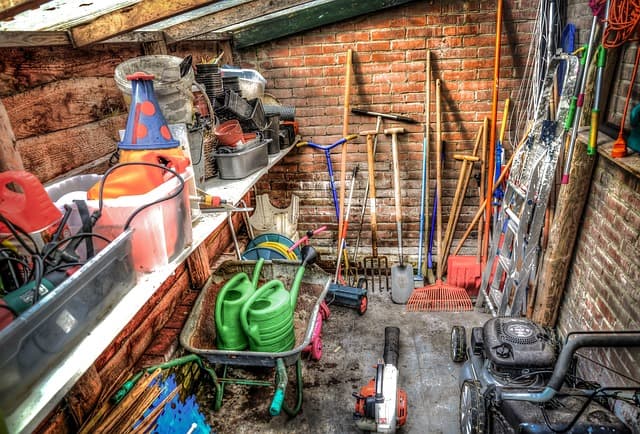
Gardening tools are not just metal and wood—they are the quiet companions that share every hour you spend with your plants. When your tools are clean, sharp, and properly stored, gardening feels almost effortless. Cuts are smoother, soil turns easily, and your hands don’t fight against the work. But when tools are neglected—rusted, blunt, or stiff—they drain your energy, strain your wrists, and even harm plants with rough, tearing cuts. Over time, poorly cared-for tools don’t just slow you down—they shorten their own lifespan.
🛠️ Why Gardening Tools Truly Matter
Good gardening tools shape the entire experience of gardening. They reduce unnecessary physical effort, protect your hands and joints, and allow you to work longer without fatigue. Sharp pruners make clean cuts that heal faster, well-balanced spades protect plant roots, and properly maintained tools improve soil handling, watering, and pruning accuracy. More importantly, reliable tools keep gardening safe by lowering the risk of slips, blisters, and injuries. When your tools work with you instead of against you, gardening stops feeling like a chore and becomes a calm, sustainable routine you can enjoy in every season.
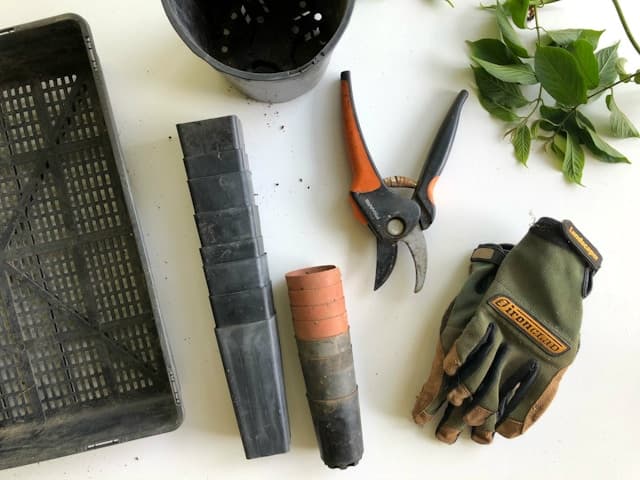
⚙️ Gardening Tools & Their Uses — A Practical Guide You’ll Actually Use
Every gardening tool has a purpose, but its real value shows only when it’s used the right way. Knowing which tool does what saves time, protects plants, and prevents unnecessary strain on your body. Think of this chart as a quiet helper—one that keeps you from overworking and underperforming in the garden.
✂️ Cutting Tools
| Tool | What It Does Best | Ideal Use |
|---|---|---|
| Pruners (Secateurs) | Clean, precise cuts | Shrubs, roses, flowering plants |
| Loppers | Powerful cuts on thick wood | Trees, woody shrubs |
| Hedge Shears | Shaping and trimming | Hedges, bushes |
| Garden Scissors | Gentle trimming | Herbs, soft-stem plants |
👉 Sharp cutting tools heal plants faster. Dull blades tear tissues and invite disease.
⛏️ Digging Tools
| Tool | Primary Use | Best For |
|---|---|---|
| Spade | Digging, edging, lifting soil | Garden beds, borders |
| Shovel | Moving soil or compost | Heavy soil work |
| Garden Fork | Loosening soil, compost turning | Clay soil, compost piles |
| Hand Trowel | Small digging, transplanting | Pots, containers, seedlings |
👉 Using a fork instead of forcing a spade into hard soil saves both your back and the tool.
🌱 Soil Care Tools
| Tool | Purpose | Where It Helps |
|---|---|---|
| Hoe | Weed control, loosening topsoil | Vegetable beds |
| Hand Cultivator | Breaking surface crust | Pots, raised beds |
| Rake | Leveling soil, clearing debris | Lawns, seedbeds |
💧 Watering Tools
| Tool | Use | Best For |
|---|---|---|
| Watering Can | Gentle, controlled watering | Seedlings, pots |
| Garden Hose | Regular watering | Lawns, large areas |
| Spray Nozzle | Adjustable water flow | Delicate plants |
👉 Too much water pressure damages soil structure—tools help you control that.
🌼 Planting Tools
| Tool | Function | Ideal Plants |
|---|---|---|
| Dibber | Making planting holes | Seeds, bulbs |
| Bulb Planter | Uniform bulb planting | Onion, tulip, garlic |
🌿 Weeding Tools
| Tool | Weed Type | Best Use |
|---|---|---|
| Hand Weeder | Deep-root weeds | Tight spaces |
| Hoe Weeder | Surface weeds | Open beds |
🧤 Maintenance & Safety Tools
| Tool | Why It Matters | Use |
|---|---|---|
| Garden Gloves | Hand protection | All tasks |
| Tool Sharpener | Keeps blades effective | Pruners, shears |
| Cleaning Brush | Removes soil & sap | After garden work |
🌾 Support Tools
| Tool | Purpose | Used For |
|---|---|---|
| Garden Stakes | Structural support | Tall plants |
| Trellis | Vertical growth | Vines, creepers |
| Twine / Ties | Gentle securing | Tomatoes, climbers |
🧺 Harvesting Tools
| Tool | Role | Best For |
|---|---|---|
| Harvest Knife | Clean harvesting | Vegetables, fruits |
| Garden Basket | Carrying produce | Harvest collection |
Why this matters:
Using the right tool doesn’t just make gardening faster—it makes it kinder to your plants and your body. Tools aren’t about doing more work; they’re about doing better work.
Practical Habits That Keep Gardening Tools Alive for Years
Below are simple habits that quietly decide whether your tools last two seasons or ten years. None of them are difficult—but skipping them slowly ruins even the best tools.
🧽 Clean Tools After Every Use (Yes, Every Time)
Soil, plant sap, and moisture don’t look harmful at first—but they are the fastest path to rust, stiffness, and blunt edges. Think of dirt as something that eats tools slowly when left behind.
What Actually Works
- Knock off loose mud using a stiff brush or an old cloth
- Wash metal parts with plain water and mild soap
- Dry immediately—never let tools air-dry on their own
Even five minutes of lingering moisture can trigger rust overnight, especially in humid weather.
👉 Garden-Tested Tip
If pruners feel sticky or refuse to open smoothly, plant sap is usually the cause. Wipe the blades with a cloth dipped in rubbing alcohol—it dissolves sap instantly and restores smooth movement.
✂️ Keep Blades Sharp (Sharp = Safer)
Dull tools don’t just slow you down—they actively harm plants. A blunt blade crushes stems instead of slicing cleanly, leaving wounds that heal slowly and invite disease. For gardeners, dull tools mean more force, more strain, and quicker fatigue.
Tools That Need Regular Sharpening
- Pruners
- Shears
- Hoes
- Spades
How Often Is Enough?
- Light sharpening every 2–3 months during active gardening
- Sharpen immediately if tools start tearing, fraying, or cutting unevenly
👉 Do It Right
Use a hand file or sharpening stone and follow the blade’s original angle. Avoid rushing—slow, steady strokes create stronger, longer-lasting edges than aggressive filing.
A sharp tool doesn’t feel dangerous—it feels controlled.
🛢️ 3. Oil Metal Parts to Prevent Rust
Moisture is the silent destroyer of gardening tools, especially in humid or monsoon-prone climates. Even tools that appear dry can trap moisture in joints and edges, slowly inviting rust.
Best Practice for Oiling
- Lightly coat blades and metal surfaces with machine oil, coconut oil, or linseed oil
- Pay special attention to moving parts such as pruner joints and hinge points
A thin oil layer acts like a protective shield, stopping moisture before it settles.
👉 Practical Tip
A quick oil wipe just before storage takes less than a minute—and can prevent months of rust damage.
🪵 4. Care for Wooden Handles
Wooden handles need care just like living material—because they are. Without attention, they dry out, crack, and splinter, turning good tools into uncomfortable ones.
Simple Maintenance Steps
- Sand rough or splintered areas using fine sandpaper
- Rub handles with linseed oil once or twice a year
- Keep handles dry and raised off the ground
👉 Comfort Insight
Smooth, nourished handles reduce hand fatigue, prevent blisters, and make long gardening sessions easier on the hands.
🧰 5. Store Tools Properly
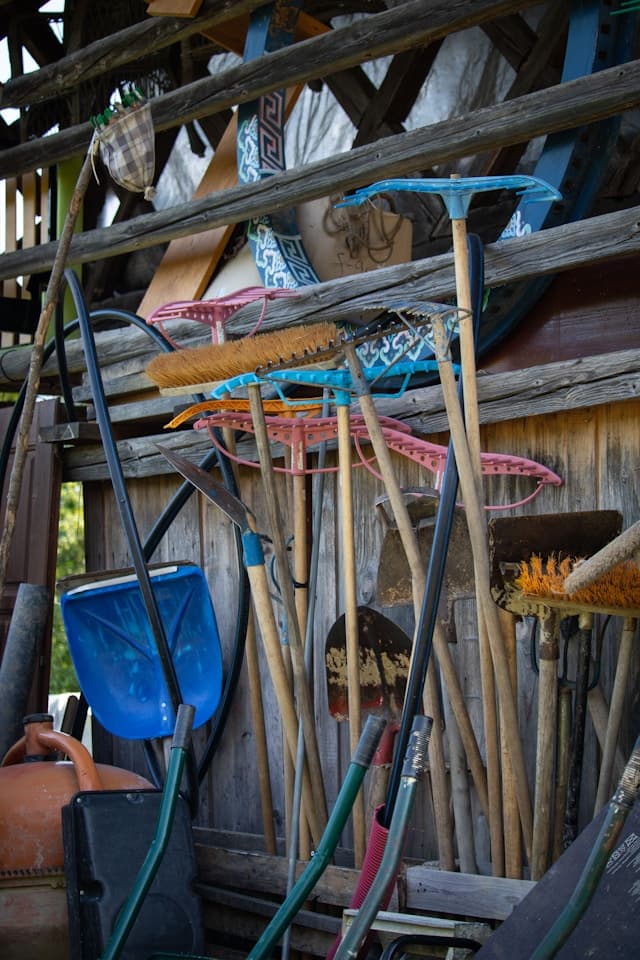
Proper storage protects tools not only from rust but also from accidents and unnecessary wear. Where tools rest matters as much as how they are used.
Ideal Storage Practices
- Hang tools on wall hooks or sturdy racks
- Store them in a dry, well-ventilated shed or cupboard
- Never leave tools outside overnight—even occasionally
👉 Safety Note
Hanging tools blade-down lowers the risk of accidental injuries and keeps cutting edges from dulling.
🦠 6. Disinfect Tools to Protect Plants
Gardening tools can quietly transfer disease from one plant to another if not disinfected regularly.
When Disinfection Is Necessary
- After pruning diseased or infected plants
- Before moving between different plants or plant groups
Simple, Effective Disinfectants
- 70% rubbing alcohol
- Bleach solution (1 part bleach : 9 parts water)
This small habit takes seconds but can save entire plants from infection.
🔩 7. Tighten and Repair Tools Regularly
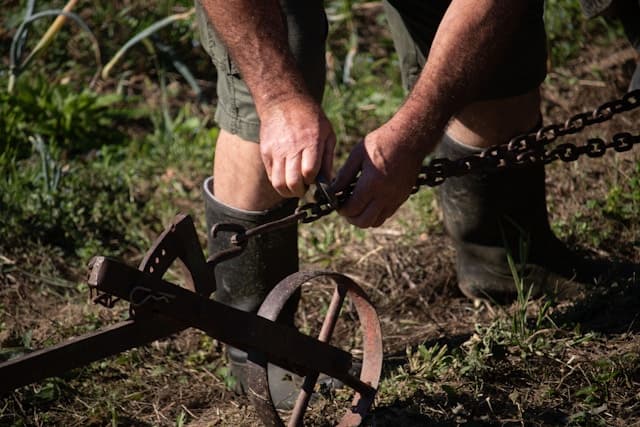
Loose screws, worn springs, and damaged handles quietly reduce both efficiency and safety. A tool that wobbles or sticks forces your hands to compensate—and that’s how accidents happen.
What to Check Routinely
- Loose nuts, bolts, and fasteners
- Cracked or weakening handles
- Worn or weak springs in pruners and shears
👉 Prevention Insight
Small repairs done early cost almost nothing, but they can delay expensive replacements by years.
🌧️ 8. Give Extra Care During the Rainy Season
Humidity accelerates rust, stiffness, and even fungal growth on tools. During monsoon months, regular care alone isn’t enough—tools need extra attention.
Monsoon-Specific Care Tips
- Dry tools thoroughly immediately after every use
- Oil metal parts more frequently than usual
- Avoid storing tools directly on damp floors or walls
👉 Seasonal Reminder
If the air feels damp to you, it’s damp for your tools too—adjust your care routine accordingly.
🛠️ Gardening Problems & the Right Tools to Solve Them
This chart helps you quickly match common gardening problems with the exact tool that fixes them—no guesswork, no trial and error.
🌿 Problem–Tool–Solution Chart
| Gardening Problem | What Usually Goes Wrong | Right Tool to Use | How It Solves the Problem |
|---|---|---|---|
| Plants look damaged after cutting | Blunt or incorrect tools tear stems | Pruners / Secateurs | Sharp blades create clean cuts, helping plants heal faster |
| Branches too thick to trim | Hand pruners used on woody stems | Loppers | Long handles provide leverage for thick branches |
| Hedges grow uneven or messy | Small tools used for shaping | Hedge Shears | Wide blades trim evenly and quickly |
| Seedlings fail to establish | Planting holes too deep or uneven | Dibber | Makes uniform holes for better root contact |
| Soil becomes hard and compact | Water runs off instead of soaking in | Garden Fork | Loosens deep soil and improves aeration |
| Weeds return again and again | Roots left inside the soil | Hand Weeder | Removes weeds from the root, preventing regrowth |
| Weeding damages nearby plants | Large tools used in tight spaces | Hand Cultivator | Gently loosens soil without harming roots |
| Soil surface dries and cracks | Poor topsoil maintenance | Hoe | Breaks soil crust and conserves moisture |
| Seedbeds look uneven | Soil not leveled before sowing | Rake | Creates a smooth, even surface for seeds |
| Seedlings collapse after watering | Water pressure too strong | Watering Can (Rose Head) | Provides gentle, controlled watering |
| Plants lean or fall over | Weak stems lack support | Garden Stakes | Supports plants until they strengthen |
| Climbers sprawl on the ground | No vertical support | Trellis | Encourages upward growth and airflow |
| Hands get injured or blistered | Bare-hand gardening | Garden Gloves | Protects skin and improves grip |
| Tools rust quickly | Stored dirty or wet | Cleaning Brush + Oil | Removes soil and prevents rust formation |
| Harvested vegetables get damaged | Rough handling during harvest | Harvest Knife + Basket | Ensures clean cuts and safe collection |
🗓️ Simple Tool Care Schedule
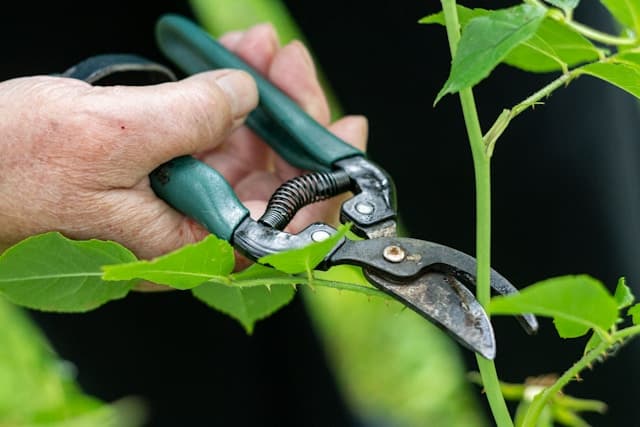
Caring for gardening tools isn’t just about cleanliness—it directly affects how efficiently you work and how healthy your plants remain. Clean, sharp, and well-maintained tools reduce rust, prevent the spread of plant diseases, and make every task feel lighter on your hands and body. When tools are cared for regularly, plants heal faster after cuts, work becomes safer, and gardening stays enjoyable rather than exhausting. 🌿🛠️
🛠️ Easy Tool Maintenance Schedule Chart
| Tool Care Task | Recommended Frequency | Why It Matters |
|---|---|---|
| Cleaning | After every use | Prevents rust, sap buildup, and soil hardening |
| Sharpening | Every 2–3 months | Ensures clean cuts and reduces hand strain |
| Oiling metal parts | Monthly or after rain | Protects tools from moisture and rust |
| Wooden handle care | 1–2 times a year | Prevents cracking, splinters, and fatigue |
| Disinfecting tools | After working on diseased plants | Stops disease spread between plants |
👉 Schedule Insight
You don’t need to remember everything—just match tool care with your gardening rhythm. Small, regular actions are far more effective than rare, heavy maintenance sessions.
🌱 Why Tool Maintenance Truly Matters
Tool maintenance isn’t an extra chore—it’s what quietly decides whether gardening feels rewarding or frustrating over time. Well-kept tools support both the gardener and the plants in ways that often go unnoticed.
💰 Saves Money by Extending Tool Life
Regular cleaning, sharpening, and oiling prevent early rust and wear. This means fewer replacements, fewer repairs, and better performance from the same tools year after year.
🌿 Reduces Plant Damage
Sharp, clean tools create precise cuts instead of crushing plant tissue. Cleaner cuts heal faster, lowering the risk of infections and stress-related plant problems.
🛡️ Makes Gardening Faster and Safer
Properly maintained tools require less force, reduce hand strain, and lower the chance of slips or accidents. Gardening becomes more efficient—and safer for your body.
😊 Keeps Gardening Enjoyable
When tools work smoothly, gardening flows naturally. Tasks feel lighter, time passes quicker, and the experience stays relaxing rather than tiring.
🌼 A Thought to Carry With You
“A garden grows best when the hands that tend it are supported by tools that are cared for.”
This isn’t just about tools—it’s about respect. When you care for what helps you grow, the garden responds with ease, health, and quiet abundance.

