
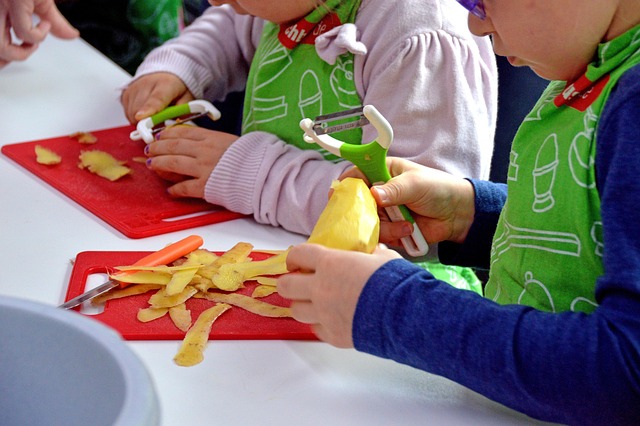
Cooking with children is far more meaningful than simply preparing a meal together—it becomes a small but powerful way to shape how they think about food, health, and family time 👩🍳👨🍳. When kids step into the kitchen and help wash vegetables, stir ingredients, or arrange a plate, they begin to see food differently. It stops being something that just appears on the table and becomes something they helped create. That simple shift often sparks curiosity—What is this vegetable? Why do we add these ingredients? How does this help our body?
These small moments of curiosity quietly build lifelong habits. Children who participate in cooking tend to feel more confident trying new foods because they were part of making them. Even picky eaters often become more open when they’ve had a hand in preparing the meal themselves. Just as importantly, the kitchen becomes a place where learning happens naturally—measuring teaches basic math, choosing ingredients introduces nutrition, and following steps builds patience and responsibility.
In a world where busy schedules and packaged foods are becoming more common, inviting children into the kitchen can bring families back to something simple and meaningful. It slows life down for a moment, encourages healthier choices, and turns everyday cooking into shared experiences that children remember long after the meal is finished 🌱.
🥕 Why Cooking With Kids Matters for Nutrition
Children often feel more excited about food when they’ve had a hand in making it. Even a small task—like washing carrots, mixing batter, or placing toppings on a dish—can make them feel involved and proud of the final meal 😋. That sense of ownership changes how they look at food. Instead of seeing vegetables or grains as something they’re forced to eat, they begin to see them as ingredients they helped transform into something delicious.
This hands-on experience quietly builds familiarity with wholesome foods. When kids regularly touch, smell, and prepare ingredients like fruits, vegetables, whole grains, and proteins, these foods stop feeling unfamiliar or intimidating. Over time, their curiosity grows: they start asking questions about flavors, textures, and why certain ingredients are used. That curiosity is the first step toward building a healthy relationship with food.
Cooking together also creates a natural space for meaningful conversations around the dinner table or kitchen counter. While chopping, mixing, or waiting for something to cook, parents can talk with children about:
- 🌾 Where food comes from and how it reaches our kitchen
- 🥦 Why fresh ingredients nourish our bodies better than overly processed foods
- ⚡ How balanced meals help us grow, stay active, and feel energized throughout the day
These discussions don’t have to feel like lessons. They happen naturally while sharing time in the kitchen. Instead of teaching children to think of foods as strictly “good” or “bad,” cooking together helps them understand something more important—that a healthy diet is built on balance, variety, and mindful choices. When kids learn this early, they carry those habits with them for life.
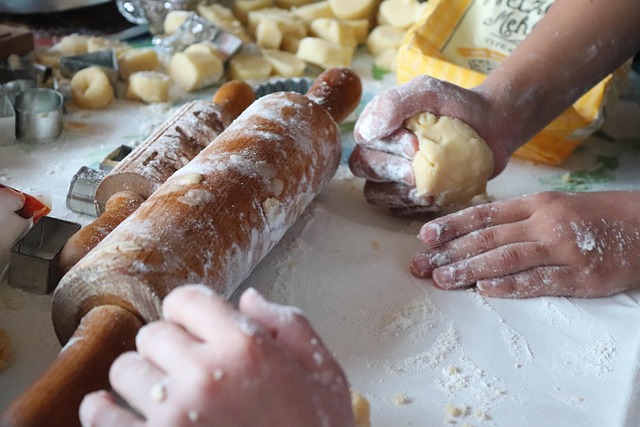
🍓 Teaching Healthy Food Choices Naturally
The kitchen has a quiet way of becoming a classroom without anyone realizing it 📚. While chopping vegetables, washing fruits, or mixing ingredients, children are constantly observing and learning. Unlike a formal lesson, cooking turns nutrition into something they can see, touch, and taste, which makes the learning feel natural rather than forced.
For example, while preparing a meal together, parents can casually explain how different foods support the body in simple ways kids understand:
- 🥦 Vegetables help the body stay strong by supporting digestion and protecting against illness
- 🍎 Fruits provide important vitamins and natural sweetness that energize the body
- 🥛 Dairy or plant-based alternatives help build strong bones and teeth as children grow
- 🌾 Whole grains release energy slowly, helping kids stay active and focused throughout the day
What makes these moments powerful is that the learning happens in context. When children slice apples, sprinkle grains into a bowl, or watch vegetables cook in a pan, the information connects with real experiences. Nutrition stops feeling like rules adults impose and instead becomes something they understand through everyday actions.
Over time, this repeated exposure quietly shapes their decision-making. Kids begin to recognize healthier choices on their own—whether they’re helping pack their lunch, choosing snacks at home, or deciding what to eat outside with friends. These early experiences build awareness, confidence, and independence around food, laying the foundation for healthier habits that can last a lifetime.
👶 Age-Appropriate Kitchen Tasks
One of the best things about cooking with children is that every age group can participate in some way 🧡. The key is simply matching the task to their ability and patience level. When children feel capable instead of overwhelmed, the kitchen becomes a place of curiosity rather than frustration. Small responsibilities also help them feel trusted, which naturally builds confidence over time.
Even very young children enjoy being included, especially when their role feels important. A toddler who helps wash strawberries or tear lettuce leaves often feels just as proud as the person who cooked the entire meal. As children grow, their abilities expand, and the kitchen slowly becomes a space where they practice independence and real-life skills.
Here are some simple ways children can participate at different ages:
Toddlers (2–4 years)
At this age, the focus is on exploration and sensory experiences.
- Washing fruits and vegetables in a bowl of water
- Tearing lettuce or herbs for salads
- Mixing ingredients in a bowl
- Placing toppings on pizza or sandwiches
Young Kids (5–8 years)
Children in this stage enjoy tasks that make them feel responsible.
- Measuring ingredients with cups and spoons
- Peeling bananas or boiled potatoes
- Spreading butter, peanut butter, or soft spreads
- Helping assemble simple snacks or sandwiches
Older Kids (9–12 years)
At this stage, children can begin learning real cooking steps with supervision.
- Chopping soft foods with a safe knife
- Stirring dishes on the stove with guidance
- Following simple recipes step by step
- Preparing basic breakfasts or salads
Teens
Teenagers can gradually take full ownership of meals.
- Planning simple weekly meals
- Cooking complete dishes independently
- Learning how to read nutrition labels
- Understanding portion balance and ingredients
When children grow up with these small kitchen responsibilities, they develop far more than cooking skills. They gain confidence, patience, teamwork, and problem-solving abilities. Perhaps most importantly, they learn a life skill that will serve them long after childhood—knowing how to prepare nourishing food for themselves and the people they care about.
🧼 Safety First: Making the Kitchen Kid-Friendly
When children step into the kitchen to help cook, safety naturally becomes part of the learning experience 🔒. A kitchen can sometimes feel crowded with tools, heat, and movement, especially for younger kids. But with a few thoughtful habits and small adjustments, it quickly becomes a welcoming place where children can explore cooking without unnecessary risk. Instead of presenting safety as a list of strict rules, it works better when families treat it as a normal part of the cooking routine—just like washing vegetables or setting the table.
One of the first habits children can learn is simple hygiene. Washing hands before touching ingredients, rinsing fruits and vegetables, and keeping surfaces clean are small actions that teach an important lesson: food preparation and cleanliness go hand in hand 🫧. When kids repeat this routine every time they cook, it gradually becomes an automatic habit they carry into daily life.
Supervision is another essential part of a safe cooking environment. Younger children may only observe tasks like chopping or working near the stove, while older kids can slowly begin learning these skills under guidance. The goal isn’t to keep children away from kitchen tools forever—it’s to help them understand how to use them responsibly and confidently as they grow.
🔑 Simple Ways to Make the Kitchen Safer for Kids
| Safety Habit | Why It Helps |
|---|---|
| Use a stable step stool | Allows children to reach counters safely without stretching or leaning |
| Introduce knives gradually | Starting with soft foods or child-safe cutters builds confidence and control |
| Explain heat and steam | Helps children understand why certain surfaces require caution |
| Encourage cleaning while cooking | Prevents spills and keeps the workspace organized |
These small practices may seem ordinary, but they help children develop awareness, responsibility, and respect for their surroundings. As kids become familiar with safe habits in the kitchen, they not only learn how to cook—they also learn how to stay attentive and careful while doing it. Over time, those lessons build confidence that allows them to participate more actively in preparing meals.
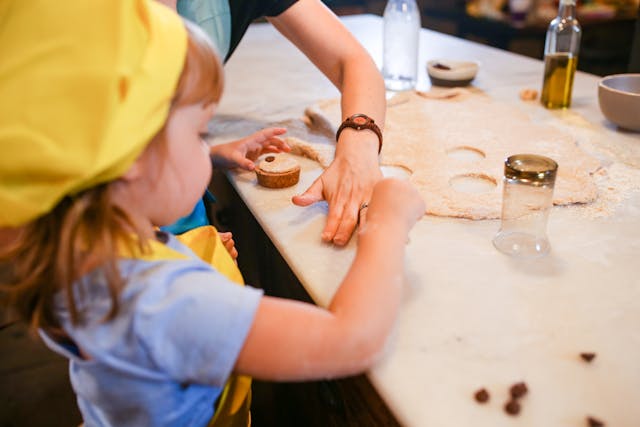
🍽️ Encouraging Better Eating Habits
Picky eating is something many families face at some point. A child may suddenly refuse vegetables, avoid unfamiliar foods, or insist on eating the same snacks every day. While this can make mealtimes challenging, involving children in cooking often helps change their attitude toward food 🍽️. When kids take part in preparing a meal—washing vegetables, stirring a bowl, or arranging ingredients—they begin to feel connected to what they are about to eat. That small sense of ownership can make them far more willing to taste the final dish.
🥕 Let Children Participate in Food Choices
One of the simplest ways to encourage better eating habits is by giving children small decisions to make. Let them choose a vegetable during grocery shopping or decide between two meal options for dinner. These choices may seem small, but they give children a feeling of control and involvement, which often reduces resistance toward new foods.
🍎 Cooking Builds Curiosity About Ingredients
Children naturally become curious when they see ingredients transform during cooking. Watching vegetables change color, smelling spices, or mixing ingredients together makes food more interesting. Instead of viewing certain foods as something they “have to eat,” kids start to see them as ingredients they helped turn into a meal.
🌶️ Learning to Accept New Flavors
Not every new food will become an instant favorite, and that’s perfectly normal. Taste preferences develop gradually. When children repeatedly see, touch, and cook with certain ingredients—even if they only taste a small bite at first—those foods slowly become familiar rather than intimidating.
Over time, these small kitchen experiences help children develop a healthier relationship with food. Instead of feeling pressured to eat something, they begin to approach meals with curiosity, confidence, and a willingness to explore new flavors.
💬 Strengthening Family Bonds Through Cooking
Cooking with children is about much more than preparing meals—it’s also about creating meaningful time together ❤️. In many families, daily routines can feel rushed, with school, work, and other responsibilities filling most of the day. The kitchen, however, offers a simple space where families can slow down and reconnect while doing something productive together. Even small cooking tasks can turn into valuable moments of conversation and shared experiences.
🗣️ Conversations Happen Naturally
Something interesting happens when children are busy with their hands—mixing ingredients, washing vegetables, or rolling dough. They often begin talking more freely. Instead of feeling like a formal conversation, discussions happen naturally. Kids may talk about their school day, share a funny story, or ask questions about the food being prepared. These relaxed moments help parents understand their children better and strengthen everyday communication.
🌍 Passing Down Traditions and Culture
Cooking together also becomes a wonderful way to introduce children to family traditions. Preparing recipes that have been passed down through generations—whether it’s a festive dish, a traditional bread, or a favorite family meal—helps children feel connected to their cultural roots. They learn not just how to cook the food, but also the stories and memories attached to it.
🍳 Creating Family Cooking Rituals
Some families even turn cooking into a small weekly tradition. A “family cooking night,” for example, allows everyone to take part in preparing a meal together. One person may wash vegetables, another mixes ingredients, while someone else sets the table. These simple routines bring teamwork into the kitchen and make cooking feel like a shared project rather than a daily chore.
Over time, these kitchen moments build emotional connections that go far beyond the meal itself. Children begin to associate healthy food with warmth, cooperation, and happy memories. Years later, many people still remember the laughter, stories, and shared efforts that once filled their family kitchen.
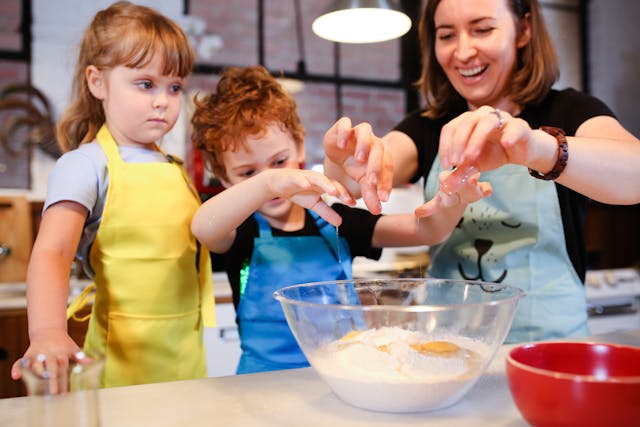
🧠 Supporting Mental & Emotional Well-Being
Cooking is often seen as a practical life skill, but it can also have a surprisingly positive effect on a child’s emotional and mental well-being 🧠. The simple actions involved—washing vegetables, measuring ingredients, stirring a bowl—create a calm rhythm that helps children slow down and concentrate. In a world where many activities revolve around screens and fast entertainment, cooking offers a refreshing hands-on experience that encourages patience and mindfulness.
When children participate in preparing a meal, they become part of a process that requires attention and care. Following steps, waiting for food to cook, and watching ingredients transform into a finished dish teaches them to stay focused. These moments of concentration help children practice patience while also giving them a sense of responsibility.
🧩 Building Focus and Patience
Cooking naturally teaches children to follow a sequence of steps. They learn that certain actions must happen in order—ingredients need to be measured before mixing, and food must cook for a certain amount of time before it’s ready. This step-by-step process strengthens their ability to concentrate and stay patient while waiting for results.
💡 Encouraging Creativity and Problem-Solving
The kitchen also gives children a space to experiment. They may try different toppings, mix flavors, or decorate a plate in their own unique way. These small decisions allow kids to explore creativity while learning how different ingredients work together.
🌟 Building Confidence Through Achievement
Few things feel more rewarding to a child than seeing a dish come together after they’ve helped prepare it. Whether it’s a simple sandwich or a homemade snack, completing a recipe gives children a strong sense of accomplishment. That feeling of “I made this!” can greatly boost their self-confidence.
Cooking can even support learning in subtle ways. Measuring ingredients introduces ideas like counting and fractions, while reading recipes helps children understand sequence and organization. Yet because it happens in a fun, practical setting, these lessons feel natural rather than academic.
At the same time, cooking leaves plenty of room for imagination 🎨. Children might decorate fruit plates, invent their own snack combinations, or present dishes in creative ways. These playful moments make the kitchen feel like a space where learning, creativity, and emotional growth all come together.
🌱 Long-Term Health Benefits
The impact of teaching children to cook often shows up years later in ways many parents don’t immediately notice. A child who learns how meals are prepared, how ingredients combine, and how flavors develop begins to understand food in a deeper way. Instead of seeing meals as something that simply appears on the table, they recognize the effort, care, and choices behind what they eat. That awareness quietly shapes healthier habits as they grow older.
Many adults who spent time in the kitchen as children tend to feel more comfortable preparing their own meals later in life. They don’t see cooking as difficult or intimidating—it feels familiar. Because of this, they are often more willing to cook simple dishes at home rather than relying heavily on packaged or fast food options.
These early kitchen experiences often encourage long-term habits such as:
- 🥗 Choosing more balanced meals, including fruits, vegetables, and whole foods
- 🍽️ Understanding portion awareness, recognizing how much food the body actually needs
- 👨🍳 Feeling confident in the kitchen, making everyday cooking a normal part of life
Over time, these habits can play a meaningful role in overall health. When people know how to cook, they gain greater control over what goes into their meals—less excess sugar, less unnecessary additives, and more fresh ingredients.
🥗 Simple Tips to Get Started
Getting children involved in cooking doesn’t require complicated recipes or perfect planning. In fact, the best way to begin is by keeping things simple and enjoyable. Kids usually don’t care about gourmet meals—they’re excited about the chance to mix, pour, decorate, and participate. When the kitchen feels relaxed and welcoming, children naturally become curious and eager to help.
Starting with easy recipes helps keep their attention from beginning to end. Foods that allow children to actively participate—such as fruit salads, yogurt bowls, sandwiches, or simple baked treats—are great starting points. These recipes give kids the satisfaction of seeing a dish come together quickly while still learning basic kitchen skills.
🍪 Start With Fun, Hands-On Recipes
Choose dishes that allow children to touch and assemble ingredients rather than just watch. Mixing batter, arranging fruit slices, or decorating homemade snacks keeps them engaged and excited about the process.
🛒 Let Kids Take Small Decisions
Children feel more connected to meals when they have a say in what goes into them. Allow them to choose one ingredient during grocery shopping or pick between two recipes for the week. Even small choices give them a sense of involvement and responsibility.
⭐ Focus on Effort, Not Perfection
Cooking with kids rarely looks neat—and that’s completely okay. A sandwich with uneven fillings or a cookie decorated in a messy way still represents learning and creativity. Encouraging their effort builds confidence and makes them more willing to try again next time.
⏳ Keep the Experience Relaxed
Rushing through cooking can quickly remove the fun. When possible, allow children enough time to explore ingredients, ask questions, and enjoy the process. The goal is not just preparing food, but creating a positive experience around it.
And perhaps the most important thing to remember is that cooking with kids will almost always create a little mess. Flour may spill, vegetables might roll across the counter, and ingredients won’t always land where they should. Yet those imperfect moments are often where the laughter, learning, and memories happen.
After all, a slightly messy kitchen can still raise curious, confident, and healthy kids 😊.
🌟 A Final Thought to Take From the Kitchen
When children are invited into the kitchen, something meaningful begins to happen beyond the meal itself. Cooking becomes a shared experience where learning, laughter, and nourishment naturally come together. In the middle of measuring ingredients, tasting sauces, and arranging food on plates, children quietly absorb lessons about health, responsibility, creativity, and teamwork.
These moments may seem small—a child stirring batter, choosing vegetables at the market, or proudly serving the dish they helped prepare—but over time they shape how children view food and family. The kitchen becomes a place where curiosity is welcomed, confidence grows, and healthy habits develop without pressure or strict rules.
More importantly, cooking together creates memories that stay long after the plates are cleared. It reminds children that food is not just about eating—it’s about care, culture, and connection. And when kids grow up associating healthy meals with warmth and togetherness, those positive feelings often guide their choices throughout life.
So tie on the aprons, bring the kids closer to the counter, and let the kitchen become a place of discovery. With every simple recipe prepared together, you’re not just cooking a meal—you’re building skills, strengthening family bonds, and planting the seeds of lifelong well-being 🍳✨

