
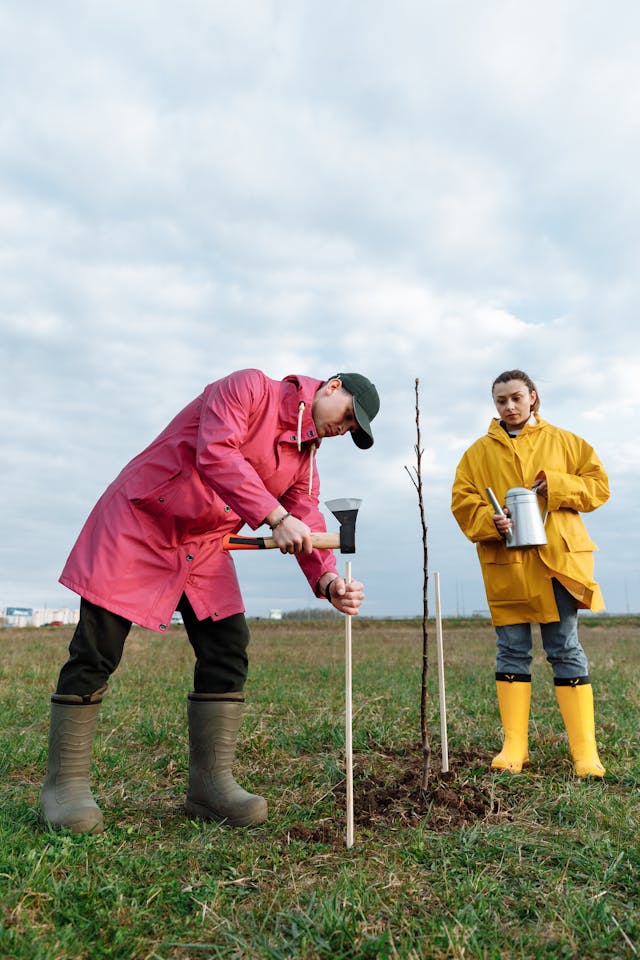
Gardening isn’t just a way to fill time — it’s a ritual of peace, movement, and mindful connection with the living world around us 🌱. There’s something deeply rewarding about watching a seed unfurl into life, but the truth is, the joy of growing can be overshadowed by avoidable aches and injuries if we overlook our own safety. From tiny nicks on your fingers to sore backs after a long day digging, sun-worn skin, or unexpected stings from insects, many gardeners silently endure problems that could easily be prevented.
It doesn’t matter if you’re tending a few herbs on a balcony, digging into a backyard plot, or arranging a terrace full of flowering pots — protective gear isn’t an extra, it’s a necessity. The right gloves, hats, supports, and protective wear don’t just guard your body; they help you enjoy every moment outdoors without pain, stress, or worry.
In this guide, we’ll explore why safety matters in gardening, uncover the gear that genuinely makes a difference, and show you how to pick tools and equipment that fit your everyday gardening routine — especially in warm, varied climates where conditions can be unpredictable.
🌿 Why Gardening Safety Gear Truly Matters
🌱 Small Movements, Big Impact
Many gardeners assume injuries only come from heavy digging or lifting. In reality, it’s the quiet, repetitive habits—done daily without protection—that slowly wear the body down. Gardening rarely hurts all at once; it whispers discomfort until one day your body finally protests.
🧍♂️ Repeated Bending & Body Strain
Bending over pots, beds, and soil again and again puts steady pressure on the lower back and knees. Without support or posture-friendly tools, this routine motion often turns into lingering pain that makes gardening feel like a chore instead of a joy.
✋ Bare Hands, Hidden Risks
Working without gloves may feel “natural,” but it opens the door to cuts, soil-borne infections, allergic rashes, and thorn injuries. Even healthy soil carries microbes that shouldn’t meet open skin.
☀️ Sun Exposure Isn’t Just Heat
Long hours under direct sunlight don’t just cause tanning—they lead to dehydration, fatigue, headaches, and long-term skin damage. Many gardeners ignore this until exhaustion quietly sets in.
🛠️ Poor Tools, Overworked Joints
Low-quality or badly designed tools force your wrists, elbows, and shoulders to work harder than they should. Over time, this strain can limit movement and reduce your gardening stamina.
🧪 Chemicals Affect More Than Plants
Sprays, fertilizers, and pest-control solutions can irritate eyes, skin, and lungs when used without protection. Even “mild” products can cause long-term sensitivity if inhaled or splashed repeatedly.
🌼 Comfort Changes the Way You Garden
Protective gear works like a silent partner—supporting your body so movements stay natural and stress-free. When you’re comfortable, you move slower, handle plants more gently, and stay focused longer. The result? Healthier plants and a happier gardener.
🧤 Hand Protection: Gloves That Do More Than Just Cover
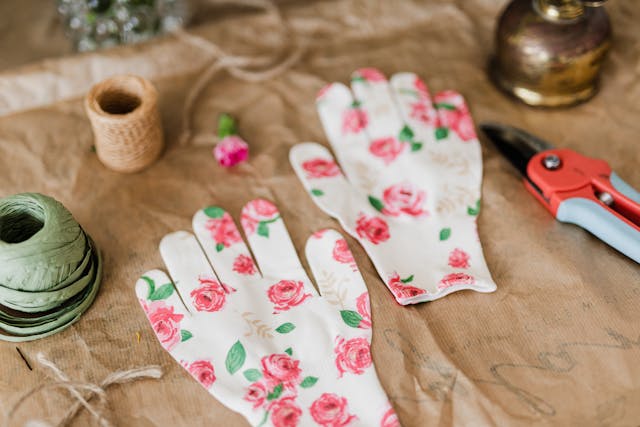
✋ Your Hands Do the Hardest Work
In gardening, your hands touch everything—soil, stems, thorns, tools, water, and sometimes chemicals. Without protection, they absorb all the damage silently. Tiny cuts, fungal infections, insect stings, and chemical irritation often begin as “nothing serious” and slowly turn into painful problems that make gardening uncomfortable.
Good gloves don’t block your connection with plants—they protect it.
🌱 Why Gardening Gloves Matter
Well-chosen gloves act like a second skin, allowing your hands to work freely while staying safe.
✔️ Prevent Injuries
They shield your skin from thorns, sharp tool edges, blisters, and rough soil that causes calluses over time.
✔️ Guard Against Infections
Soil naturally contains fungi and bacteria. Gloves create a barrier that keeps small cuts from turning into infections.
✔️ Improve Grip & Control
Sweaty or wet hands slip easily. Gloves help you hold tools firmly, reducing wrist strain and accidental drops.
✔️ Protect Skin Health
Regular exposure to soil and water dries hands quickly. Gloves reduce cracking, peeling, and long-term dryness.
🧵 Choosing the Right Gloves for Each Task
Not all gardening gloves serve the same purpose. Matching the glove to the task makes a big difference in comfort and safety.
🌼 Cotton Gloves
Best for light jobs like sowing seeds, repotting, or handling seedlings. They’re breathable and gentle but not suited for wet work.
💧 Rubber-Coated Gloves
Ideal for watering, working with damp soil, or monsoon gardening. They keep moisture out while maintaining flexibility.
🌹 Leather Gloves
Perfect for pruning, rose care, or handling thorny plants. Tough, durable, and excellent for protection-heavy tasks.
☀️ Breathable Summer Gloves
Designed for long hours in warm weather. They prevent sweating, skin irritation, and fatigue during extended gardening sessions.
💡 Care Tip That Extends Glove Life
Wash your gloves regularly, remove soil buildup, and always let them dry fully in shade. Damp gloves invite fungus—and your protection should never become a problem itself.event fungal growth.
🦵 Back & Knee Protection: Garden Without Pain
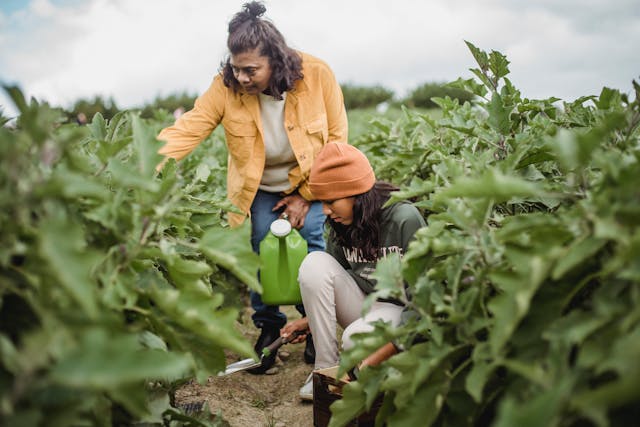
🌱 Posture Is the Silent Game-Changer
One of the most common—and costly—gardening mistakes isn’t overwork, but poor posture. Repeated bending, prolonged squatting, and working close to the ground slowly stress the spine and knees. The damage doesn’t appear overnight; it builds quietly until gardening starts to feel painful instead of peaceful.
Protecting your back and knees isn’t about comfort alone—it’s about gardening for years without physical burnout.
🛡️ Must-Have Support Gear That Saves Your Body
🧎 Kneeling Mats & Knee Pads
Hard soil, stone paths, and concrete surfaces put direct pressure on knee joints. Cushioned kneeling mats or well-fitted knee pads absorb shock, protect cartilage, and prevent long-term knee stiffness—especially during planting and weeding.
🪑 Garden Stools
Low garden stools allow you to work close to plants without constant squatting. They’re ideal for potting, pruning, and detailed care, keeping your spine upright and reducing strain on hips and thighs.
🌿 Raised Beds
Raised beds are not just stylish—they’re body-friendly. By lifting the soil level, they reduce bending stress dramatically, making daily care easier on the lower back and knees, especially for aging gardeners.
🧍 Back-Support Belts
During digging, lifting soil bags, or moving pots, back-support belts help stabilize the spine. They don’t replace good posture—but they support it when extra effort is unavoidable.
🌼 Healthy Gardeners Grow Better Gardens
When your body feels supported, you move with patience instead of urgency. You pause more, observe plants closely, and avoid rushed movements that damage stems or roots. A pain-free gardener is calmer, steadier, and far more attentive—and plants thrive under that kind of care.
👒 Sun & Skin Protection: Shield Yourself From Heat
☀️ The Sun Is Powerful—Even When It Feels Gentle
Gardening often stretches longer than we plan. A quick watering turns into pruning, repotting, and observation—and before you realize it, hours have passed under open sky. Prolonged sun exposure doesn’t just cause tanning; it quietly drains energy, dehydrates the body, and stresses the skin. Fatigue, dizziness, sunburn, and heat exhaustion are common signs gardeners ignore until it’s too late.
Protecting your skin is not about avoiding the sun—it’s about working with it wisely.
🧢 Essential Sun-Safety Gear for Gardeners
👒 Wide-Brimmed Garden Hats
A proper hat shields your face, neck, ears, and scalp—areas most vulnerable to sun damage. Unlike caps, wide brims create shade that moves with you, keeping your head cooler during long sessions.
👕 Lightweight Long-Sleeved Clothing
Covering up doesn’t mean overheating. Loose, light-colored, long-sleeved shirts protect skin from UV rays while allowing airflow. They also guard against scratches, insects, and plant sap irritation.
🕶️ UV-Protection Sunglasses
Bright sunlight strains the eyes and can cause long-term damage. UV-rated sunglasses reduce glare, protect vision, and help you work comfortably without squinting—especially during midday gardening.
🌬️ Breathable Cotton or Linen Fabrics
Natural fabrics like cotton and linen absorb sweat, allow heat to escape, and prevent rashes caused by synthetic materials. In hot climates, breathable clothing is as important as shade.
💧 Hydration Is Part of Protection
Always keep water within reach, sip frequently, and take short breaks in shade. Gardening isn’t a race—pausing to cool down protects your body and keeps your focus sharp.
When you respect the sun, it rewards you with warmth—not exhaustion.aks during peak afternoon heat.
👀 Eye, Face & Respiratory Protection: Often Overlooked, Always Needed
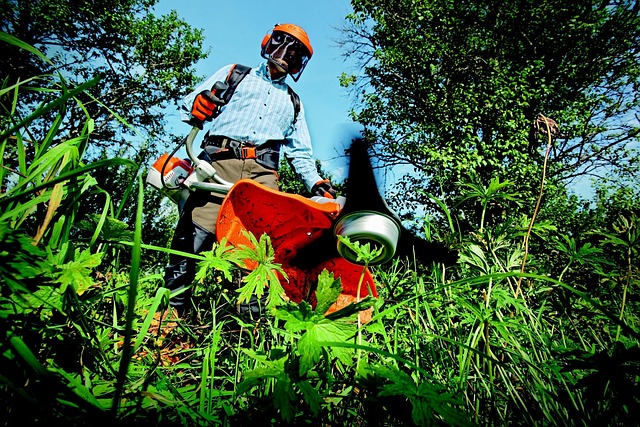
👀 Eye, Face & Respiratory Protection: Often Overlooked, Always Needed
🌬️ Gardening Isn’t Always Gentle on the Air
Gardening looks calm, but many everyday tasks send tiny particles into the air—dry soil, compost dust, pollen, sap, and spray mist. While plants benefit from this work, your eyes, nose, throat, and lungs often take the hit. The discomfort may feel minor at first, but repeated exposure can trigger allergies, irritation, or breathing trouble over time.
Protecting these areas is about preventing invisible harm.
🛡️ Protective Equipment That Truly Makes a Difference
🥽 Safety Goggles
During pruning, trimming, or spraying, small twigs, droplets, and debris can easily reach your eyes. Safety goggles create a clear barrier, preventing irritation, redness, and accidental injury—especially when working above eye level.
😷 Face Masks
Composting, mixing soil, or using organic sprays releases fine particles that shouldn’t be inhaled regularly. A simple breathable mask protects your lungs from dust, fungal spores, and spray residue, making long gardening sessions easier to tolerate.
🧣 Scarves or Face Covers
A lightweight scarf or face cover shields your nose and mouth from dust, insects, and flying debris. It’s an easy, flexible option for hot days when full masks feel uncomfortable.
🌼 Extra Care for Sensitive Gardeners
For gardeners with allergies, asthma, or sensitive skin, this gear isn’t optional—it’s essential. Proper eye and respiratory protection allows you to stay outdoors longer without irritation, sneezing, or fatigue.
When you guard what you can’t see, gardening stays soothing instead of stressful.
🔧 Ergonomic Tools: Protect Your Body & Your Plants
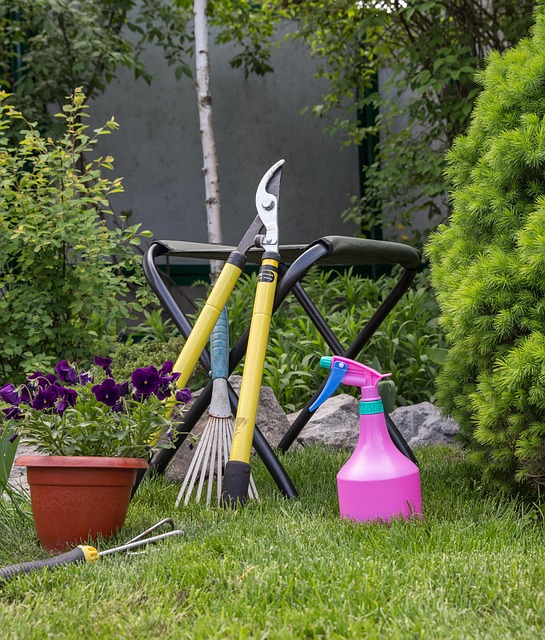
🌿 Tools Shape the Way You Garden
Gardening effort doesn’t just come from how long you work—but from what you work with. Poorly designed tools force your wrists to bend unnaturally, shoulders to overreach, and hands to grip harder than necessary. Over time, this leads to fatigue, joint pain, and rushed movements that can harm both you and your plants.
Ergonomic tools quietly correct these problems by working with your body, not against it.
💪 Why Ergonomic Tools Make a Real Difference
✔️ Reduce Wrist & Shoulder Fatigue
Curved handles and balanced weight distribution keep joints in natural positions, minimizing strain during repetitive tasks like pruning, weeding, or digging.
✔️ Improve Control & Precision
When tools fit your grip well, movements become smoother and more accurate. This means cleaner cuts, better planting depth, and less accidental damage to stems and roots.
✔️ Prevent Plant Injury
Sharp, well-designed tools cut cleanly instead of tearing plant tissue. Clean cuts heal faster, lowering the risk of disease and stress in plants.
✔️ Encourage Healthy Posture
Ergonomic lengths and handle angles reduce excessive bending and twisting, helping you maintain better posture while working.
🧰 What to Look for When Choosing Tools
✋ Soft, Non-Slip Handles
They reduce pressure on palms and prevent slipping, even when hands are wet or sweaty.
⚖️ Lightweight Materials
Light tools reduce arm strain and allow longer, relaxed gardening sessions without exhaustion.
✂️ Sharp, Rust-Resistant Blades
Sharp blades require less force, while rust-resistant materials ensure smooth performance and long tool life.
🌱 Comfort Reflects in Plant Care
When tools feel good in your hands, movements slow down, cuts become intentional, and plants are handled with patience. Comfortable gardeners don’t rush—and gentle hands always grow healthier gardens.
🧼 Clothing & Footwear: Your First Line of Defense
👕 Everyday Clothes Aren’t Built for Gardens
What you wear while gardening matters more than most people realize. Regular home clothes soak up moisture, tear easily, and offer little protection from insects, thorns, or slippery ground. Over time, the wrong clothing turns simple tasks into uncomfortable—and sometimes unsafe—experiences.
Garden-friendly clothing acts like light armor, protecting you without restricting movement.
👖 Smart Gardening Wear That Actually Helps
🐜 Full-Length Trousers
Long pants create a barrier against insect bites, crawling pests, thorns, and irritating plant sap. They also protect legs from sun exposure and accidental scrapes while working close to the ground.
👟 Closed-Toe Shoes or Garden Clogs
Open footwear leaves feet vulnerable to sharp tools, stones, thorns, and heavy pots. Closed-toe shoes or sturdy garden clogs protect toes and provide better balance during digging or lifting.
💧 Water-Resistant Footwear
Wet soil, morning dew, and overwatering can quickly soak regular shoes. Water-resistant footwear keeps feet dry, prevents fungal infections, and improves grip on slippery surfaces.
🧺 Aprons With Pockets
A good gardening apron keeps tools within reach, reducing constant bending and pocket searching. It also protects clothes from soil stains and plant residue.
🌱 Stability Matters as Much as Comfort
Good footwear does more than protect—it prevents slipping on muddy or uneven ground. Stable footing means fewer falls, better posture, and more confidence while working.
When your clothing supports your movement, gardening feels lighter, safer, and far more enjoyable 🌿
📊 Gardening Safety Problems & Smart Solutions
| Gardening Safety Problem | Why It Happens | Smart Safety Gear Solution |
|---|---|---|
| Hand cuts & skin rashes | Direct soil contact, thorns, rough tools | Protective gardening gloves |
| Back pain | Continuous bending and poor posture | Garden stool, raised beds |
| Knee injuries | Pressure from hard soil or stone surfaces | Knee pads, kneeling mat |
| Sunburn & fatigue | Long hours under direct sunlight | Wide-brimmed hat, full-sleeve clothing |
| Eye irritation | Flying debris during pruning or spraying | Safety goggles |
| Breathing discomfort | Compost dust, soil particles, spray mist | Face mask or breathable face cover |
| Tool fatigue | Heavy tools or poor grip design | Ergonomic gardening tools |
🌼 How Safety Gear Helps Plants Too
Protective gardening gear is often seen as self-care—but its benefits quietly extend to the plants as well. When your body feels safe and supported, your movements become calmer, slower, and more intentional. That change alone makes a visible difference in plant health.
🌱 The Hidden Link Between Safety & Plant Care
🧤 Gloves Build Confidence
When your hands are protected, you prune, pinch, and handle stems without fear of cuts or irritation. This confidence leads to cleaner cuts, gentler handling, and less accidental damage.
🧍 Comfortable Posture Improves Precision
Proper support for your back and knees allows you to plant at the right depth, space roots correctly, and adjust soil without rushing. Plants benefit from accuracy.
🔧 Better Tools Mean Cleaner Work
Ergonomic, sharp tools slice instead of tearing. Clean cuts heal faster, reducing stress and disease risk in plants.
😌 Less Fatigue = Consistent Care
When gardening doesn’t exhaust you, care becomes regular instead of rushed. Watering, checking leaves, and small corrections happen on time—exactly when plants need them.
🌿 Healthy Gardeners Grow Healthier Gardens
A relaxed gardener notices more—new growth, early stress signs, subtle changes. Safety gear creates that calm. And calm, attentive care is what plants respond to best 🌱
🌱 Beginner-Friendly Gardening Safety Tips
Starting a garden should feel exciting—not intimidating or painful. A few mindful habits from day one can protect your body and set the tone for healthy, enjoyable gardening for years to come.
🧤 Begin With the Basics
You don’t need everything at once. Start simple: a good pair of gloves, a wide-brimmed hat, and a knee pad or mat. These three alone prevent the most common beginner injuries.
☀️ Respect the Weather
Avoid gardening during peak heat hours. Early mornings or late afternoons are kinder to your body, reduce dehydration, and keep your energy steady.
✂️ Maintain Your Tools
Clean, sharp tools require less force and give cleaner cuts. Dull or dirty tools strain muscles and increase the risk of plant damage and infection.
🧺 Store Gear With Care
Dry and store safety gear properly after use. Damp gloves, shoes, or pads invite fungus and shorten their lifespan—protective gear should stay protective.
🧍 Listen to Your Body
Pain is not proof of dedication. It’s a signal. Take breaks, stretch, hydrate, and stop when something feels wrong. Gardening is a long relationship—you don’t win by suffering.
🌿 Safe habits grow strong gardeners—and strong gardeners grow beautiful gardens.
🌸 A Closing Note Rooted in Care
Gardening was never meant to leave you aching, exhausted, or injured. At its heart, it’s a healing practice—a slow conversation between your hands and the earth. Choosing proper protective gardening gear isn’t an extra expense or overthinking; it’s a quiet promise to yourself that your well-being matters too.
When your hands feel safe, your back feels supported, and your body feels protected, something beautiful happens. Movements become calmer. Patience replaces rush. Gardening shifts back into what it was always meant to be—peaceful, productive, and deeply joyful 🌼.
🌱 A garden doesn’t truly thrive on water and sunlight alone—
it flourishes when the gardener is cared for as gently as the plants.

