
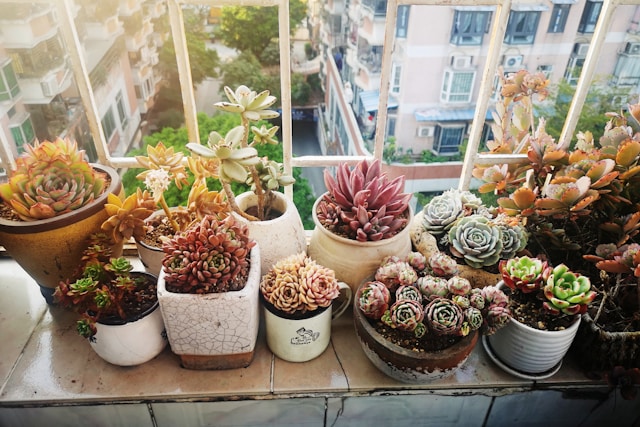
India is not an easy place for outdoor plants—and succulents feel this reality more than most people realise. One part of the year brings cool, forgiving winters. Another throws heat so fierce it crosses 45–47°C, followed by monsoon rains that don’t ask for permission before flooding pots and soil. In this climate, outdoor gardening isn’t about passion alone—it’s about reading the land and respecting its moods.
Succulents are often advertised as “hard-to-kill” plants, but that promise only holds true in balanced conditions. What they truly love is bright light and dry air, not endless heat waves or waterlogged soil. Under extreme Indian weather, even the toughest succulent can struggle quietly—showing damage only when it’s already exhausted.
This guide is written with Indian seasons at the centre, not as an afterthought. Instead of generic advice, it follows a season-wise outdoor strategy, helping you adjust care as the year changes. The aim isn’t to keep succulents barely alive—it’s to help them settle, colour up, and grow confidently outdoors, year after year.
Growing succulents in India isn’t about toughness.
It’s about understanding when to protect and when to let them soak in the sun. 🌞🌿
🌵 Understanding Outdoor Succulents in India
Sun Lovers, Heat Survivors — Not Heat Fighters
Succulents are designed to survive dry conditions, not extreme heat mixed with humidity. Their thick, fleshy leaves store water so the plant can pause during drought—but this survival feature is often misunderstood as heat tolerance.
In their natural habitats, most succulents grow under conditions that are tough yet balanced. They usually receive:
- Bright, open sunlight without heat getting trapped
- Cooler nights that allow the plant to recover
- Steady airflow that keeps leaves dry and healthy
- Soil that drains quickly and never stays wet
This balance is what keeps succulents compact, colourful, and resilient.
Indian summers—especially in North, Central, and Western regions—break this balance completely. Here, outdoor succulents face intense heat, hot winds, and pots that absorb and radiate heat for hours. When these factors combine, a healthy-looking plant can decline rapidly—sometimes within just a few days—if care isn’t adjusted.
The common mistake is assuming that “sun-loving” means “heat-proof.” In India, outdoor succulents don’t need harsher treatment—they need thoughtful placement, seasonal protection, and breathing space.
🌞 Outdoor-Suitable Succulents for Indian Conditions
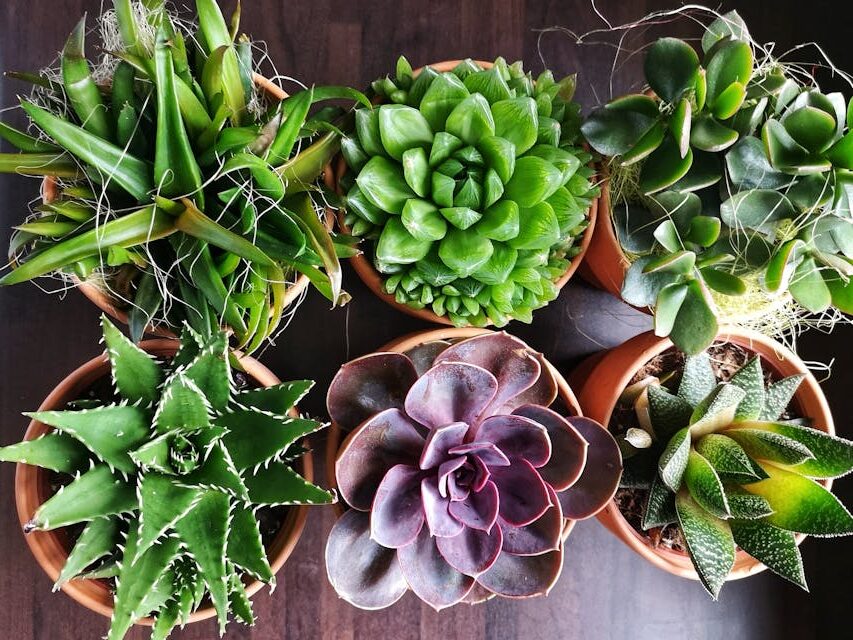
🔥 Extreme Heat–Tolerant Types (40–47°C, with mindful care)
Not all succulents collapse under Indian summers. A small group is naturally better equipped to handle intense sunlight, dry air, and prolonged heat, especially when planted thoughtfully. These are not “no-care” plants—but they are far more forgiving in hot regions.
Succulents that perform best under 40–47°C conditions include:
- Agave americana
- Agave attenuata
- Agave victoriae-reginae
- Aloe vera
- Aloe ferox
- Aloe arborescens
- Furcraea foetida
- Yucca filamentosa
- Yucca gloriosa
What makes these plants more suitable for extreme heat is their structure, not luck.
They usually have:
- Very thick, waxy leaves that slow water loss
- Stronger and deeper root systems that anchor them firmly
- A natural ability to tolerate long sun exposure without leaf collapse
Because of these traits, they are far better choices for ground planting in hot Indian regions compared to small, shallow-rooted succulents. When planted directly in soil, their roots stay cooler and more stable than in pots that overheat quickly.
That said, “heat-tolerant” does not mean immune. Even these succulents perform best when given:
- Good airflow
- Dry, fast-draining soil
- Temporary protection during peak heatwaves
In Indian summers, success comes from choosing the right plant first—and then respecting how extreme the season truly is.
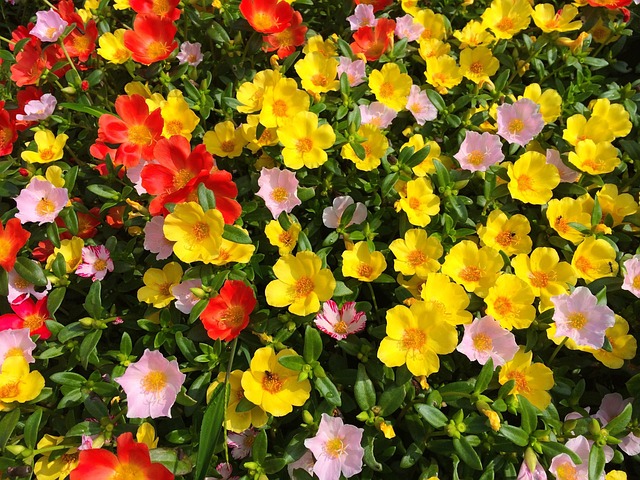
☀️ Heat-Loving & Fast-Recovering Succulents
Ideal for Indian Summers (Even When Growth Slows)
Not every succulent that struggles in peak heat is failing. Some simply pause, conserve energy, and wait for conditions to soften. These succulents are excellent examples—they may slow down during extreme summer weeks, but the moment temperatures drop or rains settle, they bounce back quickly and confidently.
Well-suited options for Indian summers include:
- Portulaca grandiflora (Moss Rose)
- Portulaca oleracea
- Sedum rupestre
- Sedum reflexum
- Sedum spurium
- Crassula ovata (Jade Plant)
- Crassula perforata (String of Buttons)
What makes these plants special is their recovery behaviour. Instead of collapsing under heat stress, they temporarily reduce growth, shed weak leaves if needed, and protect their core structure.
They are especially good for:
- Terraces and rooftops, where heat is intense but airflow is better
- Pot edges and borders, where quick drainage prevents rot
- Balconies with strong light, especially morning or filtered sun
These succulents are forgiving to gardeners who are still learning seasonal care. Even if summer causes minor leaf shrivelling or colour fading, most of these plants respond rapidly once temperatures stabilise—often producing fresh growth within weeks.
The key is to not panic during peak heat. With these varieties, patience matters more than intervention.
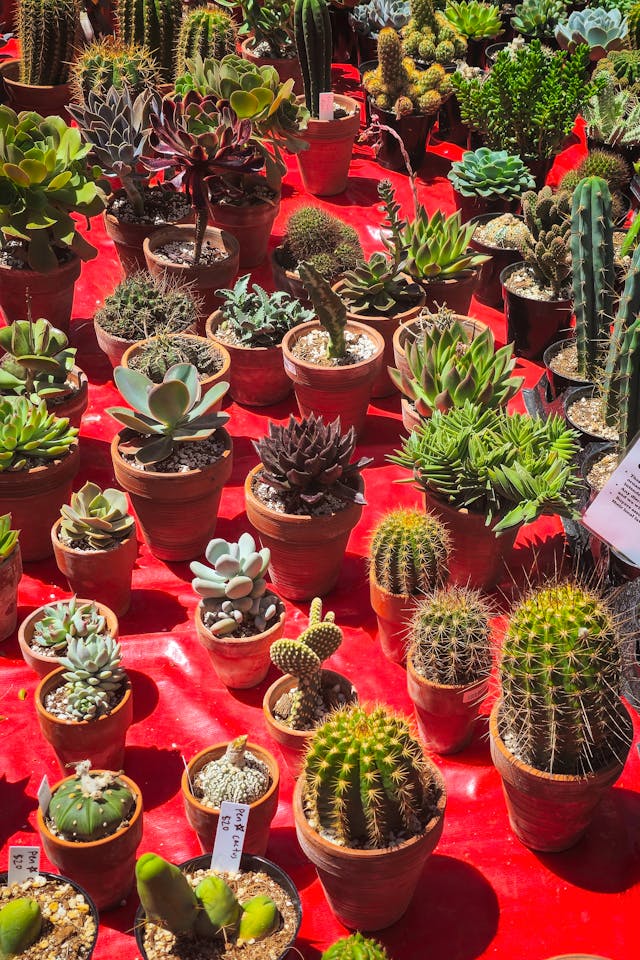
🌵 Desert-Style Succulents
Built for Dry Air, Open Sun, and Sharp Drainage
These succulents behave very differently from soft-leaf varieties. They come from arid, open landscapes, where soil dries fast, air keeps moving, and humidity stays low. In Indian conditions, they perform best only when this dryness is respected.
Best desert-style choices include:
- Euphorbia tirucalli (Pencil Tree)
- Euphorbia milii (Crown of Thorns)
- Euphorbia trigona
- Opuntia (Prickly Pear cactus)
- Cereus peruvianus
These plants are naturally resistant to extreme heat, but they are not tolerant of trapped moisture. The biggest danger to them isn’t summer sun—it’s poor drainage combined with humidity, especially during monsoon months.
They thrive best in:
- Rocky, gravel-based gardens
- Raised beds where water never stagnates
- Open, airy locations with full sun and wind movement
What makes them reliable in harsh climates is their structure:
- Tough outer skins that reduce moisture loss
- Upright or segmented growth that avoids soil contact
- Roots adapted to quick absorption and fast drying
Avoid placing these succulents in shaded corners, enclosed balconies, or damp soil mixes. In such spots, rot can begin quietly—even when the plant looks healthy from above.
For gardeners in hot, dry regions, desert-style succulents are among the most dependable outdoor performers, as long as drainage is treated as non-negotiable.
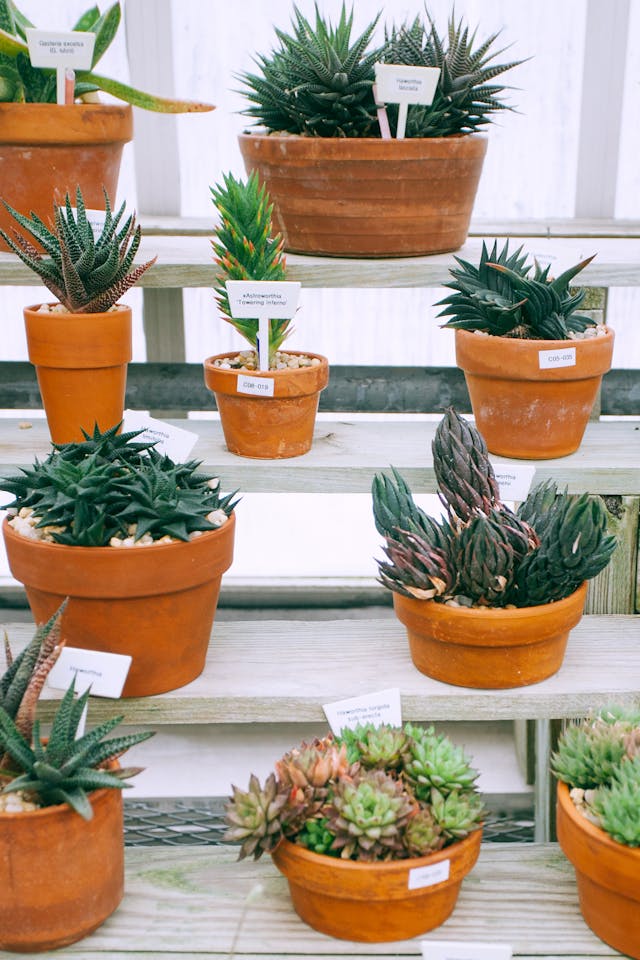
🌤️ Semi-Shade, Heat-Tolerant Succulents
Safer Choices for Extremely Hot Indian Cities
In cities where afternoon heat becomes brutal and reflective surfaces trap warmth, full sun isn’t always a gift. Some succulents cope far better when protected from direct afternoon rays, especially in dense urban settings where temperatures stay high even after sunset.
These varieties handle heat well as long as they’re given bright shade instead of harsh sun:
- Haworthia fasciata
- Haworthia limifolia
- Gasteria bicolor
- Sansevieria (Snake Plant)
- Sansevieria cylindrica
Unlike sun-hungry succulents, these plants evolved closer to rocks, shrubs, or taller vegetation. They’re comfortable with filtered light, reflected brightness, and gentler exposure.
They are especially suitable for:
- Balconies with overhead shade
- North- and Central-Indian cities where heat lingers all day
- Walls, corners, and railings that receive light but avoid direct afternoon sun
What makes them reliable in extreme heat is their slow, steady metabolism. They don’t rush growth, don’t panic under warmth, and rarely scorch when light is indirect. This also makes them excellent low-maintenance options for gardeners dealing with concrete heat islands.
Placing these succulents in full summer sun is a common mistake. In very hot cities, shade is not weakness—it’s protection.
🚫 Not True Heat-Lovers
These Popular Succulents Need Protection Above 40°C
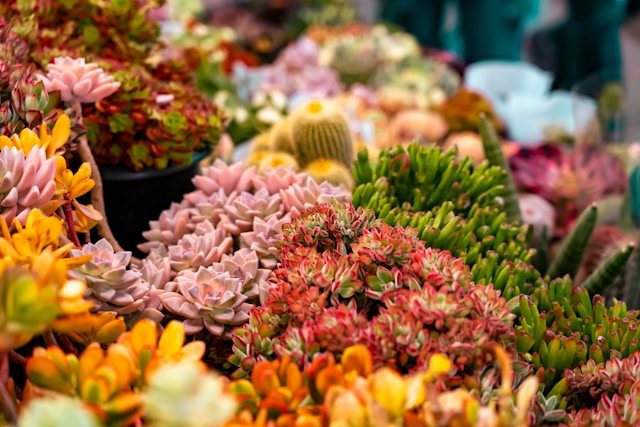
Many succulents that look stunning in photos are not built for Indian peak summers. They grow beautifully from October to February, sometimes even into early spring—but once May–June heat crosses 40°C, they begin to decline rapidly if left unprotected.
Succulents that suffer badly in extreme heat include:
- Echeveria (most varieties)
- Graptopetalum
- Pachyphytum
- Aeonium
- Kalanchoe tomentosa (Panda Plant)
- Sempervivum (Hens and Chicks)
- Cotyledon orbiculata
- Adromischus
- Dudleya
- Orostachys
- Graptoveria hybrids
- Sedeveria (many rosette types)
These are soft, rosette-forming succulents with exposed leaves that evolved for cooler, drier, and more temperate climates. Their leaf structure makes them extremely vulnerable to:
- Direct summer sun
- Hot, stagnant air
- Overheated pots
- Sudden temperature spikes
During peak Indian summers, they often show damage quickly:
- Leaves bleach or turn translucent
- Centres rot or dry out
- Plants collapse even when watering seems “correct”
How to Grow Them Safely in India
👉 Grow these succulents only with protection:
- Use 50–75% shade nets outdoors
- Shift them to bright indoor light during May–June
- Keep them far from heat-reflecting walls and terraces
- Treat summer as a survival phase, not a growth period
These succulents are not weak—they’re simply out of place in open Indian summer sun. With timely shade and airflow, most of them recover strongly once temperatures ease.
🗓️ Season-Wise Outdoor Succulent Care in India
🌸 Winter (November–February): The Golden Growing Season
For most Indian regions, winter is when outdoor succulents finally feel at home. The stress of extreme heat is gone, humidity stays low, and sunlight becomes friendly instead of harsh. If there is one season when succulents truly show their potential outdoors, this is it.
🌤️ Climate Reality
During winter, conditions naturally align with what succulents prefer:
- Temperature: around 10–25°C
- Humidity: low and comfortable
- Sunlight: bright but gentle, without leaf-scorching intensity
These weeks allow succulents to grow actively without constantly defending themselves.
🌱 What You Should Do in Winter
This is the season to support growth, not restrict it:
- Keep succulents in full morning sun to early afternoon light
- Water regularly, but only after the soil dries completely
- This is the safest time to repot rootbound plants
- Propagate from offsets or healthy cuttings
- Apply light feeding, if you fertilise at all
🌈 What You’ll Notice
Winter rewards correct care quickly:
- Plants grow compact instead of stretched
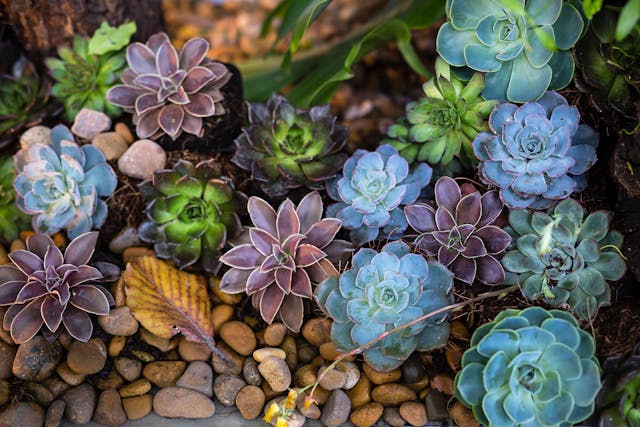
- Leaf colours deepen—reds, blues, and purples appear stronger
- Roots strengthen, preparing plants for tougher seasons ahead
Winter isn’t just a comfortable phase—it’s the foundation season. How well your succulents grow now decides how successfully they survive summer later.
🌼 Spring (February–March): The Growth Acceleration Phase
Spring is the transition season for outdoor succulents in India. Plants are still growing actively, but the warning signs of summer are already present. If winter built the foundation, spring is when succulents put on speed—and how you guide them now decides how well they face the heat ahead.
🌤️ Climate Reality
Spring brings noticeable changes:
- Temperature: roughly 20–32°C
- Sunlight: stronger each week, especially by mid-March
- Humidity: still manageable, but slowly rising
This is a productive season, but also a preparation phase.
🌱 Smart Spring Care Tips
Spring care is about adjustment, not excess:
- Gradually increase sun exposure—avoid sudden full-sun shifts
- Move plants from deep shade to brighter, airy spots
- Begin preparing for summer by improving drainage with extra grit or sand
- Allow roots to strengthen, not stretch
🌿 Feeding & Growth Control
- Continue light feeding early in spring if needed
- Reduce or stop fertiliser by late March to avoid soft, heat-sensitive growth
🌞 Why This Phase Matters
Spring is the last safe window to strengthen succulents naturally:
- Roots grow deeper
- Leaves firm up instead of staying soft
- Plants learn to tolerate brighter light without shock
Rushing growth or overfeeding during this time creates weak plants that struggle later. Spring rewards patience—and punishes hurry.
🔥 Summer (April–June): Survival Mode, Not Growth Mode
This is the season where most Indian gardeners lose their succulents, often without realising what went wrong. Summer is not a growth phase—it’s a stress test. Treating it like any other season is the fastest way to damage even healthy plants.
🌡️ Reality Check
Indian summers are extreme, not just warm:
- Temperature: 38–47°C and often higher in cities
- Hot winds (loo): strip moisture from leaves fast
- Overheated pots: especially on terraces and concrete floors
- Roots cook silently, long before leaves show damage
By the time symptoms appear above soil, the damage is often already severe.
❌ What Not to Do in Summer
Avoid these common mistakes at all costs:
- Do NOT keep succulents in full afternoon sun
- Do NOT water daily or on a fixed schedule
- Do NOT fertilise—this forces weak growth
- Do NOT use black plastic pots that trap heat
More care does not mean more survival in summer. Often, it means faster decline.
✅ Summer Survival Strategy
☂️ Light Management
Light should protect, not punish:
- Allow only early morning sun (6–9 AM)
- Use 50–75% green shade net if outdoors
- Shift pots close to bright walls or shaded corners, not open terraces
Filtered brightness keeps plants alive without burning their tissues.
🪴 Pot & Soil Protection
Roots must stay cool:
- Prefer terracotta or cement pots over plastic
- Use the double-pot method (a smaller pot placed inside a larger one)
- Top the soil with gravel or small stones to reflect heat and reduce evaporation
Heat stress often begins below the soil line, not on the leaves.
💧 Watering in Extreme Heat
Watering needs precision, not frequency:
- Water early morning only, never midday or night
- Check root zone moisture, not just surface dryness
- Slight leaf wrinkling is safer than soggy soil
In peak heat, overwatering kills more succulents than drought.
🧠 The Most Important Thing to Remember
During 47°C heat, succulents are resting, not growing.
They are conserving energy, slowing metabolism, and waiting for relief.
Trying to “help” them grow during this phase often does the opposite.
Summer success isn’t about growth—it’s about getting plants safely to the next season.
🌧️ Monsoon (July–September): The Hidden Danger Season
Monsoon is the most misunderstood season for succulents. Many gardeners assume rain equals relief after summer—but for succulents, prolonged moisture is often more dangerous than heat. This is the season when healthy-looking plants can collapse suddenly, sometimes overnight.
⚠️ Monsoon Risks You Can’t Ignore
Indian monsoons bring problems that succulents are poorly equipped to handle:
- Root rot from continuously wet soil
- Fungal and bacterial infections triggered by humidity
- Sudden plant collapse, even without visible warning signs
Unlike summer stress, monsoon damage happens below the soil first. By the time leaves soften or fall, recovery is often difficult.
🛡️ Monsoon Protection Rules
This season is about isolation and airflow, not exposure:
- Move potted succulents under a roof, shed, or transparent poly sheet
- For ground planting, use raised beds with a gravel or stone base
- Stop all fertilisation completely—plants are not in growth mode
- Increase spacing between pots and plants to improve airflow
If soil stays wet for days, succulents don’t “drink slowly”—they suffocate.
🌿 Succulents That Handle Monsoon Better
While no succulent truly loves monsoon, some tolerate it better than others:
- Portulaca
- Sedum (especially ground-cover types)
- Aloe (with excellent drainage)
Even these should never sit in stagnant water or poorly drained soil.
🌧️ Why Monsoon Needs Respect
Monsoon isn’t a recovery season—it’s a disease-risk season. Success here depends on how quickly soil dries and how freely air moves around the plant.
If summer is about survival from heat, monsoon is about escape from moisture.
🍂 Post-Monsoon (October): Recovery & Reset
October is a quiet but powerful turning point for outdoor succulents in India. After months of stress from heat and moisture, this short window offers plants a chance to heal, reset, and prepare for their best growing season ahead.
🌤️ Climate Reality
Post-monsoon conditions finally begin to favour succulents again:
- Temperatures cool down, especially at night
- Humidity drops steadily, reducing disease pressure
- Sunlight becomes bright but less aggressive
This shift signals the end of survival mode.
🌱 Essential Care Actions
October care should be gentle and observant, not rushed:
- Carefully inspect roots and remove any signs of rot
- Trim damaged or mushy growth to prevent spread
- Reintroduce light sun exposure, starting with mornings
- Resume gentle watering, allowing soil to dry fully
- Refresh topsoil or drainage layers if needed
Avoid heavy repotting unless rot is present. The goal is recovery, not disruption.
🌿 Preparing for the Best Season Ahead
Post-monsoon is when succulents quietly rebuild:
- Roots strengthen without stress
- New growth points form
- Plants regain firmness and balance
Handled correctly, this month sets the stage for strong winter growth, better colour, and compact form.
October isn’t just a transition—it’s a second chance season. What you fix now determines how confidently your succulents enter winter.
🌱 Best Soil Mix for Indian Outdoor Succulents
Drainage First, Nutrition Second
For outdoor succulents in India, soil quality matters more than watering frequency. The goal is not richness—it’s fast drainage, airflow, and temperature control. A soil mix that works indoors or in mild climates can become dangerous outdoors under Indian sun and monsoon rains.
🧱 Ideal Outdoor Soil Composition
A balanced, climate-safe mix looks like this:
- Garden soil (30%) – provides weight and stability so pots don’t tip or overheat
- River sand or coarse grit (30%) – ensures rapid drainage and prevents soggy roots
- Brick chips or gravel (25%) – creates air pockets and keeps the root zone breathable
- Compost (15%) – offers mild, slow nutrition without forcing soft growth
This mix dries evenly, stays airy, and keeps roots cooler compared to lightweight blends.
🌞 Why This Works for Indian Conditions
- Heavy components prevent heat build-up in pots
- Grit and gravel stop monsoon water retention
- Limited compost avoids excess growth during stress seasons
Outdoor succulents don’t need luxury soil—they need safe soil.
⚠️ Important Warning
Avoid cocopeat-heavy mixes for outdoor use. While popular, they:
- Retain too much moisture during monsoon
- Hold heat in summer, stressing roots
- Encourage rot when airflow is limited
Cocopeat works in controlled environments, not under open Indian weather.
A good soil mix won’t make succulents grow faster—but it will keep them alive, balanced, and ready to grow when the season is right.
🚑 Common Indian Climate Problems & Smart Fixes
What’s Happening—and What Actually Works
Outdoor succulents in India rarely fail without reason. Most problems are climate-triggered, not carelessness. Understanding why something is happening helps you fix it calmly—without overreacting.
🌡️ Problem–Cause–Action Guide (India-Specific)
| Problem You See | Indian Climate Cause | Correct, Calm Action |
|---|---|---|
| Sudden plant melt | Heat shock from extreme temperatures | Move plant to bright shade immediately, stop watering, allow recovery |
| Root rot | Continuous monsoon rain or poor drainage | Repot into dry, gritty soil; remove all rotten roots |
| Leaf burn or bleaching | Harsh afternoon sun | Use 50–75% shade net or shift to morning-sun location |
| Pest attack | High humidity + poor airflow | Spray neem oil in the evening, improve spacing |
| Growth stops completely | Summer dormancy | This is normal—do nothing, avoid water and fertiliser |
🧠 Why This Table Matters
Most damage happens when gardeners panic and over-care. In Indian weather:
- Heat stress worsens with watering
- Rot accelerates with feeding
- Dormancy is often mistaken for death
Responding correctly often means less action, not more.
🌵 Designing Outdoor Succulent Spaces for Indian Homes
Placement Matters More Than the Plant
In India, succulents don’t fail because of species choice alone—they fail because of where they’re placed. Good design works with heat, rain, and airflow instead of fighting them.
✅ Best Placements That Actually Work
These locations balance light, shade, and ventilation—exactly what succulents need outdoors:
- East-facing balconies
Gentle morning sun encourages healthy growth without burning leaves. - Covered or semi-covered terraces
Protection from afternoon heat and monsoon rain makes a huge difference. - Rock gardens with a natural slope
Sloped ground prevents water stagnation and mimics desert-style drainage. - Verandah edges and parapets
Bright light with partial shelter keeps plants dry and stress-free.
These spots allow succulents to experience sunlight without heat entrapment.
❌ Places That Almost Always Cause Failure
No matter how “tough” the plant is, avoid these locations:
- Open concrete rooftops
They trap heat all day and radiate it back at night, cooking roots. - Water-logged lawns or flat garden beds
Standing moisture leads to rot, especially during monsoon. - Fully enclosed, humid corners
Poor airflow encourages fungal issues and pest attacks.
Designing succulent spaces in India isn’t about decoration—it’s about microclimates. A small change in direction, cover, or airflow can decide whether a plant struggles or thrives.
🌞 The Real Meaning of “Let Them Bask” in India
In the Indian climate, basking does not mean burning. This phrase is often misunderstood—and that misunderstanding is why so many succulents suffer despite “good intentions.”
Here’s what basking actually means under Indian skies:
- Winter sun, not summer fire
Gentle seasonal sunlight builds strength; peak summer rays destroy tissue. - Dry roots, not wet soil
Succulents feel safest when roots can breathe, not when they’re constantly damp. - Bright light, not trapped heat
Open brightness with airflow matters more than raw sun exposure. - Observation, not over-care
Watching how a plant responds is more valuable than watering, feeding, or shifting it repeatedly.
Letting succulents bask in India is about timing, restraint, and awareness. When conditions are right, they thrive quietly. When they’re wrong, the best care is often stepping back.
This understanding—more than any fertiliser or tool—is what separates struggling plants from long-lived ones 🌵
🌿 A Message Written in Heat & Patience
Succulents don’t struggle in India because they are fragile.
They struggle because we forget a simple truth—even desert plants know when to rest.
When the sun turns harsh and the air feels heavy, they don’t ask for bravery.
They ask for shade, stillness, and time.
And when the heat softens and light becomes kind again, they open themselves slowly—without urgency.
Give them protection when summer roars.
Give them sunlight when the season whispers.
Do this, and your succulents won’t just survive in India—
they will stay with you for years, quietly strong, patiently alive 🌵☀️

