
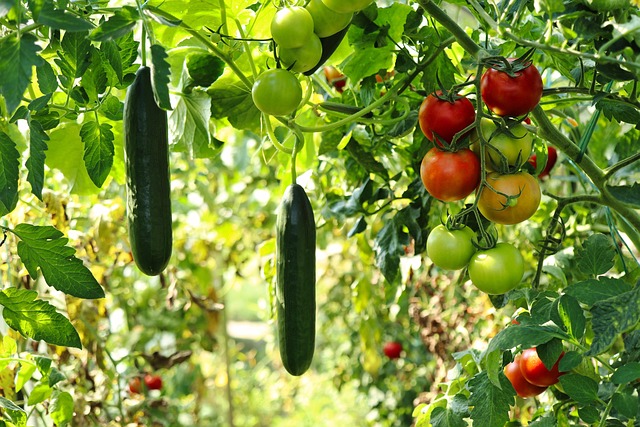
When winter tiptoes into the garden, everything seems to take a long, slow breath. The vibrant rush of growth pauses, the earth cools down, and many plants hunker down to just survive. But here’s the twist: winter isn’t a dormant period for everyone. In India, cool-weather crops like spinach, peas, carrots, radish, methi, and cabbage don’t just survive—they flourish out in the open.
So this naturally leads to a curious question:
👉 If winter vegetables already do well in the cold, why would anyone even consider a greenhouse?
The answer isn’t about rejecting the rhythms of nature. It’s about amplifying them. A heated greenhouse isn’t there to override winter—it’s there to extend what’s possible, protect crops from unpredictable cold snaps, and give gardeners a chance to grow beyond the usual seasonal boundaries.
In this article, we explore both sides of the story:
🌿 What thrives naturally in winter fields, and
🔥 Why heated greenhouses still play a valuable role.
That way, you get real, practical insight—not just theory—so you can decide what’s best for your garden. 🌱
🌿 Understanding Indian Winters: Gentle, Yet Unpredictable
Indian winters rarely arrive with drama. There are no long snowfalls or frozen ground in most regions. Instead, winter slips in quietly—and that’s exactly what makes it tricky.
One day feels comfortably warm under the sun ☀️
Nights suddenly turn sharp and cold ❄️
Morning fog blankets North India like a heavy curtain
Unexpected cold waves arrive without warning
And in many plains and hill regions, frost appears overnight
For plants, this uneven rhythm is more stressful than steady cold. Roots spend long nights sitting in chilled soil, while leaves heat up again under the daytime sun. This constant back-and-forth confuses growth signals, slows nutrient movement, and quietly weakens the plant’s momentum.
A greenhouse isn’t about creating tropical heat in winter.
Its real purpose is simpler—and smarter.
It softens the extremes, holds warmth when nights dip, and keeps temperatures from swinging wildly. By smoothing these daily shocks, a greenhouse gives plants something they crave more than heat: consistency 🌱
🥕 Yes, Many Vegetables Grow Naturally in Winter (No Greenhouse Needed)
Let’s pause and be completely honest here—a greenhouse is not a requirement for winter gardening in India. In fact, many vegetables actually prefer the open winter air and grow beautifully without any protection at all.
These winter-friendly crops feel right at home outdoors:
- Spinach (Palak)
- Fenugreek (Methi)
- Coriander
- Peas
- Radish
- Carrot
- Beetroot
- Cabbage
- Cauliflower
- Mustard greens
- Turnip
For most home gardeners who simply want fresh, seasonal vegetables, an open terrace, backyard bed, or even large containers are more than enough. With basic care and sunlight, these plants follow winter naturally—no extra structures required.
So the question returns, louder and clearer than before:
👉 If winter vegetables already grow so well, why does a greenhouse even exist?
And that’s where the real purpose of greenhouses begins—not with necessity, but with possibility. 🌱
🌱 The Real Purpose of a Heated Greenhouse
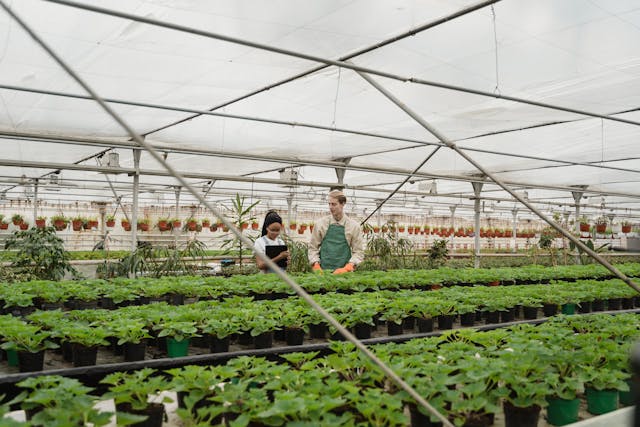
A heated greenhouse is not really about growing vegetables in winter. That idea sounds logical, but it misses the deeper truth. Winter vegetables have always grown outdoors, long before greenhouses existed. What a greenhouse truly offers is not defiance of the season, but relief from its unpredictability. Outside, plants move carefully through winter, slowing down whenever nights turn cold and waking again when the sun returns. Inside a greenhouse, that stop-and-start rhythm softens. Plants are no longer bracing themselves for temperature shocks; they are allowed to grow with continuity, confidence, and quiet strength.
The difference between plants growing outside and plants growing inside a greenhouse is subtle but powerful. Outdoors, vegetables survive. They adapt, endure, and wait. Inside a greenhouse, plants behave differently—they grow as if winter has become gentler. Roots stay warmer through the night, leaves do not suffer sudden cold stress, and growth continues without constant interruption. That single shift—from endurance to comfort—changes everything about plant health, structure, and harvest quality.
🔥 What Is a Heated Greenhouse?
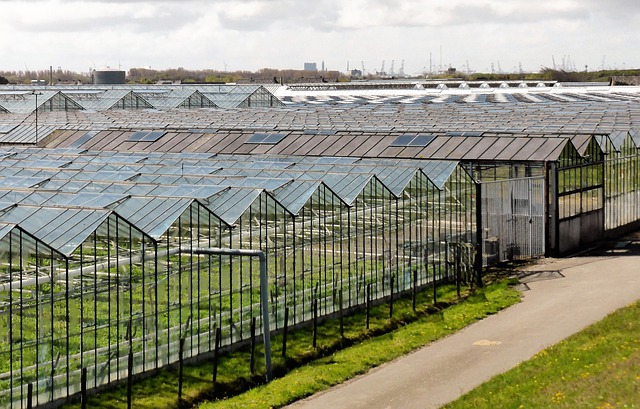
A heated greenhouse works in a very simple, almost humble way. During the day, it gathers sunlight and holds onto that warmth within its walls, soil, and air. When night arrives and temperatures fall, gentle heat steps in—not to overpower the season, but to support it. In Indian conditions, greenhouse heating is rarely aggressive or constant. It is usually mild, carefully controlled, and focused on nighttime hours, because that is when cold stress causes the most damage.
The intention is never to force summer into winter. Instead, the aim is to prevent plants from slipping into repeated stress, shock, or survival mode. When warmth is steady and predictable, plants grow calmly and naturally. Roots stay active, leaves remain productive, and growth follows a smooth rhythm instead of sudden pauses. This quiet stability is the true advantage of a heated greenhouse—and it is here that winter gardening transforms from a challenge into a gentle, rewarding experience 🌱
🌡️ Why Heated Greenhouses Are Needed (Even When Winter Vegetables Grow)
1️⃣ Protection from Cold Nights & Frost
Winter vegetables may look tough above the soil, but their real vulnerability lies underground. While leaves can tolerate cool air, roots react very differently to sudden drops in temperature. In open gardens, cold nights chill the soil quickly, slowing root activity and quietly stressing the plant long before any visible damage appears. Frost makes this worse, burning tender leaf edges, damaging growing tips, and often killing young seedlings overnight without warning.
A heated greenhouse softens these dangers in a simple but powerful way. By holding warmth after sunset, it keeps the soil from turning icy, allowing roots to stay active through the night. The gentle protection it provides prevents frost from settling on leaves and shields seedlings and young plants during their most delicate stage. Growth continues without interruption, and plants wake up each morning ready to grow instead of recovering from cold shock.
This protection becomes especially important in regions where winter behaves unpredictably. In North India, sudden temperature drops and dense fog create harsh nighttime conditions. Central India experiences cold waves that arrive without warning, while hill regions face regular frost that can undo weeks of careful gardening in a single night. In these areas, a heated greenhouse doesn’t replace winter gardening—it protects the effort already invested, turning fragile survival into steady, reliable growth 🌱
2️⃣ Growing Non-Winter Vegetables During Winter
This is where the real magic of a heated greenhouse truly begins, and for many gardeners, this alone justifies its existence. Winter vegetables already grow outdoors with little complaint, but a greenhouse quietly breaks the seasonal wall by allowing warm-season crops to continue growing when winter would normally stop them. Instead of forcing plants to endure cold soil and freezing nights, a greenhouse creates a protected pocket of warmth where growth feels natural and uninterrupted.
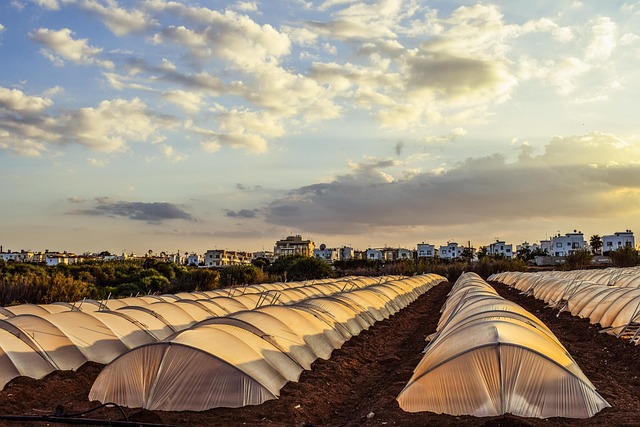
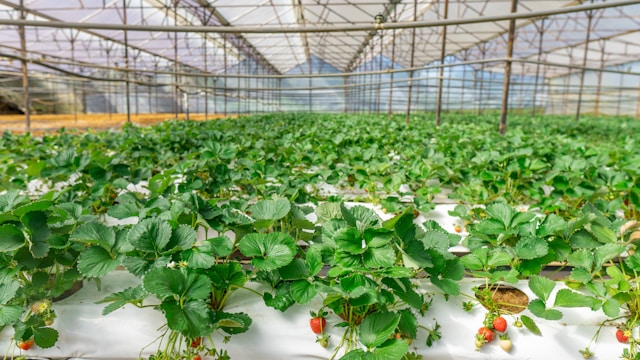
Inside a heated greenhouse, crops such as Tomato 🍅, Capsicum 🌶️, Chilli, Cucumber 🥒, Beans, French Beans, Cowpea, Brinjal (Eggplant), Okra, Strawberry 🍓, Melon seedlings, Basil 🌿, Mint, Parsley, Coriander (off-season), and even Cherry Tomatoes can grow comfortably through winter. These plants are not designed for cold conditions. Outdoors, winter nights chill their roots, flowers fall before setting fruit, leaves turn weak, and growth either slows dramatically or stops altogether. Many of them simply cannot survive prolonged cold without protection.
A heated greenhouse changes this struggle into stability. The soil remains warm enough for roots to stay active, flowering continues without shock, and fruits develop steadily instead of aborting midway. For home gardeners, this means enjoying fresh tomatoes, chillies, cucumbers, herbs, and berries when winter would normally offer very little variety. For small growers, it means extended harvests, better use of space, and freedom from strict seasonal boundaries. This ability to grow crops that naturally fear winter—without stressing or weakening them—is what makes heated greenhouses such a powerful and rewarding tool. 🌱
3️⃣ Faster Growth & Better Quality
Winter gardening in the open is often a lesson in patience. Plants do grow, but they do so slowly and cautiously. Cold soil restricts root activity, shorter days limit energy production, and frequent temperature swings interrupt growth again and again. As a result, leaves remain smaller, stems stay thinner, and crops take much longer to reach maturity. The harvest eventually comes—but it arrives late and often in uneven quality.
Inside a heated greenhouse, the story is very different. Stable warmth keeps roots active throughout the day and night, allowing plants to absorb nutrients without pause. Leaves expand fully, growth becomes faster and more confident, and plants develop a healthier structure overall. Because stress is reduced, foliage stays tender instead of turning tough, and crops mature more uniformly rather than in scattered stages.
This is exactly why greenhouse-grown greens—often seen coming from polyhouses—stand out in markets. Their colour looks richer, leaves appear softer and fresher, and harvests arrive evenly instead of bit by bit. What customers recognise as “premium quality” is not about chemicals or shortcuts; it is simply the result of consistent growing conditions. When plants grow without interruption, quality naturally follows 🌱
4️⃣ Protection from Fog, Dew & Diseases
Indian winters don’t just bring cold—they bring moisture, and that moisture often becomes the silent enemy of healthy plants. Heavy fog in the early mornings, lingering dew on leaves, and long hours of dampness create the perfect environment for fungal diseases to spread. In open gardens, leaves remain wet for extended periods, sunlight takes time to break through the fog, and plants begin their day already under stress. Over time, this repeated moisture exposure leads to leaf spots, mildew, rot, and other infections that weaken crops and reduce yields.
A greenhouse changes this environment in a quiet but powerful way. By keeping plants covered, it significantly reduces direct exposure to fog and morning dew, allowing leaves to stay drier and healthier. Controlled airflow inside the structure helps moisture escape instead of settling, while stable temperatures prevent the damp chill that fungi love. Because plants face fewer disease triggers, the overall pressure from infections drops naturally.
This healthier air means gardeners don’t have to rely heavily on chemical sprays just to keep plants alive. Fewer diseases lead to fewer treatments, and fewer treatments result in cleaner, stronger plants. In the end, it becomes a simple equation: when air stays balanced and leaves stay dry, plants stay healthy. That quiet control over moisture is one of the most underrated benefits of a heated greenhouse 🌬️🌿
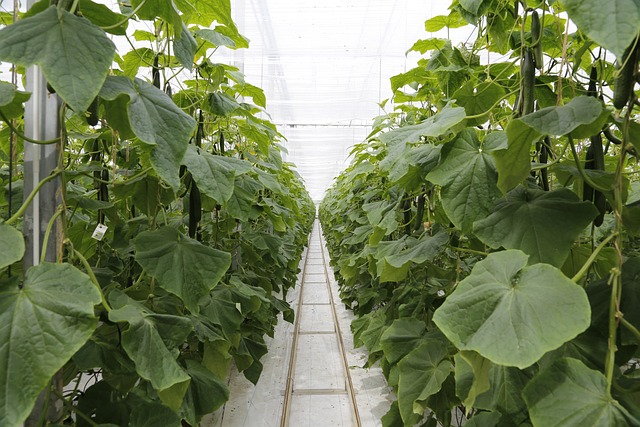
5️⃣ Extended Harvest Season
Without a greenhouse, winter gardening follows a very strict calendar. Sowing must happen within a narrow time window, growth depends heavily on weather cooperation, and harvesting ends as soon as temperatures begin to rise or fall beyond tolerance. Once the season closes, production stops—no matter how healthy the plants were. This fixed cycle limits both flexibility and output, especially when unexpected cold spells or weather delays interfere with planting schedules.
A heated greenhouse gently loosens these restrictions. Seeds can be sown earlier than usual because soil warmth is protected, and harvesting can continue well beyond the traditional end of the season. Instead of one short burst of produce, gardeners enjoy a longer, more consistent supply. Plants are not rushed to mature before conditions change, which results in steadier yields and better-quality harvests over time.
This extended growing window is especially valuable for commercial growers, nursery owners, and anyone involved in seedling production. Early sowing allows seedlings to be ready when the market demands them, while late harvesting ensures continuous availability when outdoor supplies begin to drop. In practical terms, a greenhouse turns winter from a short season into a flexible timeline—one that rewards planning, stability, and patience 🌱
🔥 Types of Heating Suitable for Indian Greenhouses
When people hear the word heated greenhouse, they often imagine expensive equipment and high electricity bills. In reality, Indian greenhouses rarely need heavy or aggressive heating. Most winters are mild enough that simple, thoughtful methods can provide all the warmth plants require. The key is not adding heat blindly, but using warmth wisely, only where and when it truly matters.
1️⃣ Passive Solar Heating
Passive solar heating is the simplest and most natural way to warm a greenhouse, and it works beautifully in many parts of India. During the day, sunlight enters the greenhouse and warms the air, soil, and solid surfaces inside. Materials such as water drums, stone floors, or even thick earthen beds act as thermal mass, quietly storing this heat and releasing it slowly as night temperatures drop. This gentle release keeps the environment from cooling too quickly after sunset.
Because it relies mostly on the sun and smart design rather than machines, passive solar heating is ideal for regions with mild winters and good daytime sunlight. It requires very little maintenance, almost no ongoing cost, and no complicated systems to manage. For home gardeners and small growers, this low-cost approach often provides just enough warmth to protect plants from nightly cold stress—proving that sometimes, the most effective solutions are also the simplest 🌱
2️⃣ Electric Heaters
Electric heaters are a practical option for small home greenhouses where precise temperature control matters more than large-scale heating. They are especially useful during winter nights, when temperatures drop suddenly and plants are most vulnerable. Instead of running constantly, these heaters are usually switched on only when needed, offering targeted warmth exactly at the time plants require it most.
When paired with a thermostat, electric heaters become even more efficient and safer to use. The thermostat ensures the heater turns on only when temperatures fall below a set limit and switches off once warmth is restored. This prevents overheating, saves electricity, and keeps the greenhouse environment stable rather than fluctuating. For terrace gardeners and hobby growers, electric heaters offer a clean, controlled way to protect plants without complexity—making them a reliable solution for night-time winter protection 🌱
3️⃣ Soil Heating Cables
Soil heating cables focus on the most important part of the plant—the roots. Instead of warming the entire greenhouse air, these cables are placed beneath the soil, delivering gentle heat directly to the root zone where growth begins. This targeted warmth keeps roots active even during cold nights, allowing plants to absorb nutrients and water without interruption.
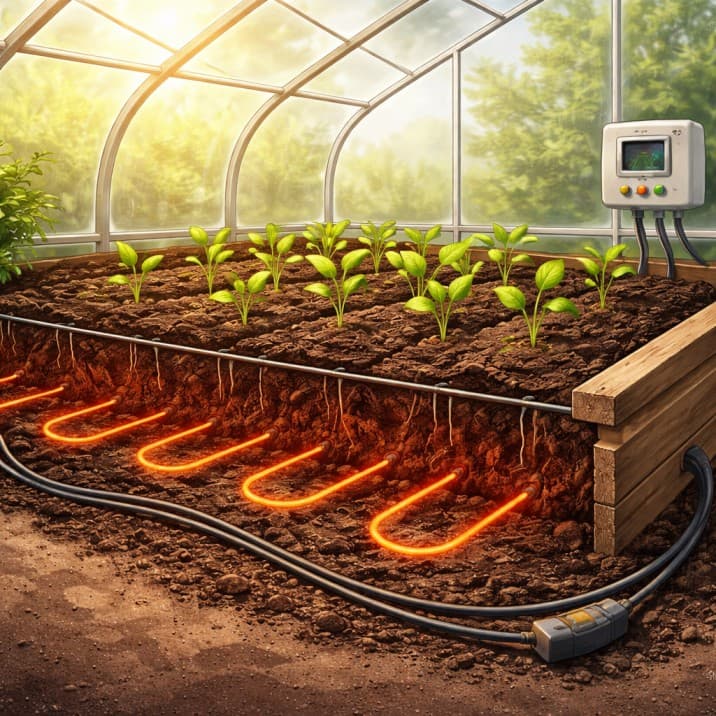
Because the heat is concentrated below the surface, soil heating cables are especially effective for seedlings, young transplants, and leafy greens, which are highly sensitive to cold soil. They encourage faster establishment, stronger root systems, and healthier early growth. Another major advantage is efficiency: by warming only what truly matters, these cables use far less energy than air heaters. For gardeners looking for a smart, economical way to support winter growth, soil heating cables offer quiet, reliable warmth right where plants need it most 🌱
4️⃣ Gas or Kerosene Heating
Gas and kerosene heating systems are generally seen in large commercial polyhouses, especially in regions where winters are colder and night temperatures drop too low for passive or electric heating alone. These systems produce stronger, more consistent heat, making them suitable for protecting crops during prolonged cold spells or extreme winter nights when other methods fall short.
However, this type of heating comes with responsibility. Because gas and kerosene heaters burn fuel, proper ventilation becomes essential to prevent the buildup of harmful gases and excess humidity inside the greenhouse. When designed and managed correctly, ventilation allows warm air to circulate safely while maintaining oxygen balance for both plants and workers. For colder zones and large-scale operations, these heaters provide reliable protection—but they work best when combined with good airflow management and careful temperature monitoring. When heat and ventilation are balanced, even harsh winter conditions can be handled without compromising plant health 🌱
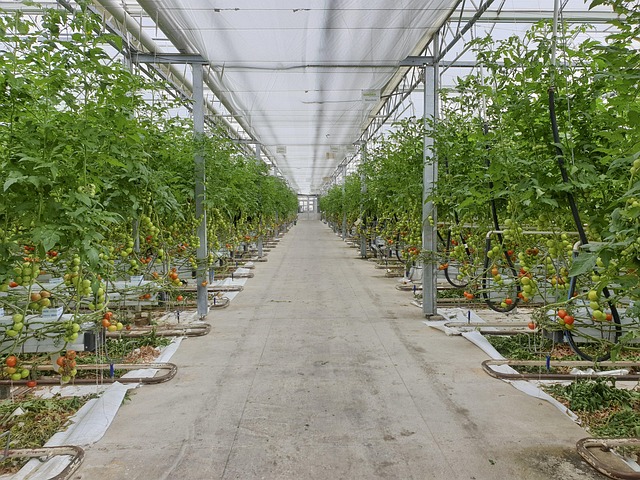
🌿 What Can You Grow in a Heated Greenhouse During Winter?
A heated greenhouse quietly removes the seasonal wall that winter places around the garden. Instead of being restricted to only hardy crops, gardeners gain the freedom to grow a wide mix of greens, fruits, flowers, and herbs that would normally slow down or disappear in cold months. With stable warmth, protected soil, and calmer air, winter becomes less about compromise and more about choice. Growth no longer pauses every cold night, and plants behave as if the season has softened around them.
🥬 Leafy Greens
Leafy greens are among the most rewarding plants to grow in a winter greenhouse because they enjoy cool air but strongly dislike cold soil and temperature shocks. With gentle warmth around their roots, crops such as Lettuce, Spinach, Kale, Rocket leaves (Arugula), Swiss chard, Pak choi, Bok choy, Mustard greens, Tatsoi, Mizuna, Endive, and loose-leaf salad mixes grow faster and more evenly. Instead of slow, hesitant growth seen in open winter beds, greenhouse greens stay tender, develop richer colour, and provide regular harvests throughout the season.
🍅 Fruiting Plants
Fruiting plants are where a heated greenhouse truly transforms winter gardening. Crops like Cherry tomatoes, Grape tomatoes, Capsicum, Chilli peppers, Strawberries, Compact cucumbers, Mini cucumbers, Bush beans, French beans, Early peas, Dwarf brinjal (eggplant), and even early Zucchini struggle badly in open winter conditions. Inside a greenhouse, stable temperatures keep roots active, flowers remain attached instead of dropping, and fruits develop steadily without stress. This allows gardeners to enjoy fresh, warm-season produce at a time of year when it would otherwise be impossible.
🌸 Flowers
A winter greenhouse does not have to be only productive—it can be beautifully colourful as well. Flowering plants such as Petunia, Pansy, Dianthus, Calendula, Sweet peas, Alyssum, Phlox, Verbena, Lobelia, Snapdragon (Antirrhinum), Viola, and Stock flowers thrive when protected from frost, fog, and cold winds. Inside the greenhouse, blooms last longer, colours appear brighter, and plants maintain a healthier, fuller shape compared to those exposed to harsh outdoor winter conditions.
🌿 Herbs
Herbs respond exceptionally well to greenhouse growing during winter because most of them suffer more from cold roots than from cool air. With stable soil temperatures, herbs such as Basil, Parsley, Oregano, Thyme, Mint, Rosemary, Sage, Chives, Dill, Coriander (off-season), Fennel greens, and Lemon balm remain leafy, aromatic, and productive. Instead of turning weak, woody, or dormant, greenhouse-grown herbs continue supplying fresh harvests for cooking and teas throughout the colder months.
📊 Best Growing Conditions Inside a Heated Greenhouse (India)
A heated greenhouse does not need extreme warmth to be successful. In fact, too much heat often causes more harm than good. Plants grown in winter respond best to comfort and stability, not forced temperatures. The aim is to create an environment where plants feel relaxed enough to grow steadily, without stress or shock.
🌡️ Ideal Climate Balance for Winter Greenhouse Growing
| Factor | Ideal Range (Indian Conditions) |
|---|---|
| Day Temperature | 18–25°C |
| Night Temperature | 12–15°C |
| Sunlight | 6–8 hours |
| Soil | Loose, well-drained, organic-rich |
| Water | Moderate, never waterlogged |
| Ventilation | Daily airflow required |
These ranges work well for most winter greenhouse crops in India, from leafy greens and herbs to fruiting plants and flowers. During the day, moderate warmth combined with sunlight keeps photosynthesis active. At night, slightly cooler temperatures allow plants to rest without slipping into cold stress.
🌿 Why Comfort Matters More Than Heat
Many gardeners assume that a heated greenhouse should feel warm like summer, but that approach often leads to weak growth, fungal problems, and excessive water loss. Plants do not need high heat—they need predictability. When temperatures stay within a calm range, roots remain active, leaves stay healthy, and growth continues without interruption.
Good ventilation plays an equally important role. Fresh air prevents moisture buildup, reduces disease pressure, and keeps plants breathing properly. Combined with loose, organic-rich soil and controlled watering, this balanced environment allows plants to grow naturally instead of being pushed unnaturally fast.
In short, the success of a heated greenhouse lies in restraint.
The goal is comfort, not heat—and when plants feel comfortable, healthy growth follows naturally 🌱
⚠️ Common Greenhouse Problems & Practical Solutions
A greenhouse is a powerful growing space, but it only works well when balance is maintained. Most greenhouse failures don’t happen because of cold—they happen because of too much protection, too much heat, or too little airflow. The good news is that almost every common problem has a simple, practical solution.
🛠️ Typical Greenhouse Issues and How to Fix Them
| Problem | Main Cause | Easy, Practical Solution |
|---|---|---|
| Excess humidity | Structure kept closed for too long | Open vents and doors during mid-day |
| Fungal diseases | Poor air circulation | Improve spacing, use fans for airflow |
| High power bills | Overheating the greenhouse | Add insulation and thermal mass |
| Weak or leggy plants | Low light levels | Use reflective walls or surfaces |
| Root rot | Overwatering in cool soil | Reduce watering and improve drainage |
🌿 Why Balance Matters More Than Control
Many gardeners make the mistake of treating a greenhouse like a sealed box that should never be opened. In reality, plants need fresh air, gentle temperature shifts, and breathing space just as much as they need warmth. Excess humidity invites disease, constant heat weakens plant structure, and overwatering suffocates roots—especially in winter.
A successful greenhouse feels calm, not extreme. Vents open during the day, warmth is reduced once plants are comfortable, and water is given only when soil truly needs it. When airflow, moisture, light, and temperature stay in harmony, plants grow stronger with fewer interventions.
In the end, a greenhouse does not succeed through force or excess care.
It succeeds through balance—and plants respond beautifully when that balance is respected 🌱
🏡 Who Should Use a Heated Greenhouse?
A heated greenhouse is not a one-size-fits-all solution. For some gardeners, it would be unnecessary effort. For others, it can completely change what is possible during winter. The key is understanding your gardening goal, location, and crop choice—not just following trends.
📋 Is a Heated Greenhouse Right for You?
| Gardener Type | Is a Heated Greenhouse Needed? |
|---|---|
| Basic winter vegetable grower | ❌ Not required |
| Growing tomatoes or capsicum in winter | ✅ Yes |
| Commercial vegetable grower | ✅ Highly useful |
| Hill-region gardener | ✅ Essential |
| Nursery & seedling grower | ✅ Must-have |
🌱 How to Read This Table (Without Overthinking)
If your goal is limited to traditional winter vegetables like spinach, peas, radish, or methi, an open garden or terrace setup is usually enough. These crops are naturally adapted to winter, and a greenhouse would add cost without much benefit.
However, if you want to grow tomatoes, capsicum, cucumbers, strawberries, or herbs during winter, a heated greenhouse becomes a practical tool rather than a luxury. These plants are sensitive to cold soil and night temperatures, and without protection, they struggle or fail completely.
For commercial growers, consistency matters more than seasons. A greenhouse allows predictable harvests, better quality, and extended production windows. In hill regions, where frost and prolonged cold are unavoidable, heated greenhouses often move from being helpful to absolutely essential. And for nursery owners or seedling producers, controlled warmth is non-negotiable—young plants simply cannot tolerate winter stress.
In short, a heated greenhouse is not about gardening status or ambition.
It’s about matching the tool to the purpose. When used by the right gardener, it doesn’t complicate growing—it simplifies it 🌱
🌍 Is a Heated Greenhouse Sustainable?
The short answer is yes—but only when it is done thoughtfully. A heated greenhouse does not have to be an energy-hungry structure running day and night. In fact, sustainability in greenhouse growing has very little to do with avoiding heat altogether and everything to do with how, when, and why heat is used. When warmth is applied with intention rather than excess, a greenhouse can be surprisingly efficient and environmentally responsible.
🌱 How to Make a Heated Greenhouse More Sustainable
Sustainability begins with timing. Heating only during the coldest hours of the night drastically reduces energy use while still protecting plants when they are most vulnerable. During the day, sunlight does most of the work, especially when the greenhouse is designed to trap and retain warmth naturally.
Simple additions can make a big difference. Using solar panels to power fans or small heaters lowers dependence on grid electricity. Adding water barrels or other thermal mass inside the greenhouse helps store daytime heat and release it slowly after sunset, reducing the need for active heating. Proper wall insulation prevents warmth from escaping too quickly, ensuring that whatever heat is added is not wasted.
Crop choice also plays an important role. Growing season-smart crops—plants that already tolerate cooler temperatures but benefit from slight warmth—means less energy is required overall. Instead of forcing tropical conditions, the greenhouse works with the season rather than against it.
♻️ Sustainability Is About Decisions, Not Perfection
A sustainable heated greenhouse does not aim to eliminate energy use entirely. It aims to use just enough, only when needed, and in the smartest way possible. When heating is targeted, insulation is improved, and natural resources like sunlight are fully utilised, a greenhouse becomes a tool for efficiency rather than excess.
In the end, sustainability is not about doing everything—it’s about making better choices.
And when those choices are thoughtful, a heated greenhouse can support both healthy plants and a healthier planet. 🌱
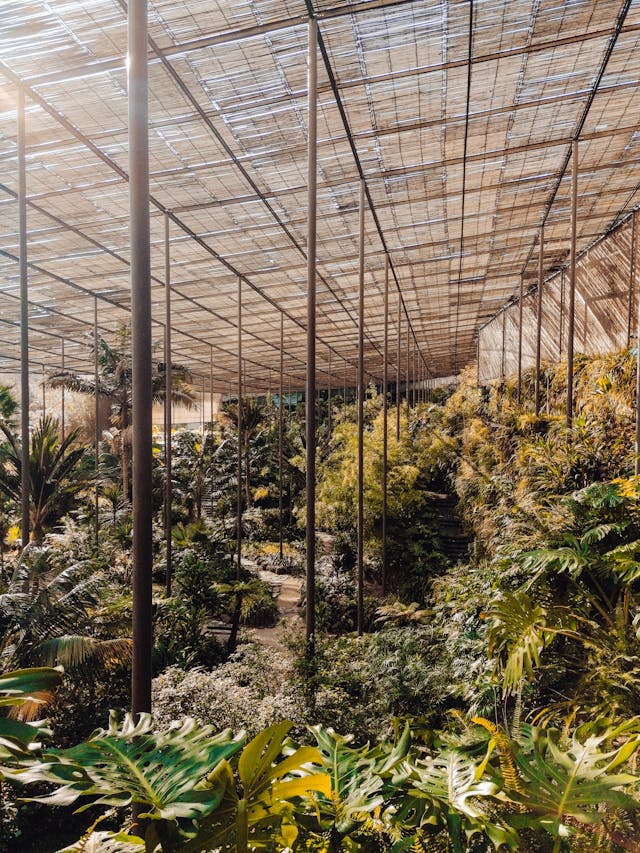
🌱 Greenhouse vs Open-Garden: Which One Should You Choose?
Both open gardens and greenhouses have their place in Indian gardening. The right choice is not about which method is “better,” but about what you want to grow, where you live, and how much control you need. This comparison helps you clearly see where each method shines—and where it struggles.
📊 Open Garden vs Greenhouse (India-Specific Comparison)
| Decision Factor | Open Garden (Outdoor Growing) | Greenhouse / Heated Greenhouse |
|---|---|---|
| Best for which crops | Seasonal winter vegetables like spinach, carrot, peas, radish | Tomatoes, capsicum, cucumber, strawberry, basil + winter crops |
| Cold night protection | ❌ No protection | ✅ Fully protected |
| Frost safety (North India) | ❌ Risk of leaf & root damage | ✅ Safe from frost |
| Temperature stability | ❌ Large day–night fluctuation | ✅ Controlled & stable |
| Fog & dew impact | ❌ High disease risk | ✅ Reduced moisture issues |
| Growth speed | Slow and seasonal | Faster and consistent |
| Harvest duration | Fixed season only | Extended season |
| Water requirement | Higher evaporation loss | Efficient and controlled |
| Pest & disease control | Natural but unpredictable | Easier to manage |
| Electricity / fuel cost | None | Low to moderate (only if heated) |
| Initial investment | Very low | Medium to high |
| Skill & monitoring needed | Minimal | Moderate |
| Best for home gardeners | ✅ Yes (winter-only crops) | ✅ Yes (off-season growing) |
| Best for commercial growers | ❌ Limited profit | ✅ Higher yield & income |
| Suitability for hill regions | ❌ Difficult | ✅ Highly suitable |
| Year-round growing | ❌ No | ✅ Yes |
🌿 Making the Right Choice for Your Space
The right growing method is the one that fits your space, your climate, and your expectations—not the one that sounds impressive. If you have an open terrace or backyard and enjoy growing seasonal winter vegetables without constant monitoring, an outdoor garden can be deeply satisfying and low-effort. But if your space faces cold nights, heavy fog, frost, or unpredictable weather—or if you want to grow crops that don’t belong to winter—a greenhouse becomes a supportive tool rather than an extra burden. What matters most is how much control your space needs. When your setup matches your environment and goals, gardening feels easier, more rewarding, and far more enjoyable 🌱
🌿 Beyond Vegetables: The Emotional Side of Greenhouses
A greenhouse in winter is far more than a structure built for plants. It becomes a space that feels alive when the rest of the garden is quiet. While fields outside slow down and trees stand bare, the greenhouse continues to breathe warmth, colour, and movement. It quietly reminds us that growth does not disappear just because the season has changed—it simply finds a safer place to continue.
Stepping into a greenhouse on a cold winter morning feels like stepping out of time for a moment. The air is softer, the light is gentler, and the smell of damp soil and green leaves immediately calms the senses. There is no rush inside. Plants grow steadily, without noise or drama, and that slow rhythm has a grounding effect on the gardener as well. It becomes a warm refuge—not just for seedlings and tender leaves, but for the mind.
For many people, a greenhouse turns into a quiet green space where routine worries fade. Watering plants, checking new growth, or simply standing among living greenery brings reassurance during a season that often feels dull or stagnant. In winter, when days are shorter and outdoor work feels harder, the greenhouse becomes a reminder that care still leads to results. Something is always responding, always growing.
In that sense, a greenhouse offers more than harvests. It offers continuity. It gently teaches that progress doesn’t need perfect conditions—only protection, patience, and consistency. And sometimes, that lesson matters just as much as the vegetables growing inside. 🌱
💬 A Message Written in Warm Soil
Winter teaches plants how to endure. Growth slows, energy is conserved, and survival becomes the priority. Yet when warmth is offered gently—without force—plants respond with quiet confidence. A greenhouse does not remove winter from the equation; it simply softens its edges.
Within protected soil and steady air, plants grow without fear of the next cold night. Roots stay active, leaves remain hopeful, and life continues calmly beneath translucent walls. In that space, growth is no longer about resistance, but about trust.
A greenhouse reminds us of something simple and reassuring:
survival keeps life going, but care allows it to live fully—protected, confident, and unafraid of the cold 🌱❄️

