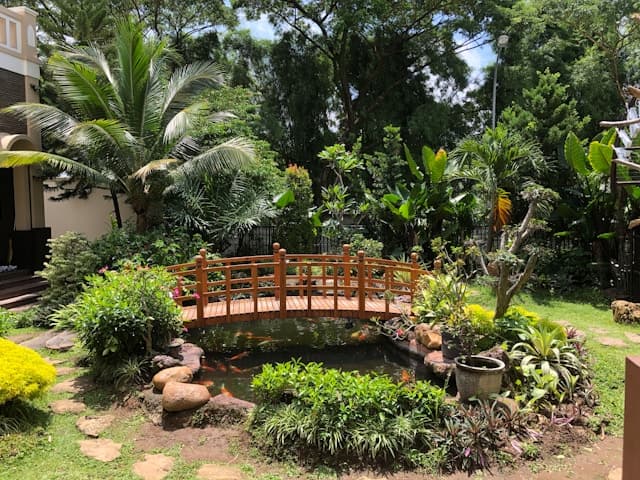
A garden can serve many roles in our lives. It might be a neat decorative corner, a weekend escape, or a practical space for growing vegetables and flowers. But a living landscape goes beyond function or appearance. It is a garden that responds—to seasons, weather, and time itself. Life begins invisibly in the soil, then slowly expresses itself upward, until birds choose its branches, butterflies recognize its flowers, and movement becomes part of the scenery. Nothing feels forced; everything belongs.
Creating a living landscape at home does not mean letting your garden become chaotic or overgrown. It means choosing cooperation over control. Instead of fighting nature with constant correction, you guide it—allowing soil organisms, plants, insects, and birds to support one another naturally. This approach creates balance, resilience, and quiet beauty. In this article, we move step by step through that process—from the unseen life beneath your feet to the winged visitors above—showing how an ordinary garden can slowly become a self-sustaining, living system.
🌱What Is a Living Landscape?
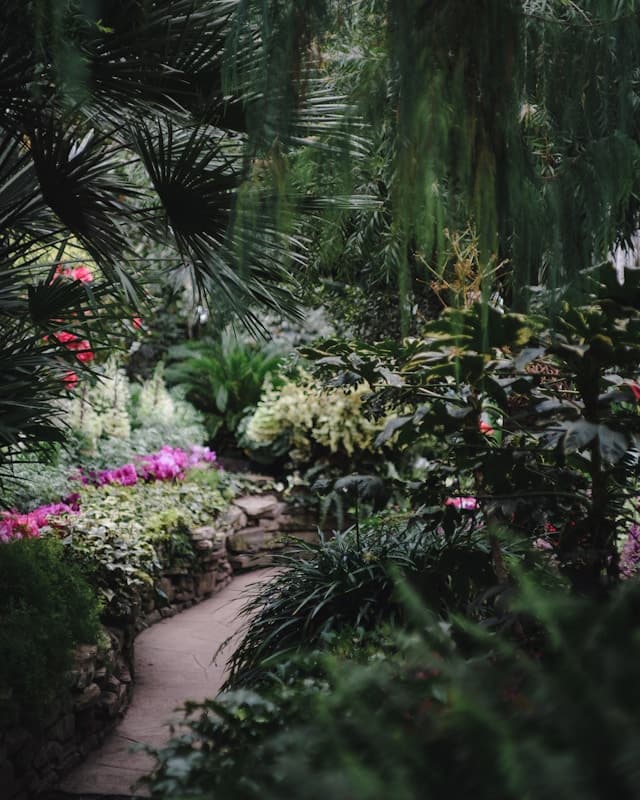
A living landscape is not designed for plants alone — it is shaped to support entire chains of life. Every element has a role, from the soil beneath the surface to the creatures that move through the air. Instead of isolating plants as decorations, this kind of garden allows life to interact naturally and continuously.
At its core, a living landscape includes:
- Healthy, biologically active soil where microorganisms, worms, and roots work together
- Plants that nourish insects and pollinators, not just the human eye
- Reliable water sources for birds, frogs, and beneficial insects
- Natural shelter and nesting spaces created by layered planting and foliage
- Seasonal balance, where plants mature, rest, and return—rather than being constantly replaced
What separates a living landscape from a purely decorative garden is relationship. Roots exchange nutrients with soil organisms. Flowers time their blooms with pollinator activity. Trees provide food, shelter, and song perches for birds. Nothing exists in isolation. The garden becomes a connected system—quietly active, self-supporting, and alive even when you are not watching.
🌍 Why Create a Living Landscape at Home?
🌼 Benefits That Go Far Beyond Beauty
A living landscape gives back in ways that neatly trimmed gardens often cannot. While it may look softer and more natural, its real strength lies beneath the surface and in the quiet activity it supports every day.
- Improves soil fertility naturally as organic matter breaks down and microbial life increases over time
- Attracts pollinators such as bees and butterflies, helping flowers and food plants thrive without intervention
- Encourages birds that feed on pests, reducing the need for sprays or constant monitoring
- Lowers water and chemical dependence by creating balanced, self-supporting conditions
- Creates a peaceful, emotionally grounding space where the garden feels alive rather than maintained
Perhaps most importantly, a living landscape does not demand perfection. There is no pressure for constant trimming or flawless symmetry. It grows through patience, observation, and small adjustments, rewarding attentiveness instead of control. Over time, the garden begins to teach you its rhythms — when to step in, and when to simply let life unfold.
🪨 Step 1: Begin Where All Life Starts — The Soil
Healthy soil is often mistaken for ordinary dirt, but the difference between the two is life itself. Living soil breathes, absorbs, and responds. It holds water without suffocating roots and releases nutrients slowly instead of washing them away. When soil is alive, plants don’t merely survive — they develop strength, resilience, and natural resistance to stress and disease.
🌱 What Living Soil Is Made Of
A healthy garden soil is a quiet collaboration of many elements working together:
- Earthworms and microorganisms that break down organic matter and make nutrients available to roots
- Organic matter and humus that improve fertility while keeping soil loose and dark
- Air pockets and balanced moisture that allow roots to breathe without drying out
This invisible activity is what allows plants to grow with less support and fewer problems over time.
🌿 How to Improve Soil Naturally
Improving soil does not require expensive products or constant effort. In fact, soil health improves fastest when it is disturbed less.
- Add compost or well-rotted manure to feed soil life rather than force growth
- Mix in dry leaves, cocopeat, or leaf mold to improve structure and moisture retention
- Avoid frequent digging, which breaks fungal networks and disrupts microorganisms
- Stop using chemical fertilizers that kill beneficial microbes while offering only short-term results
When you focus on feeding the soil instead of correcting plants, the entire garden becomes easier to manage — and far more forgiving.
📊 Soil Preparation & Improvement Chart
Soil problems often appear above ground, but their causes lie below the surface. This table helps you identify common soil issues in home gardens and correct them using natural, long-term solutions rather than quick fixes.
| Soil Issue | Visible Signs | Natural Improvement Method | Expected Time to Improve |
|---|---|---|---|
| Hard, compact soil | Poor drainage, stunted or weak plants | Add compost mixed with coarse sand or leaf mold | 3–4 weeks |
| Lifeless soil | No earthworms, dry or cracked surface | Regular mulching combined with compost | 1–2 months |
| Poor fertility | Yellowing leaves, slow growth | Apply vermicompost or aged organic manure | 2–3 weeks |
| Waterlogged soil | Root rot, foul smell, standing water | Use raised beds or improve drainage channels | Immediate |
Rather than treating symptoms repeatedly, focus on improving the soil once and allowing it to heal. Healthy soil corrects many plant problems on its own, reducing the need for constant monitoring or intervention.
🌿 Step 2: Choose Plants That Support Life (Not Just Looks)
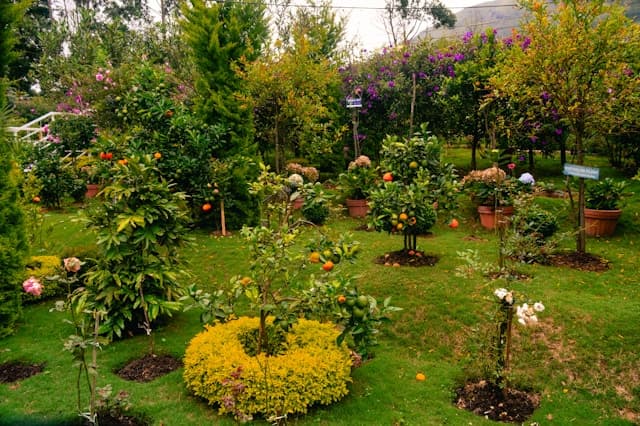
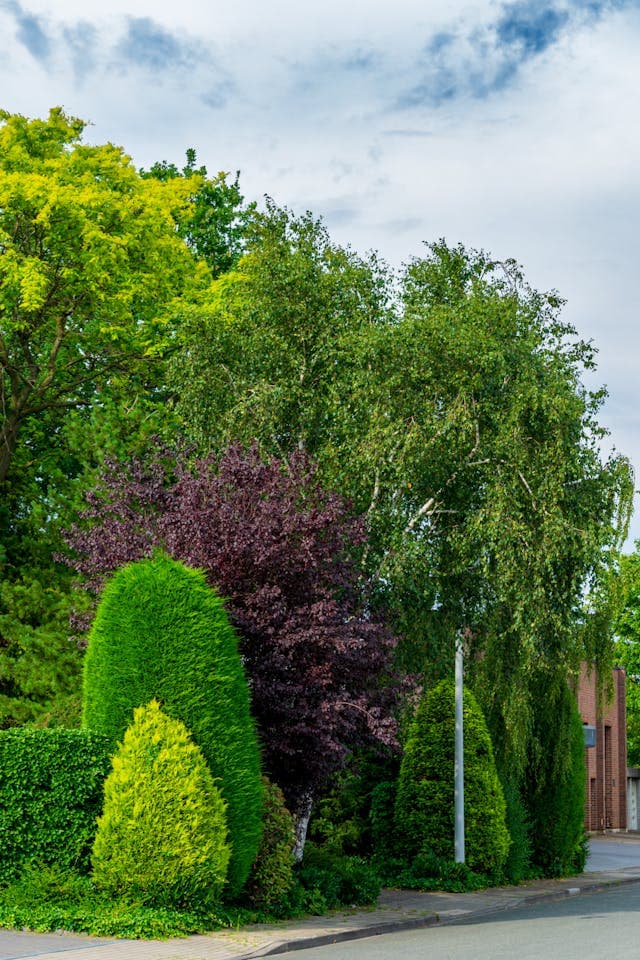
A living landscape is built on diversity, not rarity. You don’t need exotic or high-maintenance plants to create life — in fact, native and familiar plants often do the job far better. What matters is how plants function together, not how unusual they look on their own.
When plants are chosen thoughtfully, they create shelter, food, shade, and protection — not just visual appeal. The most effective way to do this is by planting in layers, just as nature does.
🌼 Plant in Layers — Nature’s Quiet Blueprint
Layered planting allows different forms of life to coexist without competing. Each layer serves a purpose, creating balance above and below the soil.
🌳 Canopy Layer (Trees)
Trees form the backbone of a living landscape. They regulate temperature, reduce harsh sunlight, slow wind, and offer nesting and resting spaces for birds.
- Benefits: Shade, habitat, long-term stability
- Examples: Neem, Jamun, Guava, Peepal (only where space and roots can be managed)
Even a single well-placed tree can change the entire microclimate of a garden.
🌿 Shrub Layer
Shrubs fill the middle space that many gardens ignore. This layer provides protection for birds, hiding places for beneficial insects, and a natural transition between tall trees and low plants.
- Benefits: Shelter, privacy, structural balance
- Examples: Hibiscus, Ixora, Clerodendrum
Shrubs also help gardens feel fuller and more alive without becoming dense or cluttered.
🌸 Herb & Flower Layer
This is the most active layer — constantly visited by bees, butterflies, and other pollinators. Herbs and flowering plants are the energy source of a living landscape.
- Benefits: Nectar, pollination, seasonal color
- Examples: Tulsi, Cosmos, Zinnia, Sunflower
Choosing plants that bloom at different times ensures food availability throughout the year.
🌱 Ground Cover Layer
Ground covers protect what matters most — the soil. They prevent moisture loss, suppress weeds, and reduce soil erosion while quietly supporting underground life.
- Benefits: Soil protection, moisture retention
- Examples: Sweet potato vine, Wedelia, Portulaca
Bare soil is vulnerable soil. Even simple ground covers make a significant difference.
📊 Plant Layer Selection Chart (Home-Garden Friendly)
A living landscape works best when plants match the scale of the space. Choosing medium or small trees prevents root damage, overcrowding, and long-term maintenance issues—especially in home gardens.
| Garden Layer | Primary Purpose | Suitable Plants (Size-Appropriate Choices) |
|---|---|---|
| Small Trees / Canopy Layer | Light shade, bird habitat, microclimate balance | Guava, Jamun (pruned), Amla, Drumstick (Moringa), Lemon |
| Shrubs (Middle Layer) | Shelter, nesting, structure | Hibiscus, Ixora, Clerodendrum, Duranta, Karonda, Oleander |
| Flowers & Herbs | Nectar for pollinators, seasonal life | Cosmos, Zinnia, Sunflower, Tulsi, Calendula, Balsam, Gomphrena |
| Ground Cover | Soil protection, moisture retention | Portulaca, Wedelia, Sweet potato vine, Mint, Alternanthera, Creeping daisy |
Choosing right-sized plants allows the garden to mature without future regret. A living landscape should feel supportive, not overwhelming—and thoughtful plant selection ensures balance for years to come.
🐝 Step 3: Invite Pollinators — Bees, Butterflies & Friends
A garden can look green and healthy, yet still feel empty. That emptiness usually comes from the absence of pollinators. Bees, butterflies, and other small visitors are not optional extras — they are what allow a landscape to function rather than merely exist. Without them, flowering slows, seed cycles break, and the garden loses its natural rhythm.
🌼 How to Attract Pollinators Naturally
Pollinators are highly sensitive to their surroundings. They respond not to perfection, but to consistency and safety.
- Grow flowering plants throughout the year, so food is available beyond a single season
- Avoid pesticides and chemical sprays, which can harm or disorient pollinators even in small amounts
- Place shallow water trays with stones or pebbles, giving insects a safe place to drink without drowning
- Allow some plants to complete their flowering cycle, instead of constant pruning for appearance
These small choices signal to pollinators that your garden is a safe place to return to — again and again.
🌸 Reliable Flowers That Support Pollinators
Some plants are especially generous, offering nectar and pollen without demanding special care:
- Sunflower
- Cosmos
- Marigold
- Basil (Tulsi)
- Alyssum
Planting a mix of these ensures variation in flower shape, height, and blooming time — which attracts a wider range of pollinating species.
Pollinators bring more than function. They bring movement, color, and continuity. When butterflies hover and bees return daily, the garden stops feeling static. It begins to feel alive, responsive, and connected to the larger natural world.
🕊️ Step 4: Welcome Songbirds into Your Garden
Birds are often the clearest sign that a garden has found its balance. They do not arrive because a space looks attractive to humans — they arrive because it feels safe. When songbirds begin to visit regularly, it means food is available, shelter exists, and the environment is free from silent dangers.
A garden with birds is not just visually alive. It becomes audible, seasonal, and self-regulating.
🐦 What Birds Truly Need
Birds are cautious visitors. If even one basic need is missing, they may never return.
- Food in the form of seeds, fruits, and naturally occurring insects
- Water, preferably in shallow bowls or birdbaths that are easy to escape from
- Shelter, created by dense shrubs, layered plants, and small trees
- Safety, ensured by avoiding chemical sprays and sudden disturbances
Meeting these needs consistently matters more than feeding occasionally.
🌳 Plants That Naturally Attract Birds
Instead of artificial feeders alone, plants provide year-round support and familiarity.
- Fruit-bearing plants such as Guava and Papaya, which offer seasonal nourishment
- Seed-producing flowers like Sunflower, supporting granivorous birds
- Dense shrubs and layered foliage, giving birds protected nesting and resting spaces
When birds feel secure, they return daily — controlling pests, spreading seeds, and filling the garden with movement and sound. At that point, the landscape no longer feels designed. It feels inhabited.
📊 Bird-Friendly Garden Chart
Birds respond quickly to consistency. This chart shows how simple, natural choices in a home garden can encourage birds to visit, nest, and stay throughout the year.
| Requirement | How to Provide It Naturally | Result in the Garden |
|---|---|---|
| Water | Shallow clay bowl with stones or pebbles | Regular daily bird visits |
| Shelter | Thick shrubs and layered plants | Safe nesting and resting |
| Food | Fruit-bearing and seed-producing plants | Seasonal and returning birds |
| Safety | Completely chemical-free gardening | Long-term bird presence |
Rather than relying on artificial feeders alone, combining water, plants, and shelter creates an environment birds can trust. When that trust forms, birds become a permanent part of the landscape — not just occasional guests.
🌧️ Step 5: Work With Seasons, Not Against Them
A living landscape is never static. It shifts, rests, bursts, and slows — and that constant change is not a flaw but its greatest strength. When you stop forcing uniform growth and begin responding to seasons, the garden becomes easier to care for and far more resilient.
🌞 Summer — Protect and Support
Summer is a season of endurance. The goal is not growth at all costs, but survival with minimal stress.
- Use mulch generously to protect soil from heat and moisture loss
- Choose heat-tolerant plants that do not struggle under intense sun
- Provide extra water sources for birds, as natural supplies dry up
Small protective actions in summer prevent long-term damage.
🌧️ Monsoon — Allow and Observe
Monsoon brings natural energy back into the soil. Growth may appear untidy, but it is often healthy.
- Allow natural growth and self-seeding where possible
- Plant fast-growing native species that establish quickly
- Welcome increased insect activity, which supports birds and pollinators
This is a season where restraint matters more than control.
❄️ Winter — Slow Down
Winter is not a time to fix or improve — it is a time to watch.
- Reduce watering, as evaporation slows
- Let seed heads and dried flowers remain, providing food for birds
- Observe patterns instead of disturbing soil and roots
By respecting winter’s pause, you allow the garden to recover and prepare for the next cycle.
♻️ Step 6: Reduce Maintenance, Increase Balance
One of the quiet rewards of a living landscape is that work decreases as balance improves. In the beginning, a garden may ask for attention. Over time, as soil life strengthens and plant relationships settle, nature begins to handle many tasks on its own.
This shift happens when you replace control-based habits with trust-based ones.
🌿 Rethink These Common Gardening Habits
- ❌ Daily watering → ✔️ Deep, less frequent watering that encourages strong root systems
- ❌ Chemical sprays → ✔️ Gentler solutions like neem oil or mild soap sprays used only when truly needed
- ❌ Constant pruning → ✔️ Seasonal shaping, allowing plants to grow naturally between cycles
Each of these changes reduces stress — not just for plants, but for the gardener as well.
When nature is allowed to function, it begins to correct imbalances on its own. Insects find their predators, soil regulates moisture, and plants adapt to their space. Maintenance turns into observation, and effort is replaced by understanding.
🌱 Step 7: Propagation — Let Your Garden Multiply Naturally
Propagation is one of the quiet joys of a living landscape. It is the moment when the garden stops being something you manage and starts becoming something that continues on its own. Instead of purchasing new plants every season, you allow existing ones to share their strength, adapting naturally to your soil, climate, and care style.
This process is slow, simple, and deeply satisfying — a reminder that growth does not need to be rushed to be meaningful.
🌼 Simple Ways to Propagate at Home
Propagation does not require special tools or expertise. Many everyday garden plants are already eager to multiply if given the chance.
- Stem cuttings work well for plants like Tulsi, Coleus, and Hibiscus, which root easily in soil or water
- Division suits grasses and spreading plants such as Lemongrass and Mint, especially during active growth
- Seeds from flowers like Cosmos, Sunflower, and Zinnia can be collected and reused, strengthening seasonal continuity
Plants grown this way often perform better than store-bought ones because they are already adjusted to local conditions.
📍 Creating Space for Propagation
A living landscape does not hide propagation — it quietly makes room for it.
Small propagation areas or nursery corners can be placed:
- Near compost zones, where soil is naturally rich
- Along garden boundaries, using unused space efficiently
- In semi-shaded areas, where young plants are protected from stress
These spaces do not need to look perfect. Their purpose is growth, not display.
Propagation strengthens your connection with the garden. It teaches patience, observation, and respect for natural cycles — and reminds you that abundance often comes from allowing life to repeat itself gently.
🧩 Common Challenges in Living Landscapes — and Gentle Ways to Respond
A living landscape is not problem-free — it is responsive. What may look like an issue is often the garden communicating a missing element or an early imbalance. Instead of quick fixes, gentle corrections usually bring the system back into harmony.
📊 Problem–Solution Chart (Nature-Aligned)
| Observation in the Garden | Why It Happens | Gentle, Natural Response |
|---|---|---|
| Fewer birds visiting | Limited water, shelter, or food sources | Add dense shrubs and a shallow water bowl |
| Poor or inconsistent flowering | Soil still rebuilding balance | Apply compost and allow time for recovery |
| Fear of insects | Misunderstanding their role | Identify beneficial insects before acting |
| Dry, cracking soil | Exposed surface and moisture loss | Use leaf litter or straw mulch |
Most of these situations improve slowly, not instantly. A living landscape rewards attention rather than urgency. When you respond calmly and observe changes over time, the garden often resolves its own challenges with minimal interference.
🌸 A Garden That Feels Alive
A living landscape never demands attention.
It speaks softly — and only to those who slow down enough to notice.
You recognize it in small moments:
- When a bee pauses, unhurried, on a single flower
- When a bird trusts your garden enough to drink from a clay bowl
- When seedlings appear where you never planted anything
- When the soil feels cool, textured, and alive in your hands
This is the moment the relationship changes.
You realize you are no longer directing every outcome.
You are no longer correcting nature at every turn.
You are coexisting — listening, responding, and allowing life to unfold in its own quiet rhythm.
And that is when a garden stops being something you maintain
and becomes something you belong to.
🌿 Native-Plant Master List for Small Indian Home Gardens
(Compact • Container-Friendly • Life-Supporting)
Native plants form the quiet foundation of a living landscape. They evolved alongside local soil organisms, rainfall patterns, insects, and birds — which means they ask for less correction and offer more ecological support in return. In small home gardens, this balance becomes even more important.
Rather than focusing on size alone, the plants below are chosen for root behavior, pruning tolerance, and adaptability to containers or limited ground space.
🌳 Small Native Trees & Tree-Like Plants
(Safe for Courtyards, Terraces & Compact Gardens)
| Botanical Name | Common Name | Max Height (Managed) | Suitable For | Supports |
|---|---|---|---|---|
| Moringa oleifera (dwarf form) | Drumstick (Dwarf) | 6–8 ft | Ground / large pots | Bees, birds |
| Carissa carandas | Karonda | 5–7 ft | Hedge / containers | Birds |
| Punica granatum (desi) | Pomegranate | 6–8 ft | Pots or ground | Bees, birds |
| Citrus limon (desi) | Lemon | 5–7 ft | Containers | Bees |
| Psidium guajava (trained/pruned) | Guava | 6–8 ft | Large pots (trained) | Birds |
🌱 Why These Plants Work in Small Gardens
✔ Pruning-tolerant — height and spread can be controlled without stress
✔ Manageable root systems — safe for pots and home foundations
✔ Multi-purpose — support pollinators, birds, and seasonal harvests
✔ Climate-adapted — better survival in Indian heat, monsoon, and mild winters
These plants don’t dominate a space — they settle into it. When managed patiently, they create shade, food, and shelter without overwhelming the garden or the gardener.
A living landscape doesn’t need large trees to feel complete. Sometimes, it only needs plants that understand the land they grow in.
🌿 Compact Native Shrubs (Perfect for Borders & Pots)
| Plant Name | Common Name | Space Needed | Best Use | Attracts |
|---|---|---|---|---|
| Hibiscus rosa-sinensis | Hibiscus | Medium pot | Flowering shrub | Bees, birds |
| Ixora coccinea | Ixora | Medium pot | Border/hedge | Butterflies |
| Clerodendrum inerme | Glory Bower | Small hedge | Living fence | Butterflies |
| Justicia adhatoda | Vasaka | Medium pot | Medicinal corner | Pollinators |
| Barleria cristata | Philippine violet | Small space | Low hedge | Bees |
🌸 Native Flowering Plants (High Life, Low Space)
| Plant | Common Name | Growth Type | Ideal For | Pollinators |
|---|---|---|---|---|
| Cosmos sulphureus | Cosmos | Upright | Pots/beds | Bees |
| Tridax procumbens | Coat Buttons | Spreading | Ground cover | Bees |
| Cleome viscosa | Wild Mustard | Upright | Pots | Bees |
| Balsam (Impatiens balsamina) | Gulmehendi | Bushy | Monsoon pots | Butterflies |
| Tithonia (pruned) | Mexican sunflower | Tall pot | Back layer | Bees |
🌱 Native Ground Covers & Creepers (Tiny Space, Big Impact)
| Plant | Common Name | Spread | Best Location | Benefit |
|---|---|---|---|---|
| Portulaca oleracea | Kulfa | Low | Sunny pots | Soil cooling |
| Desmodium triflorum | Tick clover | Flat | Lawn substitute | Nitrogen fixing |
| Cynodon dactylon | Doob grass | Controlled | Edges | Soil binding |
| Wedelia trilobata | Creeping daisy | Medium | Hanging edges | Weed control |
🌿 Native Herbs (Kitchen + Living Landscape)
| Plant | Common Name | Pot Size | Why It’s Perfect |
|---|---|---|---|
| Ocimum tenuiflorum | Tulsi | Small | Bee magnet |
| Mentha arvensis | Mint | Small | Ground cover |
| Coriandrum sativum | Coriander | Small | Beneficial insects |
| Lemongrass (pruned) | Lemongrass | Medium | Pest repellent |
| Curry leaf (Murraya koenigii) | Curry leaf | Medium pot | Birds & bees |
🐝 Best Choices for Very Small Spaces (Top 10)
| If You Have… | Choose These Plants |
|---|---|
| Balcony | Tulsi, Mint, Cosmos |
| Terrace | Hibiscus, Ixora, Lemon |
| Small yard | Karonda, Guava (trained) |
| Borders | Barleria, Clerodendrum |
| Hanging edges | Portulaca, Wedelia |
🌱 Why These Plants Work for Small Indian Gardens
Small gardens demand thoughtful choices. Space is limited, sunlight shifts, and long-term maintenance matters more than quick growth. The plants suited for living landscapes in compact Indian gardens share a few important traits that make them reliable rather than demanding.
They have shallow or well-behaved root systems, which means they can grow without disturbing foundations or exhausting container space. Most of them adapt easily to pots, allowing flexibility for balconies, terraces, and courtyards. Regular pruning is not a struggle for these plants — they respond positively to shaping, staying healthy instead of stressed.
Beyond practicality, these plants actively support life. Their flowers feed pollinators, their fruits and foliage attract birds, and their structure offers shelter throughout the year. Most importantly, they are comfortable in Indian conditions — able to handle summer heat, monsoon rains, and mild winters without constant intervention.
This is how a living landscape becomes possible even on limited land. Not by forcing scale, but by choosing plants that understand their environment — and grow in harmony with it.
💬 A Message Rooted in Soil and Song
“When you care for the soil beneath your feet,
life slowly rises — until one day, it sings above your head.” 🌿🕊️

