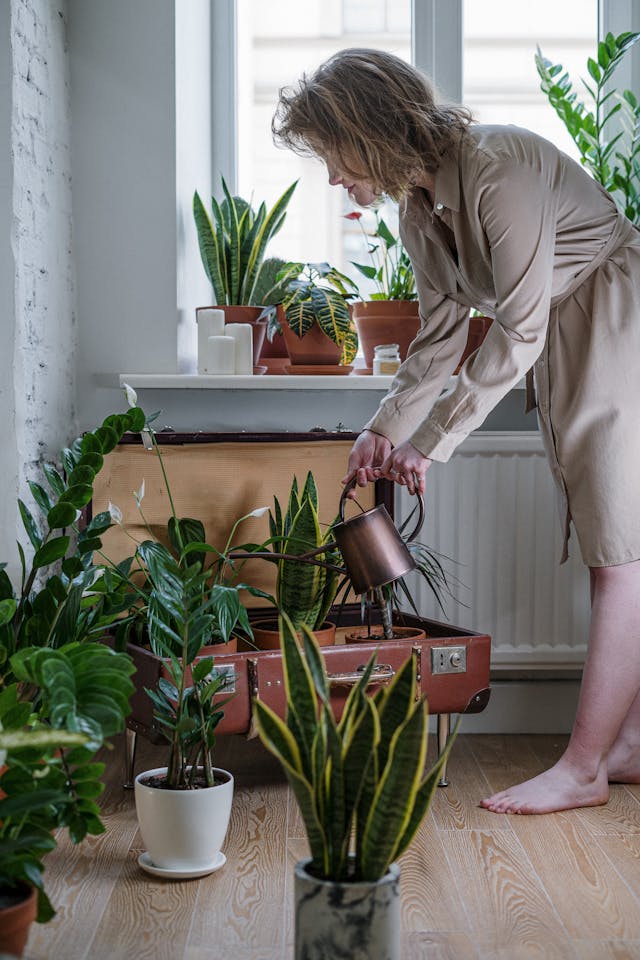
At first glance, watering might feel like the easiest part of gardening—just give your plants a drink and you’re done, right? 🌿 But any experienced grower will tell you this: watering is both an art and a science, and it’s one of the biggest reasons plants either thrive or struggle. Too much water can suffocate roots, too little can leave them parched, and watering at the wrong time can shock a plant more than help it.
In India 🇮🇳—where sizzling summers bake the soil, monsoons dump torrents of rain in hours, and winters bring cool, dry air—watering isn’t one-size-fits-all. Whether you’re nurturing greens in a tiny balcony pot or tending a patch of earth in your backyard, knowing how, when, and how much to water can be the secret that turns droopy, stressed plants into lush, vibrant companions.
So let’s dive in with practical tips and simple explanations that make watering your plants feel intuitive, not intimidating—so every leaf and bloom you care for stays healthy, happy, and full of life 🌸.
🚿 Why Proper Watering Truly Matters for Plant Health
You can send the next image description whenever you’re ready 🌿
Water isn’t just something that keeps soil damp—it acts like an invisible support system that keeps a plant alive, balanced, and growing. Every drop absorbed by the roots sets off a chain of internal processes that you may not see directly, but you can clearly notice in the form of strong stems, healthy leaves, and steady growth.
🌿 Carry nutrients upward
Water works as a natural transport system inside plants. As it moves through the soil, it dissolves essential nutrients and carries them from the roots up to the leaves, stems, flowers, and fruits. When watering is irregular or insufficient, nutrients remain locked in the soil, leaving plants hungry even when the soil itself is rich.
🌿 Keep cells firm and upright
Proper water levels maintain internal pressure within plant cells, which is what keeps leaves firm and stems upright. When water supply drops, this pressure weakens, causing plants to look limp, tired, or droopy long before serious damage becomes visible.
🌿 Control internal temperature
Plants rely on water to manage heat stress through a process called transpiration. As moisture evaporates from leaf surfaces, it cools the plant naturally. Without enough water, plants struggle to regulate temperature, especially during hot days, leading to stress and slowed growth.
🌿 Power photosynthesis and growth
Water plays a direct role in photosynthesis, the process by which plants make their own food. When watering is inconsistent, energy production drops, growth slows down, and plants lose their natural vigor over time.
Improper watering often shows up through clear warning signs:
⚠️ Root rot
Soil that remains wet for too long pushes oxygen out of the root zone. Without air, roots begin to decay, weakening the entire plant and often causing sudden collapse.
⚠️ Wilting and leaf drop
When water is scarce, plants protect themselves by dropping leaves to reduce moisture loss. This survival response weakens the plant and limits future growth.
⚠️ Reduced flowering or fruiting
Water stress forces plants to conserve energy. Instead of producing flowers or fruits, they focus on staying alive, resulting in poor yields and fewer blooms.
⚠️ Increased pest and disease attacks
Stressed plants have weaker natural defenses. Pests and diseases take advantage of this imbalance, attacking plants that are already struggling.
👉 The goal is not frequent watering, but correct watering.
💧 Understanding How Plants Absorb Water
Plant roots don’t sip water the way a straw pulls liquid upward. What actually happens underground is far more delicate and fascinating.
🌱 Role of fine root hairs
Tiny root hairs spread through the soil and absorb moisture along with dissolved nutrients. These hair-like structures do most of the work, not the thick main roots.
🌱 Oxygen matters as much as water
Roots need air to function properly. Oxygen in the soil allows roots to respire and stay active while absorbing nutrients.
🌱 What happens in waterlogged soil
When soil remains constantly wet, air pockets disappear. Without oxygen, roots begin to suffocate, weaken, and eventually rot.
🌱 Why drainage and watering must work together
Loose, well-draining soil allows water and oxygen to coexist in the root zone, keeping roots healthy and efficient.
⏰ Best Time to Water Plants (Especially in India)
Timing matters just as much as quantity when it comes to watering. In India’s climate, the wrong hour can undo all your effort.
🌞 Morning: The Most Effective Window
Ideal time: 6:00–9:00 AM
Watering early allows moisture to soak deep into the soil before the sun gets harsh. Roots absorb water efficiently, and any splashes on leaves dry quickly, reducing the risk of fungal infections.
🌙 Evening: Use with Caution
Evening watering is acceptable only when mornings aren’t possible. The key is to water the soil, not the leaves. Wet foliage overnight creates the perfect environment for disease.
🚫 Afternoon: Best Avoided
Watering during peak heat—especially in summer—leads to rapid evaporation. Very little water reaches the roots, and sudden temperature changes can stress or damage them.
🌿 How Much Water Do Plants Really Need?
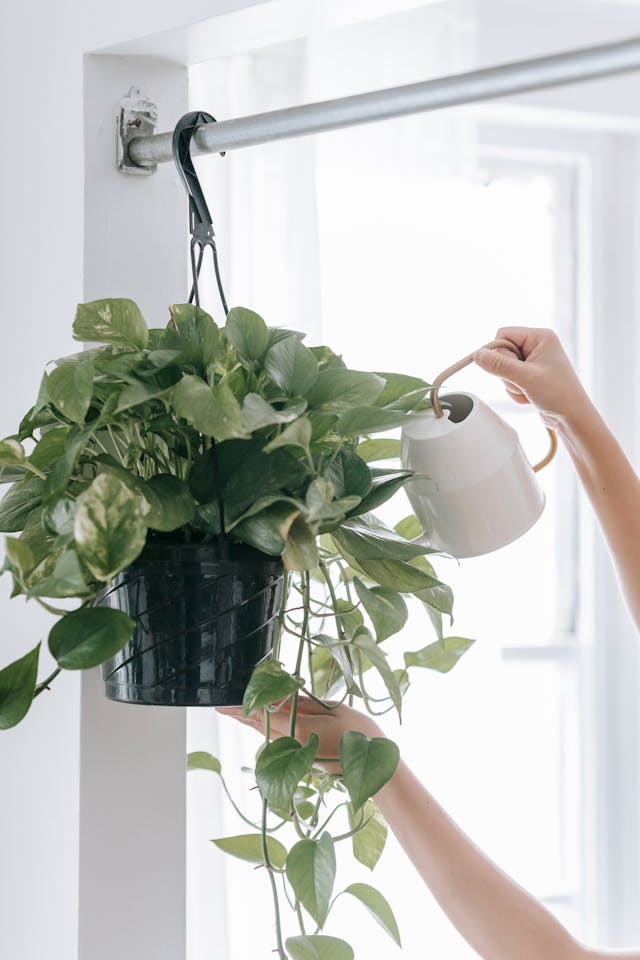
There is no fixed rule that tells you exactly how much water every plant needs. Water requirements change based on the plant’s nature, its growing space, the season, and even the soil beneath it. Understanding these factors helps you water with confidence instead of guessing.
1️⃣ Plant Type
Every plant has its own relationship with water, shaped by how it grows, stores moisture, and responds to stress.
🌵 Succulents
Succulents are built for survival in dry conditions. Their thick leaves and stems store water for long periods, which means frequent watering can do more harm than good. Allowing the soil to dry out between waterings keeps their roots healthy and prevents rot.
🌸 Flowering plants
Plants that produce flowers need a steady but balanced water supply. Too little water leads to bud drop, while excess water encourages leafy growth at the cost of blooms. Regular, moderate watering helps maintain consistent flowering.
🥬 Vegetables
Vegetable plants grow quickly and use water actively to form leaves, fruits, and roots. Inconsistent watering can lead to cracked fruits, bitter taste, or poor harvests. Moist—but not soggy—soil supports healthy and productive growth.
2️⃣ Pot vs Ground
Where a plant grows plays a major role in how often and how deeply it should be watered.
🪴 Container-grown plants
Plants in pots dry out faster because they have limited soil volume and greater exposure to heat and air. Water drains quickly, especially in summer, making regular moisture checks essential.
🌱 Ground-grown plants
Plants growing directly in the ground benefit from deeper soil layers that retain moisture for longer periods. Their roots spread wider and deeper, allowing them to access stored water and tolerate longer gaps between watering.
3️⃣ Season
Seasonal changes strongly influence how much water plants require throughout the year.
☀️ Summer
High temperatures and intense sunlight cause rapid evaporation. Plants lose moisture faster, so watering becomes more frequent, especially for vegetables and potted plants.
🌧️ Monsoon
Regular rainfall and high humidity keep soil moist for extended periods. Overwatering during this season can easily lead to root problems, so watering should be reduced and guided strictly by soil moisture.
❄️ Winter
Cool weather slows plant growth and water usage. Most plants need only minimal watering during winter, and soggy soil during this period can cause root damage.
4️⃣ Soil Type
Soil structure determines how long water stays available to plant roots.
🏖️ Sandy soil
Sandy soil drains water quickly and dries out fast. Plants growing in this soil need more frequent watering to compensate for rapid moisture loss.
🧱 Clay soil
Clay soil holds water for long periods and drains slowly. While moisture retention is high, overwatering can easily suffocate roots if the soil stays wet.
🌾 Loamy soil
Loamy soil offers the ideal balance of moisture retention and drainage. It supports healthy roots and reduces watering stress for most plants.
🪴 How to Check If Your Plant Needs Water
Watering on a fixed schedule often causes more harm than benefit. Checking the plant and soil first helps prevent both underwatering and overwatering.
🌱 Check soil moisture first
The condition of the soil is the most reliable indicator of a plant’s water needs. Observing moisture levels before watering reduces stress on roots and supports steady growth.
🌿 Finger test
Gently insert your finger about two inches into the soil near the plant base. If the soil feels dry at this depth, the plant needs watering. If it feels moist or cool, watering can wait.
🌿 Pot weight test
Lift the pot carefully and notice its weight. Dry soil feels light, while moist soil adds noticeable weight. With practice, this method becomes quick and accurate.
🌱 Observe leaf signals
Leaves often reflect watering problems before the soil does.
🌿 Drooping leaves
Leaves that hang downward and lose firmness usually indicate that the plant is thirsty, especially when the soil is dry.
🌿 Yellowing leaves
Leaves turning yellow, particularly when soil remains wet, often point to overwatering and reduced oxygen around the roots.
🚿 Correct Way to Water Plants
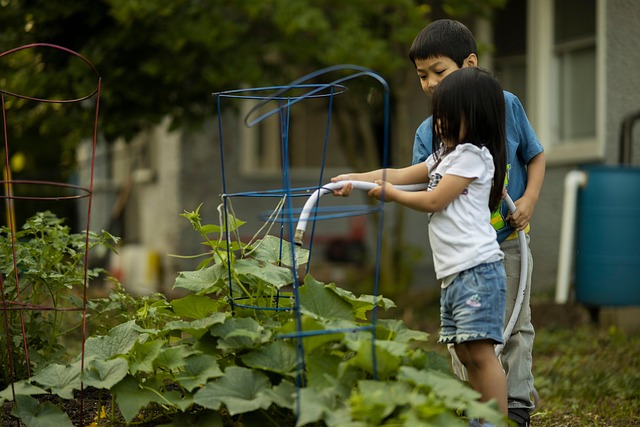
✔ Water at the Root Level
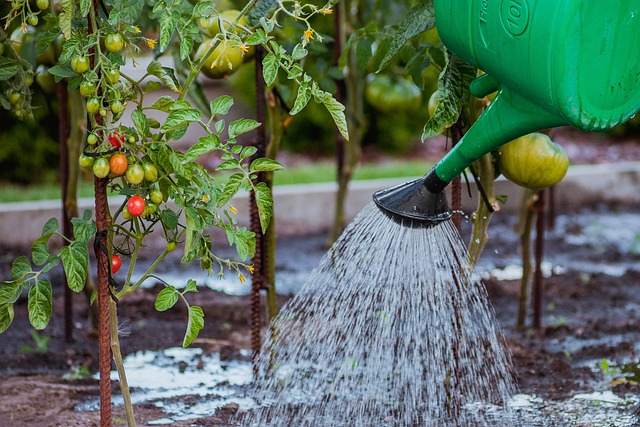
Water should always be applied where it matters most—around the root zone. Wetting leaves unnecessarily does not help the plant absorb moisture and often creates more problems than benefits.
🌱 Avoid wetting leaves unnecessarily
When leaves remain wet for long periods, especially in humid or cool conditions, the risk of fungal diseases increases. Water sitting on foliage can also lead to leaf burn under strong sunlight.
🌱 Direct water to the soil, not foliage
Pouring water directly onto the soil ensures it reaches the roots efficiently. This targeted approach reduces waste, prevents disease, and supports healthier root function.
✔ Water Deeply, Not Frequently
The depth of watering is more important than how often you water. Deep watering trains plants to grow stronger and become more resilient to heat and stress.
🌱 Deep watering encourages strong root growth
When water reaches deeper soil layers, roots follow it downward. This results in a well-anchored plant that can access moisture even during dry spells.
🌱 Shallow watering creates weak roots
Light and frequent watering keeps roots close to the soil surface. These shallow roots dry out quickly and make plants more vulnerable to heat, wind, and sudden stress.
✔ Ensure Proper Drainage
Even correct watering fails if excess water has nowhere to go. Drainage is essential for maintaining oxygen in the root zone.
🌱 Pots must have drainage holes
Drainage holes allow extra water to escape, preventing soil from becoming waterlogged. Without them, roots sit in stagnant water and begin to rot.
🌱 Remove excess water from trays
Water collected in trays should be emptied after watering. Standing water beneath pots keeps roots constantly wet and increases the risk of fungal infections and root damage.
🪴 Watering Potted Plants vs Garden Plants
Plants grown in containers and those grown in the ground behave very differently when it comes to water retention and root access. Understanding this difference helps prevent both overwatering and underwatering.
🪴 Potted Plants
Potted plants depend entirely on the limited soil inside their containers, which affects how quickly moisture is lost and how often watering is needed.
🌱 Dry faster due to limited soil
Containers hold a small volume of soil, which warms up and dries out quickly—especially during hot or windy weather. This makes potted plants more vulnerable to sudden moisture loss.
🌱 Need frequent checking
Because soil moisture changes rapidly in pots, checking regularly becomes essential. Even a single hot day can dry out a container completely.
🌱 Morning watering works best
Watering in the morning allows plants to absorb moisture before temperatures rise. It also helps leaves dry quickly, reducing the risk of disease.
🌱 Use mulch on topsoil to reduce evaporation
Adding a thin layer of mulch on top of the potting soil slows evaporation, keeps roots cooler, and maintains moisture for a longer period.
🌳 Ground Plants
Plants grown directly in the soil benefit from deeper root space and more stable moisture conditions.
🌱 Water deeply but less often
Ground plants respond better to slow, deep watering that reaches lower soil layers. This encourages roots to grow deeper and access stored moisture.
🌱 Create a soil basin around roots
Forming a shallow basin around the base of the plant helps trap water and direct it toward the root zone instead of letting it run off.
🌱 Mulching helps retain moisture
A layer of organic mulch reduces evaporation, protects soil from temperature extremes, and improves overall soil health while conserving water.
🌧️ Watering During Monsoon Season
Monsoon watering can be confusing because nature is already doing part of the job. While rain provides moisture, excess water can quietly damage roots if precautions aren’t taken.
☔ Why monsoon watering needs extra care
High humidity, frequent rainfall, and slow soil drying create conditions where overwatering happens easily—even without picking up a watering can.
✔ What to Do During Monsoon
🌱 Reduce watering frequency
Rainfall often keeps soil moist for several days. Watering should only be done when the topsoil feels dry, not based on routine.
🌱 Improve soil drainage
Well-draining soil becomes critical during monsoon. Adding sand, compost, or cocopeat helps excess water escape and keeps roots oxygenated.
🌱 Protect pots from constant rain
Move potted plants under shelter, balconies, or partial cover to prevent continuous soaking. Constant rain can oversaturate soil and damage roots.
🚫 What to Avoid During Monsoon
🌱 Watering without checking soil
Assuming plants need water just because it’s a regular schedule often leads to root rot during rainy periods. Always check soil moisture first.
🌱 Letting pots sit in water
Water collected in trays or saucers should be removed immediately. Standing water blocks airflow to roots and encourages fungal growth.
🌞 Summer Watering Tips (Indian Heat Survival)
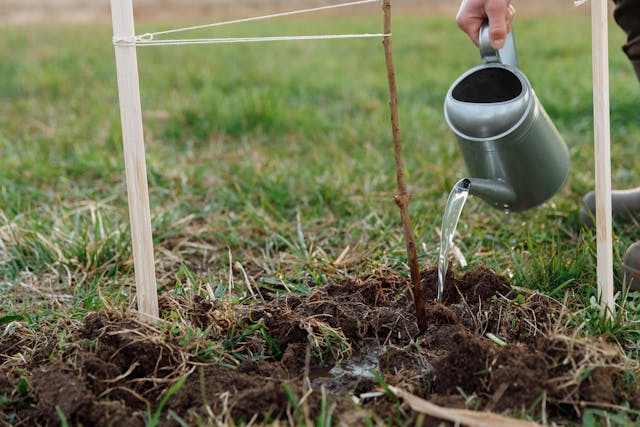
Indian summers can be extremely harsh on plants. High temperatures, hot winds, and rapid evaporation mean watering needs extra care and smart techniques.
🌱 Water early in the morning
Early morning watering allows moisture to soak into the soil before the sun becomes intense. Roots absorb water more efficiently at this time, and plants stay hydrated longer throughout the day.
🌱 Use mulch to protect soil moisture
Applying mulch made from dry leaves, coco peat, or straw creates a protective layer over the soil. This reduces evaporation, keeps roots cooler, and prevents soil from drying out too quickly.
🌱 Provide temporary shade during extreme heat
During peak summer, intense sunlight can stress plants even when watering is correct. Using shade nets, cloth, or temporary screens helps reduce heat stress and water loss.
🌱 Group pots together to retain humidity
Keeping pots close creates a shared humid microclimate. This reduces moisture loss from soil and leaves, helping plants cope better with dry, hot conditions.
🍂 Winter Watering Guidelines
Winter changes how plants grow and how they use water. Cooler temperatures slow down evaporation and plant activity, making careful watering especially important.
🌱 Reduce watering significantly
Most plants grow slowly during winter, which means they use much less water. Watering at the same frequency as summer often leads to excess moisture and root problems.
🌱 Water only when the soil is dry
Always check soil moisture before watering. If the topsoil still feels damp, watering should be delayed to avoid waterlogged conditions.
🌱 Avoid cold evening watering
Watering late in the evening exposes roots to cold, wet soil for long hours. Morning watering is safer, allowing excess moisture to drain and soil to warm gradually.
🌱 Overwatering is a common winter mistake
Because soil dries slowly in winter, overwatering happens easily. Constantly wet soil reduces oxygen around roots and can quietly damage plants over time.
🐛 Overwatering vs Underwatering: Spot the Difference
Many plant problems look similar on the surface, but the cause often lies at opposite ends of the watering scale. Understanding these differences helps you fix the issue quickly instead of making it worse.
| Sign | Overwatering 🚫 | Underwatering ⚠️ |
|---|---|---|
| Leaves | Leaves turn yellow, feel soft, and may look swollen or limp due to excess moisture in plant tissues. | Leaves become dry, thin, and crispy as the plant loses moisture faster than it can absorb. |
| Soil condition | Soil stays constantly wet and heavy, often with poor airflow and a foul smell over time. | Soil becomes extremely dry, dusty, and may pull away from the pot edges. |
| Growth pattern | Growth slows down and appears weak as roots struggle to breathe in soggy soil. | Growth becomes stunted because the plant lacks enough water to support development. |
| Root health | Roots begin to rot, turning brown or black and losing their ability to absorb nutrients. | Roots dry out, become brittle, and fail to transport water effectively. |
🌿 Problem–Solution Chart: Watering Mistakes & Fixes
Watering issues often repeat because the symptoms are misunderstood. This chart helps identify the real cause behind common watering problems and shows how to correct them effectively.
| Watering Problem 💧 | Why It Happens | Practical Solution 🌱 |
|---|---|---|
| Plants wilt even after watering | Roots remain damaged due to excess moisture, leading to rot and poor water absorption. | Improve soil drainage and reduce watering frequency to allow roots to recover. |
| Soil dries too fast | Sandy soil structure or very small pots lose moisture quickly. | Add compost to improve water retention and apply mulch to slow evaporation. |
| Yellow leaves falling | Too much water reduces oxygen in the root zone, stressing the plant. | Let the soil dry out partially before the next watering cycle. |
| Fungus or mold on soil surface | Constant moisture and poor air circulation encourage fungal growth. | Increase sunlight exposure, improve airflow, and reduce watering frequency. |
| Weak or shallow root growth | Repeated light watering keeps roots near the surface. | Water deeply only after the soil begins to dry, encouraging deeper root development. |
| Bad smell from pots | Stagnant water trapped in trays or poorly draining containers. | Empty trays regularly and ensure drainage holes are open and functional. |
🌼 Special Tips for Healthier Growth
Small watering habits often make the biggest difference in long-term plant health. These simple adjustments help plants grow stronger, adapt better, and stay stress-free.
🌱 Use room-temperature water
Water that is too cold or too hot can shock plant roots, especially during extreme seasons. Room-temperature water allows roots to absorb moisture smoothly without stress.
🌱 Avoid chlorinated water when possible
Tap water often contains chlorine, which can disturb beneficial soil microbes over time. Letting water sit overnight allows chlorine to evaporate, making it gentler for plants.
🌱 Rainwater supports natural growth
Rainwater is naturally soft and free from chemicals, making it ideal for plants. It also contains trace nutrients that support healthier root and leaf development.
🌱 Adjust watering as plants grow
Young plants need lighter, more frequent watering, while mature plants prefer deeper and less frequent sessions. Watering habits should evolve as roots spread and growth increases.
🌱 Observe plants regularly
Plants show subtle signals through leaves, stems, and soil condition. Regular observation helps you respond early to stress, even though plants communicate quietly and gradually.
🌿 Final Thoughts
Watering is not a routine action that can be followed blindly—it is a living relationship that develops between you and your plants over time. When you begin to understand how soil texture changes, how leaves react to moisture, and how seasons influence water needs, watering becomes intuitive rather than mechanical. In a climate as diverse as India’s, respecting heat, rainfall, and cooler periods allows plants to grow without constant stress, leading to stronger roots, healthier foliage, and more reliable flowering. Thoughtful watering supports natural disease resistance, improves overall plant resilience, and creates a garden that grows steadily instead of struggling through extremes. A garden cared for with awareness doesn’t just survive—it flourishes, rewarding patience and observation with long-lasting beauty and balance.
“Plants don’t ask for more water—they ask for the right care at the right time.” 🌿💧

