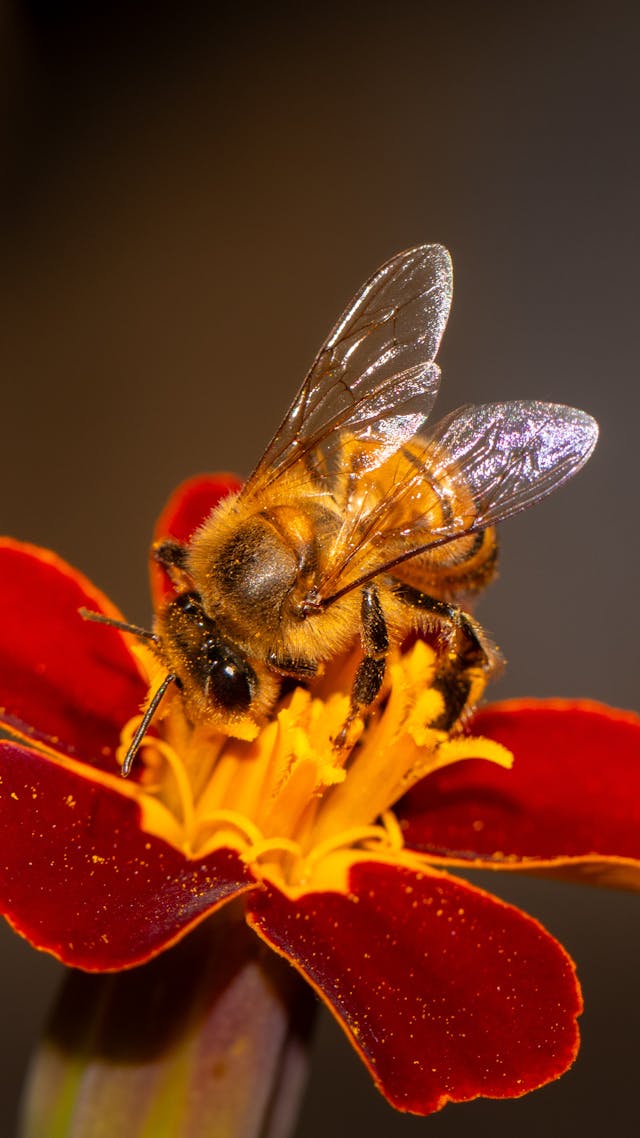
Bees are easy to miss. They buzz past balconies, disappear into flowers, and go about their work without asking for attention. Yet behind this quiet movement lies one of nature’s most powerful support systems. The fruits we bite into, the vegetables we cook, and the flowers that soften our cities all trace their survival back to these tireless pollinators. Without bees, everyday life would look thinner, poorer, and far less colorful.
Unfortunately, bees are often misunderstood—seen as pests or dangers rather than allies. This fear blinds us to the truth: bees hold ecosystems together, protect food supplies, and keep biodiversity breathing, day after day, without applause.
This guide is written to change that perspective. It explores how bees live, why they matter so deeply, the challenges threatening their survival, and—most importantly—how ordinary people can help them thrive. With special attention to home gardens and Indian climate conditions, it invites readers to see bees not as insects to avoid, but as partners quietly working beside us. 🌼🐝
🌸 Why Bees Truly Matter More Than We Realize
Bees are not simply visitors moving from flower to flower. They act as quiet connectors in the natural world. As they collect nectar, pollen clings to their bodies and travels with them to the next bloom. This small, almost unseen movement allows plants to form fruits, develop seeds, and continue their life cycle.
The process looks simple, even accidental—but its impact reaches far beyond the garden.
🐝 How Bees Support Life Around Us
🍎 Keeping Food on Our Tables
A large portion of fruits, vegetables, nuts, and seeds depend directly on bee pollination. Without bees, food variety would shrink, nutritional quality would decline, and crop reliability would suffer.
🌻 Holding Ecosystems Together
When bees pollinate wild plants, those plants go on to support birds, insects, and animals. Pollination doesn’t stop at flowers—it sustains entire food chains.
🍯 Providing Natural Resources
Products like honey, beeswax, propolis, and royal jelly have been used for generations in food, medicine, skincare, and traditional practices, all made possible by healthy bee activity.
🌱 Protecting Biodiversity
Pollination increases plant diversity, which strengthens soil health, improves climate resilience, and helps ecosystems adapt to environmental stress.
In simple terms, nearly one out of every three bites of food we eat exists because pollinators like bees did their work first, often unnoticed but always essential.
🐝 Different Types of Bees You Should Know About
When most people hear the word bee, they imagine a buzzing hive dripping with honey. But the bee world is far richer—and far more interesting—than that single image. In reality, there are over 20,000 bee species worldwide, and many of them live quiet, independent lives that rarely cross our notice.
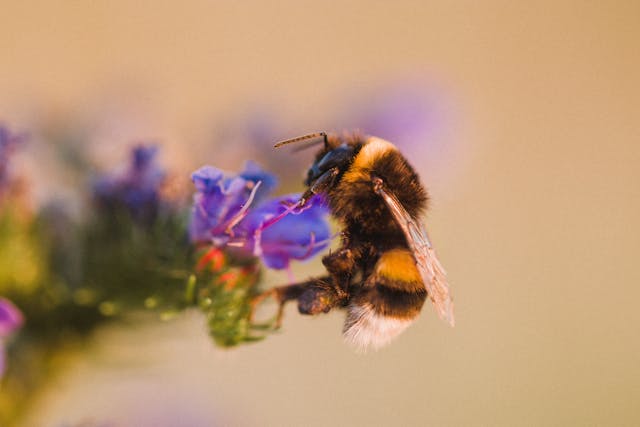
A fuzzy bumblebee feeds on a delicate purple flower, capturing a quiet moment of pollination in nature.
🌼 The Many Faces of Bees Around Us
The word bee often brings a single image to mind, but in reality, bees exist in many forms, lifestyles, and behaviors. Each type plays a different role in pollination, and together they support both wild ecosystems and human food systems.
🐝 Honey Bees
Honey bees are the most widely recognized type. They live in large, highly organized colonies and produce honey and beeswax. Through complex communication and teamwork, they contribute significantly to crop pollination across the world.
🐝 Bumblebees
Bumblebees are large, fuzzy, and surprisingly gentle. Their unique ability to vibrate flowers allows them to pollinate crops such as tomatoes and brinjals more effectively than many other insects.
🐝 Solitary Bees
Most bee species do not live in colonies at all. Solitary bees build and maintain their own nests, raise their young independently, and pollinate plants with remarkable efficiency. They are calm by nature and rarely sting.
🐝 Stingless Bees
Common in tropical regions, including parts of India, stingless bees lack functional stingers. Despite their small size, they are effective pollinators and produce limited amounts of honey, often hidden inside tree hollows or wall cavities.
🐝 Carpenter Bees
Carpenter bees create nests by drilling smooth tunnels into dry wood, bamboo, or old logs. Although their loud buzzing can seem intimidating, they are generally peaceful and sting only when provoked.
🐝 Leafcutter Bees
Leafcutter bees are known for cutting neat, half-moon shapes from leaves. These pieces are used to line their nests. They are dependable pollinators and highly beneficial to gardens.
🐝 Mason Bees
Mason bees seal their nests using mud and commonly live in cracks, hollow stems, or soil walls. A single mason bee can pollinate as effectively as multiple honey bees combined.
🐝 Sweat Bees
These small bees are often metallic green or blue and are attracted to human sweat due to its salt content. They are shy, gentle, and important pollinators of native and wild plants.
🐝 Cuckoo Bees
Cuckoo bees do not build nests of their own. Instead, they lay their eggs in the nests of other bees. While their behavior appears parasitic, they remain a natural part of ecological balance.
💡 A Gentle Truth About Bee Behavior
Most bees are not aggressive. The majority will not sting unless they feel trapped, threatened, or handled roughly. In gardens and open spaces, bees are focused on flowers—not people.
🌼 How Bees Help Your Garden Truly Come Alive
Whether you grow flowers on a balcony, vegetables in containers, or fruit trees in open soil, bees play a role that tools and fertilizers cannot replace. Each time a bee lands on a flower, it transfers pollen that helps plants develop properly, turning simple blooms into productive harvests.
Bee activity works quietly in the background, but its effects are visible throughout the garden.
🐝 What Bee Pollination Does for Your Plants
🍅 Bigger, Better-Shaped Fruits
Flowers that receive proper pollination develop evenly, resulting in fuller tomatoes, healthier gourds, and well-formed fruits with fewer deformities.
🌱 Stronger Seeds
Bee-pollinated plants produce seeds with higher viability, improving germination rates and strengthening future plant generations.
🌸 More Flowers and Longer Blooming Periods
Regular pollination encourages plants to continue flowering instead of stopping early, extending bloom cycles and improving overall plant vitality.
🌾 Higher and More Reliable Harvests
Consistent bee activity increases crop yield, leading to more fruits and vegetables and reducing the chances of failed or incomplete harvests.
Without bees, gardens gradually lose productivity. Flowers may appear, but fruits remain small or drop early, and plants struggle to reach their full potential despite good care.
🏡 Bee-Friendly Plants for Home Gardens (All Climates)
You don’t have to live in a specific country—or have a big garden—to support bees. Whether you grow in tropical heat, mild temperate zones, or cooler regions, bees look for the same things: nectar, pollen, and repeat blooms.
🌼 Plants That Bees Love Across the World
| 🌱 Plant Name | 🌍 Climate Suitability | 🐝 Why Bees Love It |
|---|---|---|
| Sunflower 🌻 | Tropical → Temperate | Heavy pollen and wide landing space |
| Tulsi / Basil 🌿 | Tropical → Warm temperate | Long flowering season |
| Lavender 💜 | Temperate → Mediterranean | Extremely high nectar |
| Mustard 🌼 | Tropical → Temperate | Early-season food source |
| Coriander 🌱 | Tropical → Temperate | Tiny flowers packed with nectar |
| Marigold 🌼 | Tropical → Temperate | Easy blooms, steady attraction |
| Rosemary 🌿 | Temperate → Mediterranean | Winter and early blooms |
| Sage 🌸 | Temperate climates | Deep flowers bees prefer |
| Thyme 🌱 | Temperate → Dry regions | Dense nectar carpets |
| Cosmos 🌼 | Warm temperate | Open flowers, easy access |
| Zinnia 🌺 | Warm climates worldwide | Long-lasting blooms |
| Borage 💙 | Cool → Temperate | One of the richest nectar plants |
🌸 How to Use This Chart Smartly
- Mix herbs + flowers + vegetables instead of isolating them
- Allow some herbs to bolt and flower
- Choose different bloom times so bees find food year-round
👉 A garden doesn’t need to be native-only or exotic-heavy.
Diversity is what bees understand best.
🐝 Inside a Bee’s Life: Simple & Fascinating
A honeybee colony functions like a carefully coordinated family system. Every bee has a defined role, and the survival of the colony depends on each one performing its task at the right time. There is no leader giving instructions—everything runs on instinct, communication, and shared purpose.

🏡 Main Members of a Honeybee Colony
A honeybee colony operates through clearly defined roles. Each member contributes in a specific way, and the survival of the colony depends on this structured division of work.
👑 Queen Bee
The queen’s primary role is reproduction. She lays eggs continuously, ensuring the colony maintains a stable population and can replace aging or lost members over time.
🐝 Worker Bees
Worker bees carry out almost all daily tasks within and outside the hive. Their responsibilities include collecting nectar and pollen, building and repairing honeycombs, feeding larvae, cleaning the hive, regulating temperature, and defending the colony from threats.
🚹 Drones
Drones exist mainly to mate with the queen. They do not forage, build combs, or participate in hive maintenance, and their presence is seasonal.
🌞 Daily Work of a Worker Bee
A single worker bee may visit thousands of flowers in a single day. She navigates using sunlight, floral scents, and memory, efficiently traveling between food sources and the hive to meet the colony’s needs.
⚠️ Problems Bees Face Today
Across the world, bee populations are declining—and the causes are closely tied to modern human activity. These pressures don’t act alone; they stack together, making survival harder for bees with every passing season.
🚫 Excessive Pesticide Use
Modern pesticides affect more than just target pests. Many chemicals damage bees’ nervous systems, weaken their immunity, and interfere with their ability to navigate back to the hive. Even low doses carried in nectar and pollen can slowly reduce colony strength.
🌡️ Climate Change & Extreme Heat
Unpredictable weather patterns, heatwaves, and shifting seasons disrupt flowering cycles. When plants bloom earlier or later than usual, bees struggle to find food at the right time, leading to starvation and reduced reproduction.
🏗️ Loss of Natural Habitats
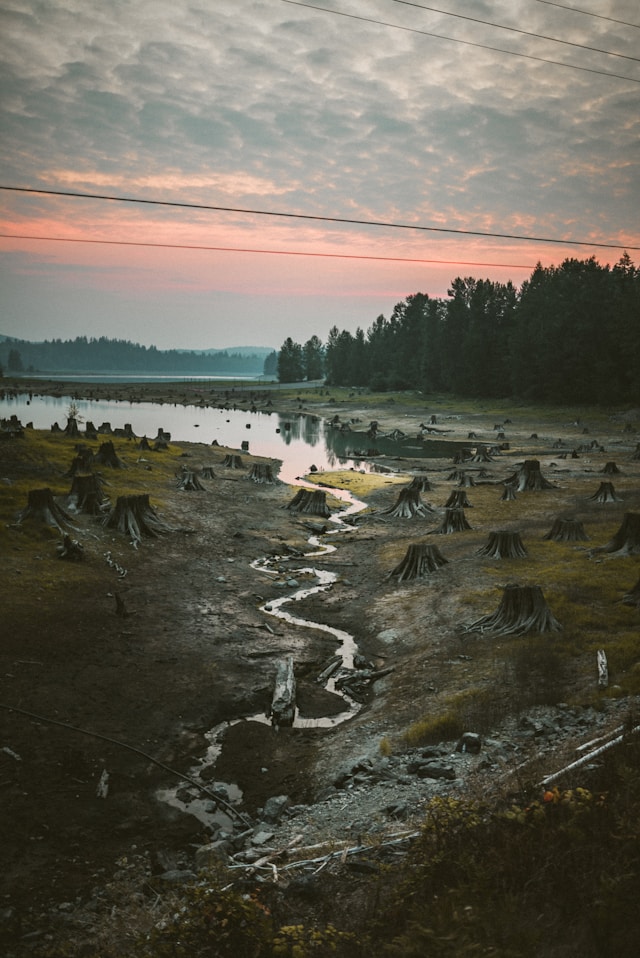
Urban expansion, road construction, and deforestation remove wild plants, nesting spaces, and resting areas. As natural landscapes shrink, bees are forced to survive in fragmented and unsuitable environments.
🌾 Monoculture Farming
Large-scale farming that focuses on a single crop provides food for bees only during short flowering periods. Once that bloom ends, vast areas become nutritional deserts with nothing for pollinators to feed on.
🚗 Pollution & Urbanization
Air pollution alters floral scents that bees rely on to locate flowers. Constant noise, traffic, and construction further disrupt their movement and reduce safe foraging zones.
The continued decline of bees directly affects food security, plant reproduction, and ecological balance, making their protection an urgent global issue.
🛠️ Bee Problems & Easy Solutions (Garden-Focused)
Many gardeners assume that helping bees requires large fields or wild forests. In reality, bees often disappear from gardens due to small, fixable issues. Understanding these problems makes it easier to turn even a modest space into a supportive habitat.
🐝 Common Bee Problems and Practical Garden Fixes
| 🧩 Garden Problem | 🌱 What’s Really Causing It | ✅ Simple, Bee-Safe Solution |
|---|---|---|
| No bees visiting the garden | Lack of flowering plants | Add native and seasonal flowers that bloom at different times |
| Sudden bee decline or deaths | Chemical pesticides and sprays | Switch to organic, neem-based, or homemade treatments |
| Plants flowering poorly | Dry, stressed soil | Mulch regularly and water deeply but wisely |
| Bees visit briefly and disappear | Short flowering period | Plant mixed varieties with staggered bloom times |
| Flowers bloom but don’t set fruit | Poor pollinator movement | Mix herbs and flowers among vegetables |
🌼 Why These Small Changes Matter
Bees look for consistency—steady blooms, safe soil, and chemical-free food sources. When gardens provide these basics, bees return regularly and begin treating the space as part of their foraging route.
Even small adjustments at the home-garden level can create safe, reliable micro-habitats for bees, strengthening pollination naturally without extra effort.
🌿 How You Can Help Bees (Starting Today)
Helping bees does not require farmland, special equipment, or expert knowledge. Small, thoughtful actions taken at home—especially in balconies, terraces, and compact gardens—can make a real difference.
🐝 Simple Actions That Support Bees Daily
🌼 Grow Seasonal Flowering Plants
Choose plants that bloom at different times of the year so bees can find food consistently. Seasonal flowers provide steady nectar instead of short bursts of availability.
🚿 Keep a Shallow Water Source
Bees need water to survive, especially during hot months. A shallow bowl with pebbles allows them to drink safely without drowning.
🚫 Avoid Chemical Pesticides
Chemical sprays contaminate nectar and pollen. Switching to natural or organic pest control protects bees while keeping plants healthy.
🏡 Leave Small Wild Patches
Allowing a small area to grow naturally gives bees space to rest, forage, and nest. Even a corner with wildflowers can support pollinators.
🪵 Use Bamboo or Wooden Bee Shelters
Hollow bamboo sticks or wooden blocks provide nesting spaces for solitary bees, especially in urban settings where natural shelters are limited.
Even a single balcony, when managed thoughtfully, can function as a safe and reliable refuge for bees.
🍯 Myths About Bees (Busted!)
Misunderstandings about bees have existed for generations. These myths often create unnecessary fear and lead to actions that harm pollinators. Clearing them up helps people coexist with bees more comfortably and responsibly.
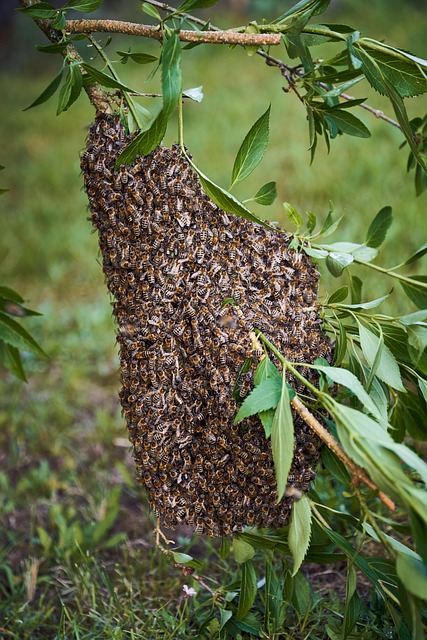
🐝 Common Myths and the Real Truth
❌ “All Bees Sting”
Most bee species are harmless and either cannot sting or choose not to. Many solitary and stingless bees lack the ability—or the reason—to sting humans.
❌ “Bees Are Aggressive”
Bees are not naturally aggressive. They sting only when threatened, trapped, or when their nest is disturbed. In open spaces, bees are focused on flowers, not people.
❌ “Only Honey Bees Matter”
While honey bees are important, wild bees play an equally vital role in pollination. Many native plants and crops rely more on wild bees than on managed honeybee colonies.
Understanding how bees behave replaces fear with awareness—and awareness leads to safer, more peaceful coexistence.
🌍 Bees and Our Future
Bees are more than pollinators moving between flowers. They act as connectors between plants, food systems, ecosystems, and human survival. When bees thrive, crops remain productive, landscapes stay diverse, and natural cycles continue without disruption.
A decline in bee populations would not only affect gardens and farms—it would ripple through food chains, local economies, and ecological balance. Reduced pollination leads to lower crop yields, higher food costs, and weakened plant diversity, making ecosystems more fragile over time.
Protecting bees is not only an environmental concern but a practical responsibility. By supporting pollinators today, we safeguard food security, natural beauty, and resilience for future generations—starting from our own gardens and living spaces.
💬 A Message Written on Wings
“A world that protects its bees protects its future—because where bees survive, life continues to bloom.” 🐝🌼

