
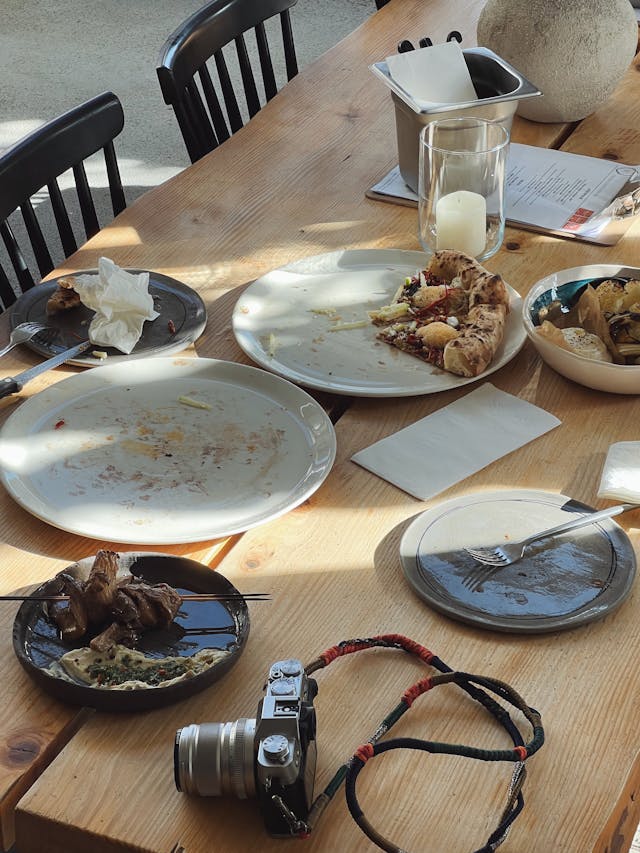
Around the world, millions of people still struggle to get enough food each day. Many families live below the poverty line, children face malnutrition, and elderly people sometimes skip meals so that others in the household can eat. For countless households, food is not simply something to enjoy—it is something they constantly worry about.
When we look at this reality, wasting food at home begins to feel more serious than a small everyday mistake. It creates a quiet contradiction: while one household throws away edible food, another may be searching desperately for a proper meal.
Food waste is not just about scraps ending up in the trash. Behind every wasted plate is a chain of effort and resources that often goes unnoticed. The water used to grow crops, the fuel used to transport them, the farmer’s hard work, and the time spent preparing meals—all of it disappears the moment food is discarded.
In everyday homes, food waste often happens quietly and unintentionally. Vegetables slowly spoil at the back of the refrigerator, rice or pasta is cooked in larger quantities than needed, fruits become overripe on the kitchen counter, and leftovers are forgotten until they can no longer be eaten.
The truth is simple and a little uncomfortable:
👉 Most food waste happens at home.
The hopeful part is that this is also where the solution begins. Small changes—like planning meals wisely, storing food properly, and cooking with awareness—can significantly reduce waste without making daily life difficult.
In the end, preventing food waste is not about guilt or strict rules. It is about awareness, gratitude, and respect for the food on our plates—because every bite truly matters. 💚
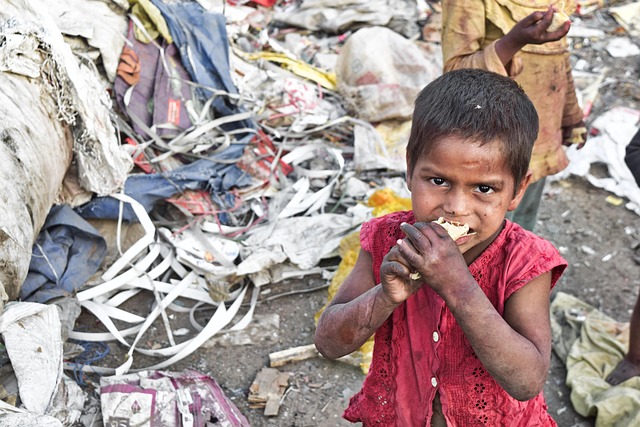
🌾 Why Reducing Food Waste at Home Truly Matters
When food is thrown away, the loss is much greater than the food itself. What looks like a small amount of leftovers or spoiled vegetables actually represents a long chain of effort, resources, and care that went into bringing that food to our kitchen.
💧 Precious Water Is Wasted
Growing food requires a large amount of water. From irrigating crops to washing and processing produce, thousands of liters of water may be used before food even reaches our homes. When food is discarded, all that precious water is wasted along with it.
⚡ Energy Is Lost Along the Way
Food travels through many stages before it reaches our plates—farming, harvesting, transportation, storage, refrigeration, and cooking. Each of these steps consumes energy. When food is wasted, the energy invested in every stage of that journey disappears with it.
💰 Household Money Quietly Disappears
Food waste also affects our own budgets. Groceries that spoil before being used or meals that are cooked in excess slowly add up to unnecessary spending. Many families do not realize how much money is lost simply by throwing away unused food.
👩🌾 The Effort Behind Every Meal Is Overlooked
Behind every grain of rice, vegetable, or fruit is the dedication of farmers who spend long hours growing and harvesting food. When edible food is discarded, it unintentionally overlooks the hard work and time invested by those who helped produce it.
🌍 The Wider Impact on Society
Food waste also has broader consequences. It contributes to environmental strain, increases pressure on natural resources, and can indirectly influence food prices. In a world where many people still struggle to access enough nutrition, wasting food deepens the imbalance.
At the same time, reducing food waste brings meaningful benefits to everyday life:
- Saves money by using groceries more wisely
- Reduces household garbage and kitchen waste
- Builds gratitude for the food we have
- Teaches children responsibility and mindful habits
Reducing food waste does not mean eating less or limiting meals.
Instead, it simply means respecting and using the food we already have more thoughtfully—a small shift in daily habits that can make a surprisingly big difference. 🌱
🛒 Shop with Purpose, Not Impulse
In many homes, food waste actually begins long before cooking starts—it begins during shopping. When groceries are purchased without planning, it becomes easy to buy more than what the household can realistically use. Over time, these extra items sit unused until they eventually spoil.
Being mindful while shopping is one of the simplest and most effective ways to reduce food waste at home.
✔ Plan Before You Buy
A few minutes of preparation before heading to the market can prevent unnecessary purchases and forgotten ingredients.
Before shopping, take a quick look around your kitchen:
- Check the refrigerator, freezer, and pantry to see what you already have
- Identify items that should be used soon, such as vegetables or dairy products
- Plan simple meals for the next 3–5 days based on the ingredients available
- Write a short and realistic shopping list to guide your purchases
Another helpful tip is to avoid grocery shopping when you are hungry. Hunger often leads to impulse buying—extra snacks, duplicate ingredients, or foods that were never part of the original plan.
✔ Buy According to Real Life, Not Ideal Life
Many people unintentionally waste food because they shop based on how they wish they cooked, rather than how they actually cook in daily life.
It helps to choose groceries that match your real routine. Consider things like:
- Your family size and how much food is typically eaten
- Your work schedule and how often you realistically cook
- Your cooking habits during busy weekdays versus relaxed weekends
- Your available storage space in the fridge or pantry
Instead of purchasing large quantities at once, buying smaller amounts more frequently can be far more practical. This keeps food fresher, reduces clutter in the kitchen, and lowers the chances of ingredients being forgotten or wasted.
In the end, thoughtful shopping turns the kitchen into a place of balance—where food is valued, used wisely, and rarely thrown away.

🧊 Store Food Properly to Extend Its Life
Many people assume food spoils quickly because it was not fresh enough when purchased. In reality, food often goes bad simply because it is stored incorrectly at home. Proper storage helps ingredients stay fresh longer, prevents unnecessary spoilage, and ensures that food gets used before it is forgotten.
Learning a few simple storage habits can make a big difference in reducing everyday food waste.
🥕 Storing Vegetables the Right Way
Different vegetables require different storage conditions. When stored properly, they stay crisp and usable for much longer.
- Leafy greens – Wrap them loosely in a clean cloth or newspaper before placing them in the refrigerator. This absorbs extra moisture and keeps the leaves fresh.
- Potatoes and onions – Store them separately in a cool, dry place with good airflow. Keeping them together can cause faster spoilage.
- Tomatoes – Keep them at room temperature until they are fully ripe. Refrigerating them too early can affect both texture and flavor.
- Chillies and ginger – Store them dry in the refrigerator. Excess moisture often leads to mold and faster deterioration.
🍎 Keeping Fruits Fresh for Longer
Fruits also benefit from the right storage environment. Some prefer room temperature, while others last longer when refrigerated.
- Bananas, apples, and papaya – These fruits usually stay fresh when kept on the kitchen counter until fully ripe.
- Grapes and berries – These delicate fruits should be refrigerated soon after purchase to slow down spoilage.
- Citrus fruits – Oranges, lemons, and similar fruits store well in ventilated baskets where air can circulate.
- Overripe fruits – Instead of discarding them, use them quickly in smoothies, fruit salads, baking, or cooking.
🍚 Storing Cooked Food Safely
Cooked meals and leftovers can easily be preserved for later use when stored carefully.
- Allow freshly cooked food to cool slightly before refrigerating
- Store food in clean, airtight containers
- Label containers with dates when possible to track freshness
- Place older leftovers at the front of the refrigerator so they are used first
A simple rule that many kitchens follow is:
👉 What is visible gets eaten. What is hidden gets wasted.
Keeping food organized and easy to see encourages families to use ingredients and leftovers before they spoil, helping the kitchen stay both efficient and waste-free.
🍳 Cook with Intention, Not Excess
In many homes, food is not wasted because people are careless—it is wasted because meals are prepared with too much generosity or habit. Cooking extra food often feels like a gesture of care, hospitality, or preparedness. However, when large portions remain uneaten, that kindness can unintentionally lead to waste.
Cooking with intention simply means preparing meals that match the real appetite and needs of the household.
✔ Cook Sensible Portions
Daily meals do not need to be prepared in festival-sized quantities. While it is comforting to have enough food for everyone, cooking far more than what can be eaten often leads to leftovers that sit unused.
A helpful approach is to cook just enough for the family to finish comfortably, with perhaps a small portion extra. This keeps meals fresh and prevents food from piling up in the refrigerator.
✔ Adjust Recipes Gradually
If certain dishes are often left unfinished, it may simply mean the quantity is too large. Instead of making a sudden change, reduce the portion slightly each time you cook that recipe.
Over a few meals, you will naturally discover the right balance for your household, where food feels satisfying but rarely goes to waste.
✔ Think Ahead While Cooking
Another practical habit is to cook with flexibility in mind. When a little extra food is unavoidable, it can often become the base for a new dish rather than something that gets thrown away.
For example:
- Extra rice can easily become lemon rice, fried rice, or curd rice
- Leftover vegetables can be turned into cutlets or used as paratha stuffing
- Extra dal can become a flavorful soup base
- Leftover chapatis can be made into rolls, crispy chips, or even breadcrumbs
With a bit of creativity, yesterday’s leftovers can turn into tomorrow’s quick and delicious meal.
In the end, intentional cooking does more than reduce food waste—it also brings calm and balance to the kitchen. When meals are prepared thoughtfully, both the stove and the dustbin stay lighter.
🥡 Leftovers Are Second Chances, Not Failures
In many kitchens, leftovers carry an unfair reputation. They are often seen as less appealing than freshly cooked food, and sometimes they are ignored simply because they were prepared the day before. Yet from a practical point of view, leftovers are not a problem—they are ready-made ingredients waiting to be used creatively.
When we start looking at leftovers as opportunities instead of mistakes, they become a valuable part of efficient home cooking.
🍲 Simple and Practical Ways to Reuse Leftovers
Many everyday foods can easily be transformed into new dishes with very little effort.
- Vegetable curry can become a tasty sandwich or wrap filling
- Leftover rice can be turned into pulao, fried rice, soups, or even savory fritters
- Overripe fruits work perfectly in smoothies, homemade jams, or chutneys
- Stale bread can be converted into crunchy croutons, breadcrumbs, or a quick bread upma
These small transformations not only reduce waste but also add variety to daily meals.
🥗 Build Simple Leftover-Friendly Habits
A few small habits can help families use leftovers more consistently:
- Plan a weekly “leftover-first” meal where older food is used before cooking anything new
- Pack leftovers creatively for lunchboxes or quick weekday meals
- Always finish older food in the refrigerator before preparing fresh dishes
These habits prevent food from being forgotten and make the kitchen run more smoothly.
Leftovers are often misunderstood, but in reality they offer several benefits. They save cooking time, reduce fuel use, cut grocery expenses, and honor the effort that went into preparing the meal.
When treated with a little creativity and respect, leftovers stop feeling like yesterday’s food—and start becoming tomorrow’s convenience.
📅 Read Food Dates Right: Avoid Waste Without Risking Health ⭐
Food labels often include dates that are meant to guide us about freshness and safety. However, many people misunderstand these labels and end up discarding perfectly edible food—or worse, consuming something that is no longer safe. Learning what these dates actually mean can help reduce food waste while still protecting your health.
✔ Understanding “Use By” Dates
A “Use By” date is a strict safety guideline. Foods labeled with this date should not be consumed after the specified day, even if they appear normal.
These products are usually highly perishable and can develop harmful bacteria once the date passes. Common examples include:
- Milk and dairy products
- Paneer and soft cheeses
- Fresh meat and fish
- Ready-to-eat packaged meals
Once the “Use By” date has passed, it is safest to discard these foods.
✔ Understanding “Best Before” Dates
A “Best Before” date is different. It indicates the period during which the food is expected to maintain its best taste, texture, and quality. After this date, the food may still be safe to eat if it has been stored properly and shows no signs of spoilage.
Dry foods such as:
- Packaged grains
- Pasta
- Biscuits
- Canned foods
often remain usable beyond the “Best Before” date when stored in clean, dry conditions.
⚠️ Signs That Food Should Be Discarded
Regardless of the date on the label, certain signs clearly indicate that food is no longer safe. If you notice any of the following, it is best to discard the item immediately:
- Visible mold
- Sour or unusual smell
- Slimy or sticky texture
- Swollen packaging
- Gas release or unusual bubbling
Food safety should always take priority over avoiding waste.
🛑 A Simple Rule to Remember
If something about the food feels questionable, it is safer to trust your judgment.
🛑 When in doubt, throw it out. Health always comes first.
Understanding food date labels allows households to make better decisions—reducing unnecessary waste while still protecting the wellbeing of everyone at the table.
🪴 Compost What You Truly Cannot Use
Even with careful planning, some kitchen waste is simply unavoidable. Fruit peels, vegetable scraps, eggshells, tea leaves, and coffee grounds are natural by-products of everyday cooking. Instead of sending these organic materials to the landfill, they can be returned to the soil in a far more meaningful way.
Composting is one of the simplest ways to give food scraps a second life.
🌱 Turn Kitchen Scraps into Soil Nutrition
Composting allows natural materials to break down into rich, nutrient-filled soil. This process transforms what would normally be waste into something that supports plant growth and healthier soil.
Many common kitchen scraps are perfect for composting, such as:
- Fruit and vegetable peels
- Eggshells
- Tea leaves and tea bags (without plastic)
- Coffee grounds
- Small plant trimmings
Over time, these materials decompose and become natural fertilizer that improves soil quality.
🏡 Start Simple Home Composting
Home composting does not need complicated equipment. Many households begin with a simple container, compost bin, or small pit in the garden. By layering kitchen scraps with dry materials like leaves or paper, the waste slowly turns into compost.
This simple practice helps households:
- Reduce the amount of garbage sent to landfills
- Recycle organic kitchen waste naturally
- Create nutrient-rich compost for plants and gardens
🌿 Giving Waste a New Purpose
Instead of viewing these scraps as useless, composting reminds us that nature rarely wastes anything. What once seemed like trash becomes nourishment for new plants and healthier soil.
In this way, composting closes the cycle—turning everyday kitchen waste into nutrition for new life 🌱.
👨👩👧 Teach Food Respect at Home
The way children understand food is shaped mostly by what they see at home. Long lectures about wasting food rarely work as well as simple everyday examples. When children watch adults value food, serve sensible portions, and avoid throwing meals away, they naturally begin to develop the same habits.
Food respect is learned quietly through daily routines.
🍽️ Encourage Sensible Portions
Children often take more food than they can finish simply out of excitement or curiosity. Teaching them to take small portions first and refill if still hungry helps them understand balance and prevents unnecessary waste.
🥗 Encourage Finishing What Is Served
Helping children develop the habit of finishing the food on their plate builds awareness about the effort that goes into preparing meals. This does not mean forcing them to overeat, but encouraging them to serve only what they know they can comfortably eat.
🍱 Involve Them in Reusing Leftovers
Children enjoy creative activities, and the kitchen can be a great place to teach resourcefulness. Let them help turn leftovers into something new—like wraps, sandwiches, or simple lunchbox ideas. This helps them see that food can have a second life instead of being discarded.
🌾 Teach the Value Behind Food
It can also help to explain where food comes from. When children understand that farmers grow crops with time, effort, and care, they begin to see food not just as something on a plate but as something valuable.
Small lessons like these create lasting habits.
When children grow up learning to respect food, they carry that awareness throughout life—helping build households that waste less and appreciate more.
📊 Everyday Food-Waste Habits & Smarter Choices
Many food-wasting habits happen quietly in everyday routines. Often, people do not realize how small kitchen behaviors—like buying too much, storing food poorly, or forgetting leftovers—gradually lead to unnecessary waste. Recognizing these patterns helps households make simple adjustments that protect both food and money.
The chart below expands on common habits that lead to food waste and the smarter choices that can prevent it.
| Habit | Why It Causes Waste | Better Choice |
|---|---|---|
| Buying groceries without planning | Leads to excess food that cannot be used in time | Plan simple meals for the week and shop with a list |
| Cooking large quantities | Meals remain unfinished and turn into unwanted leftovers | Prepare smaller portions based on family needs |
| Poor refrigerator organization | Food gets hidden behind newer items and forgotten | Use the FIFO method (First In, First Out) so older items are used first |
| Ignoring leftovers | Leftovers sit unused until they spoil | Schedule weekly “leftover meals” or use them for lunchboxes |
| Throwing away peels and scraps | Organic waste goes directly to the trash | Compost kitchen scraps to create nutrient-rich soil |
| Buying bulk without storage planning | Large quantities spoil before they can be used | Buy only what your storage space can support |
| Storing fruits and vegetables together | Some fruits release gases that speed up spoilage | Store fruits and vegetables separately when needed |
| Letting produce sit unused | Fresh vegetables and fruits rot before cooking | Plan meals around items that need to be used soon |
| Not checking pantry regularly | Expired or forgotten food accumulates | Do a quick pantry check every week |
| Cooking without checking existing food | Duplicate ingredients are purchased | Look in the fridge and pantry before cooking |
| Throwing away overripe fruits | Fruits are discarded once they soften | Use them in smoothies, baking, or sauces |
| Serving oversized portions | Food remains on plates and goes into the bin | Serve smaller portions and allow second servings |
🌱 Small Habits Create Big Change
Reducing food waste rarely requires drastic lifestyle changes. Most improvements come from small, mindful habits repeated daily—planning meals, storing food correctly, and using ingredients creatively.
Over time, these simple practices help households waste less, save more, and build a deeper respect for the food they bring into their homes.
🌍 Small Home Actions Create Big Change
It may seem that the food wasted in one kitchen is too small to matter. But when millions of households make small improvements, the combined impact becomes powerful. Everyday choices made at home can quietly contribute to solving much larger problems related to food, resources, and the environment.
When families begin to reduce food waste, several positive changes naturally follow.
🌾 Reduced Pressure on Hunger
Using food responsibly helps reduce unnecessary strain on food systems. While one household cannot solve hunger alone, responsible consumption contributes to a culture where food is valued rather than wasted.
🌿 Lower Environmental Pollution
Food that ends up in landfills decomposes and releases harmful gases that contribute to environmental pollution. When households waste less food, they also reduce the environmental burden created by discarded organic waste.
💰 Lower Household Expenses
When groceries are fully used instead of thrown away, families naturally spend less money replacing wasted food. Over time, mindful food use can make a noticeable difference in household budgets.
🌎 Respect for Natural Resources
Every meal represents water, soil, sunlight, energy, transportation, and human effort. Reducing food waste helps honor these resources rather than letting them disappear unnoticed.
Small changes—like planning meals better, organizing the refrigerator, or finishing leftovers—may seem minor, but together they create meaningful progress.
You do not need perfection.
You simply need awareness, consistency, and care.
💬 A Thought to Carry Forward
“When food is wasted in one home, the value of a meal is forgotten somewhere else.” 💛
Food is more than something we cook and eat each day. Behind every grain of rice, every vegetable, and every piece of bread lies the effort of farmers, the resources of nature, and the care that goes into bringing it to our table.
Treat every grain with respect, every meal with gratitude, and every leftover with a sense of responsibility. Small choices made in our kitchens—planning wisely, cooking thoughtfully, and avoiding waste—can quietly make a meaningful difference.
Because in a world where many people still struggle to find a full meal, every bite truly matters 🍽️💚

