
Home gardening today isn’t just about harvesting a few fresh vegetables—it’s about living smarter and spending less 🌱. As vegetable prices rise and market produce becomes increasingly treated and nutritionally weaker, growing food at home is slowly turning from a hobby into a sensible lifestyle choice. And the best part? You don’t need acres of land or a big budget to make it work.
When you choose vegetables that naturally adapt to warm climates, handle seasonal rains, and tolerate different soil types, your garden starts giving back generously. The real savings come from plants that grow quickly, bounce back after cutting, fend off pests on their own, and produce more from a single plant. These are the quiet heroes of home gardening—ideal for small yards, balconies, terraces, and even a few well-placed pots. Grow wisely, and your garden won’t just feed you—it will reduce your monthly expenses too.
🌱 What Makes a Vegetable Cost-Effective?
A vegetable earns the title cost-effective not because it’s trendy, but because it quietly works in your favor—season after season. These plants don’t demand pampering or constant spending. Instead, they grow with minimal effort and give back generously.
A truly budget-friendly vegetable usually:
- 🌞 Feels at home in warm to moderate weather, without sulking during heat
- 💧 Needs less water and fewer fertilizers, saving both money and time
- ✂️ Keeps producing even after harvesting, so one plant feeds you repeatedly
- 🌿 Fits comfortably into pots, grow bags, or small corners
- 🐛 Naturally resists pests, reducing the need for sprays and treatments
On the other hand, growing vegetables that are delicate, slow-growing, or highly dependent on chemicals often costs more than they return. They demand frequent care, extra inputs, and still deliver limited harvests. Cost-effective vegetables are different—they grow with you, not against you, making them ideal for everyday home gardeners who want maximum value with minimum stress.e crops often leads to frustration and waste. Smart gardeners grow vegetables that work with nature—not against it.
🥬 15 Most Cost-Effective Vegetables for Home Gardens
1. Spinach (Palak)
Spinach is one of those vegetables that rewards you quickly and generously. From sowing to harvesting, it barely makes you wait—often ready within just a month. For home gardeners, that speed alone makes it a money-saver.
Why spinach quietly saves you money:
- ✂️ Cut once, harvest again – it regrows after cutting, giving multiple harvests from the same plant
- 🌱 Needs very little attention – no complicated feeding or constant care
- 🪴 Thrives in small spaces – grows happily in pots, grow bags, or garden beds
Spinach proves that cost-effective gardening doesn’t mean compromising on nutrition. One small patch can keep supplying fresh leaves while your grocery bill slowly shrinks.
2. Fenugreek (Methi)
Fenugreek is one of the smartest vegetables you can grow if you’re thinking long-term. It matures quickly, asks for almost nothing, and quietly improves the soil while feeding you—something very few vegetables can do at the same time.
Why methi is a true money-saver:
- ⏳ Harvest-ready in just 20–25 days, making it one of the fastest leafy crops
- 🌿 Doesn’t demand fertilizers – it grows well even in basic soil
- 🔁 Grows almost year-round, especially in mild winters and early summers
Because fenugreek naturally enriches the soil, it also reduces future gardening costs. Grow it once, and the next plants benefit too—proof that some vegetables give more than just leaves.
3. Amaranth (Chaulai)
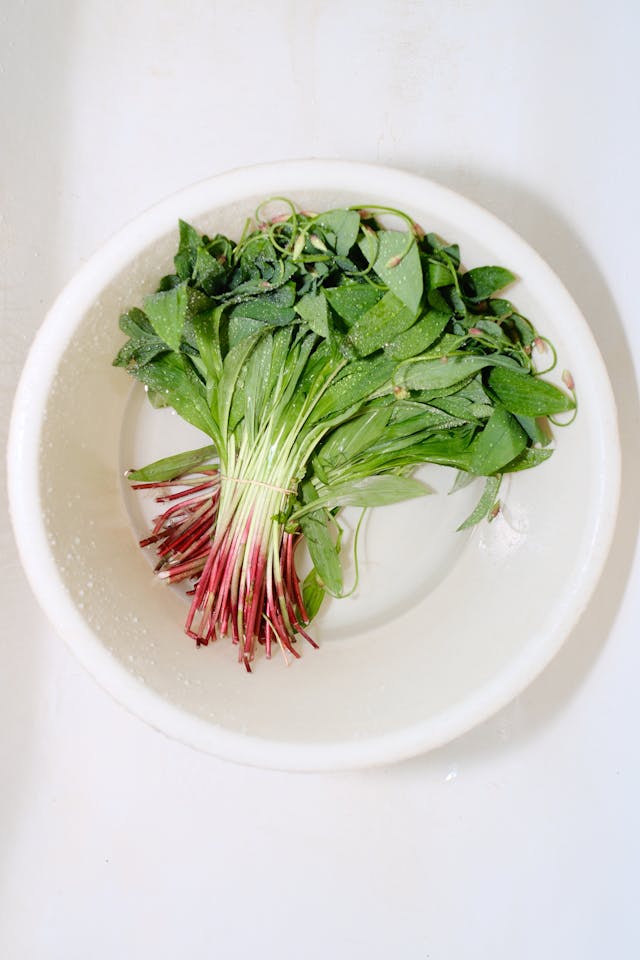
Amaranth is a powerhouse leafy green that doesn’t flinch in the heat. While many vegetables struggle during warm months, chaulai grows confidently, making it a reliable option for Indian summers and hot terraces.
Why amaranth stretches your gardening budget:
- ⚡ Grows at impressive speed, giving harvests in a short time
- ✂️ Allows repeated cuttings, so one sowing lasts for weeks
- 🥗 Packed with nutrients, delivering more value per leaf
If you want a vegetable that survives harsh conditions and still feeds your family generously, amaranth fits the role perfectly. It’s proof that tough plants often give the best returns.
4. Okra (Bhindi) 🌞
Okra is one of those vegetables that actually enjoys the heat. While other plants slow down in peak summer, bhindi steps up—flowering, fruiting, and producing almost relentlessly when conditions are warm.
Why okra is a long-term money saver:
- 🐛 Naturally strong against pests, reducing spray and treatment costs
- ⏱️ Keeps producing for weeks, not just a one-time harvest
- 🌱 A single plant yields dozens of pods, making even small gardens productive
Once established, okra becomes a dependable food source rather than a demanding crop. Plant it once, care for it lightly, and it will quietly keep your kitchen stocked through the season.
5. Tomatoes 🍅
Tomatoes are a kitchen staple, and when grown at home, they quickly prove their worth. With the right sunlight and a bit of routine care, a single plant can keep supplying fruits far longer than most people expect.
Why tomatoes are worth the effort:
- 🍅 Produce over an extended period, not just a short harvest window
- 🪴 Adapt well to containers, making them perfect for balconies and terraces
- 🛒 Reduce repeated market trips, especially during peak fruiting
Homegrown tomatoes don’t just save money—they save frustration. You pick them fresh, use them as needed, and avoid buying overpriced, under-ripe fruits from the market again and again.
6. Green Chillies 🌶️
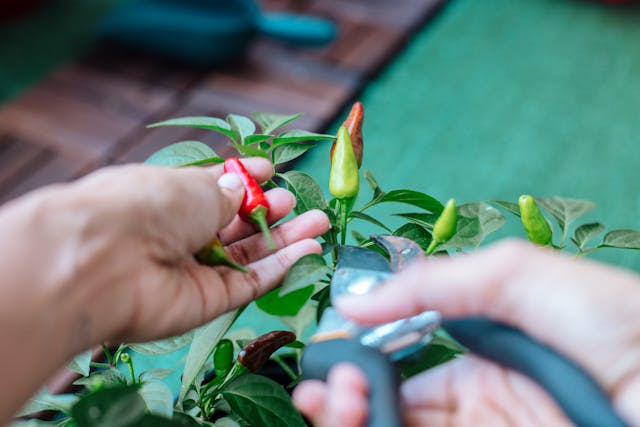
Green chilli plants may look small, but they’re incredibly generous. Once they settle in, they keep producing steadily, often for months, making them one of the most economical vegetables you can grow at home.
Why green chillies stretch your savings:
- 🌱 Fruiting continues for a long time, even with light care
- 🪴 Takes up very little space, perfect for pots, railings, or corners
- 🌿 Easy to grow organically, with minimal pest trouble
Instead of buying small packets of chillies every few days, a couple of healthy plants can meet your regular needs. It’s a simple crop that delivers consistent value with almost no fuss.
7. Bottle Gourd (Lauki)
Bottle gourd is a smart choice for gardeners who like big returns without crowding the ground. As a fast-growing climber, it happily moves upward, turning empty walls, grills, and terraces into productive green spaces.
Why lauki is a budget-friendly champion:
- 🥒 Delivers heavy harvests from a single vine, often more than expected
- 🧗 Makes use of vertical space, freeing up room for other plants
- 🌿 Requires very little maintenance, once the vine starts running
With just one healthy plant and some support, bottle gourd can supply your kitchen repeatedly through the season. It’s proof that smart use of space can be just as valuable as more soil.
8. Ridge Gourd (Turai)
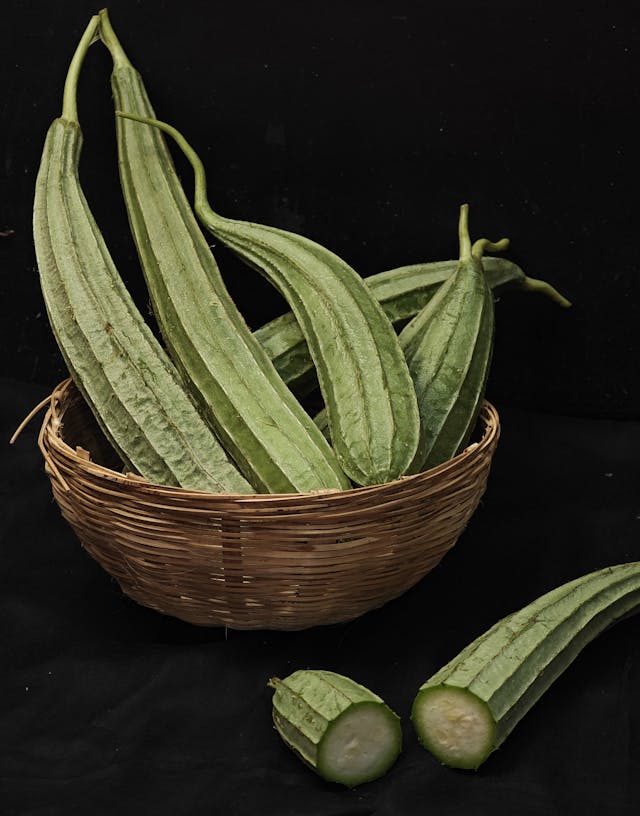
Ridge gourd is a warm-season climber that grows with surprising ease. Once it starts climbing, it settles into a steady rhythm—flowering and fruiting regularly without demanding constant attention.
Why ridge gourd is easy on your budget:
- 🔁 Fruits continuously over a long period, not all at once
- 🐛 Faces fewer pest problems, reducing the need for treatments
- 🧗 Perfect for trellises and vertical supports, saving ground space
If you already have a trellis or railing, ridge gourd turns that structure into a food source. With minimal care, it keeps producing soft, fresh fruits that cost almost nothing to grow at home.
9. Snake Gourd (Chichinda)
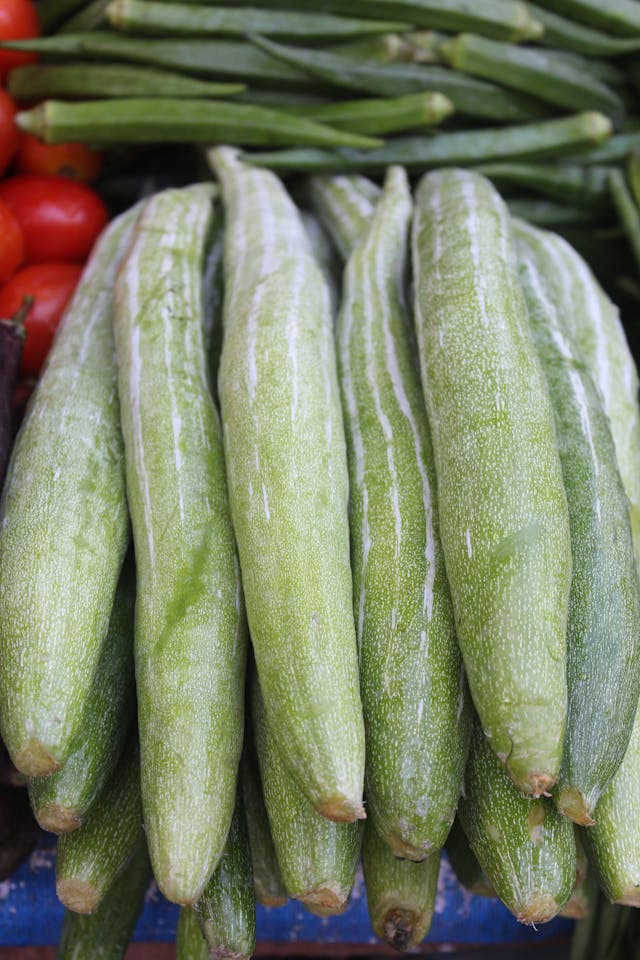
Snake gourd is known for its vigorous growth and impressively long fruits, but what really makes it special is how generously it produces. Once the vine settles in, it grows fast and starts supplying vegetables regularly, often more than a single household expects.
Why snake gourd is a true value grower:
- 🥒 One healthy plant can feed an entire family, thanks to large fruits
- ⏳ Harvest continues for a long stretch of the season, not just a few weeks
- 🌿 Adapts well to home gardens, whether in soil beds or larger containers
For families that cook vegetables daily, snake gourd quickly proves its worth. A single vine can replace repeated market purchases and keep meals fresh and affordable.
10. Radish
Radish is perfect for gardeners who love quick results. It grows fast, doesn’t demand much care, and can be sown again and again, ensuring a steady supply rather than a single harvest.
Why radish is a smart, low-cost choice:
- ⏱️ Ready to harvest in just 25–30 days, offering instant rewards
- 💧 Needs very little water, keeping maintenance costs low
- 🪴 Grows easily in containers, making it ideal for small spaces
Because radish matures so quickly, it fits well between other crops or in empty pots. It’s a great way to keep your garden productive while spending almost nothing extra.
11. Carrots 🥕
Carrots may be a cool-season crop, but when grown in loose, well-prepared soil, they reward you with a surprisingly generous harvest. They grow quietly underground and don’t ask for much attention once established.
Why carrots give strong value for very little cost:
- 🥕 Store well after harvesting, reducing waste and repeat buying
- 🌱 Grown directly from seed, eliminating transplant shock and extra effort
- 💰 Excellent yield from a small packet of seeds, stretching your investment
Carrots are especially satisfying for home gardeners because they combine low input with high return. With a little patience and the right soil texture, they become one of the most economical root vegetables to grow.
12. Beans (Bush or Climbing) 🫘
Beans are more than just a protein-rich vegetable—they’re quiet helpers in the garden. Whether you choose bush types or climbing varieties, they grow quickly and actively improve the soil while feeding your kitchen.
Why beans are a smart, cost-effective crop:
- 🫘 Produce generously from each plant, even in small spaces
- 🌿 Enrich the soil naturally through nitrogen-fixing roots
- 🐞 Grow easily without chemicals, making organic care simple
Because beans nourish the soil as they grow, they lower future fertilizer needs too. It’s one of those rare crops that gives back to both your plate and your garden bed at the same time.
13. Cucumbers 🥒
Cucumbers are one of the most rewarding summer vegetables you can grow. Their vines take off quickly, and once fruiting begins, harvesting becomes a regular routine rather than a rare event.
Why cucumbers are gentle on your wallet:
- ⚡ Grow rapidly from seed to harvest, shortening the waiting time
- 💧 High water content helps the plant cope better with heat, reducing stress with regular watering
- ☀️ Perfect for summer gardens, especially in warm and humid conditions
With a few healthy vines, cucumbers can keep your kitchen stocked for salads, drinks, and daily meals—without repeated trips to the market.
14. Brinjal (Eggplant) 🍆
Brinjal is one of those vegetables that stays with you for the long run. Once the plant settles in, it keeps flowering and fruiting steadily, turning into a reliable food source rather than a short-term crop.
Why brinjal delivers long-term value:
- ⏳ Continues producing for several months, especially in warm climates
- 🪴 Performs well in pots and grow bags, making it terrace-friendly
- 🍆 Gives a heavy yield from a single plant, even with basic care
With just a few healthy brinjal plants, home gardeners can cover a big part of their weekly vegetable needs—slowly, steadily, and very economically.
15. Spring Onions (Scallion) 🧅
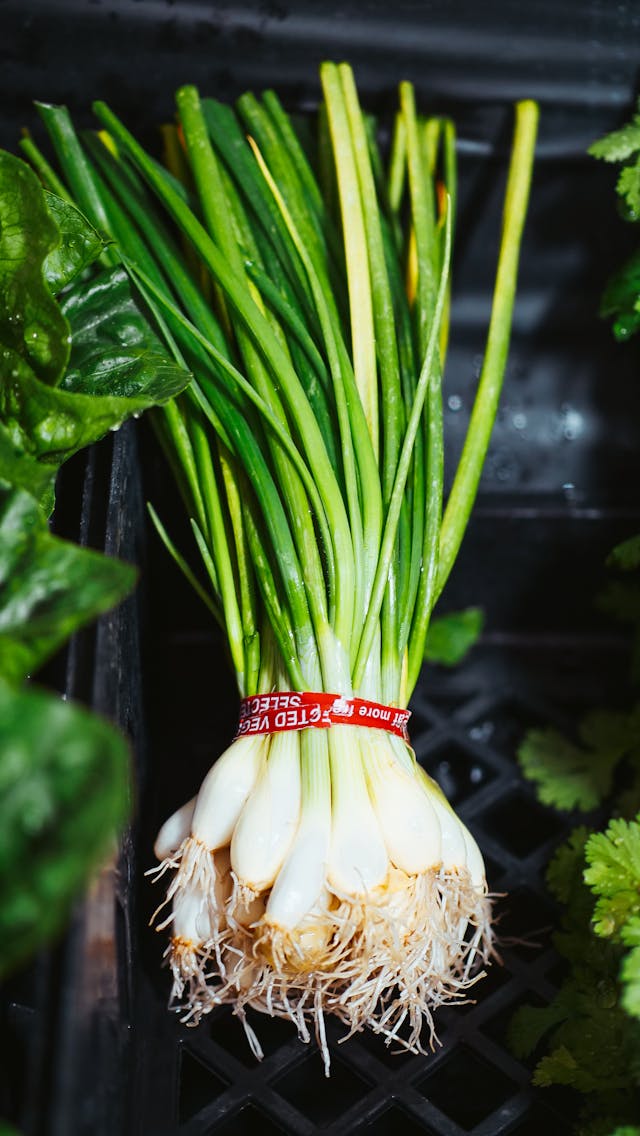
Spring onions are one of the most forgiving and space-efficient vegetables you can grow. Instead of pulling the whole plant out, you simply cut what you need, and the plant quietly grows back—ready for the next meal.
Why spring onions are a small-space money saver:
- ✂️ Regrow easily after cutting, allowing repeated harvests
- 🪴 Require very little space, even a single pot is enough
- 🌿 Ideal for balconies and windowsills, especially for daily cooking needs
A few pots of spring onions can save countless small purchases from the market. It’s a simple crop that fits perfectly into everyday urban gardening.
🌞 Climate-Smart Gardening Tips That Actually Cut Costs
Saving money in the garden doesn’t come from expensive tools or fancy products—it comes from small, thoughtful habits that work with nature, not against it.
- 🌱 Turn kitchen waste into compost – vegetable peels and leftovers quietly become free plant food
- 💧 Water in the early morning or late evening – less evaporation means less water wasted
- 🍂 Mulch the soil generously – it locks in moisture and reduces frequent watering
- 🌼 Rotate crops each season – healthy soil needs variety, not repetition
- 🌿 Choose open-pollinated seeds – they let you save seeds and replant year after year
These may look like simple steps, but together they make a powerful difference. In gardening, small habits compound into big savings—and a healthier harvest too 💡🌱
📊 Real Gardening Problems That Increase Costs — And Smart Ways to Fix Them
| Gardening Problem | Why It Quietly Increases Your Cost | Practical, Low-Cost Solution |
|---|---|---|
| Weak or lifeless soil | Plants stay small and give poor harvests | Add homemade compost, leaf mulch, and occasional cow dung manure |
| Excess summer heat | Plants stop flowering or burn | Grow heat-tolerant vegetables and provide light afternoon shade |
| Pest attacks | Repeated crop loss and replanting | Use neem oil spray, garlic–chilli spray, and companion planting |
| Limited space | Fewer plants, lower total harvest | Shift to vertical gardening, hanging pots, and climbers |
| Overwatering | Root rot and plant death | Mulch soil and water only when topsoil feels dry |
| Underwatering | Bitter taste and stunted growth | Deep watering twice a week instead of daily splashing |
| Poor seed quality | Uneven germination and wasted time | Use fresh, open-pollinated seeds from reliable sources |
| Growing wrong-season crops | Plants struggle and fail early | Choose vegetables suited to the current season |
| No crop rotation | Soil exhaustion and more pests | Rotate leafy, fruiting, and root vegetables each cycle |
| Excess fertilizer use | Leafy growth but low yield | Feed lightly with compost instead of chemical boosters |
| Crowded planting | Competition reduces harvest size | Follow proper spacing even in containers |
| Ignoring pruning/harvesting | Plant stops producing early | Harvest regularly and prune weak growth |
| Poor drainage | Roots suffocate and rot | Improve soil mix with sand, cocopeat, or compost |
| No mulching | Frequent watering and heat stress | Mulch with dry leaves, straw, or newspaper |
| Depending on market seedlings | Repeated buying every season | Save seeds and grow your own seedlings |
🌱 Why this chart matters
Most gardening expenses don’t come from seeds or pots—they come from small mistakes repeated daily. Fixing these habits once can reduce costs for years.
🏡 Small-Space Gardening = Big Savings
You don’t need a backyard or farmland to cut down your vegetable bills 🌱. A few buckets, grow bags, reused containers, or a simple vertical frame can quietly supply enough vegetables for everyday cooking.
When space is limited, creativity does the heavy lifting. Smart gardeners don’t grow bigger—they grow better. With the right choices, even a balcony or terrace can turn into a steady source of savings and fresh food.
🌿 Organic Practices Reduce Long-Term Expenses
Organic gardening may feel slow at first, but over time it becomes one of the most cost-efficient ways to grow food. When soil is healthy and balanced, it starts doing much of the work on its own.
Organic gardens cost less in the long run because:
- 🌱 Living soil feeds plants naturally, reducing the need for constant inputs
- 🐞 Plants grow stronger and resist pests on their own, lowering crop losses
- 🚫 No repeated spending on chemicals, sprays, or artificial boosters
Nature doesn’t rush—but it always pays back. When you garden patiently and organically, expenses slowly drop while harvests become more reliable 🍃
🌱 A Thought to Leave You With
Cost-effective gardening isn’t about cutting corners—it’s about making thoughtful choices. When you grow vegetables that match your climate, respect the seasons, and trust dependable crops, the garden starts working for you. Slowly, it turns into a living pantry—one that offers freshness, savings, and a quiet sense of pride with every harvest.
🌿 A truly productive garden isn’t funded by money, but by understanding how nature prefers to grow.

