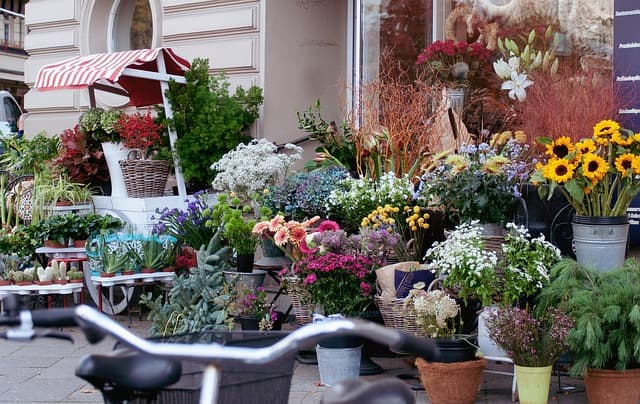
Not every garden announces itself with rows of soil and open land. Some gardens begin softly—inside a single pot resting near a doorway, on a balcony warmed by afternoon sun, or in a terrace corner most people overlook. These small beginnings aren’t signs of limitation. They’re quiet choices. Container gardening isn’t a backup plan for tight spaces; it’s a deliberate way of shaping nature, turning simple pots into self-contained, breathing worlds.
In climates marked by intense summers, unpredictable monsoons, and gentle winters, outdoor container growing becomes more than convenient—it becomes practical wisdom. Pots can be shifted away from harsh rain, protected from heatwaves, or repositioned to chase sunlight as seasons change. For apartment dwellers, renters, or anyone craving order without sacrificing greenery, container gardening offers control without confinement. It lets plants live with you, not just around you—adapting to your space, your pace, and your everyday life.
🌱 Why Outdoor Container Gardening Is More Than Just Pots
Outdoor container gardening isn’t about working around limitations—it’s about growing with intention. When a plant lives in a container, nothing is accidental. Every choice you make directly shapes how that plant survives, responds, and thrives.
In containers, you decide the rules:
- The soil isn’t whatever exists beneath your feet—it’s selected, layered, and improved
- Drainage is intentional, not left to chance
- Sunlight can be adjusted by simply shifting a pot
- Watering becomes precise, not excessive
- Plant placement turns into a thoughtful design decision
This level of control is impossible in open ground. Garden beds ask for permanence; containers invite flexibility. When a heatwave scorches one corner, you move your plants. When monsoon rains arrive early, you shelter them. When seasons change, your garden changes with them—without loss, without stress.
Outdoor container gardening is where gardening meets design thinking. Every pot becomes a living composition—shaped by height, texture, color, and rhythm. A tall grass adds movement. A trailing plant softens edges. A flowering pot draws the eye like punctuation in a sentence.
You’re not just growing plants.
You’re arranging life—one container at a time.
☀️ Understanding Outdoor Conditions Before You Begin
Before buying pots or choosing plants, pause—and watch your space. Outdoor container gardening succeeds less by enthusiasm and more by observation. Your balcony, terrace, or doorstep already tells a story; you just need to read it.
Instead of rushing into planting, spend a few days noticing how the space behaves throughout the day and across changing weather.
Key Questions Worth Asking Yourself
- How many hours of direct sunlight does this spot actually receive—not what you assume, but what you see?
- Is the light soft and forgiving in the morning, or intense and exhausting in the afternoon?
- Do strong winds whip through the area, drying soil faster than expected or knocking plants over?
- During monsoon rains, does water drain smoothly, or does it linger and suffocate roots?
These answers quietly decide which plants will thrive and which will struggle—long before soil or fertilizer comes into play.
Best Seasons to Start Outdoor Container Gardening
Timing matters, especially outdoors where plants feel every shift in weather.
- Spring is a gentle beginning. Temperatures are balanced, making it ideal for flowering plants and most vegetables to establish strong roots.
- Monsoon brings natural moisture and humidity—perfect for leafy greens and tropical plants that love consistent hydration and warm air.
- Winter offers calm, stable conditions. It’s the best season for herbs and cool-season flowers that prefer mild days and crisp nights.
When you align your containers with the rhythm of the seasons, plants grow with less resistance—and you garden with far more confidence.
🪴 Choosing the Right Containers: The Foundation of Success
A pot is never just a holder.
For a plant, it is a home—the only world its roots will ever know.
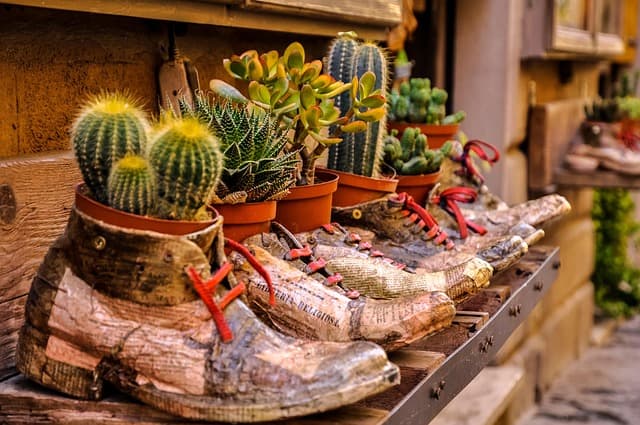
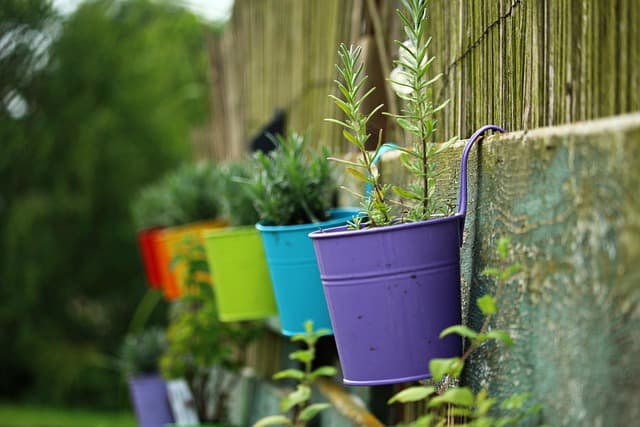
In outdoor container gardening, the container quietly decides everything that happens below the soil surface. It controls how freely roots can breathe, how long moisture stays available, and how stable the plant feels when summer heat, strong winds, or sudden monsoon rains arrive. Even the best soil and healthiest plant can fail if the container works against them.
The right container doesn’t draw attention to itself. It simply supports growth—season after season—without stress.
Different plants expect different underground conditions. Some like airflow, some prefer steady moisture, and others need weight and stability. That environment begins not with soil, but with the container you choose.
Common Outdoor Container Options (And What They’re Really Good At)
| Container Type | Best For | Things to Remember |
|---|---|---|
| Terracotta | Herbs, flowering plants | Breathable and root-friendly, but dries out quickly during hot summers |
| Ceramic | Decorative and flowering plants | Heavy and stable, excellent at holding moisture—watch for waterlogging |
| Cement | Shrubs, small trees | Extremely durable and wind-resistant, but not easy to move once placed |
| Plastic | Beginners, balconies | Lightweight and affordable, but can overheat roots in strong sun |
| Grow Bags | Vegetables | Excellent drainage and budget-friendly, though they dry faster than hard pots |
Choosing containers is not about looks alone. It’s about matching plant personality with pot behavior. When that match is right, roots stay calm, growth stays steady, and your garden feels balanced—even in the most challenging outdoor conditions.
🌿 Why Container Size Matters More Than You Think
Container size isn’t a minor detail—it quietly decides how strong, stable, and stress-free your plant’s life will be. A pot that looks “good enough” on day one can become a silent problem as roots begin to grow and search for space.
Different plants expand below the soil at very different speeds, and your container needs to respect that natural growth.
- Shallow pots work well for herbs and succulents that spread sideways and prefer quick-drying soil.
- Medium-sized pots provide enough depth for flowering plants and leafy vegetables to develop healthy root systems without crowding.
- Large, deep pots are non-negotiable for fruiting plants, climbers, and shrubs—these plants anchor themselves deeply before they show real growth above the soil.
A Simple Rule That Never Fails
Bigger roots always demand deeper pots.
When roots feel cramped, plants don’t complain loudly—they weaken quietly. Growth slows, leaves lose vitality, and no amount of fertilizer can compensate for a container that restricts movement. Roots need room not just to grow, but to breathe and absorb moisture evenly.
Choosing the correct container size from the beginning saves you from constant repotting, uneven watering, and long-term stress on the plant. More importantly, it allows the plant to settle in—building strength steadily instead of merely surviving from one season to the next..
🌾 Soil: The Hidden Garden Inside Every Pot
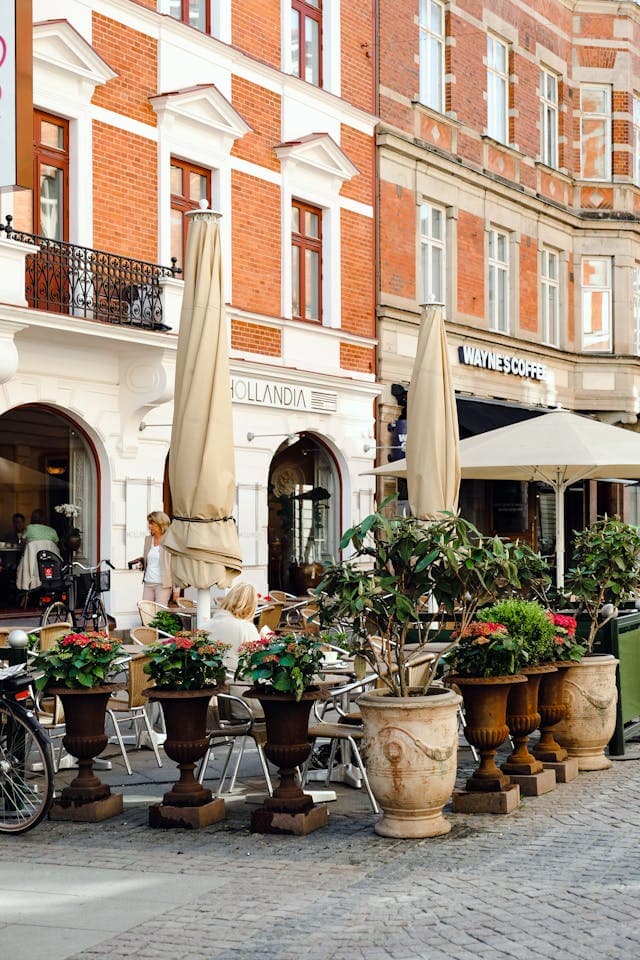
In container gardening, soil isn’t just a base—it’s the entire world your plant lives in. Unlike ground-grown plants that can stretch their roots outward in search of nutrients and air, container plants depend completely on what you place inside that pot. Plain garden soil, on its own, simply can’t meet that demand.
Good container soil must do three things at once: hold moisture, release excess water, and allow roots to breathe. That balance is what turns a pot into a thriving ecosystem instead of a struggling one.
An Ideal Potting Mix for Outdoor Containers
A well-balanced mix creates stability across seasons—especially in hot summers and heavy monsoons.
- 40% garden soil – provides structure and mineral content
- 30% organic compost or vermicompost – feeds the plant slowly and naturally
- 20% cocopeat or leaf mold – improves moisture retention without suffocating roots
- 10% sand or perlite – ensures proper drainage and airflow
This combination works because it adapts to weather extremes. It holds moisture during scorching summers, drains efficiently during monsoon rains, and keeps roots oxygen-rich instead of compacted and stressed.
One Habit That Makes a Big Difference
For long-term container plants, soil doesn’t stay perfect forever. Nutrients get used up, and structure slowly breaks down. Refreshing or replacing the potting mix every 6–12 months restores balance—giving roots a renewed environment and preventing gradual decline that often goes unnoticed.
Healthy containers don’t start with fertilizer.
They start with soil that knows how to breathe.
🌸 Plants That Truly Thrive in Outdoor Containers
Not every plant enjoys life in a pot—but many flourish there when chosen wisely. Outdoor container gardening works best when plants match the rhythm of confined soil, changing sunlight, and controlled watering. The following plants don’t merely survive in containers; they reward you with color, harvest, and reliability.
🌼 Flowering Plants That Love Pots
These bloomers adapt beautifully to container life, offering long flowering seasons without demanding deep ground soil:
- Petunia – Spreads easily and fills pots with soft, cascading color
- Portulaca – Thrives in heat and sun, perfect for summer balconies
- Geranium – Reliable flowering with minimal care
- Dianthus – Compact, fragrant, and ideal for decorative containers
- Zinnia – Bold flowers that handle sun and warmth confidently
These plants appreciate good drainage and respond quickly when conditions are right—making them ideal for visual impact in pots.
🥬 Vegetables Suitable for Containers
Many vegetables are surprisingly comfortable growing in limited soil when roots are given enough depth and nutrition:
- Tomato – Especially bush or cherry varieties
- Chilli – Thrives in warm, sunny spots
- Brinjal – Strong roots adapt well to large containers
- Spinach – Fast-growing and perfect for shallow pots
- Fenugreek – Ideal for quick harvests and cooler seasons
Container-grown vegetables often produce cleaner harvests and are easier to protect from pests and excess rain.
🌿 Herbs for Daily Harvest
Herbs are perhaps the happiest plants in containers—responsive, forgiving, and endlessly useful:
- Tulsi – Strong, resilient, and deeply rooted in Indian homes
- Mint – Best kept in pots to control its spreading nature
- Coriander – Perfect for small, repeated sowings
- Curry leaves – Grows steadily in large, well-drained containers
- Lemongrass – Thrives in deep pots with good sunlight
Keeping herbs in containers allows quick access from the kitchen and better control over growth.
🍓 Fruit Plants That Grow Well in Pots
With patience and the right container size, fruit plants can live long, productive lives in pots:
- Lemon – One of the most reliable fruit trees for containers
- Dwarf guava – Compact growth with generous yields
- Pomegranate – Handles pot life well with proper pruning
- Strawberry – Ideal for shallow containers and hanging baskets
Fruit plants need larger pots and consistent care—but they reward you with something rare in container gardening: harvestable joy.
Choosing the right plants is not about testing limits—it’s about respecting nature’s preferences. When plants feel at home in their containers, growth stops feeling like effort and starts feeling natural.
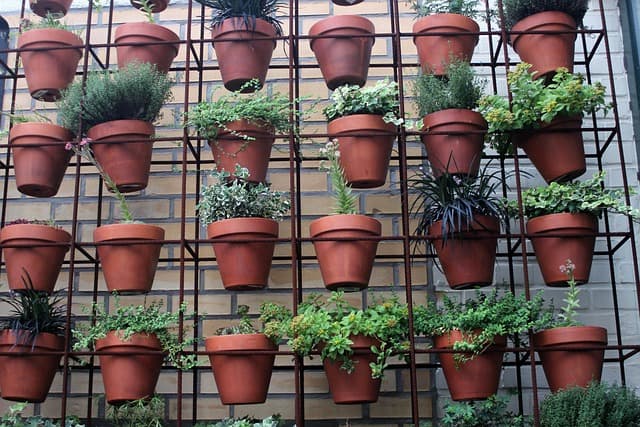
🪴 Container Size vs Plant Type — A Quick, Honest Reference
When choosing a container, size is not about aesthetics—it’s about giving roots the freedom to behave naturally. A plant may fit in a smaller pot, but thriving requires space below the soil line. This simple reference helps you match plant types with containers that support long-term health, not just short-term survival.
| Container Size (Diameter & Depth) | Suitable Plant Types | Common Examples |
|---|---|---|
| 6–8 inches (Shallow) | Herbs, succulents, seedlings | Mint, coriander, basil, aloe |
| 8–12 inches (Medium) | Flowering plants, leafy vegetables | Petunia, zinnia, spinach, fenugreek |
| 12–16 inches (Deep) | Fruiting vegetables | Tomato, chilli, brinjal |
| 16–20 inches (Large) | Dwarf fruit plants, bushy shrubs | Lemon, guava, rose |
| 20+ inches (Extra Large) | Small trees, climbers | Pomegranate, curry leaf, bougainvillea |
A Tip Worth Remembering
When you’re unsure between two sizes, always choose the larger container. Extra space rarely harms a plant, but restricted roots almost always do. A slightly bigger pot means steadier moisture, stronger roots, fewer watering mistakes, and a plant that grows confidently instead of cautiously.
In container gardening, generosity below the soil often shows as beauty above it.
💧 Watering Wisdom for Container Gardens
Most container plants don’t die from neglect—they suffer from misguided care. Improper watering is the single most common reason container gardens fail, and it usually comes from good intentions. Pots don’t behave like garden soil; they dry faster, flood quicker, and leave no margin for guesswork.
Watering well is less about routine and more about awareness.
Smart Watering Practices That Actually Work
- Water early in the morning or late in the evening when evaporation is low and roots can absorb moisture calmly.
- Check soil moisture before watering, not after. A schedule can mislead; the soil never does.
- Every pot must have drainage holes—without them, roots suffocate silently.
- Reduce watering during monsoon. Rain, humidity, and cooler temperatures already slow water loss.
A Simple Test Every Gardener Should Use
Lift the pot.
- If it feels light, the soil is dry and the plant needs water.
- If it feels heavy, moisture is still present—wait.
This small habit prevents overwatering better than any chart or timer. Container gardening rewards gardeners who respond, not those who repeat routines. When watering becomes intentional instead of automatic, plants stop struggling—and start growing with confidence.
🌱 Feeding Container Plants Correctly
In containers, plants eat faster than they would in open soil. Every watering slowly washes nutrients out through drainage holes, which means even the healthiest potting mix can become empty over time. If container plants look tired despite good light and watering, nutrition is often the missing link.
Feeding container plants isn’t about force—it’s about steady replenishment.
A Simple, Organic Feeding Rhythm That Works
- Compost or vermicompost (every 15–20 days)
Gently refreshes the soil, improves texture, and supplies slow-release nutrients without shocking roots. - Liquid feeds like compost tea or diluted buttermilk water (weekly)
These act quickly, especially during active growth, and help revive stressed plants without buildup. - Neem cake powder (once a month)
Feeds the soil lightly while discouraging pests and harmful soil organisms—prevention, not reaction.
This approach keeps the soil alive rather than overloaded. Container plants respond best to small, regular nourishment, not heavy doses.
Why Chemical Fertilizers Do More Harm Than Good in Pots
In containers, chemical fertilizers don’t disperse—they accumulate. Over time, salts build up, roots burn, and soil structure collapses. What looks like fast growth often leads to long-term weakness.
Organic feeding works quietly. It strengthens roots, supports beneficial microbes, and keeps container plants growing steadily instead of desperately.
Healthy container plants aren’t heavy feeders.
They’re consistent ones.
🧩 Design Principles: When Pots Truly Become Gardens
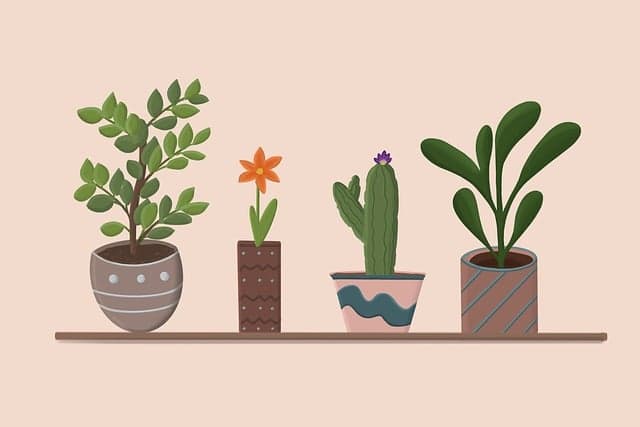
Container gardening reaches its fullest expression when plants stop looking like individual pots and start feeling like a scene. Growth keeps plants alive—but design is what makes people pause, notice, and stay.
Good design doesn’t demand expensive containers or rare plants. It relies on balance, rhythm, and restraint.
Design Tips That Rarely Fail
- Layering creates depth
Place taller plants toward the back or center, and let shorter ones sit in front. This mimics how plants grow naturally and prevents visual clutter. - Limit your color palette
Two or three color tones are enough. Too many colors compete for attention; fewer shades create calm and cohesion. - Play with texture, not just color
Pair broad, bold leaves with fine or feathery foliage. Even without flowers, texture keeps the arrangement alive. - Group with intention
Odd numbers—three or five pots—feel organic and balanced. Symmetry looks planned; odd groupings feel natural.
One quiet design trick: mix foliage plants with flowering ones. Flowers come and go, but foliage stays. When blooms rest, leaves continue the story—ensuring your container garden never looks empty, only paused.
When design is thoughtful, pots disappear.
What remains is a garden—just shaped differently.
🛠️ Container Gardening Problems & Practical Solutions
Every container garden faces challenges—but most problems are not failures. They’re signals. When plants struggle, they’re quietly telling you something about space, water, light, or balance. The good news? Container problems are usually easier to fix than ground-garden issues—if you respond early.
Here’s a clear, experience-based guide to common container gardening troubles and what actually works.
| Problem You Notice | What’s Really Happening | Practical, Gentle Fix |
|---|---|---|
| Soil dries out too fast | Pots are too small or exposed to strong sun | Add mulch and shift to larger containers that hold moisture longer |
| Leaves turning yellow | Overwatering or poor drainage suffocating roots | Improve drainage, loosen soil, and reduce watering frequency |
| Healthy leaves but no flowers | Excess nitrogen pushing leaf growth | Increase sunlight and add bone meal or balanced organic feed |
| Roots coming out of drainage holes | Plant has outgrown its container | Repot into a deeper, wider pot before growth stalls |
| Pest attacks | Stressed plants attract insects | Spray neem oil weekly and improve overall plant health |
Most container gardening problems don’t need chemicals or drastic action. They need adjustment, not aggression. When you correct the environment instead of fighting the symptom, plants recover faster—and often grow better than before.
A struggling plant isn’t asking for rescue.
It’s asking to be understood.
🌼 Seasonal Care for Outdoor Container Gardens
Outdoor container gardens live close to the seasons. Unlike ground plants, they feel every shift in temperature, rain, and wind almost immediately. Adjusting care with the seasons isn’t extra effort—it’s how container gardens stay healthy year after year.
🌞 Summer Care: Protecting Plants from Stress
Summer is often the toughest season for container plants. Pots heat up quickly, and roots feel the impact before leaves show it.
- Provide afternoon shade, especially during peak heat hours, to prevent leaf burn and root stress
- Mulch generously to keep soil cool and slow down moisture loss
- Water deeply and consistently, allowing moisture to reach the full root zone instead of just the surface
The goal in summer is not rapid growth—it’s survival with strength.
🌧️ Monsoon Care: Managing Excess, Not Shortage
Monsoon brings relief from heat but introduces new challenges for containers.
- Elevate pots slightly so excess rainwater drains freely
- Reduce manual watering—nature is already doing the job
- Watch for fungal diseases, especially on leaves and soil surface, and improve airflow when needed
In this season, less interference often leads to healthier plants.
❄️ Winter Care: Gentle, Steady Growth
Winter is calmer and more forgiving for container gardens.
- Reduce watering frequency as evaporation slows
- Protect sensitive plants from frost, especially in open terraces or windy balconies
- Take advantage of the season—winter is ideal for many flowering plants and cool-season crops
Seasonal care isn’t about changing everything.
It’s about making small adjustments that keep your container garden in rhythm with nature.
🌿 Why Container Gardens Feel So Personal
Container gardens don’t live at a distance. They sit where you pass every day—near doors, along railings, beside windows. They grow at eye level and within reach, inviting attention without demanding it. Because of that closeness, you begin to notice things most gardens hide: the first soft leaf, a bud forming earlier than expected, the quiet signs of stress before real damage appears.
These plants respond quickly. A little care shows results. A little neglect leaves marks. That immediacy turns gardening into a conversation rather than a routine. You adjust, they respond—and the cycle continues.
Each pot becomes a small chapter.
A plant that survived summer heat.
One that recovered after overwatering.
Another that bloomed unexpectedly in winter.
Container gardens don’t just grow plants—they grow awareness. And in that shared space between soil, pot, and daily life, gardening stops feeling like a task and starts feeling personal.
💚 A Message Rooted in Pots
“A garden doesn’t need land—it needs patience, care, and a place to breathe.
Even a single pot, when loved well, can grow into a world of green.” 🪴
Container gardening reminds us that growth isn’t about how much space you own, but how thoughtfully you use what you have. A pot on a balcony, a corner of a terrace, or a doorstep catching morning light can become a living refuge—if given time and attention.
Plants don’t measure success in square feet.
They measure it in consistency, kindness, and care.
And perhaps that’s why container gardens feel so complete: they prove that even the smallest spaces, when respected, can hold something beautifully alive.

