
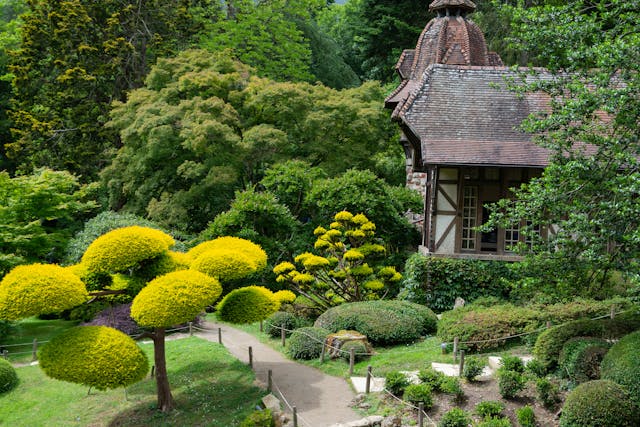
Not every beautiful garden begins with rich soil, balanced sunlight, and carefully planned planting beds. In fact, many memorable gardens start in places where gardening initially seems difficult—or even impossible. A dry corner of land, a patch filled with stones, an uneven slope, or a neglected edge of the yard can look unpromising at first glance. Yet these overlooked spaces often hold the greatest potential for creativity and transformation.
For plant lovers and curious gardeners, unusual landscapes are not obstacles—they are invitations. These spaces challenge us to observe nature more closely, to understand how plants adapt, and to rethink what a “perfect garden” really means. With a little patience, thoughtful plant selection, and a willingness to experiment, even the harshest patch of land can slowly evolve into something alive and beautiful 🌱.
In warm and seasonal climates, where sunlight, heat, and rainfall patterns shape the land in unique ways, these transformations can be especially rewarding. This article explores how plants bring life to unexpected places, why these unconventional landscapes deserve attention, and how gardeners can turn challenging ground into quiet moments of wonder that surprise everyone who sees them.
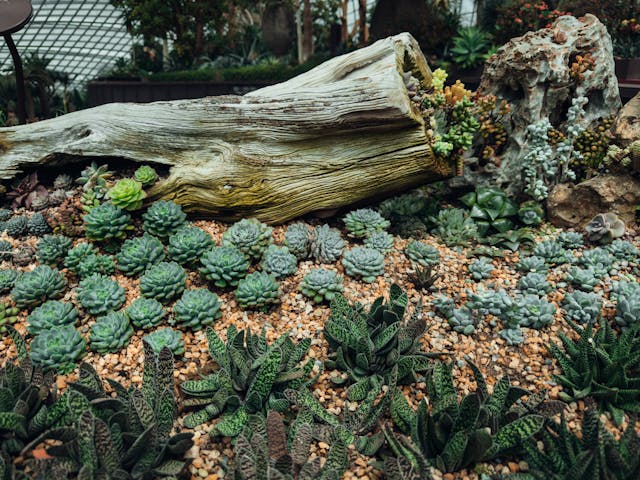
🌍 What Is an “Unusual Landscape” in Gardening?
In gardening, an “unusual landscape” refers to any space that seems challenging for plant growth at first glance. These are areas where soil, sunlight, or terrain do not match the typical conditions most garden plants prefer. Because of these limitations, many gardeners assume such places cannot support healthy plant life.
However, nature often proves otherwise.
An unusual landscape might appear in many forms around a home, garden, or natural space:
- Rocky or gravel-filled soil where roots struggle to spread
- Dry, sun-scorched patches that lose moisture quickly
- Sloped or uneven ground where water runs off instead of soaking in
- Shady corners where sunlight barely reaches the soil
- Neglected plots with compacted or tired soil
- Small urban spaces with shallow soil depth or limited planting room
At first, these environments can feel discouraging. Yet they often hold hidden potential. Plants that naturally thrive in tough conditions—such as drought-tolerant species, ground covers, and hardy native plants—are surprisingly well suited for these landscapes.
Instead of forcing the land to behave like a traditional garden, the real secret is working with the landscape rather than against it. Once the right plants are introduced and the space is observed over time, these once-ignored corners can slowly transform into resilient, low-maintenance plant habitats that feel both natural and quietly beautiful 🌱.
🌱 Plants: Nature’s Quiet Landscape Designers
Plants have a remarkable way of adapting to places that seem difficult or unwelcoming. Where people might see dry soil, rocky ground, or uneven terrain as a problem, plants often see it as a place to grow, settle, and slowly reshape the environment. Their ability to adjust to different conditions is one of nature’s quiet miracles.
In many landscapes, plants act like gentle engineers of the land:
- Deep-rooted plants slowly loosen and break apart hard, compacted soil, allowing air and water to move more freely.
- Groundcovers spread across exposed earth, shielding it from intense sun and reducing erosion.
- Native plants develop strong root systems that naturally stabilize slopes and fragile ground.
- Hardy shrubs and grasses soften rough edges of land, bringing texture, movement, and life to otherwise harsh spaces.
What begins as a simple planting effort gradually becomes something much more meaningful. As plants grow, they improve the soil structure, encourage beneficial insects to return, and help the land retain moisture. Small organisms begin to thrive again, birds and pollinators find shelter, and the entire environment slowly rebuilds itself.
Over time, these changes create a quiet transformation. A once-barren corner begins to feel alive, balanced, and surprisingly beautiful. This is the moment when an unusual landscape stops looking like a challenge and starts revealing its hidden charm—turning an overlooked patch of land into a living moment of wonder 🌿.
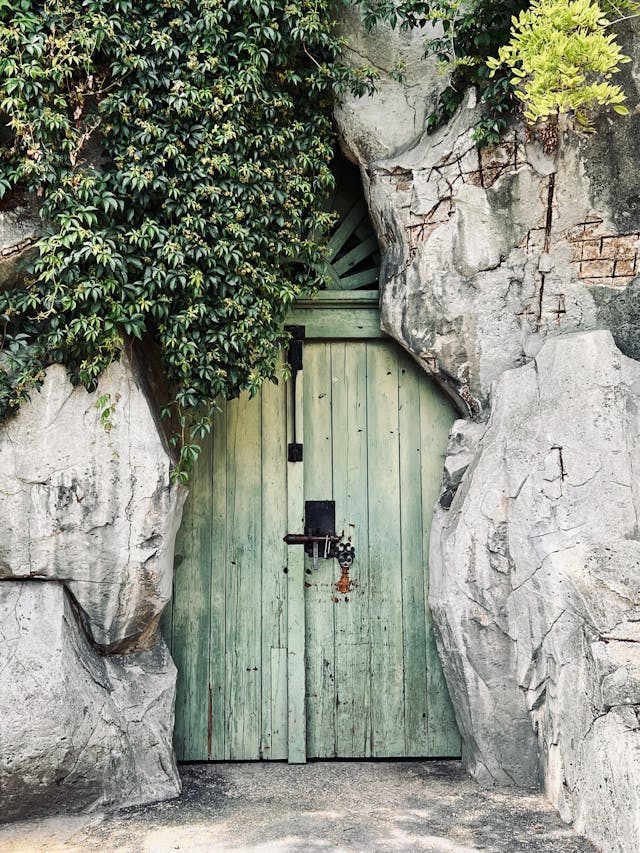
✨ The Wonder of Watching Plants Adapt
There is a quiet kind of magic in watching a plant succeed in a place where you once doubted anything could grow. These small moments often feel more meaningful than perfectly planned gardens because they reveal nature’s remarkable ability to adapt and endure.
Sometimes the wonder appears in simple, unexpected ways:
- A thin blade of grass pushing its way between stones, finding life in the smallest crack
- A flowering shrub blooming confidently in dry heat, where soil seems tired and unforgiving
- A climbing vine discovering support on an old wall, turning something plain into living green
Scenes like these may look ordinary to a passerby, but to someone who loves plants, they feel quietly powerful. They remind us that growth does not always require perfect conditions—sometimes it simply requires persistence.
Gardening in unusual landscapes teaches patience in a way that few hobbies can. Results rarely appear overnight. Instead, change unfolds gradually: a plant settles its roots, new leaves appear, the soil improves, and the space begins to feel more alive with each passing season.
This slow transformation is what makes the experience so rewarding. When gardeners learn to appreciate progress step by step, they begin to see beauty not only in full-grown gardens but also in the journey of growth itself 🌿.
🌦️ Seasonal Changes Bring Hidden Beauty
In places where seasons shift clearly throughout the year, landscapes rarely stay the same for long. What appears quiet or dull in one season can transform completely in the next. For gardeners, learning to observe these changes reveals a deeper layer of beauty that only time and patience can uncover.
☀️ Summer Reveals Strength and Texture
Summer often tests the resilience of plants. Intense sunlight and dry conditions highlight species that are naturally adapted to heat. During this time, drought-tolerant plants, hardy grasses, and shrubs become the stars of the landscape. Their textured leaves, silvery tones, and structured forms add depth and visual interest even when conditions are harsh. Instead of lush greenery, the beauty of summer landscapes often lies in shadows, shapes, and survival.
🌧️ Monsoon Awakens Hidden Life
When monsoon rains arrive, the transformation can feel almost magical. Soil that once appeared dry and lifeless suddenly absorbs moisture and becomes fertile again. Dormant seeds begin to sprout, leaves grow rapidly, and gardens regain their rich green color. Areas that seemed quiet or neglected during the dry season quickly turn vibrant and full of energy. For many gardeners, this is the season when the land feels most alive.
❄️ Winter Brings Calm Structure
Winter introduces a quieter and more reflective phase in the garden. Growth slows down, colors soften, and the landscape reveals its structure. Branches, stems, and plant shapes become more noticeable when growth is minimal. Instead of bright blooms, winter gardens offer subtle beauty through textures, patterns, and a sense of calm balance.
🌿 Learning the Rhythm of the Land
One of the most valuable lessons gardeners learn is that landscapes should never be judged in a single moment. A patch of land that looks empty in one season may quietly prepare for its most beautiful display in another.
By understanding these seasonal rhythms, gardeners begin to work with nature rather than against it. Plants are allowed to grow, rest, and flourish according to the climate’s natural cycle, turning the garden into a living space that changes gracefully throughout the year.
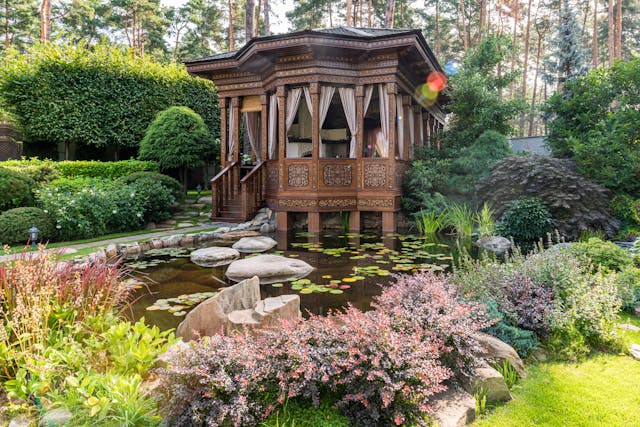
🌾 Choosing the Right Plants for Unusual Landscapes
One of the biggest mistakes gardeners make is trying to force plants to grow where they naturally struggle. When the land is rocky, dry, uneven, or poor in nutrients, success rarely comes from adding more fertilizers or constant watering. The real secret is much simpler: choose plants that naturally belong in those conditions.
When plants are matched to the landscape instead of fighting against it, gardening becomes easier, healthier, and far more rewarding. The plants settle in comfortably, require less care, and gradually make the space look alive and balanced.
🌿 Plants That Handle Dry and Harsh Conditions
In landscapes where soil dries quickly or sunlight is intense, plants that tolerate drought are often the most reliable. These species have natural adaptations—such as thicker leaves, waxy surfaces, or deep roots—that help them survive long periods without regular watering. Once established, they continue growing even when conditions become tough.
🌱 Plants with Strong Root Systems
Areas with slopes, loose soil, or uneven ground benefit greatly from plants that develop strong and spreading roots. These roots hold the soil together, reduce erosion, and stabilize the land over time. As the root network expands underground, the soil slowly becomes healthier and more structured.
🌼 Plants That Thrive in Poor Soil
Not every plant needs rich, fertile soil. In fact, many hardy species grow surprisingly well in soil that contains stones, sand, or fewer nutrients. These plants have evolved to survive with limited resources, which makes them ideal for difficult landscapes where traditional garden plants might struggle.
💧 Plants That Need Less Water and Care
Low-maintenance plants are often the most practical choice for unusual landscapes. Plants that require minimal watering, feeding, or constant pruning allow the garden to remain healthy without demanding too much effort. Over time, they create a stable ecosystem that largely cares for itself.
🌞 Plants Adapted to Local Climate
Perhaps the most reliable choice for any challenging landscape is native or climate-adapted plants. Because these plants evolved in the same environment, they naturally understand the rhythm of the local climate—heat, rainfall, wind, and seasonal changes. As a result, they tend to grow stronger, live longer, and support local wildlife as well.
When the right plants meet the right landscape, something remarkable happens. What once looked like a difficult patch of land slowly turns into a thriving natural space—proving that beauty often grows best where it is allowed to grow naturally 🌿.
🌿 Recommended Plants for Unusual Landscapes
When working with rocky soil, slopes, dry areas, decorative stone beds, or unusual garden structures, choosing the right plants makes all the difference. The plants below combine succulents, groundcovers, topiary shrubs, ornamental grasses, aquatic plants, and decorative foliage plants that perform well in challenging landscapes while still creating visually stunning gardens.
| Plant Name | Plant Type | Best Landscape Use | Special Advantage |
|---|---|---|---|
| Bougainvillea | Decorative climber/shrub | Dry slopes, walls, pergolas | Extremely drought-tolerant and colorful |
| Duranta (Golden Duranta) | Topiary shrub | Garden shapes, borders | Excellent for sculpting and trimming |
| Ficus Panda | Topiary shrub | Formal gardens, entrance landscapes | Dense foliage ideal for shaping |
| Murraya (Kamini) | Topiary hedge plant | Borders and pathways | Fragrant flowers and neat growth |
| Juniper | Evergreen shrub | Rock gardens, slopes | Thrives in rocky and poor soil |
| Boxwood (Buxus) | Topiary shrub | Sculptural landscape design | Classic plant for rounded topiary shapes |
| Dwarf Pine | Decorative evergreen | Rock gardens, Japanese-style gardens | Slow-growing and architectural |
| Japanese Maple | Decorative tree | Shaded landscapes | Elegant foliage and seasonal color |
| Azalea | Flowering shrub | Woodland or shaded gardens | Beautiful seasonal blooms |
| Bamboo (Dwarf varieties) | Ornamental plant | Asian-style gardens | Adds vertical height and movement |
| Agave | Succulent | Dry landscapes, rock gardens | Highly drought resistant |
| Aloe Vera | Succulent | Dry soil, containers | Medicinal and low maintenance |
| Echeveria | Succulent | Decorative gravel beds | Attractive rosette structure |
| Haworthia | Succulent | Shallow soil gardens | Compact and drought tolerant |
| Gasteria | Succulent | Decorative succulent beds | Thick water-storing leaves |
| Sedum (Stonecrop) | Succulent groundcover | Rock gardens | Thrives in poor soil |
| Sempervivum (Hens & Chicks) | Succulent groundcover | Stone walls, gravel beds | Spreads easily in harsh conditions |
| Portulaca (Moss Rose) | Flowering groundcover | Hot sunny beds | Bright flowers with minimal water |
| Vinca (Sadabahar) | Flowering groundcover | Dry patches | Continuous flowering |
| Wedelia | Groundcover | Slopes, erosion control | Fast spreading soil stabilizer |
| Dwarf Mondo Grass | Groundcover | Path edges, shaded areas | Dense carpet-like coverage |
| Liriope (Lilyturf) | Groundcover | Garden borders | Tolerates shade and poor soil |
| Lemongrass | Ornamental grass | Slopes, open landscapes | Strong roots stabilize soil |
| Vetiver Grass | Soil stabilizing grass | Erosion-prone areas | Extremely deep roots |
| Fountain Grass | Decorative grass | Dry ornamental beds | Adds texture and movement |
| Blue Fescue | Decorative grass | Rock gardens | Compact drought-tolerant grass |
| Croton | Decorative foliage plant | Tropical beds | Colorful leaves |
| Cordyline | Decorative plant | Modern landscape design | Bold upright foliage |
| Caladium | Shade foliage plant | Shady corners | Bright patterned leaves |
| Snake Plant (Sansevieria) | Hardy foliage plant | Dry or shaded corners | Very resilient plant |
| Yucca | Architectural plant | Desert-style landscapes | Strong sculptural look |
| Plumeria (Frangipani) | Ornamental tree | Dry gardens | Fragrant flowers |
| Desert Rose (Adenium) | Succulent ornamental | Rock gardens, containers | Thick trunk and striking blooms |
| Water Lily (Nymphaea) | Aquatic plant | Garden ponds | Floating flowers for water features |
| Lotus | Aquatic plant | Ponds and water gardens | Symbolic and ornamental blooms |
| Boston Ivy | Climbing plant | Stone walls and structures | Covers walls naturally |
| Virginia Creeper | Climbing plant | Rock landscapes | Fast-growing natural climber |
🌱 Why These Plants Work in Unusual Landscapes
These plants share several characteristics that help them thrive where many others struggle:
- Strong root systems that stabilize soil
- Natural tolerance to heat, drought, and poor soil
- Ability to grow in rock gardens, slopes, or shallow soil
- Low water and fertilizer requirements
- High decorative value for landscape design
By mixing topiary plants, succulents, ornamental grasses, climbers, and decorative foliage plants, gardeners can transform unusual spaces into dynamic landscapes that remain beautiful with minimal maintenance 🌿.
🪨 Turning “Problem Areas” into Plant Highlights
Almost every garden has a few spots that feel frustrating at first. Maybe it is a patch of land where soil dries too quickly, a slope where plants refuse to stay in place, or a shaded corner where nothing seems to grow well. These areas are often labeled as problem spots, and many gardeners simply ignore them.
But with a shift in perspective, these spaces can become some of the most interesting parts of the garden.
🌵 A Dry Patch Can Become a Rock Garden
Land that struggles to hold moisture may appear lifeless, but it can actually be perfect for a rock garden. Stones, gravel, and drought-tolerant plants create a landscape that feels natural and low-maintenance. Instead of fighting dryness, the design embraces it, allowing hardy plants to thrive with minimal care.
🌿 A Slope Can Support Beautiful Groundcovers
Sloped ground often causes soil erosion and makes planting difficult. Yet this type of terrain is ideal for spreading groundcovers and creeping plants. As they grow, their roots hold the soil in place while their foliage gently cascades over the slope, creating a soft and layered green effect.
🌱 A Quiet Corner Can Become a Micro-Habitat
Shady or overlooked corners may not suit sun-loving plants, but they can become peaceful pockets for shade-tolerant greenery. Ferns, foliage plants, and moisture-loving species often grow comfortably in these areas, creating a small, cool environment that feels calm and natural.
🌼 Seeing Design Opportunities Instead of Limitations
The most creative gardens often come from learning to read the land rather than trying to control it. When gardeners start viewing unusual spaces as design cues instead of problems, those areas turn into opportunities for experimentation and imagination.
Interestingly, these once-ignored spots often become the most admired parts of a garden. Because they follow the natural character of the land, they feel effortless, balanced, and genuinely alive—turning challenges into quiet highlights that capture attention 🌿.
⚠️ Common Plant Challenges in Unusual Landscapes & Smart Solutions
Gardening in unusual landscapes often comes with a few predictable challenges. Soil may dry faster, slopes may affect water flow, or sunlight may be more intense than expected. These issues can make plant care feel frustrating at first.
However, most of these problems are not signs of failure. Instead, they are signals from the land, helping gardeners understand what kind of plants and care methods will work best. Once these clues are recognized, simple adjustments can turn struggling areas into stable and thriving plant spaces.
| Plant Landscape Issue | Why It Happens | Plant-Friendly Solution |
|---|---|---|
| Plants dry out quickly | Soil lacks organic matter and cannot hold moisture | Add organic mulch and grow drought-tolerant plants that adapt to dry soil |
| Soil feels too hard or rocky | Soil compaction or natural erosion reduces root space | Introduce deep-rooted plants that slowly loosen and improve the soil |
| Uneven or patchy plant growth | Slopes or poor drainage affect water distribution | Use spreading groundcovers that stabilize soil and cover the surface evenly |
| Too much direct sunlight | The area is open and fully exposed throughout the day | Choose heat-loving and sun-tolerant plants that thrive in bright conditions |
| Plants produce fewer flowers | Harsh conditions cause plants to focus on survival instead of blooming | Reduce heavy fertilizers and grow hardy plant varieties suited to the climate |
| Maintenance feels difficult | Plants chosen are not suited to the landscape | Replace with native or low-maintenance plants adapted to local conditions |
When gardeners begin to read these signs carefully, the landscape becomes easier to work with. Instead of constantly correcting problems, the focus shifts to supporting plants that naturally belong there.
In many cases, these adjustments allow the garden to become stronger and more self-sustaining over time. What once felt like a difficult patch of land slowly grows into a balanced space where plants, soil, and seasons work together 🌿.
🌼 Why Unusual Landscapes Are Perfect for Low-Maintenance Gardens
Many traditional gardens rely on constant care—frequent watering, regular pruning, fertilizers, and ongoing pest control. While these gardens can look beautiful, they often require significant time and effort to maintain their appearance.
Unusual landscapes, however, offer a different approach. When plants are selected thoughtfully for the conditions already present, the garden begins to work with nature rather than against it. Instead of forcing delicate plants into difficult environments, hardy and climate-adapted plants settle naturally into the space. Over time, this creates a landscape that requires far less intervention.
💧 Less Water Is Needed
Plants suited to dry soil, rocky ground, or exposed sunlight are usually adapted to survive with limited moisture. Once established, they depend far less on frequent watering, making the garden more sustainable and easier to manage.
🐞 Fewer Pest and Disease Problems
Plants growing in conditions they naturally tolerate tend to be healthier and more resilient. Strong plants attract beneficial insects and are less vulnerable to common pests and diseases, reducing the need for chemical treatments.
✂️ Reduced Maintenance
When plants match the landscape, constant correction becomes unnecessary. There is less need for heavy pruning, repeated fertilizing, or replacing struggling plants. The garden slowly finds its own balance.
🌿 Stronger and More Resilient Plants
Hardy plants that adapt well to challenging environments often develop stronger root systems and better natural resistance. As they mature, they create a stable plant community that supports soil health and biodiversity.
🌾 A Garden That Looks Natural and Timeless
One of the most appealing qualities of gardens built around unusual landscapes is their relaxed, natural appearance. Instead of looking overly structured, the garden feels organic—almost as if it has always belonged to that space.
Such gardens age beautifully. As seasons pass and plants grow into their surroundings, the landscape develops character and depth, proving that sometimes the most effortless gardens are also the most enduring 🌿.
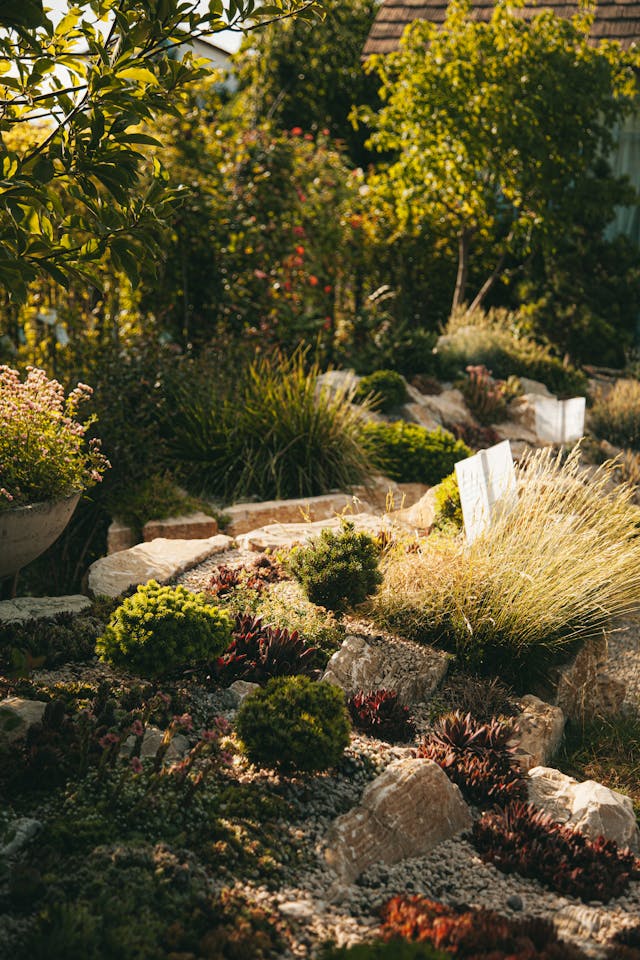
🌍 Creating a Deeper Connection with Plants
Working with unusual landscapes often changes the way people think about gardening. Instead of trying to control every detail, gardeners begin to observe, adapt, and collaborate with nature. Over time, this approach creates not just a garden—but a deeper relationship with the plants and the land itself.
In these landscapes, gardeners naturally learn a few important lessons:
- Observe before planting – Notice sunlight patterns, soil texture, water flow, and which plants already grow naturally in the area. These clues reveal what the land truly supports.
- Respect natural conditions – Rather than forcing the environment to change, work with what already exists. Rocky soil, dry patches, or partial shade can guide better plant choices.
- Accept imperfection – Gardens shaped by nature rarely look perfectly arranged. Uneven growth, natural spreading, and seasonal changes add character and authenticity.
- Celebrate survival over showiness – Watching a plant thrive in difficult conditions often feels more meaningful than growing plants that demand constant care.
These gardens feel more meaningful because they are shaped by cooperation with nature rather than strict control. Over time, the landscape becomes a living reminder that patience, observation, and respect for nature often create the most rewarding gardens 🌿.
🌄 When a Garden Becomes a Moment of Wonder
Sometimes the most memorable moments in a garden are not the grand displays of flowers or perfectly designed beds. Instead, they appear quietly—small changes that reveal how life slowly returns to a place that once seemed empty or difficult. These simple moments often carry the greatest meaning for gardeners.
A moment of wonder in a garden might look like:
- The first flower appearing in soil that once seemed too poor to support life
- Butterflies and pollinators returning to a patch of land that had long been neglected
- A patch of shade forming beneath growing plants where harsh sunlight once dominated
- Fresh green growth emerging in a place where nothing seemed able to grow before
These moments may seem small, but they represent something powerful. They show how patience, care, and the natural resilience of plants can slowly transform even the most challenging landscapes.
For many gardeners, these quiet transformations are the true reason for gardening. It is not only about creating beauty, but also about witnessing renewal, nurturing life, and feeling a deeper connection with the natural world 🌱.
🌟 Final Thoughts
Unusual landscapes are often misunderstood. At first glance, they may look barren, difficult, or unsuitable for plants. Yet in reality, these places are not problems waiting to be corrected—they are untold stories waiting to unfold through nature.
When gardeners pause to understand the land—its soil, sunlight, and natural rhythm—they begin to see possibilities that were not obvious before. A rocky patch can support hardy plants, a dry corner can host resilient greenery, and even neglected ground can slowly return to life when given patience and thoughtful care.
The real transformation happens when we stop trying to force perfection and instead allow the landscape to guide our choices. With the right plants and a willingness to observe and adapt, difficult spaces gradually evolve into living environments full of texture, movement, and quiet beauty.
Over time, these gardens often become the most meaningful ones. They tell a story of resilience—of plants finding their place and of gardeners learning to work alongside nature rather than against it.
🌿 A Thought to Leave You With
“Sometimes the land doesn’t need fixing—it simply needs a gardener patient enough to discover the life already waiting within it.” 🌿✨

