

🌺 Where Every Season Feels Like Spring: Landscape Plants for Timeless Beauty
A garden that looks graceful all year is not the result of luck—or fragile, short-lived plants. It is built on quiet strength. On plants that bend during heatwaves, recover after heavy rains, survive dry months, and still stand green when winter feels slow and dull. Timeless beauty in a landscape comes from resilience, not delicacy.
In India’s unpredictable climate—where scorching summers, uneven monsoons, and mild winters all collide—a lasting garden needs plants that understand stress. Deep-rooted growers, adaptable foliage, and steady growth habits form the backbone of such spaces. This guide is shaped around those dependable performers: low-maintenance, climate-smart landscape plants that keep your garden feeling alive, balanced, and welcoming through every season—so even when spring passes, its feeling never really leaves. 🌿
🌿 What “Timeless Beauty” Really Means in a Hardy Landscape
Timeless beauty in a garden is often misunderstood. It does not mean nonstop flowers or constant bursts of colour. A truly hardy landscape is built on visual calm and plant confidence—the ability of a garden to look composed even when nature becomes harsh.
Such landscapes offer strength before showiness. They provide a green backbone during extreme heat, monsoon stress, or dry spells. When flowers pause, foliage steps in to carry the scene. When plants face stress, they recover instead of collapsing. And most importantly, they age well—needing fewer replacements, less fuss, and far less panic from the gardener.
Hardy gardens don’t chase fragile beauty. They grow into dependable charm—the kind that deepens with time, season after season, without asking for constant attention. 🌱
🌳 Strong Foundations: Hardy Trees for Structure & Shade
Every lasting landscape begins with trees. They are not just background elements—they shape space, create shade, soften heat, and decide how calm or chaotic a garden feels throughout the year. When hardy trees are chosen wisely, the entire garden gains stability, even when weather patterns become unpredictable.
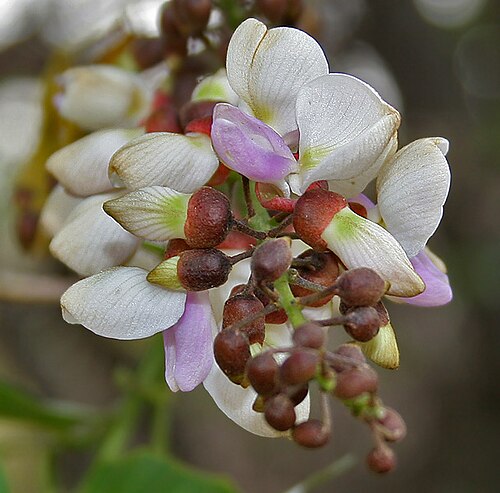
🌲 Reliable Hardy Trees for Indian Landscapes
Drumstick Tree (Moringa oleifera)
Fast-growing and multifunctional, Drumstick supports food, shade, and resilience—perfect for practical yet beautiful gardens.
Neem (Azadirachta indica)
A symbol of endurance. Neem survives drought, poor soil, and intense heat while quietly improving air quality and soil health.
Ashoka Tree (Polyalthia longifolia)
Tall, narrow, and evergreen, Ashoka brings order to landscapes. Its wind-resistant nature makes it ideal for boundaries and avenues.
Karanj Tree (Pongamia pinnata)
A tough survivor with minimal water needs, Karanj offers generous shade and performs well in both urban and rural settings.
Arjun Tree (Terminalia arjuna)
Known for its powerful trunk and textured bark, Arjun tolerates extreme summers and adds maturity to large landscapes.
These trees act as the garden’s backbone. They shield smaller plants from harsh sun, reduce soil moisture loss, and bring a sense of permanence. When trees are strong, the entire landscape feels calm, protected, and thoughtfully rooted—no matter the season.
🌿 Tough Shrubs That Hold the Garden Together
If trees are the backbone of a landscape, shrubs are its steady heartbeat. They fill the visual gaps between tall canopies and ground-level plants, holding the garden together even when seasons turn harsh. In a hardy landscape, shrubs are chosen not for brief bursts of flowers, but for their ability to stay composed—through heat, humidity, pruning mistakes, and dry spells.
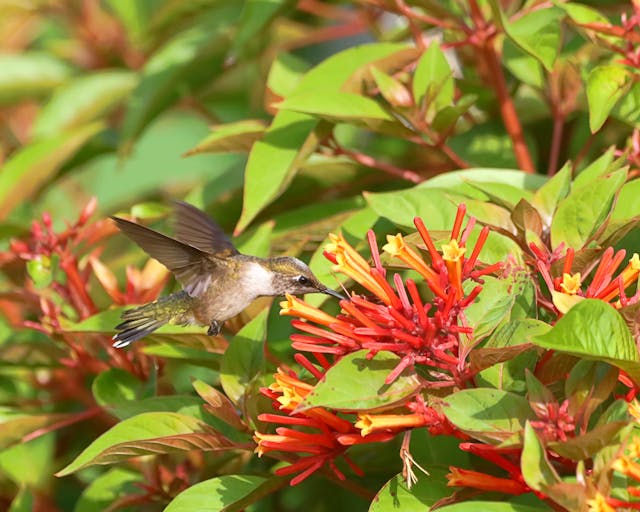
🌱 Hardy Evergreen & Semi-Evergreen Shrubs for Indian Gardens
Hamelia (Firebush)
A true survivor in hot climates, Hamelia thrives where soil quality is low and watering is irregular, offering strong foliage presence even when not in bloom.es.
Karonda (Carissa carandas)
Naturally thorny and drought-tolerant, Karonda makes an excellent living fence. It survives neglect, poor soil, and intense sun while keeping its structure intact.
Duranta (green varieties)
A fast grower that laughs at heat. Even when flowers are trimmed away, its fresh green foliage keeps hedges looking neat and alive.
Kamini (Murraya paniculata)
Compact, resilient, and lightly fragrant, Kamini performs well in both formal hedges and informal garden beds, handling pruning and climate stress with ease.
Clerodendrum inerme
Ideal for coastal and high-humidity regions, this shrub tolerates salt, wind, and poor soil while maintaining dense greenery.
🌸 Flowering Shrubs That Are Beautiful and Tough
Flowers often get a bad reputation for being short-lived and demanding. But in a climate-smart garden, flowering shrubs are chosen for stamina as much as colour. These are plants that bloom generously without collapsing under heat, pruning, or missed watering schedules. They prove that beauty doesn’t have to be delicate.
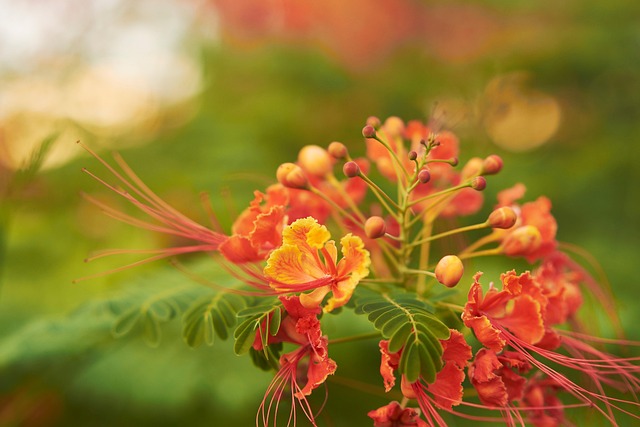
🌺 Hardy Blooming Shrubs That Refuse to Quit
Caesalpinia (Peacock Flower)
A sun-lover that performs where many plants fail. It thrives in poor soil, intense sunlight, and dry conditions while producing vibrant blooms.
Hibiscus
A true garden workhorse. Hibiscus handles aggressive pruning, high humidity, and blazing sun while rewarding you with repeated blooms for months.
Oleander (Kaner)
Built for survival. Oleander thrives in drought, poor soil, roadside dust, and extreme heat—yet still flowers reliably with minimal care.
Bougainvillea
One of the toughest flowering plants available. It prefers neglect over pampering and blooms best when conditions are harsh rather than perfect.
Tecoma (Yellow Bells)
Long flowering seasons, low water needs, and excellent heat tolerance make Tecoma ideal for low-maintenance landscapes that still feel cheerful.
These shrubs don’t ask for constant attention or perfect conditions. They bloom, rest, and bloom again—quietly adapting to the rhythm of the seasons. In a hardy landscape, they bring colour without drama, proving that resilience can be just as beautiful as abundance. 🌼
🌱 Best Growing Conditions for Hardy Landscape Plants
| Factor | Ideal Range for Hardy Plants |
|---|---|
| 🌡️ Temperature | 15°C – 42°C (handles Indian summers and mild winters with ease) |
| ☀️ Sunlight | Full sun to partial shade |
| 🌱 Soil | Well-drained soil; tolerates average garden soil |
| 💧 Water | Low to moderate; prefers slightly dry cycles |
| 🌬️ Airflow | Open, well-ventilated spaces |
Hardy plants don’t demand perfection. This chart reflects why they are so dependable—they adapt, recover, and continue growing even when conditions are not ideal. That forgiveness is what makes them perfect for busy gardens and long-term landscapes. 🌿rdeners.
🍃 Foliage Plants That Withstand Stress
When flowers step back, foliage steps forward. In a hardy landscape, leaves are not fillers—they are the quiet performers that keep the garden looking alive during heatwaves, dry spells, and long non-blooming phases. Stress-tolerant foliage plants bring structure, texture, and calm when colour is resting.
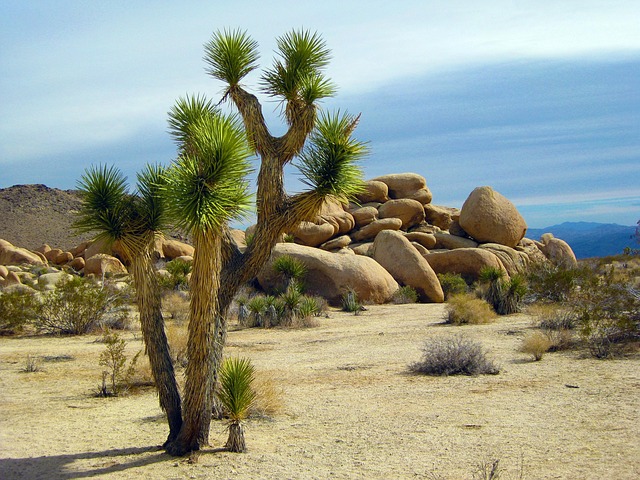
🌿 Stress-Tolerant Foliage Plants for Indian Landscapes
Dracaena (outdoor varieties)
Surprisingly adaptable. These varieties adjust well to both heat and partial shade, making them reliable foliage anchors.ing and almost no pampering.
Snake Plant (Sansevieria)
Almost indestructible. Its upright, architectural leaves stay firm through drought, heat, and missed watering—perfect for borders and dry zones.
Agave
Bold, sculptural, and sun-loving. Agave thrives where soil is poor and water is scarce, turning stress into visual drama.
Yucca
Built for toughness. Yucca tolerates extreme heat, sharp sunlight, and neglect while maintaining a strong, spiky presence.
Aloe Vera
Hardy, useful, and forgiving. Aloe handles dry conditions easily and continues growing even when care is minimal.
These plants demand very little—minimal watering, basic soil, and occasional cleaning. In return, they offer year-round greenery and strong form. When stress hits the garden, foliage plants don’t complain—they quietly hold everything together. 🍃
🌼 Seasonal Flowers That Are Surprisingly Hardy
Seasonal flowers often get labelled as high-maintenance, but that’s only true when the wrong ones are chosen. In a climate-smart landscape, certain seasonal bloomers behave more like survivors than divas. They grow fast, tolerate stress, and continue flowering even when care is minimal.
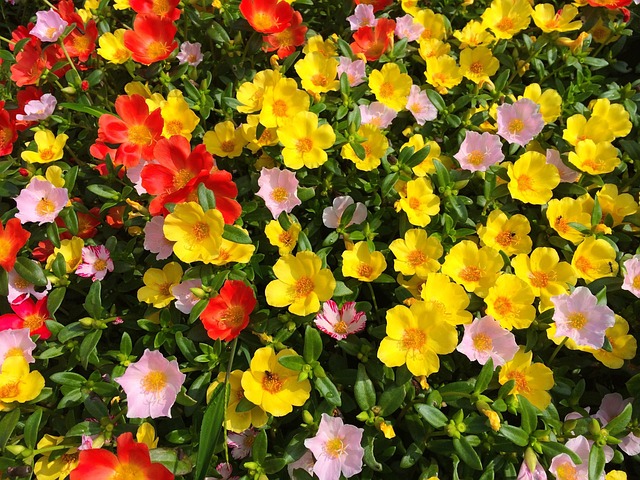
🌸 Tough Seasonal Flower Choices for Indian Gardens
- Portulaca (Purslane)
A true heat-lover. Portulaca thrives in blazing sun, poor soil, and dry conditions—making it ideal for summer beds and edges. - Zinnia
Built for hot weather, Zinnias flower generously with very little input. They resist heat stress and recover quickly after trimming. - Cosmos
Light, airy, and resilient. Cosmos tolerates poor soil and high temperatures while bringing movement and softness to the garden. - Gomphrena
Known for long-lasting blooms that refuse to fade. It performs well in tough conditions and keeps colour steady through summer. - Sunflower
Strong stems, deep roots, and a love for sunlight make Sunflowers one of the most reliable seasonal statement plants. - Use these flowers in controlled pockets rather than large beds. This approach adds bursts of colour without increasing watering, fertilising, or maintenance. In a hardy landscape, seasonal flowers are accents—not responsibilities—and when chosen wisely, they reward you without demanding your time. 🌼
🌾 Groundcovers That Protect Soil & Survive Neglect
Groundcovers are the quiet problem-solvers of a hardy landscape. They seal the soil, slow down moisture loss, block weeds before they appear, and soften empty spaces that would otherwise demand constant attention. When chosen wisely, groundcovers work even when the gardener steps back.
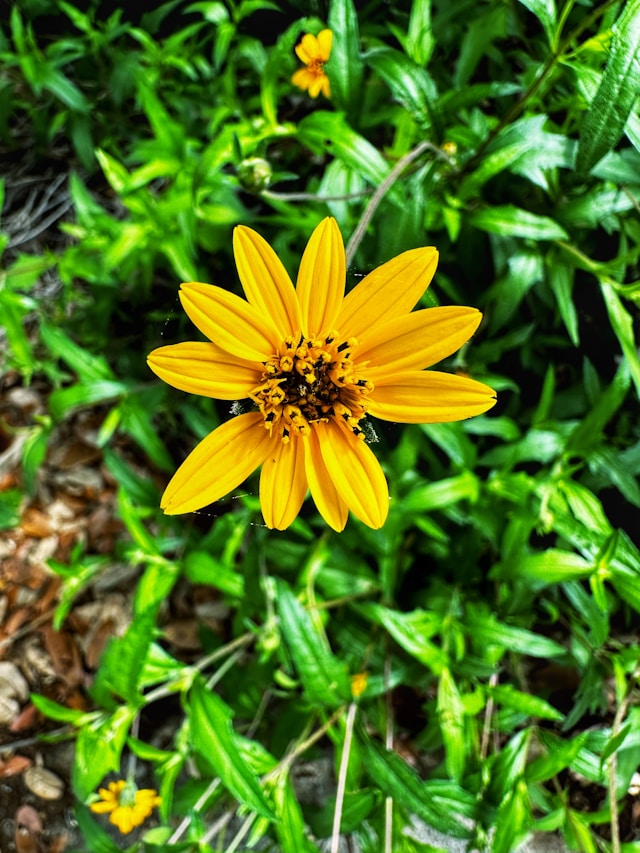
🌱 Durable Groundcover Plants for Low-Effort Gardens
- Vinca (Sadabahar)
Almost indestructible. Vinca stays green through heat, rain, and neglect, spreading steadily without demanding rich soil or frequent watering. - Wedelia
Fast-spreading and forgiving, Wedelia is ideal for slopes, edges, and open patches where other plants struggle to establish. - Ruellia (dwarf varieties)
Built to handle both heat and heavy rain, dwarf Ruellia maintains coverage without collapsing during seasonal extremes. - Portulaca (used as groundcover)
In dry, sunny areas, Portulaca forms a living carpet that thrives where water is limited and soil quality is poor. - Lantana (controlled use only)
Extremely hardy and sun-tough, Lantana works well in open areas when its spread is managed responsibly.
Groundcovers give a garden its finished, intentional look. More importantly, they reduce maintenance at the root level—less watering, fewer weeds, and healthier soil. In a timeless landscape, they quietly do the work most people never notice, but always appreciate. 🌾
🌿 Climbers That Survive Heat, Wind & Irregular Watering
Vertical spaces often fail not because climbers are weak—but because the wrong ones are chosen. In a hardy landscape, climbers are selected for endurance first and decoration second. These plants cling, spread, recover, and keep growing even when watering is uneven or weather turns harsh.
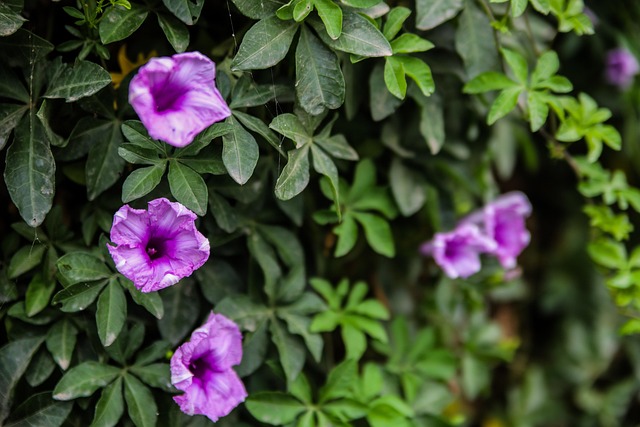
🌼 Hardy Climbers & Creepers for Indian Conditions
- Bougainvillea (climbing forms)
A champion of survival. It loves full sun, tolerates drought, and actually blooms better when slightly neglected rather than pampered. - Rangoon Creeper
Vigorous and reliable, this climber handles heat and wind while offering changing flower colours through the season. - Thunbergia
Fast-growing and adaptable, Thunbergia fills vertical gaps quickly and adjusts well to varying light and moisture levels. - Railway Creeper (Ipomoea cairica)
Tough, evergreen, and relentless. It thrives in poor soil, strong sun, and open, exposed areas where few climbers survive. - Money Plant (outdoor hardy growth)
When allowed to grow outdoors, it proves surprisingly resilient—handling heat, irregular watering, and partial shade with ease.
These climbers turn plain walls, fences, and pergolas into living features without demanding constant care. In a timeless garden, vertical greenery should feel effortless—and these plants ensure that it stays that way. 🌿s.
🛠️ Landscape-Specific Problems & Practical Solutions
| Issue | Root Cause | Hardy, Long-Term Solution |
|---|---|---|
| 🌞 Plants dry out frequently | High heat and sun exposure | Choose drought-tolerant, deep-rooted species |
| 🍂 Garden looks bare in off-season | Overuse of seasonal flowers | Add evergreen shrubs and strong foliage plants |
| 💸 High replacement costs | Fragile, short-lived plant choices | Shift toward hardy, climate-adapted and native plants |
| 💧 Excess watering required | Plants unsuited to local climate | Use low-water, climate-smart selections |
| 🌧️ Soil erosion after rain | Exposed or bare ground | Plant hardy groundcovers to hold soil |
Hardy landscapes are not about doing more work—they’re about doing smarter work once. By solving problems at the plant-selection stage, these gardens quietly save time, water, and money year after year, while staying visually strong in every season. 🌿
🌿 Designing a Garden That Always Feels Stable
A garden feels stable when it looks planned even during difficult seasons. Hardy landscapes achieve this by following a clear, layered structure rather than relying on temporary colour or constant replacements.
A resilient garden usually rests on five quiet principles:
- Strong trees to create shade, shelter, and long-term protection
- Resilient shrubs that maintain form and greenery throughout the year
- Tough foliage plants to provide texture when flowers pause
- Selective seasonal colour used sparingly to refresh the space
- Groundcovers and climbers to close gaps and protect exposed areas
When these layers work together, the garden never feels accidental or empty. Even during heatwaves, off-seasons, or low-maintenance periods, the space looks intentional and balanced. A hardy design doesn’t chase perfection—it builds confidence, allowing the garden to stay calm, complete, and welcoming at all times.
🌱 Low-Effort Habits That Keep Hardy Gardens Thriving
Hardy gardens don’t need constant interference—they need steady, thoughtful habits. When care is simple and consistent, resilient plants respond with stronger roots, healthier growth, and fewer problems over time.
A few gentle practices make a lasting difference:
- Mulch once or twice a year
Mulch protects soil from heat, reduces water loss, and slowly improves soil health without daily effort. - Prune only when necessary
Hardy plants prefer minimal correction. Occasional shaping is enough to maintain form and strength. - Water deeply, but less often
Deep watering encourages roots to grow downward, making plants more drought-resistant and self-reliant. - Improve soil gradually with compost
Slow soil improvement works better than frequent fertilisers. Compost feeds the garden without forcing growth. - Observe before adjusting care
Watch how plants respond to seasons before reacting. Hardy plants often recover on their own if given time.
Hardy plants thrive on consistency, not control. When care is calm and measured, the garden becomes easier to manage—and far more rewarding to live with.
💬 A Message Rooted in Strength & Patience
A garden that feels like spring throughout the year is never built on fragile beauty alone—it is shaped by resilience. Hardy plants quietly remind us that survival can be graceful, and that strength, when nurtured patiently, becomes its own kind of elegance.
When roots are chosen wisely and care is given calmly, the garden stops fearing seasons. Heat, rain, and rest periods no longer feel like threats—they become part of the rhythm. Plant for strength, tend with patience, and your landscape will remain beautiful long after trends come and go. 🌿🌺

