
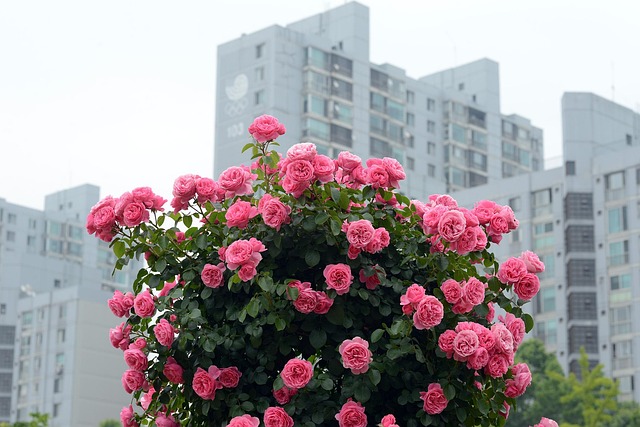
In every great garden park, there are plants that simply decorate the space—and then there are plants that quietly define how the place feels. Roses belong to the second kind. They are not just flowering shrubs chosen for colour or fragrance; they are living storytellers that shape how people slow down, pause, and emotionally connect with public green spaces. A thoughtfully planted rose bed can turn a casual park walk into a moment of calm, memory, or quiet joy.
Across India—whether in heritage gardens, city parks, botanical collections, traffic roundabouts, or neighborhood green belts—roses continue to hold a timeless position. Their value goes far beyond beauty. Roses carry cultural meaning, support pollinators, soften urban stress, and draw people closer to nature in ways few plants can. They create visual landmarks, seasonal excitement, and spaces where people instinctively stop, observe, and breathe.
This is why roses are not just flowers in garden parks.
They are living assets—plants that add emotional depth, ecological balance, and long-term value to public green spaces, year after year..
🌿 More Than Beauty: The Deeper Role of Roses in Parks
Roses are often admired for their elegance, but in public parks their real contribution runs much deeper than appearance. They influence how people behave in a space, how long they remain there, and whether a park feels welcoming or forgettable. Well-placed rose plantings turn open grounds into lived-in landscapes—places where people don’t just pass through, but pause, observe, and emotionally engage with their surroundings.
🌸 Emotional Anchors in Public Spaces
A park with roses naturally changes human rhythm. People walk slower without realizing why. Couples linger instead of moving on. Children reach out to touch petals and ask questions. Elderly visitors choose benches closer to flowering beds and stay longer. The presence of roses introduces softness into urban environments dominated by concrete, noise, and urgency.
Their layered blooms provide visual depth, while their scent works quietly on the mind. Together, these elements create a sense of safety, comfort, and familiarity. Over time, people begin to associate certain corners of a park with specific feelings—peace, nostalgia, or quiet happiness—simply because roses are present there.
🌸 Symbols That Everyone Understands
Roses communicate across age, language, and culture. Red suggests love and devotion, white carries calm and respect, yellow feels warm and friendly, and pink expresses tenderness. In public parks—shared by strangers from countless backgrounds—this universal symbolism becomes powerful.
Even visitors who know nothing about plants instinctively respond to roses. They take photographs, sit nearby, or choose rose-lined paths without conscious thought. In this way, roses act as emotional landmarks, subtly guiding how people experience a park. They don’t demand attention, yet they leave impressions that last long after the visit ends.
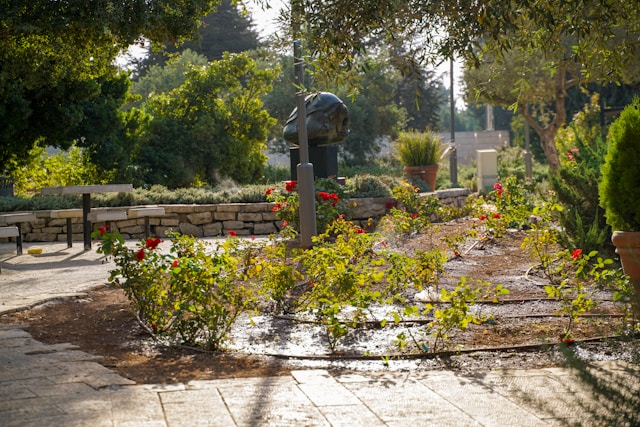
🌿 Designed for Indian Park Conditions
One of the strongest reasons roses continue to hold a central place in Indian garden parks is their remarkable adaptability. Unlike many ornamental plants that struggle once conditions shift, roses—when the right varieties are chosen—adjust, recover, and continue to perform through India’s demanding seasons.
🌱 Climate Resilience
India does not offer gentle conditions for landscape plants, yet roses have learned to endure them. From cooler northern winters to warm coastal air and the dry heat of central regions, modern landscape roses are bred to handle extremes. They tolerate high summer temperatures, bounce back after heavy monsoon rains, and resume flowering when many other ornamentals slow down or disappear entirely.
This resilience makes roses reliable. Parks do not need constant replanting or seasonal replacement beds, which reduces maintenance pressure and keeps landscapes visually active for longer periods of the year. For public spaces, consistency matters—and roses deliver it.
🌱 Space Flexibility
Roses are also generous with space. They adapt to both large open parks and compact urban green pockets, fitting into designs without dominating them.
They work beautifully as:
- Borders and low hedges that guide footpaths
- Focal beds in lawns and open plazas
- Climbers trained over pergolas, arches, and entry gates
- Bush roses arranged in circular, geometric, or formal layouts
This structural versatility allows landscape designers to create layers, movement, and visual rhythm using a single plant type. Roses can highlight architecture, soften hard edges, or anchor open lawns—making them flexible tools rather than fixed design elements.
In Indian parks, where space, climate, and maintenance budgets must all align, this adaptability is exactly why roses continue to thrive.
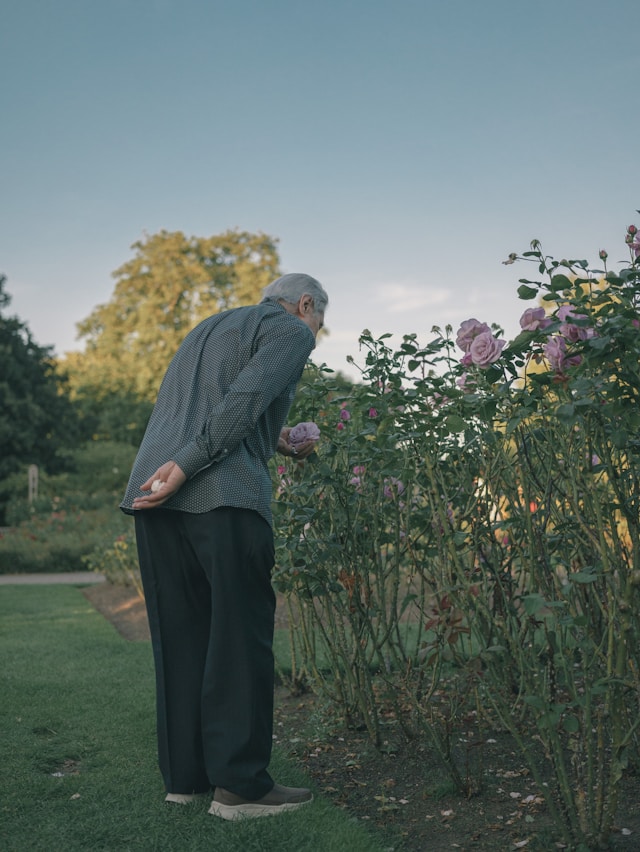
🐝 Quiet Supporters of Urban Ecology
Roses are usually planted for people—but over time, they begin working for nature as well. In urban parks where green space is fragmented and natural systems are under pressure, roses play a subtle yet meaningful ecological role that often goes unnoticed.
🌼 Pollinator Support
Not all roses are just decorative. Single and semi-double varieties, in particular, offer open blooms that make pollen and nectar easily accessible. Bees, butterflies, hoverflies, and other beneficial insects regularly visit these flowers—especially in cities where native forage plants are scarce or seasonal.
During early mornings and mild afternoons, rose beds become quiet feeding stations. This consistent food source helps sustain pollinators between flowering cycles of other plants, strengthening the overall ecological rhythm of the park rather than creating isolated green patches.
🌼 Micro-Habitat Creation
Mature rose shrubs form dense, layered growth that provides shelter. Small birds rest within thorny branches, insects hide from predators, and beneficial species find safer micro-zones to survive extreme heat or sudden rain. These protected pockets matter more than they appear, especially in manicured parks where wild cover is limited.
As petals fall and leaves decompose, they enrich the soil with organic matter. This slow, natural process improves moisture retention and microbial activity around rose beds, quietly supporting healthier soil life without artificial intervention.
In well-managed parks, roses don’t compete with ecology—they support it.
They contribute to biodiversity gently, steadily, and without asking for attention—exactly the kind of balance urban green spaces need.
🏛️ Roses as Cultural and Heritage Markers
Roses hold a quiet but powerful place in India’s cultural landscape. Long before modern landscaping, they were woven into spaces meant for reflection, ceremony, and beauty. From Mughal gardens and colonial-era parks to temple courtyards and present-day urban green spaces, roses have remained constant—bridging generations through shared visual and emotional memory.
In heritage parks, roses help preserve traditional garden layouts. Formal beds, symmetrical paths, and central axes feel incomplete without them. Their presence maintains historical accuracy while keeping these spaces alive and relevant for modern visitors. Roses act as living links to the design philosophies of earlier eras.
Memorial gardens often rely on roses for a different reason. Their restrained elegance carries solemnity without heaviness. A rose does not shout grief—it allows remembrance to feel gentle, respectful, and dignified. This is why roses continue to appear in spaces dedicated to reflection, tribute, and collective memory.
During festival seasons, roses take on another role entirely. They become symbols of devotion, celebration, and offering—woven into garlands, scattered during ceremonies, and used to mark sacred moments. When roses bloom in parks during these times, they mirror cultural rhythms beyond the garden gates.
Over time, a well-maintained rose garden becomes more than a section of a park—it becomes its identity. Visitors remember that park for its roses. Photographs, memories, and personal moments anchor themselves to those blooms long after people leave, proving that roses don’t just decorate heritage—they help preserve it.
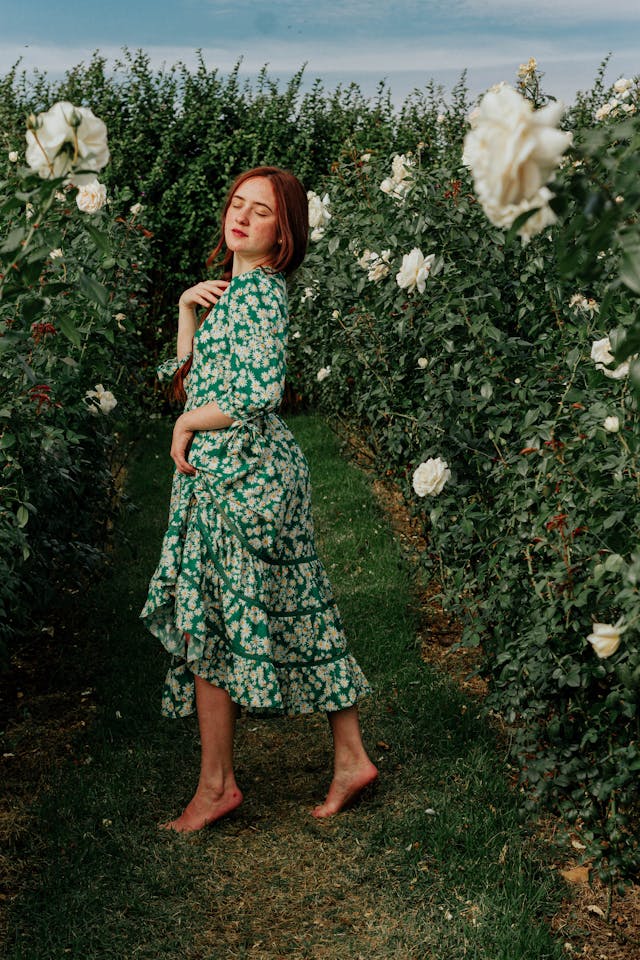
🧠 Psychological Benefits for Park Visitors
The influence of roses on mental well-being is rarely loud or immediate—but it is deeply felt. In parks, their presence works slowly, shaping mood, memory, and emotional comfort without demanding attention or explanation.
🌹 Stress Reduction
People naturally spend more time in flower-rich areas, and roses play a strong role in this behaviour. Their layered colours—soft pastels, deep reds, gentle whites—reduce visual strain in environments dominated by grey structures and hard lines. Fragrance adds another calming layer, subtly grounding the senses.
Visitors walking through rose-lined paths often slow their pace, breathe deeper, and remain seated longer. Even short exposure helps ease mental overload, offering relief from daily noise, screens, and pressure. Without being therapeutic by design, roses quietly become emotional buffers within urban parks.
🌹 Memory & Belonging
Roses also anchor memory. Many people connect them to personal moments—first park visits as children, family picnics, photographs, celebrations, even proposals. When these moments repeat in the same rose-filled spaces, the park transforms from a public area into something personal.
Over time, such parks develop a sense of belonging. People return not just for greenery, but for the feelings stored there. Roses turn ordinary lawns into emotional landmarks—spaces that feel familiar, safe, and meaningful across years and generations.
Here’s a clean, park-specific, value-enhanced version of your problem–solution chart section, written in a practical, authority-building tone that works well for planners, gardeners, and general readers alike. I’ve kept it focused on public park realities, not home gardens.
🛠️ Problem–Solution Chart: Growing Roses Successfully in Garden Parks
In public landscapes, roses succeed or fail based on management choices—not effort alone. When common issues are understood early, roses remain long-term assets instead of maintenance-heavy liabilities.
| Park-Level Challenge | Why It Happens | Practical Rose-Friendly Solution |
|---|---|---|
| Fewer blooms over time | Incorrect pruning cycles or prolonged shade from trees and structures | Follow seasonal pruning schedules and ensure roses receive at least 5–6 hours of direct sunlight daily |
| Disease outbreaks | High humidity, crowded beds, and restricted air circulation | Maintain proper spacing, improve airflow, and select disease-resistant landscape varieties |
| Water stress in summer | Frequent shallow irrigation that doesn’t reach root zones | Shift to deep, less frequent watering to encourage stronger root systems |
| Soil exhaustion | Continuous flowering drains nutrients in the same beds year after year | Apply annual compost, organic manure, and soil rejuvenation before peak growth seasons |
| Maintenance pressure | Large park areas with limited staff and resources | Use hardy, low-maintenance landscape roses bred for public spaces |
When these challenges are addressed thoughtfully, roses reward parks with consistent blooms, healthier plants, and reduced long-term upkeep. This targeted approach ensures roses remain defining features of garden parks—not recurring problems..
🌼 Economic & Social Value in Urban Planning
Beyond beauty and ecology, roses also make strong economic and social sense in urban park planning. When integrated thoughtfully, they influence how parks are used, respected, and valued by the communities around them.
Rose-filled parks naturally attract more visitors. People return more often, stay longer, and bring others with them. Increased footfall improves the relevance of public green spaces, turning underused parks into active community zones rather than neglected corners of the city.
The impact extends beyond park boundaries. Well-maintained rose gardens raise the perceived quality of nearby neighborhoods, often enhancing property value and desirability. Green views, seasonal blooms, and recognizable floral landmarks make surrounding areas feel more cared for and livable.
There is also a noticeable social effect. Beautiful spaces invite respect. Parks that feature healthy, flowering rose beds experience less vandalism and misuse because people instinctively protect places they feel proud of. Roses create emotional ownership, even among casual visitors.
From a livelihood perspective, roses support local employment chains—nursery growers, soil suppliers, gardeners, pruners, and seasonal maintenance teams. Over time, these roles strengthen green-sector skills within cities.
When managed well, rose gardens often become photography hubs, meeting points, and symbols of local identity. They shift parks from being maintained spaces to becoming shared sources of pride, reinforcing why roses remain invaluable assets in urban planning.
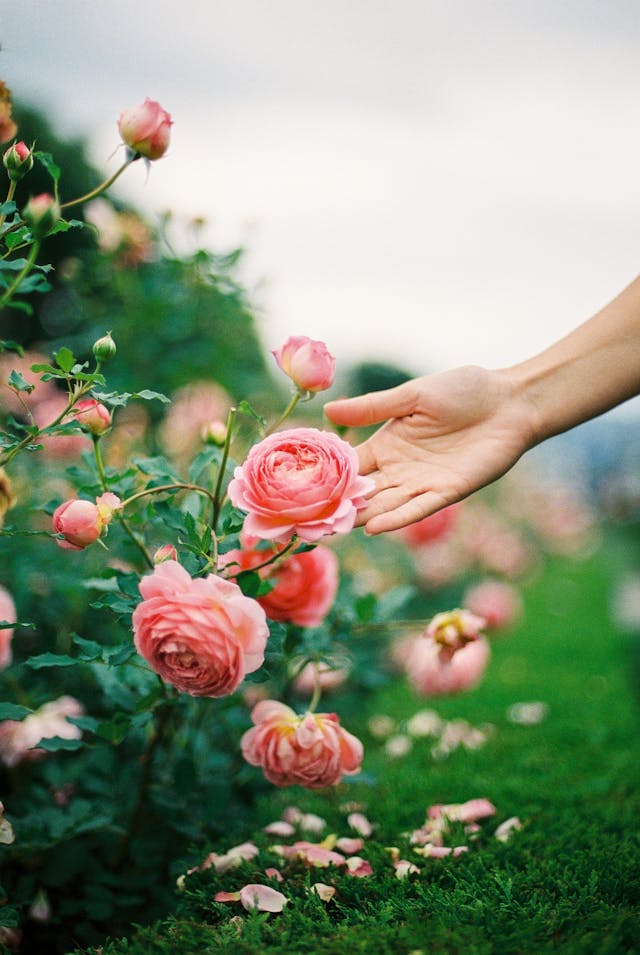
🌹 Rose Selection Table for Garden Parks
Choosing the right rose for a public park is less about rare beauty and more about reliability, scale, and context. The varieties below are proven performers in open landscapes, offering a balance of visual impact, resilience, and manageable upkeep—especially important in Indian park conditions.
| Plant Name | Rose Type | Flower Color | Sun Requirement | Maintenance Level | Best Use in Parks |
|---|---|---|---|---|---|
| Iceberg Rose | Floribunda | White | Full Sun | Low | Borders, mass planting |
| Queen Elizabeth | Grandiflora | Soft Pink | Full Sun | Medium | Central beds, focal areas |
| Knock Out Rose | Landscape Rose | Red | Full Sun | Very Low | Large public areas |
| Double Delight | Hybrid Tea | Cream & Red | Full Sun | Medium | Display beds |
| Mister Lincoln | Hybrid Tea | Deep Red | Full Sun | Medium | Memorial gardens |
| Sunsprite (Friesia) | Floribunda | Bright Yellow | Full Sun | Medium | Color blocks |
| Carefree Beauty | Shrub Rose | Pink | Full Sun | Low | Low-maintenance zones |
| Cecil Brunner | Climbing Rose | Blush Pink | Full Sun | Medium | Pergolas, arches |
| Iceberg Climber | Climbing Rose | White | Full Sun | Medium | Fences, walls |
| Bonica ’82 | Shrub Rose | Soft Pink | Full Sun | Low | Mass landscaping |
| Peace Rose | Hybrid Tea | Yellow & Pink | Full Sun | Medium | Heritage sections |
| Belinda’s Dream | Shrub Rose | Pink | Full Sun | Low | Community parks |
| Graham Thomas | English Rose | Golden Yellow | Full Sun | Medium | Formal gardens |
| Florentina | Climber | Red | Full Sun | Medium | Vertical landscaping |
| Red Meidiland | Groundcover Rose | Red | Full Sun | Very Low | Slopes, edges |
| Pink Meidiland | Groundcover Rose | Pink | Full Sun | Very Low | Pathway borders |
| Pierre de Ronsard | Climber | Cream & Pink | Full Sun | Medium | Feature arches |
| Icecap | Floribunda | White | Full Sun | Low | Continuous bloom beds |
| Rugosa Rose | Shrub Rose | Pink / White | Full Sun | Very Low | Coastal & windy parks |
| Lavender Ice | Floribunda | Lavender | Full Sun | Medium | Color-themed sections |
| Golden Showers | Climber | Yellow | Full Sun | Medium | Entry points |
| Angel Face | Floribunda | Lavender | Full Sun | Medium | Fragrance gardens |
| Mutabilis | China Rose | Multi-color | Full Sun | Low | Natural-style parks |
| Don Juan | Climber | Deep Red | Full Sun | Medium | Romantic walkways |
| Ballerina | Shrub Rose | Pink with White Eye | Full Sun | Low | Informal park areas |
How to Use This Table Effectively
- Large parks should prioritize very low and low-maintenance roses for scale and sustainability
- Heritage or memorial spaces benefit from classic hybrid teas and restrained colour palettes
- Modern urban parks gain flexibility by mixing shrub, landscape, and groundcover roses
- Vertical elements like arches and pergolas are best reserved for climbers with controlled growth
Used thoughtfully, this selection ensures roses remain visual anchors, not maintenance burdens, across diverse public landscapes.
🌿 Sustainable Roses: The Future of Park Landscaping
Modern park landscaping is no longer about show alone—it is about responsibility. As cities grow denser and resources become tighter, roses are being re-evaluated not as fragile ornamentals, but as plants capable of aligning with sustainable design principles.
Today’s park planners increasingly favor disease-resistant rose varieties that reduce dependency on sprays and constant intervention. These roses are bred to withstand common fungal issues and pest pressure, allowing parks to maintain healthy displays with fewer chemical inputs.
There is also a clear shift toward low-input, high-performance roses—plants that bloom reliably without demanding excessive pruning, feeding, or irrigation. When paired with organic soil enrichment like compost and well-aged manure, roses develop stronger root systems and long-term resilience rather than short-lived seasonal beauty.
Minimal chemical use is no longer just an environmental choice—it is a public health consideration. Parks are shared spaces for children, elders, pets, and pollinators. Roses that thrive with reduced chemical support help keep these environments safer and ecologically balanced.
This evolution ensures that roses remain central to park landscapes without becoming ecological burdens. They are adapting alongside cities—stronger, smarter, and more climate-aware than ever—proving that beauty and sustainability do not have to exist in conflict.
💬 A Message Carried by Petals
Roses remind us of something essential about public spaces: beauty does not need to be fragile to be meaningful. In parks, roses stand exposed to heat, rain, dust, and footsteps—yet they continue to bloom when given balance, patience, and thoughtful care. Their strength lies not in perfection, but in consistency.
When treated with respect rather than excess, roses give back generously. Season after season, they soften hard landscapes, hold memories, and create moments of calm for strangers who may never meet again. They ask for little, yet offer experiences that linger long after the visit ends.
“A rose in a park is not planted for one person—it blooms so everyone can feel something.” 🌹
In this quiet way, roses become more than plants. They become shared experiences—rooted in soil, carried in memory, and renewed with every bloom.

