
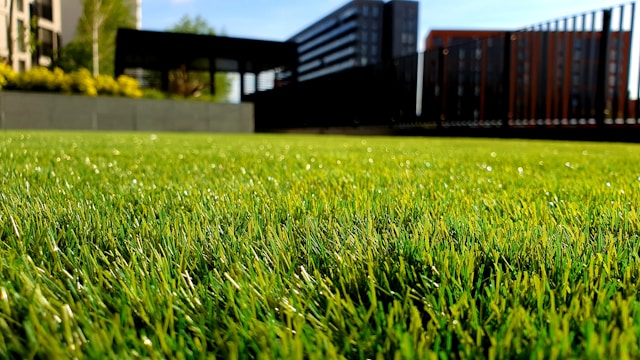
There’s a quiet happiness in stepping onto a healthy lawn barefoot. The grass is cool from the night air, tiny drops of dew cling to your toes, and every step feels softer than the last. In those moments, a garden stops being just a space outside your home—it becomes a place where the body relaxes and the mind slows down. A good lawn isn’t about perfect stripes or show-garden standards. It’s about balance, gentle care, and showing up regularly, even in small ways.
For many Indian homes, maintaining a lawn can feel frustrating. Scorching summers dry the soil hard, monsoon rains flood roots, and compacted ground makes grass struggle to breathe. Add busy routines and irregular care, and lawns often lose their softness long before they lose their colour. But the truth is, a comfortable lawn doesn’t demand expensive machines or chemical fixes. With the right tools, seasonal timing, and a few natural habits, even a modest lawn can stay cool underfoot and safe for everyday use.
This guide is not about creating a lawn that only looks good from a distance. It’s about building one you’ll actually use—where children sit, elders walk barefoot, and mornings feel calmer. Step by step, we’ll focus on practical choices that make lawn care simpler, more forgiving, and far more rewarding.

🌱What Truly Makes a Lawn Barefoot-Friendly?
A lawn that feels good under bare feet isn’t created by accident—and it’s not about keeping the grass unnaturally short or overly neat. It’s built from the ground up, quite literally. Three quiet qualities decide whether a lawn welcomes bare feet or pushes them away.
Softness comes first. A barefoot-friendly lawn has grass that grows thick and flexible, not stiff or wiry. When the blades bend instead of scratching, your feet relax instinctively. This softness isn’t forced by frequent cutting—it comes from healthy growth and proper spacing.
The second secret lies below the surface. Healthy lawns rest on living soil. When soil is loose, aerated, and full of life, grass roots spread deeper and hold moisture better. That’s why some lawns stay cool even in summer heat—they’re breathing from underneath.
And finally, safety matters more than appearance. A lawn meant for barefoot use must be free from chemical residues. Skin, especially children’s skin, absorbs more than we realize. Grass treated gently—with natural care instead of harsh sprays—feels safer, smells cleaner, and ages better over time.
Barefoot lawns don’t chase artificial perfection. They aren’t shaved down or pushed into submission. They grow strong because the soil is respected, not controlled. When the ground is alive, the grass above it learns to be gentle.
🛠️ Essential Lawn Care Tools (Only What You Really Need)
A healthy lawn doesn’t come from loud machines or professional kits. It comes from a few simple tools, used at the right time and with a bit of understanding. When tools are chosen wisely, lawn care feels less like work and more like routine care—almost meditative.
Lawn Mower — Cut with Care, Not Force
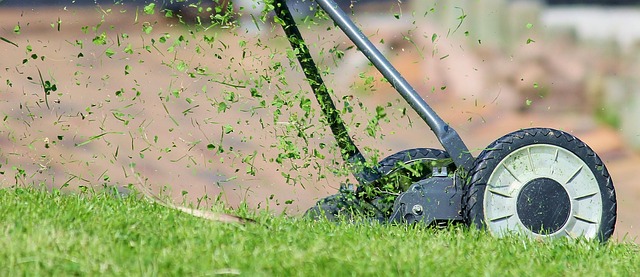
A mower shapes how your grass grows. What matters most isn’t size or power—it’s sharpness. Clean cuts help grass heal faster, stay greener, and resist disease.
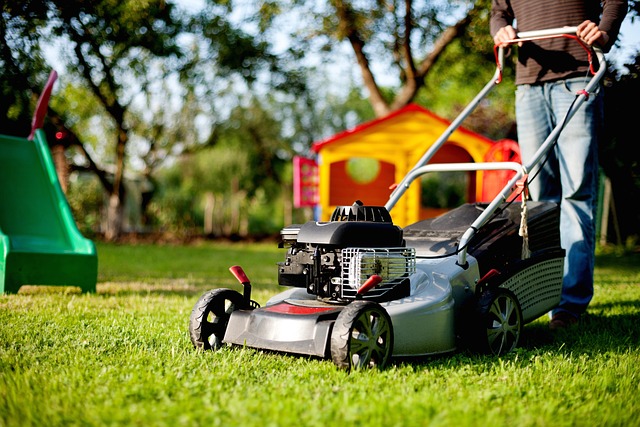
For small lawns, a manual reel mower is gentle and surprisingly effective. Medium lawns benefit from electric mowers that offer consistency without noise or fumes. Avoid dull blades at all costs—torn grass tips dry out quickly and invite fungal problems.
Hand Rake — Let the Lawn Breathe
Raking is less about cleanliness and more about circulation. Dry grass, fallen leaves, and surface debris form a thin suffocating layer if ignored. Regular light raking opens the surface, improves airflow, and allows sunlight and water to reach where they matter most—the roots. Think of it as helping your lawn exhale.
Watering Equipment — Gentle Wins Every Time
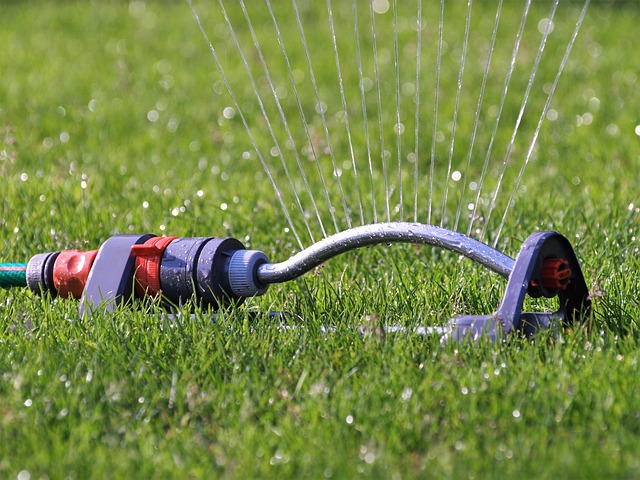
You don’t need complex irrigation systems. A simple hose with a spray nozzle or a basic sprinkler works perfectly when used calmly. Slow, gentle watering allows moisture to sink deeper instead of running off or compacting the soil. The goal isn’t to flood—it’s to soak patiently.
Hand Weeder — Small Effort, Long-Term Peace
Weeds are easiest to manage when caught early. Pulling them by hand may feel slow, but it’s the cleanest and safest method. Removing weeds from the root prevents repeat growth and keeps your lawn free from chemical exposure—especially important for barefoot use, pets, and children.
Soil Aerator (Optional, But Powerful)
If your lawn feels hard or uncomfortable to walk on, compacted soil is often the reason. Aeration gently loosens the ground, allowing roots to breathe and water to travel deeper. Even occasional aeration can bring back softness underfoot and improve grass resilience over time.
A lawn doesn’t ask for more tools—it asks for better timing and gentler habits. With just these basics, used consistently, grass learns to grow strong without being forced.
🌤️ Understanding Lawn Needs in the Indian Climate
Indian lawns don’t fail because the grass is wrong or the soil is poor. Most of the time, they struggle because care happens at the wrong moment. Heat, rain, and humidity are not enemies—but timing mistakes can turn them into problems.
A lawn stays comfortable underfoot when a few natural conditions remain in balance:
| Factor | What Actually Works Best |
|---|---|
| Temperature | 18°C–35°C — grass slows below this and stresses above it |
| Sunlight | 4–6 hours daily — enough to grow, not enough to scorch |
| Soil Type | Loamy, loose, and free-draining |
| Watering Style | Deep watering with proper gaps in between |
| Airflow | Open space that lets grass dry and breathe |
In peak summer, lawns suffer not from heat—but from shallow daily watering that trains roots to stay weak. During monsoons, grass declines not because of rain—but because compacted soil traps water and suffocates roots. Even winter damage often comes from mowing or watering when grass is resting, not growing.
A lawn is seasonal by nature. When care matches the season—watering less in humidity, cutting higher in heat, easing off during cooler months—the grass responds quietly but clearly. Timing, more than effort, decides whether your lawn feels harsh or welcoming.
A well-adjusted lawn doesn’t fight the Indian climate. It learns to move with it.
💧 Watering the Lawn Correctly (Less Often, But Better)
Watering is where most lawns are unintentionally weakened. It feels logical to water more when grass looks tired—but grass doesn’t need more water. It needs better-timed water.
Early morning is the sweet spot, ideally between 5–8 AM. At this hour, the soil absorbs moisture calmly, roots drink deeply, and leaves dry quickly once the sun rises. This single habit alone prevents many lawn problems before they begin.
Deep watering is far more important than frequent watering. When moisture reaches deeper layers of soil, roots follow it downward. Over time, this creates grass that holds better in heat, recovers faster after stress, and feels noticeably softer under bare feet.
As seasons cool, watering should slow down. Grass growth naturally pauses during winter and milder months, and excess moisture during this time does more harm than good.
Why Deep Watering Changes Everything
Deep watering trains roots to grow where temperatures are stable and moisture lasts longer. Shallow watering keeps roots weak and surface-level, making grass dry faster, yellow sooner, and feel rough underfoot. Strong roots are the real reason a lawn stays comfortable in harsh weather.
Common Watering Mistakes That Quietly Damage Lawns
Some habits feel harmless but slowly undo lawn health:
- Daily light watering that never reaches roots
- Evening watering, which traps moisture and invites fungal disease
- Overwatering clay-heavy soil, leading to suffocation and rot
A simple test tells you everything—touch the lawn around midday. A healthy lawn feels slightly cool, not soggy and not dusty dry. That coolness means roots are hydrated and the soil below is working exactly as it should.
Water less often. Water with intention. The lawn will respond. feel slightly cool when touched during midday—not soggy or dry.
✂️ Mowing for Comfort, Not Just Appearance
Mowing doesn’t just shape how a lawn looks—it decides how it feels beneath your feet. Grass that’s cut thoughtfully stays cool, flexible, and forgiving. Grass that’s cut aggressively may look neat for a few days, but it slowly loses its softness and strength.
The first rule is restraint. Never remove more than one-third of the grass height in a single cut. Cutting deeper shocks the plant, weakens the roots, and forces the lawn to recover instead of grow. Slightly taller grass shades the soil below, holding moisture longer and keeping the surface noticeably cooler in hot weather.
Changing mowing direction every few weeks matters more than most people realize. Repeatedly cutting in the same pattern trains grass to lean one way, compacting soil and creating thin patches. A simple change in direction encourages upright growth and a more even, cushioned surface.
Ideal Mowing Rhythm for Indian Lawns
Grass growth changes with seasons, and mowing should follow that rhythm—not a fixed schedule:
- Summer: Every 7–10 days, allowing height to protect roots
- Monsoon: Weekly, to prevent excessive softness and fungal risk
- Winter: Every 2–3 weeks, or less when growth slows
Short grass may look tidy at first glance, but it heats up faster, dries out sooner, and hardens underfoot. A lawn meant to be walked on should never be shaved down. Comfort comes from balance, not precision.
Cut less. Let the grass work for you.
🌾 Soil Health: The Quiet Foundation of Soft Grass
Every soft lawn has one thing in common—it’s standing on living soil. When grass struggles despite watering and mowing, the problem is rarely above ground. Compacted, tired soil leaves roots cramped, thirsty, and weak, no matter how green the surface looks.
Soil doesn’t need to be forced into health. It responds best to gentle, regular nourishment.
Adding vermicompost or well-aged compost twice a year feeds the soil rather than the grass alone. These natural materials improve texture, help retain moisture, and wake up beneficial life below the surface. Over time, lawns grown this way feel springier and cooler underfoot.
If the lawn feels hard when you walk on it, aeration helps. Even a simple annual aeration opens tiny pathways for air and water to move downward, giving roots space to breathe again. This one step often brings visible improvement within weeks.
Earthworms are silent allies. Their movement loosens soil naturally, improves drainage, and distributes nutrients evenly. Lawns rich in organic matter invite them without effort.
Chemical fertilizers may promise quick greening, but they often scorch roots and disturb the microorganisms that keep soil alive. A lawn built on natural soil health grows slower—but stays soft longer.
When the soil is cared for, the grass stops struggling. It starts cooperating.
🌿 Feeding the Lawn Gently (Nourish, Don’t Force)
Lawns don’t respond well to heavy feeding. Fast growth may look impressive for a short time, but it leaves grass weak, thirsty, and dependent. What lawns truly need is slow, steady nourishment that supports roots, soil life, and natural balance.
Organic feeding works because it feeds the system, not just the surface.
Vermicompost adds mild nutrition while improving soil structure and moisture retention. Well-decomposed farmyard manure strengthens root growth and encourages beneficial microorganisms. Compost tea, easily made at home, offers gentle, fast-absorbing nutrients without stressing the grass.
Timing matters as much as the material. Feeding during early summer prepares grass for heat stress, while a second light feeding after the monsoon helps it recover and strengthen before cooler months. Avoid feeding during extreme heat or cold, when grass is resting rather than growing.
A well-fed lawn doesn’t grow wildly. It grows evenly—staying softer, greener, and more forgiving under bare feet.
Feed gently. Let the lawn decide the pace.
🌧️ Seasonal Lawn Care Made Easy (Work With the Season)
A lawn doesn’t need the same care all year. It changes its pace with the seasons, and when we adjust our habits accordingly, problems rarely get a chance to start. Most long-term lawn damage happens when summer, monsoon, or winter care gets mixed up.
Summer Care — Protect, Don’t Push
During peak heat, grass needs shade more than speed. Letting the grass grow slightly taller shields the soil below and keeps roots cooler. Water deeply, but give the lawn time to dry between sessions—this trains roots to stay strong. Avoid walking on grass that looks dry or dull; stressed blades break easily and recover slowly.
Monsoon Care — Keep the Ground Breathing
Rain is generous, but trapped water is dangerous. Good drainage becomes essential during this season. Remove weeds early while the soil is soft, before they establish deep roots. Most importantly, avoid stepping on soggy lawns—compacted wet soil suffocates roots and hardens once it dries.
Winter Care — Rest and Repair
Winter is a quiet phase for lawns. Watering should be reduced, and mowing kept minimal. A light top-dressing of compost during this time slowly improves soil structure and prepares the lawn for healthy growth when warmth returns.
Seasonal care prevents long-term stress from building silently. When the lawn is allowed to rest, protect, and recover at the right moments, it stays soft—not just for one season, but year after year.-term damage and reduces repair work later.
🐜 Natural Pest and Weed Control (Strength Over Sprays)
Pests are rarely the real problem. Weak grass is. When a lawn is healthy, dense, and well-rooted, insects and weeds struggle to settle in. Most infestations are signs of stress, not failure.
Natural control works because it supports balance rather than fighting nature.
A light neem oil spray helps manage common insects without disturbing beneficial life in the soil. It acts gently, discouraging pests instead of wiping out everything in its path. Manual weed removal, especially when done early, prevents weeds from spreading without introducing chemicals into the ground.
Maintaining dense grass growth is the strongest defence of all. Thick turf shades the soil, leaving little space for weeds to germinate and making it harder for pests to establish themselves.
Chemical pesticides may offer quick results, but they come at a cost. They damage soil organisms, weaken long-term lawn health, and leave residues that make barefoot walking unsafe—especially for children and pets.
A resilient lawn doesn’t need protection from nature. It needs support to stand strong within it.
🧩 Lawn Problems & Simple Solutions (Read the Signs, Don’t Panic)
A lawn usually tells you what it needs—just not in words. Hard ground, brown patches, or itchy grass aren’t failures; they’re signals. When you learn to read them, fixing problems becomes simple and surprisingly quick.
| What You Notice | What’s Really Happening | What Gently Fixes It |
|---|---|---|
| Hard, uncomfortable surface | Soil has become compacted | Light aeration followed by compost feeding |
| Brown or scorched patches | Overwatering or dull mower blades | Adjust watering schedule and sharpen blades |
| Grass feels itchy or scratchy | Thatch blocking air and moisture | Regular light raking |
| Weeds spreading fast | Grass is thin and stressed | Improve nutrition and overall density |
| White or dark fungal growth | Water sitting overnight | Switch to morning-only watering |
Most lawn problems don’t appear overnight—and they don’t need aggressive solutions either. Small corrections, done at the right time, restore balance faster than drastic treatments ever will.
A healthy lawn isn’t problem-free. It’s well-understood.
🌼 Designing a Lawn Meant to Be Used (Not Just Admired)
A truly good lawn doesn’t ask you to stay away. It invites you in. It’s meant for walking slowly, sitting down without thinking, and letting children move freely without warnings.
Simple design choices make a big difference. Stepping stones guide movement without compacting grass. Basic seating, even a single bench or mat, turns the lawn into a pause-point rather than a passageway. Open play areas keep the grass flexible and train it to recover naturally from use.
What you leave out matters just as much. Thorny borders discourage barefoot movement. Sharp edging makes the space feel restricted. Chemical-treated zones turn a living surface into something you’re cautious around instead of comfortable on.
A lawn designed for use grows stronger with time. Footsteps don’t ruin it—they teach it resilience. When grass is allowed to be lived on, it stops feeling fragile and starts feeling like part of the home.
A lawn should never feel like something you might damage.
It should feel like somewhere you belong.
🧘 Emotional & Environmental Benefits of Lawn Care
Caring for a lawn does more than improve how a space looks—it changes how a home feels. Simple routines like watering in the early morning or walking barefoot after a long day quietly reduce stress. There’s something grounding about touching the earth regularly; it slows the mind in ways screens never can.
A healthy lawn also cools the space around it. Grass releases moisture into the air, softening harsh heat and making nearby rooms feel more comfortable. Beneath the surface, living soil improves with time, holding nutrients, supporting microorganisms, and becoming more resilient with every season.
Perhaps the most meaningful benefit is how a lawn pulls people outside. When grass is soft and safe, families spend more time together—sitting, walking, talking, and resting without planning it. These moments don’t feel special while they’re happening, but they quietly shape daily life.
A lawn becomes part of the home when it’s comfortable to walk on.
Not perfect. Not fragile. Just alive—and welcoming.
🌱 Easy Habits That Keep Your Lawn Healthy (Small Acts, Lasting Results)
A good lawn isn’t built through constant work. It grows from attention. Taking a few minutes each week to simply observe—how the grass feels, where it dries faster, where water lingers—often prevents bigger problems before they form.
Fixing small issues early keeps the lawn relaxed. A thin patch, a hard spot, or a new weed is easier to handle when noticed in time. Over-maintaining, on the other hand, does more harm than neglect. Too much cutting, feeding, or watering unsettles the balance grass depends on.
Nature is not something to control—it’s something to assist. Earthworms, seasonal changes, and slow soil improvement all work quietly when given space. Your role is not to push the lawn forward, but to support it as it grows.
In the end, consistency matters more than effort.
Gentle care, repeated over time, creates a lawn that stays soft, calm, and ready to be lived on.
💚 A Message Written in Green
“A lawn doesn’t need perfection to feel good under your feet—it needs patience, living soil, and the quiet care of someone who walks gently upon it.” 🌿
A barefoot-friendly lawn is not built in a weekend. It grows with time, care, and understanding. When you respect the rhythm of the grass and soil, your lawn rewards you with comfort, beauty, and a peaceful place to stand—barefoot and grounded.

