If your garden needs a plant that doesn’t take breaks from blooming, welcomes butterflies like old friends, and stays calm through Indian heat, rain, and mild winters—salvia quietly steals the show 🌿. It’s the kind of plant that keeps giving without demanding attention. Whether planted in ground beds, terrace pots, balcony containers, or landscape borders, salvias reward even simple care with steady color, upright flower spikes, and a lively garden atmosphere that feels constantly in motion.
This article dives into what makes salvias such tireless bloomers, why they perform so well across Indian conditions, and how you can encourage them to flower again and again without complicated routines. From sunlight habits to pruning secrets that trigger fresh blooms, you’ll learn how to keep salvias flowering for months—and in many gardens, almost all year long. 🌞🌼
🌺 What Truly Makes Salvias So Special?
Salvias come from the sage family, but in the garden, they behave more like tireless performers. Their biggest strength isn’t just color—it’s consistency. While many flowering plants give one dramatic show and then retreat, salvias work in cycles. Bloom, rest briefly, and bloom again. With even basic care, this rhythm continues for months, making them feel almost permanent in the garden rather than seasonal guests.
What sets salvias apart is how forgiving they are. Miss a watering? They recover. Experience a heatwave? They stand tall. Light pruning? They respond with fresh spikes almost immediately. This resilience is why salvias feel less like delicate ornamentals and more like dependable companions in Indian gardens, where weather can shift fast and care time is often limited.
🌟 Why Gardeners Fall in Love with Salvias
Salvias don’t demand expert skills, yet they deliver professional-looking results:
- Exceptionally long flowering season that stretches far beyond most annuals
- Handles heat and short dry spells without sulking
- A magnet for bees and butterflies, turning quiet gardens into living ecosystems 🦋
- Perfect for pots, borders, and open ground, adapting easily to space
- Thrives with organic care, no heavy feeding required
Whether you’re just starting your gardening journey or have years of soil under your nails, salvias meet you where you are. They don’t rush, don’t fail easily, and don’t disappoint. Instead, they quietly fill your space with reliable color, movement, and life—week after week. 🌸
🌈 Why Salvias Keep On Producing Flowers Without Pause
Salvias don’t bloom endlessly by accident—it’s written into the way they grow. Unlike plants that put all their energy into one grand flowering event, salvias spread their effort over time. They grow, bloom, rest briefly, and then repeat the cycle. This natural rhythm is what makes them look fresh and colorful long after other plants have slowed down.
🌱 A Built-In Re-Blooming Habit
Salvias are naturally wired to keep flowering. When an old flower spike finishes its job and is removed, the plant doesn’t shut down—it redirects its energy sideways and upward, pushing out new shoots. Each new shoot carries the promise of another bloom spike, which is why salvias seem to “renew themselves” again and again throughout the season.
✂️ How Pruning Triggers Fresh Blooms
Deadheading isn’t just cosmetic for salvias—it’s a signal. Removing spent flowers tells the plant that its job isn’t done yet. In response, salvias quickly send out fresh growth, often faster than expected. This makes them deeply satisfying plants for gardeners who love visible results within weeks, not months.
☀️ Their Strong Relationship with Sunlight
Sunlight fuels this nonstop performance. Salvias love open, bright spaces where they can soak up energy for continuous bud formation. In most Indian regions, 5–7 hours of direct sunlight keeps them flowering steadily. With enough sun, salvias don’t just survive—they stay active, productive, and full of life. 🌞
🌿 Popular Salvia Varieties That Bloom for Months on End
One of the quiet joys of growing salvias is choice. Not all salvias look or behave the same, and that’s exactly why they fit so beautifully into Indian gardens. From bold, festive shades to soft, calming tones, different salvia types handle our climate well while stretching their flowering period far beyond expectations.
🔴 Red Salvias
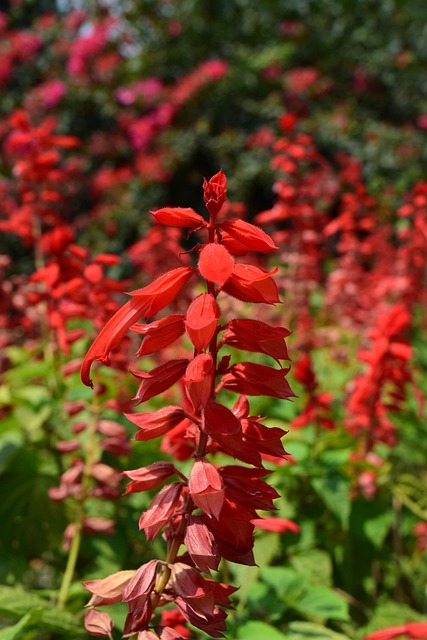
Bright, confident, and impossible to ignore, red salvias bring instant energy to a garden. They work especially well along borders and pathways, where their upright flower spikes create rhythm and structure. In sunlight, their color deepens, making them feel alive even from a distance.
🔵 Blue & 🟣 Purple Salvias
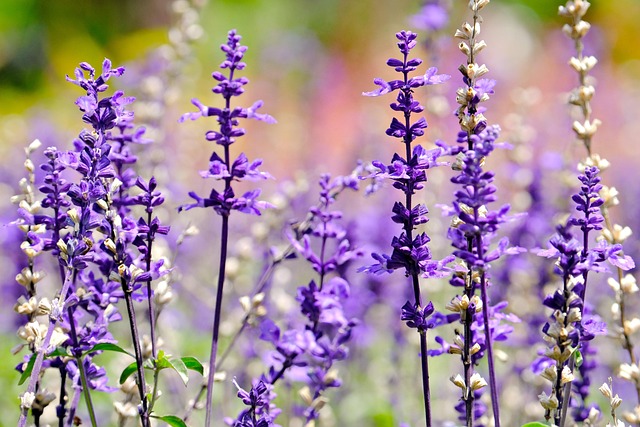
These varieties add calm elegance. Their cool tones balance out brighter flowers and are especially loved by bees and butterflies. Blue and purple salvias are perfect for gardeners who want a peaceful, natural-looking space that still stays active with pollinators.
🌸 Pink & 🤍 White Salvias
Soft, gentle, and understated, these salvias suit balconies, terrace gardens, and minimal-themed spaces beautifully. They blend effortlessly with other flowering plants and never overpower the garden—making them ideal for those who prefer subtle charm over drama.
🌱 Perennial Salvias
For gardeners who think long-term, perennial salvias are a gift. Once settled, they return year after year with very little effort. With basic pruning and seasonal care, these plants mature gracefully and often bloom better with age rather than slowing down.
💡 Many experienced gardeners intentionally mix multiple salvia colors and types in one space. This simple strategy keeps the garden lively for longer, as different varieties peak at slightly different times—creating a layered, ever-changing display instead of a single short burst of blooms.🌼
🌞 Ideal Climate & Season for Salvias in India
One of the reasons salvias feel so effortless in Indian gardens is their natural compatibility with our climate. They don’t demand perfect conditions—they adapt, adjust, and keep growing as long as extremes are avoided. From cool winters to warm summers, salvias know how to stay productive without drama.
🌤️ Best Seasons Across Different Regions
North India
Salvias perform at their best from October to March, when temperatures remain comfortable and flowering reaches its peak. With proper sunlight and occasional pruning, many varieties continue blooming well into early summer, especially in well-drained soil.
South & Coastal India
In these regions, salvias often bloom almost throughout the year due to stable temperatures. Flowering may slow slightly during intense monsoon rains or peak summer heat, but plants recover quickly once conditions normalize.
Moderate & Hill Climates
In areas with mild, balanced weather, salvias follow a steady rhythm—continuous flowering with short resting phases. These pauses are natural and usually followed by stronger, fuller bloom cycles.
Overall, salvias tolerate heat better than many flowering plants and perform best in warm to moderate temperatures. With sunlight, airflow, and basic care, they remain active bloomers rather than seasonal performers. 🌸
🌱 Soil Requirements for Healthy Flowering
Behind every salvia that blooms endlessly is soil that quietly does its job well. Salvias don’t ask for rich, heavy soil—but they refuse to tolerate suffocating roots. When the soil stays light, airy, and alive, flowering becomes natural rather than forced 🌼.
🌍 Ideal Soil Mix
Salvias thrive in soil that drains quickly yet holds just enough moisture to support steady growth. A balanced mix encourages strong roots, which directly translates into more flower spikes.
- Well-drained garden soil forms the base and provides natural structure
- Organic compost or vermicompost feeds the plant slowly, supporting repeated blooms
- A small amount of sand or cocopeat improves drainage and prevents soil compaction
What truly matters is avoiding water stagnation. Waterlogged soil dulls flowering, weakens roots, and invites rot—often before visible damage appears above the soil. Keep the roots comfortable, and salvias respond with healthier growth and longer, richer bloom cycles. 🌸
💧 Watering Tips for Non-Stop Blooms
When it comes to salvias, watering is about balance, not routine. These plants dislike extremes—too little water slows growth, but too much sends all their energy into leaves instead of flowers. Understanding when to water matters more than how often.
🚿 When and How to Water Salvias
Salvias prefer their soil to dry slightly between watering sessions. This gentle stress actually encourages better flowering rather than harming the plant.
- Water only when the topsoil feels dry to the touch
- Avoid daily watering, especially in cooler weather
- Potted salvias need closer attention in summer, as containers dry out faster
Overwatering is one of the most common reasons salvias stop blooming. When roots sit in constant moisture, the plant focuses on producing lush foliage instead of flower spikes. Remember this simple rule: less water often means more blooms. 🌸
🌼 Feeding Salvias Organically
Salvias don’t need heavy feeding to perform well—but they do appreciate gentle, consistent nourishment. When fed organically, they grow at a steady pace, build strong roots, and channel their energy into flowers rather than soft, weak foliage 🌱.
🧺 Organic Boosters That Support Continuous Blooming
Organic feeding works best when it’s slow and balanced. Instead of pushing rapid growth, it supports the plant’s natural flowering rhythm.
- Well-rotted compost every 20–25 days keeps the soil alive and nutrient-rich
- Liquid compost tea once a month provides an easy nutrient boost without stressing roots
- Diluted mustard cake water offers extra nourishment, especially during active flowering phases
The key is moderation. Too much nitrogen leads to leafy plants with fewer blooms, which is the opposite of what we want. Feed lightly, observe the plant’s response, and salvias will reward you with healthier growth and long-lasting waves of flowers.🌸
✂️ Pruning & Deadheading: The Real Blooming Secret
If there’s one habit that truly unlocks nonstop flowering in salvias, this is it. Pruning isn’t optional—it’s the language salvias understand best. Every clean cut sends a clear message to the plant: keep going. And salvias respond generously 🌿.
✨ How to Prune Salvias the Right Way
Pruning doesn’t need to be harsh or complicated. Small, timely actions make the biggest difference.
- Cut spent flower spikes just above a healthy leaf node, not randomly
- Light pruning every 3–4 weeks encourages bushier plants with more flowering points
- After a heavy bloom cycle, prune a little deeper to refresh tired stems and restart growth
This simple routine keeps the plant active instead of exhausted. Once old flowers are removed, salvias quickly redirect energy into new shoots—and the reward is fast.
🌸 What to Expect Next
Fresh buds usually appear within 10–15 days, often stronger and more numerous than before. That’s the magic of pruning done right—you don’t wait for flowers, you invite them back.
🦋 Salvias & Pollinators: A Perfect Match
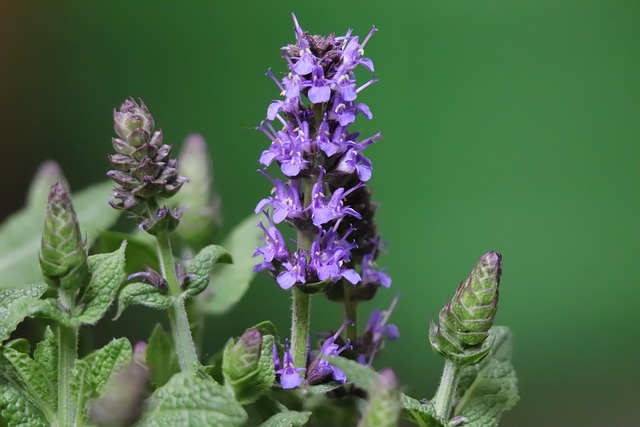
Salvias don’t just decorate a garden—they bring it to life. The moment salvias start flowering, movement follows. Wings flutter, bees hover, and the space feels active rather than silent. This isn’t accidental; salvias are naturally designed to welcome pollinators.
🌼 Why Pollinators Love Salvias
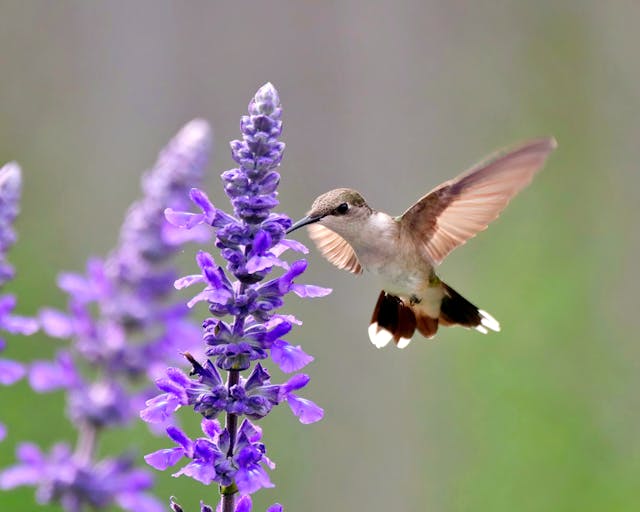
The tubular shape of salvia flowers, combined with their nectar-rich centers, makes them irresistible to beneficial visitors.
- Bees play a vital role in natural pollination, improving overall garden health
- Butterflies turn flowering spaces into living artwork, adding motion and color
- Birds are drawn to nectar-heavy varieties, especially where flowers grow in clusters
By growing salvias, you’re doing more than enjoying blooms. You’re creating a small but meaningful ecosystem—one that supports biodiversity, encourages natural balance, and aligns perfectly with eco-friendly, organic gardening practices 🌍💚.
Salvias don’t bloom alone—they invite life to bloom with them. 🌸
🪴 Salvias in Pots vs Ground Planting
Salvias are wonderfully flexible plants—they don’t insist on open soil or large spaces. Whether grown in containers or directly in the ground, they adapt easily and keep flowering as long as their basic needs are met. The difference lies mainly in management and scale, not performance. 🌸
🪴 Growing Salvias in Pots
Container-grown salvias are perfect for urban gardens where space is limited. With the right setup, they bloom just as reliably as ground-planted ones.
- Choose pots at least 10–12 inches wide to allow proper root development
- Ensure multiple drainage holes to prevent water from sitting at the base
- Ideal for balconies and terraces, where sunlight can be controlled easily
Potted salvias need slightly more attention with watering and feeding, especially in summer, but they reward that care with neat growth and steady flowering.
🌼 Growing Salvias in the Ground
When planted directly in soil, salvias grow with more freedom. Their roots spread wider, making them stronger and more resilient.
- Excellent for borders, edging, and mass planting
- Require less frequent watering once established
- Grow larger and produce more flower spikes over time
In both cases, the result can be the same—continuous blooms for months. The key isn’t where you plant salvias, but how consistently you care for them.🌿
🌸 Common Problems & Easy Solutions for Salvias
Even a hardy bloomer like salvia can lose its rhythm when small issues go unnoticed. The good news? Most problems are easy to fix once you know what the plant is trying to tell you. A few quick adjustments can bring your salvias right back into their flowering groove 🌼.
| Visible Problem in Plant | Why It Happens | What the Plant Is Telling You | Easy Organic Solution |
|---|---|---|---|
| Fewer or no flowers | Too much shade | Not enough energy to form buds | Move to a spot with 5–7 hours of direct sunlight |
| Lots of leaves but no blooms | Excess nitrogen | Energy going into foliage, not flowers | Reduce feeding, avoid urea/chemical fertilizers |
| Weak, leggy growth | Poor or compact soil | Roots can’t breathe properly | Add organic compost + sand/cocopeat |
| Yellow lower leaves | Overwatering | Roots staying wet too long | Improve drainage, water only when topsoil dries |
| Wilting even after watering | Root rot beginning | Roots damaged due to stagnant water | Repot immediately with fresh, dry soil mix |
| Small or short flower spikes | Lack of pruning | Old stems blocking new growth | Deadhead regularly and prune every 3–4 weeks |
| Flowering suddenly stops | Plant exhausted | Needs rest and reset | Light hard prune + compost feeding |
| Sticky leaves or ants | Aphids | Sap being sucked from new growth | Neem oil spray every 7–10 days 🌿 |
| Fine webbing on leaves | Spider mites | Stress from heat or dryness | Increase airflow + neem oil spray |
| Buds falling early | Heat stress or dry soil | Water imbalance | Mulch soil and maintain consistent moisture |
Most salvia problems don’t appear overnight—they build up quietly. Regular observation, light pruning, and organic care keep these issues from becoming serious. When salvias are comfortable, they focus on flowering, not surviving.🌸
🌟 Why Salvias Are a Must-Have for Every Garden
Salvias earn their place in Indian gardens not through hype, but through reliability. They keep flowering because their nature supports it—again and again—without needing constant supervision.
They are plants that thrive because they are:
- Naturally re-blooming, not one-season performers
- Sun-loving, perfectly suited to Indian light
- Easy to prune, responding quickly to simple care
- Low-maintenance, even for busy or beginner gardeners
- Well-adapted to Indian conditions, from pots to open soil
Whether your goal is a lively flower bed, a pollinator-friendly corner, or a stress-free garden that still looks impressive, salvias fit in effortlessly. They don’t just grow—they participate in your garden. 🌺
🌼 “If one plant could define effortless beauty and continuous blooms, Salvia would be the answer.”
🌱 Final Thoughts
Salvias quietly prove that a garden doesn’t need constant attention to stay colorful. With basic sunlight, balanced watering, organic feeding, and timely pruning, they return the favor with months of dependable blooms—often with barely a pause.
If you want a garden that keeps blooming without demanding daily care, salvias are more than a good choice—they’re a long-term companion, growing stronger and more beautiful with time 🌸.uzzing with life, add salvias today 🌸✨.

