Gardening often begins with a gentle dream—cool soil slipping through your fingers, sunlight catching on fresh leaves, flowers moving softly with the breeze. But for many gardeners, that calm vision slowly fades. Watering schedules tighten, pruning never seems to end, pests appear overnight, and expenses quietly add up. What once felt joyful can start feeling like another responsibility.
This is where Earth-Kind plants quietly change the narrative.
Earth-Kind plants remind us that a garden is meant to support our life, not compete with it. These plants grow in tune with natural conditions, ask for minimal intervention, and still give back generously—through steady growth, resilience, and quiet beauty. They don’t demand perfection or constant attention; they simply adapt and carry on.
Whether your garden lives on a balcony, terrace, backyard, or shared community space, Earth-Kind plants help restore the original promise of gardening: simple happiness without stress. They allow you to enjoy growth without guilt, beauty without burnout, and progress without pressure.
As we explore what makes these plants so special, you’ll see how a low-maintenance garden isn’t about doing less—it’s about choosing smarter, kinder companions for your growing space 🌱.
🌍 What Are Earth-Kind Plants?
Earth-Kind plants are naturally resilient growers—plants that don’t panic when conditions aren’t perfect. They are selected not just for how attractive they look, but for how well they survive and perform with minimal human effort. Instead of demanding constant care, they quietly adapt and keep growing.
🌿 What Makes Them Different?
Earth-Kind plants thrive with:
- Minimal watering, once established
- Little or no chemical fertilizer
- Fewer pest and disease problems
- Reduced pruning and ongoing maintenance
Rather than fighting the environment, these plants work with the soil, climate, and natural rhythms around them. That cooperation is what makes them reliable year after year.
🌱 The Core Philosophy Behind Earth-Kind Gardening
Earth-Kind gardening isn’t a shortcut—it’s a mindset shift. It asks gardeners to observe more, interfere less, and trust natural balance.
🌏 Respecting Natural Ecosystems
Instead of forcing plants to behave unnaturally, this approach supports how ecosystems already function. Healthy soil, beneficial insects, and natural cycles are treated as allies, not obstacles.
💧 Saving Water Thoughtfully
Water is used wisely, not excessively. Earth-Kind plants are chosen because they can manage with less frequent watering once their roots are established.
🚫 Reducing Chemical Dependency
Fewer chemicals mean fewer side effects—for soil life, pollinators, pets, and people. Strong plants grown in balanced conditions naturally resist many problems.
🌱 Improving Soil Health Naturally
Compost, mulch, and organic matter do the heavy lifting. Over time, soil becomes richer, looser, and more alive—supporting plants without constant feeding.
🦋 Encouraging Biodiversity
When gardens are less sterile and more natural, beneficial insects, birds, and microorganisms return. This diversity strengthens the entire garden system.
🌿 The Earth-Kind Principle, Simplified
In the simplest terms, Earth-Kind gardening is about less control and more cooperation. When plants are allowed to grow the way nature intended, gardens become easier to manage—and far more rewarding.
💚 Why Earth-Kind Plants Bring True Joy to Gardeners
🌼 Gardening Without Guilt
One of the quiet stresses of gardening is guilt—the feeling that you’ve failed your plants because life got busy. A missed watering, a skipped feeding, a week away from home. Earth-Kind plants remove that pressure completely. They are forgiving by nature and resilient by design.
You can travel, focus on work, or simply take a break, and your garden doesn’t collapse in your absence. These plants understand real life, not rigid schedules. Gardening becomes something you return to with happiness, not anxiety.
🌞 Perfect for the Indian Climate
Gardening here often means working with extremes rather than ideal conditions. Earth-Kind plants adapt gracefully to challenges such as:
🌡️ Heat Tolerance
They handle intense warmth without constant watering or shade adjustments.
🌧️ Humidity & Seasonal Rains
Their resilience helps them cope with fluctuating moisture levels and sudden downpours.
🌵 Short Dry Spells
Once established, they manage brief dry periods without panic or visible stress.
Because of this adaptability, Earth-Kind plants are especially valuable for home gardens where water conservation and reliability matter more than constant pampering.
🌸 Beauty Without Exhaustion
Low maintenance does not mean low beauty. Earth-Kind plants prove that again and again.
🌼 Long-Lasting Flowers
Many offer extended blooming periods without demanding deadheading or special feeding.
🌿 Attractive Foliage All Year
Even when not in bloom, their leaves add texture, color, and structure to the garden.
✂️ Natural Growth Forms
They grow into balanced shapes on their own, reducing the need for frequent pruning or shaping.
The result is a garden that looks thoughtful and alive—even on weeks when you barely step outside.
Earth-Kind plants bring joy not by asking more from you, but by asking less and giving more. 🌱
🌱 Characteristics of Earth-Kind Plants
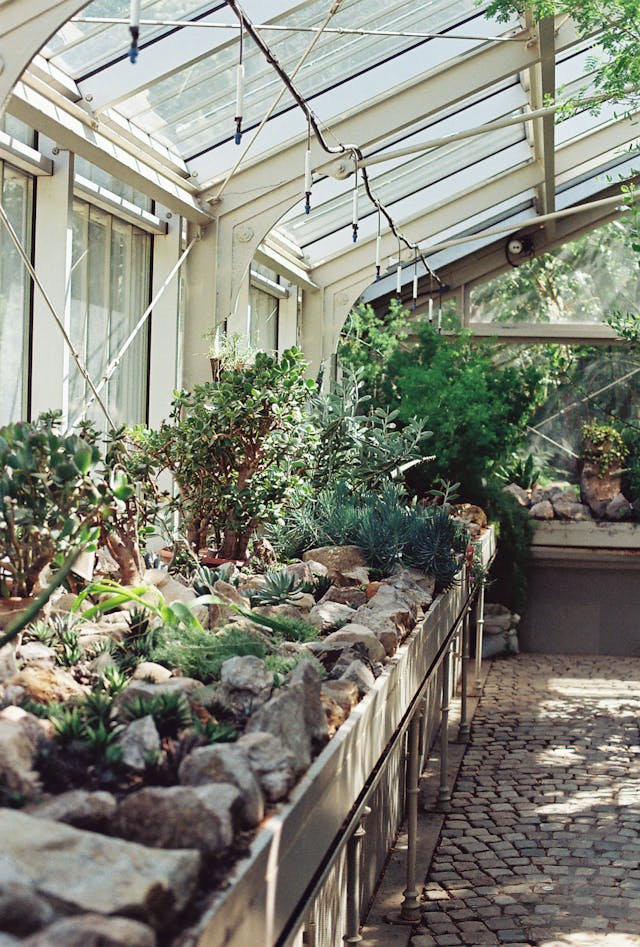
Understanding what makes Earth-Kind plants strong helps you choose wisely—and grow with confidence rather than trial and error.
✔️ Deep Root Systems
Earth-Kind plants don’t depend on shallow surface moisture. They push their roots deeper into the soil, which allows them to:
🌿 Access Hidden Moisture
Deep roots reach underground water reserves that surface-rooted plants can’t.
🌬️ Stay Stable in Tough Conditions
Strong anchoring helps plants remain upright during heat, wind, and sudden weather shifts.
🌵 Survive Dry Periods
Because they rely less on frequent watering, they tolerate drought-like conditions far better than delicate plants.
✔️ Natural Pest Resistance
Instead of soft, vulnerable leaves that attract every passing insect, Earth-Kind plants protect themselves naturally.
🌿 Aromatic Foliage
Many release scents that discourage pests without harming beneficial insects.
🍃 Thicker, Tougher Leaves
Stronger leaf structure makes feeding difficult for chewing insects.
🌱 Protective Natural Oils
Some plants produce oils or compounds that naturally repel pests, reducing the need for sprays.
✔️ Soil-Friendly Growth
Earth-Kind plants don’t take endlessly from the soil—they give back over time.
🌾 Improve Soil Structure
Their roots help loosen compacted soil, improving air and water movement.
🦠 Support Beneficial Microbes
Healthy root systems encourage microbial life that strengthens soil fertility naturally.
🌍 Reduce Soil Erosion
Strong roots hold soil in place, protecting garden beds during heavy watering or rain.
Together, these characteristics explain why Earth-Kind plants feel so dependable. They are built to last, adapt, and cooperate with nature—making gardening calmer and far more rewarding. 🌱
🏡 Where Earth-Kind Plants Fit Best
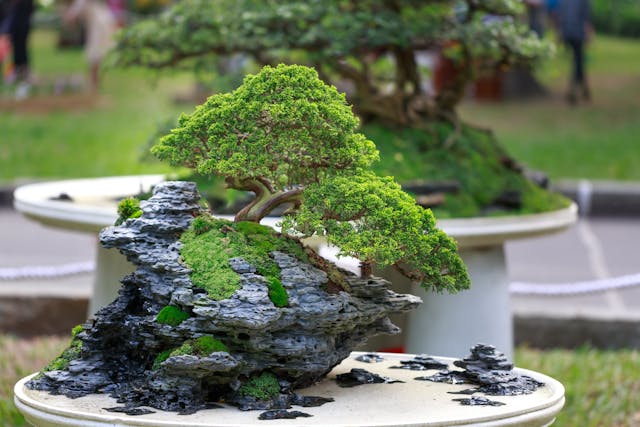
One of the greatest strengths of Earth-Kind plants is their flexibility. They don’t demand ideal spaces or constant supervision, which allows them to settle comfortably into many types of gardens and growing environments.
🌿 Home Gardens
Earth-Kind plants are perfect for people who enjoy greenery but don’t want gardening to feel like a daily obligation. They grow steadily, stay healthy with minimal attention, and allow you to enjoy your space without being tied to routines.
🪴 Balcony & Terrace Gardens
Limited space, limited water, and limited time are common challenges in urban homes. Earth-Kind plants adapt well to containers and grow bags, handling occasional neglect without losing their charm. This makes them ideal companions for busy lifestyles.
🌳 Public & Community Spaces
Because they require less watering, pruning, and chemical input, Earth-Kind plants are excellent choices for parks, walkways, and housing societies. Their durability keeps shared spaces green and welcoming without constant upkeep.
🌼 New Gardeners
For beginners, nothing builds confidence like success. Earth-Kind plants forgive small mistakes, recover quickly, and show steady growth—helping new gardeners learn without frustration or fear of failure.
Wherever they are planted, Earth-Kind plants quietly adjust and continue growing—making them reliable partners in any green space. 🌱
🌸 Popular Types of Earth-Kind Plants (Category Wise)
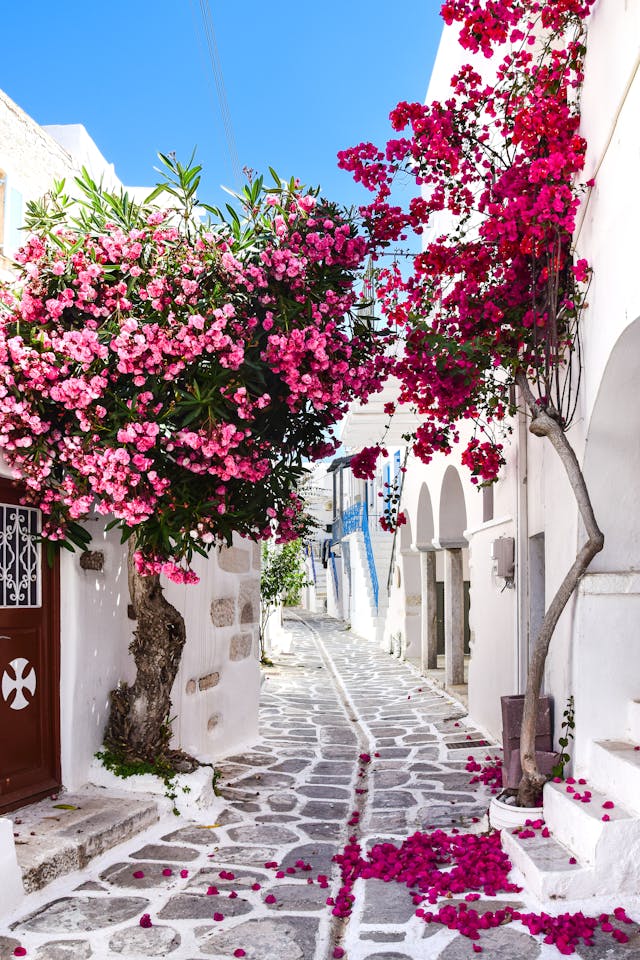
Instead of memorizing plant names, understanding plant categories makes garden planning simpler and more intentional. Earth-Kind plants fall into clear groups, each serving a purpose while keeping maintenance low.
🌺 Flowering Earth-Kind Plants
These plants bloom generously without asking for constant feeding, pruning, or pampering. They flower because they are comfortable—not because they are forced.
🌼 Why They Work So Well
- Naturally heat-tolerant
- Offer long blooming cycles
- Require minimal deadheading to stay attractive
They bring color and movement to the garden while staying relaxed and reliable.
🌿 Foliage Earth-Kind Plants
Some plants don’t need flowers to be beautiful. Foliage Earth-Kind plants focus on texture, shape, and color that lasts throughout the year.
🍃 Why Gardeners Love Them
- Maintain their shape naturally
- Stay attractive season after season
- Excellent for borders, containers, and background planting
They quietly hold the garden together, even when nothing is in bloom.
🌵 Succulents & Xerophytes
These are champions of water-wise gardening. Designed by nature to survive with very little, they are ideal for bright, open spaces.
☀️ What Makes Them Earth-Kind
- Store water naturally in leaves or stems
- Thrive in bright sunlight
- Perfect for terraces, rooftops, and sunny corners
They prove that beauty doesn’t always need frequent watering.
🌳 Shrubs & Small Trees
These plants form the structural backbone of a low-maintenance garden. Once established, they offer long-term stability and presence.
🌿 Their Key Strengths
- Provide shape and structure
- Need only occasional shaping
- Support birds, pollinators, and beneficial insects
They anchor the garden, making everything else feel intentional and complete.
By choosing the right mix from these categories, you don’t just plant a garden—you design a space that stays calm, balanced, and beautiful with minimal effort. 🌱
💧 Watering the Earth-Kind Way
One of the quiet joys of Earth-Kind gardening is letting go of the constant worry about watering. Instead of daily routines and rigid schedules, this approach encourages trust—trust in the plant, the soil, and natural rhythms.
🌦 Smart Watering Tips That Actually Work
💦 Water Deeply, Not Daily
Slow, deep watering encourages roots to grow downward rather than hovering near the surface. Deeper roots mean stronger, more independent plants.
⏰ Choose the Right Time
Watering in the early morning or evening reduces evaporation and allows moisture to soak in where roots can use it effectively.
🌱 Let the Soil Breathe
Allow the top layer of soil to dry slightly between watering sessions. Constantly wet soil weakens roots and invites disease, while gentle drying builds resilience.
🍂 Mulch Generously
Mulch acts like a protective blanket—locking in moisture, regulating soil temperature, and reducing the need for frequent watering.
🌿 The Long-Term Reward
Once established, many Earth-Kind plants adjust so well that they can rely largely on natural rainfall, stepping in only when conditions become unusually dry.
Watering the Earth-Kind way isn’t about neglect—it’s about watering with intention rather than anxiety. 🌱
🌱 Soil: The Silent Supporter
Soil rarely gets the spotlight, yet it does most of the work. When soil is healthy, Earth-Kind plants become even more resilient, needing less attention while giving better results.
🌾 Best Practices for Living Soil
♻️ Feed the Soil, Not Just the Plant
Adding compost once or twice a year is usually enough. It improves structure, boosts nutrients naturally, and keeps soil alive rather than dependent on quick fixes.
🚫 Avoid Chemical Shortcuts
Chemical fertilizers may offer fast growth, but they weaken soil over time. Earth-Kind gardening favors slow, steady nourishment that supports long-term plant health.
🪱 Welcome Earthworms & Microbes
Earthworms and beneficial microbes are natural soil workers. They improve aeration, break down organic matter, and make nutrients more accessible to roots.
🍂 Use Organic Mulch
Materials like dry leaves, straw, or garden waste protect soil from heat and moisture loss while gradually enriching it as they decompose.
🌿 Why Healthy Soil Changes Everything
When soil is alive and balanced, plants grow stronger with less feeding, resist diseases naturally, and maintain steady growth without constant care.
In Earth-Kind gardening, soil is not just a base—it’s the silent partner that carries the entire garden forward. 🌱
🐝 Nature-Friendly Gardening Benefits
Earth-Kind plants don’t work in isolation—they quietly strengthen the living web around them. When your garden grows in balance, nature responds generously 🌍.
🌼 How Earth-Kind Plants Support Life Around You
🐝 Pollinators Feel Welcome
Flowers grown without chemical stress provide safer nectar and pollen for bees, butterflies, and other pollinators. Their regular visits improve flowering, seed formation, and overall garden health.
🐦 Birds Find Shelter and Food
Shrubs, small trees, and seed-bearing plants offer birds places to rest, nest, and feed. In return, birds help manage insect populations naturally.
🐞 Beneficial Insects Take Over Pest Control
Ladybugs, lacewings, and other helpful insects thrive in chemical-free gardens. They quietly control pests, reducing the need for sprays and interventions.
🌿 A Living, Breathing Garden
When plants, insects, birds, and soil life work together, the garden becomes more than decorative—it becomes alive. Leaves rustle, wings flutter, and growth feels effortless rather than forced.
A joyful garden isn’t silent or sterile.
It’s one that buzzes, flutters, and breathes with life. 🌱
📊 Earth-Kind Gardening Problems & Natural Solutions
One of the biggest shifts in Earth-Kind gardening is how problems are handled. Instead of fighting symptoms again and again, this approach addresses the root cause, turning frustration into calm, repeatable routines.
🌿 Common Challenges & Earth-Kind Solutions
| Gardening Challenge | Why It Happens | Earth-Kind Solution |
|---|---|---|
| Plants drying too quickly | Shallow roots caused by frequent light watering | Choose deep-rooted Earth-Kind plants and water less often but deeply |
| Frequent pest attacks | Soft, over-fertilized growth | Grow naturally pest-resistant plants and avoid chemical feeding |
| Too much maintenance | High-demand, fast-growing varieties | Switch to slow-growing, self-regulating Earth-Kind plants |
| High water bills | Daily watering habits | Use mulch and select drought-tolerant plants |
| Poor soil health | Long-term chemical use | Restore soil with compost and natural care |
🌱 A Calmer Way to Garden
When plants are chosen wisely and soil is respected, many “problems” fade on their own. Earth-Kind gardening replaces constant fixing with quiet consistency.
This approach doesn’t remove effort—it removes stress. And in doing so, it transforms gardening into something peaceful, predictable, and deeply satisfying 🌿.
🌼 Emotional Connection: Gardening for the Soul
Earth-Kind plants quietly teach a lesson many gardeners learn the hard way:
🌱 Growth Doesn’t Need Force—It Needs Balance
When we stop trying to control every inch of the garden, something beautiful happens. The pressure eases. Expectations soften. Gardening shifts from management to mindfulness.
🌿 What You Begin to Notice Instead
Without constant chores pulling your attention, small moments return to focus:
☀️ Morning Light on Leaves
How sunlight changes color as it moves across the garden.
🦋 Butterflies Pausing to Rest
Not rushing—just existing alongside your plants.
🌱 The Calm of Natural Growth
Watching plants grow at their own pace, without anxiety or interference.
In these moments, gardening stops feeling like a task list.
It becomes therapy instead of responsibility, presence instead of pressure.
🌱 Examples of Earth-Kind Plants That Truly Care for Themselves
Earth-Kind plants don’t belong to one category. They appear across flowers, shrubs, foliage plants, and hardy ground covers, each sharing the same core trait—self-reliance.
🌼 Flowering Plants That Don’t Demand Attention
These bloom without constant feeding or deadheading, offering color with calm consistency.
🌿 Foliage Plants That Stay Steady
Their beauty comes from leaves that hold shape and color naturally, without trimming or shaping.
🌳 Shrubs That Anchor the Garden
Once settled, they provide structure and greenery year after year with only occasional care.
🌱 Ground Covers That Protect the Soil
They spread gently, suppress weeds, and reduce evaporation—working quietly in the background.
What unites all of them is simple:
They don’t ask for daily reassurance. They grow with confidence.
And when your plants are at ease, you are too 🌿.
🌸 Low-Maintenance Flowering Plants
These flowering plants prove that beauty doesn’t have to be demanding. They bloom generously, hold their shape naturally, and ask for very little in return—making them perfect companions in an Earth-Kind garden.
🌺 Hibiscus
A classic flowering shrub with remarkable toughness. Hibiscus handles heat confidently and rewards basic care with repeat blooming, making it both reliable and visually striking.
🌸 Bougainvillea
Built for bright, open spaces, bougainvillea thrives with minimal watering and almost no pampering. Once established, it prefers neglect over attention and blooms most beautifully when left alone.
🌼 Vinca (Sadabahar)
One of the most forgiving flowering plants you can grow. It sails through heat, rain, and missed watering without complaint, continuing to flower steadily when many others give up.
🌹 Portulaca (Moss Rose)
This sun-loving plant laughs at poor soil and intense light. Its succulent nature allows it to bloom happily where other plants struggle, making it ideal for harsh, exposed spots.
🌸 Cosmos
Light, airy, and wonderfully independent. Cosmos often reseeds itself, returning season after season with minimal effort while adding movement and softness to the garden.
🌻 Gaillardia (Blanket Flower)
Known for its long-lasting blooms and tough nature, gaillardia performs well with limited watering and keeps flowering without constant feeding or deadheading.
🌼 Zinnia
Cheerful, upright, and dependable. Zinnias offer strong stems and bright flowers even in warm conditions, making them easy to grow and hard to disappoint.
🌸 Verbena
A quiet overachiever in low-maintenance gardens. Verbena flowers over long periods, needs little care, and attracts pollinators—adding life without extra work.
Together, these plants show that a garden can stay colorful, alive, and expressive—without turning into a daily obligation 🌿.
🌿 Hardy Foliage & Ornamental Plants
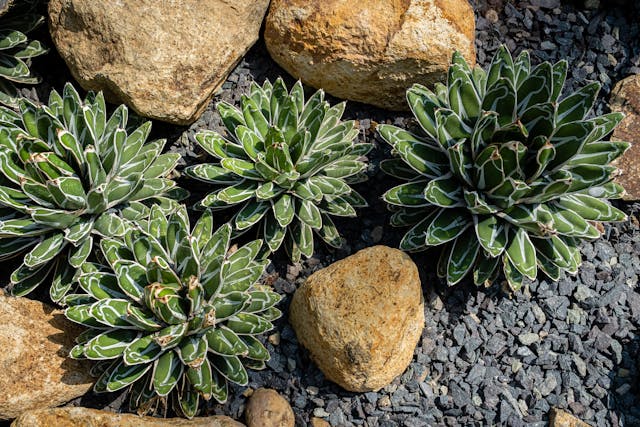
These plants don’t rely on flowers to make an impact. Their strength lies in leaf form, texture, and structure, allowing them to stay attractive for long periods with very little intervention.
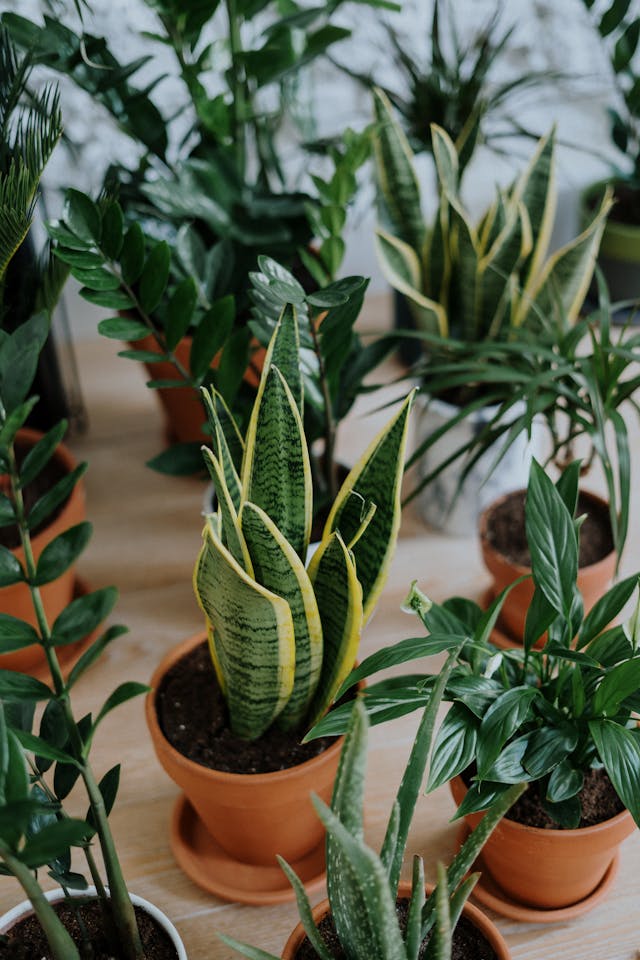
🌱 Snake Plant (Sansevieria)
Often called almost indestructible, the snake plant thrives on neglect. Its upright, sculptural leaves make it ideal for pots and corners where other plants struggle. Missed watering rarely affects it, which is why it’s a favorite for low-effort greenery.
🌿 Aloe Vera
Aloe vera combines usefulness with resilience. Its thick, fleshy leaves store moisture, allowing it to survive dry spells easily. It also improves soil structure over time and remains one of the most practical ornamental plants to grow.
🌵 Agave
Agave is a bold, architectural plant that instantly adds character to any space. Designed by nature to survive harsh conditions, it requires very little water and almost no maintenance once established.
🌾 Yucca
Yucca thrives where soil is poor and conditions are demanding. Its stiff, sword-like leaves give strong visual structure, making it an excellent choice for areas where softer plants fail to survive.
🍃 Croton
Croton stands out for its vibrant, multicolored foliage. While hardy, it performs best when protected from extremely harsh sunlight, which helps preserve leaf color and prevents stress.
🌱 Asparagus Fern
Soft, feathery, and quietly dependable, asparagus fern works beautifully as a filler plant. It adds texture without demanding attention and stays lush with minimal care.
Together, these foliage and ornamental plants form the backbone of an Earth-Kind garden, offering year-round interest without constant maintenance. 🌿
🌵 Succulents & Xerophytes (Water-Wise Plants)
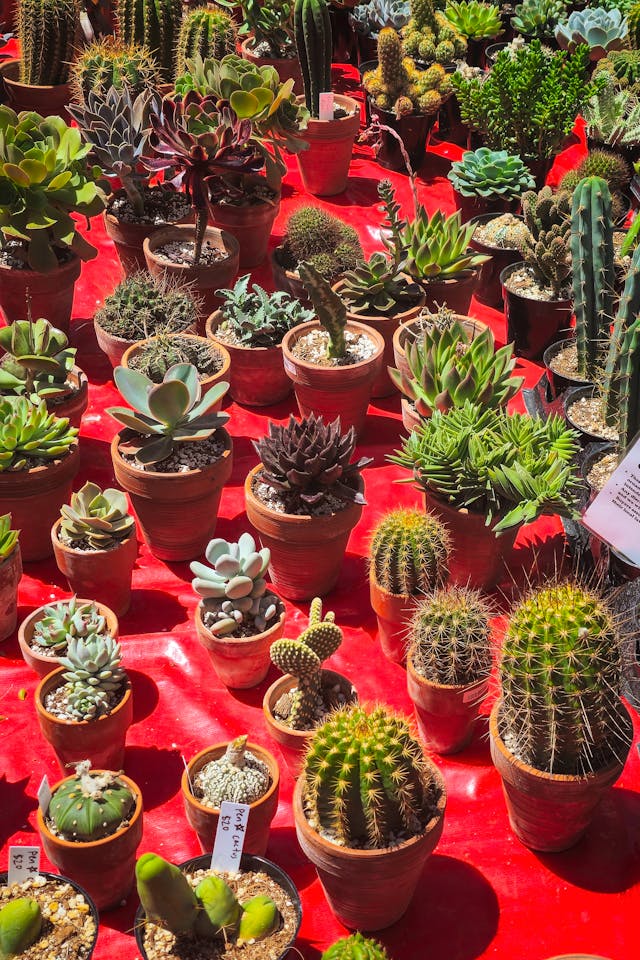
Succulents and xerophytes are nature’s answer to busy gardeners and dry spaces. Designed to survive with very little water, these plants store moisture efficiently and stay attractive with almost no effort—making them ideal for terraces, balconies, and sun-exposed corners.
🌿 Jade Plant
Often associated with prosperity, the jade plant is also a champion of low maintenance. Its thick leaves store water, allowing it to thrive even when watering is occasional. It grows slowly, stays compact, and remains dependable for years.
🌸 Echeveria
Echeveria forms neat, symmetrical rosettes that look almost sculpted. It needs very little water and prefers simple care, making it perfect for containers where overwatering is a common mistake.
🌱 Haworthia
This succulent is gentle and forgiving. It performs well in indirect light, needs minimal soil, and doesn’t demand frequent watering—making it an excellent choice for shaded balconies and indoor-outdoor spaces.
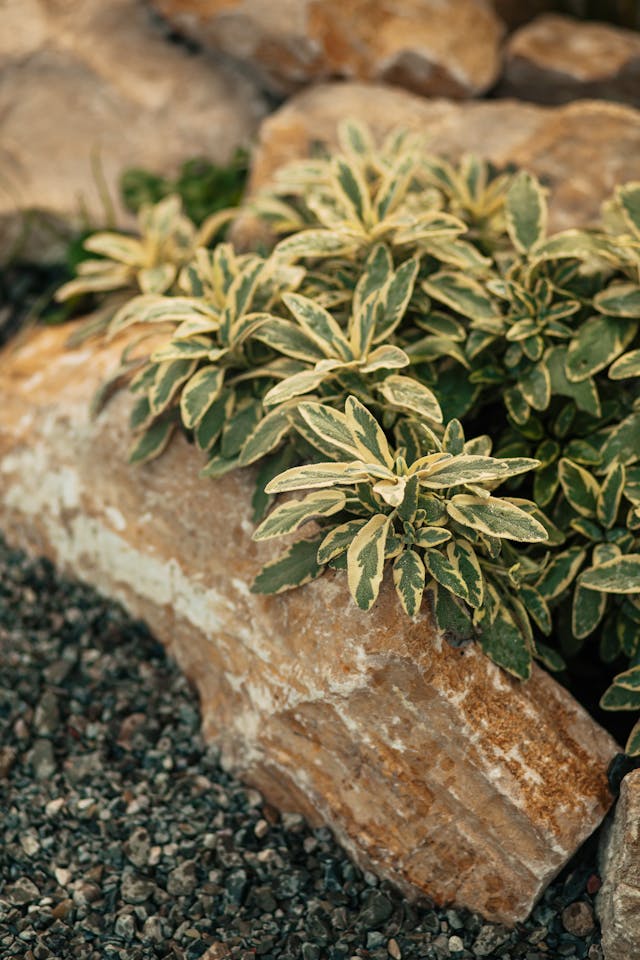
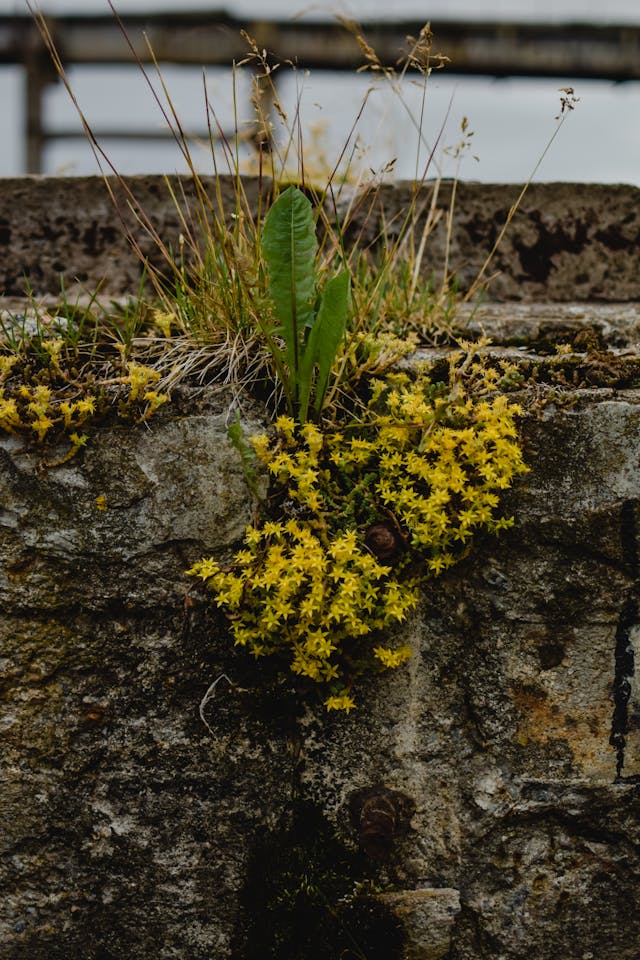
🌿 Sedum
Sedum spreads naturally and covers soil efficiently, reducing evaporation and weed growth. Its heat tolerance and relaxed growth habit make it one of the easiest ground-hugging succulents to maintain.
🌺 Crown of Thorns
Tough, resilient, and surprisingly generous with flowers, crown of thorns thrives with minimal water. Once established, it continues blooming without constant feeding or attention.
These water-wise plants remind us that survival itself can be beautiful. With succulents and xerophytes, gardening becomes lighter—less about effort, more about balance 🌱
🌳 Shrubs & Small Trees for Structure
Shrubs and small trees are the quiet anchors of an Earth-Kind garden. They give shape, shade, and long-term presence without demanding daily attention. Once settled, they grow steadily and age gracefully.
🌸 Plumeria (Frangipani / Champa)
Plumeria thrives on warmth and sunshine, growing calmly with minimal care. Its thick branches and fragrant blooms make it a favorite for gardeners who want beauty without routine maintenance. Even with occasional neglect, it continues to flower reliably.
🌼 Tecoma (Yellow Bells)
Tecoma brings brightness and energy to low-maintenance spaces. It grows quickly, tolerates dry conditions well, and produces cheerful yellow flowers without constant feeding or pruning.
🌿 Duranta (Golden Dewdrop)
Duranta is adaptable and forgiving, making it ideal for informal hedges or shaped shrubs. It responds well to light trimming but doesn’t suffer if pruning is delayed, keeping its form naturally balanced.
🌺 Oleander (Kaner)
Oleander is built for challenging conditions. It handles heat and dry spells with ease and rewards gardeners with steady flowering. Its toughness makes it especially suitable for boundary planting and open areas.
🌱 Carissa (Karonda)
Carissa is a hardy, multi-purpose shrub with glossy leaves and strong growth. It forms dense structure, resists stress well, and offers the added benefit of edible fruit—making it both practical and ornamental.
Together, these shrubs and small trees form the long-term backbone of an Earth-Kind garden—providing structure, shade, and reliability while asking for very little in return 🌿.
🌼 Herbs & Useful Earth-Kind Plants
These plants do more than just look good. They support everyday living, strengthen the garden ecosystem, and grow reliably with minimal effort—making them perfect examples of Earth-Kind thinking in action.
🌿 Tulsi (Holy Basil)
Tulsi grows with remarkable ease and settles naturally into its surroundings. Beyond its cultural and medicinal value, it quietly improves the garden environment by supporting beneficial insects and maintaining ecological balance. Once established, it asks for very little care.
🌱 Lemongrass
Lemongrass is both practical and resilient. Its strong aroma helps repel pests naturally, while its tough nature allows it to thrive without frequent watering or feeding. It also doubles as a useful kitchen ingredient, making it a true multi-purpose plant.
🌿 Mint (Best Grown in Pots)
Mint is energetic and fast-growing, which is why it’s best kept in containers. With basic watering, it spreads happily and provides a steady supply of fresh leaves. Despite its enthusiasm, it remains low-maintenance and forgiving.
🌿 Curry Leaf Plant
Once the curry leaf plant settles into its space, it becomes largely self-sufficient. It grows steadily, tolerates missed watering, and rewards patience with fresh, aromatic leaves that are always within reach.
Together, these herbs and useful plants show how gardening can support daily life, health, and sustainability—without adding extra work. They give generously, quietly, and consistently, which is exactly what Earth-Kind gardening is all about 🌱.
🌱 Ground Covers & Soil Protectors
Ground covers are the unsung heroes of an Earth-Kind garden. They shield bare soil, slow down moisture loss, and reduce weed pressure—quietly doing essential work with almost no supervision.
🌿 Wedelia
A tough, sun-loving ground cover that spreads confidently to form a dense mat. Once settled, it suppresses weeds effectively and helps keep soil cool and moist.
🌸 Alternanthera
Known for its colorful foliage, alternanthera adds visual interest while staying compact and easy to manage. It works well as edging, mass planting, or low borders.
🌱 Periwinkle (Vinca Minor / Sadabahar Ground Form)
A reliable spreading plant that covers soil quickly. It tolerates neglect well and produces small flowers while keeping weeds in check.
🌿 Frogfruit (Phyla nodiflora)
A soft, spreading ground cover that stays low and natural-looking. It reduces erosion, supports small pollinators, and requires very little care once established.
🌱 Portulaca (as a Ground Cover)
When allowed to spread, portulaca acts as a living mulch. Its succulent nature helps conserve moisture, and it thrives even in poor, dry soil.
🌿 Tradescantia (Spiderwort Types)
Fast-growing and forgiving, tradescantia covers bare patches quickly. It works well in partial shade and helps prevent soil from drying out too fast.
🌱 Creeping Thyme (Warm-Tolerant Varieties)
Low-growing and aromatic, creeping thyme forms a dense mat that suppresses weeds and protects soil while adding subtle fragrance.
🌿 Dichondra
A soft-textured ground cover with round leaves that stays close to the soil. It’s ideal for filling gaps and reducing exposed patches in garden beds.
By using ground covers generously, you let plants do the hard work for you—cooling the soil, blocking weeds, and conserving water naturally. In an Earth-Kind garden, even the ground is cared for gently 🌱.
🌿 Why These Plants Are Truly Earth-Kind
What makes these plants special isn’t rarity or appearance—it’s their attitude toward survival. They are built to adjust, endure, and continue growing even when conditions aren’t ideal.
🌱 Shared Strengths That Matter
All Earth-Kind plants quietly carry a similar set of advantages:
☀️ Comfortable with Heat & Humidity
They stay stable through fluctuating temperatures and moisture levels instead of collapsing under stress.
💧 Less Dependence on Frequent Watering
Their root systems and growth habits allow them to manage with fewer watering sessions once established.
🌿 Minimal Need for Chemical Fertilizers
They perform well in naturally enriched soil, reducing dependency on synthetic inputs.
🐛 Natural Pest Resistance
Instead of attracting constant attacks, they resist common pests through tougher leaves, aroma, or natural defenses.
🌱 Quick Recovery from Neglect
A missed watering or delayed pruning doesn’t ruin them—they bounce back quietly and continue growing.
🌿 The Earth-Kind Truth
These plants don’t expect perfection.
They don’t punish mistakes.
They adapt, recover, and keep going.
And in doing so, they make gardening feel human again—patient, forgiving, and deeply satisfying 🌱.
🌱 How to Start Your Earth-Kind Garden (Step-by-Step)
Starting an Earth-Kind garden isn’t about doing more—it’s about doing less, but doing it thoughtfully. When the basics are right, plants handle the rest.
👀 Observe Your Space First
Before planting anything, spend a few days simply noticing your garden. Watch how sunlight moves, where wind flows, and how water behaves after watering or rain. Observation saves effort later.
🌿 Choose Plants Wisely
Select plants that naturally suit your surroundings instead of forcing unsuitable varieties to survive. When plants feel “at home,” maintenance drops automatically.
🌱 Improve Soil the Natural Way
Healthy soil is the foundation. Add compost and use mulch to build fertility slowly. This strengthens roots and reduces the need for frequent feeding.
💧 Water Smartly, Not Constantly
Water deeply but less often. This trains roots to grow stronger and deeper, making plants more independent over time.
🌼 Let Plants Adapt
Resist the urge to over-care. Give plants time to adjust, even if early growth seems slow. Adaptation builds resilience.
🌿 Enjoy the Process, Not Perfection
An Earth-Kind garden isn’t about control—it’s about connection. Small imperfections are signs of life, not failure.
Remember, nature doesn’t rush—and neither should you.
🌸 Let Your Garden Love You Back
Earth-Kind plants gently remind us of something we often forget—gardening doesn’t need to be difficult to be meaningful. Beauty doesn’t come from struggle, and growth doesn’t require force. Nature already knows how to thrive when we stop interfering and start trusting.
🌿 What You Choose When You Choose Earth-Kind
By welcoming Earth-Kind plants into your space, you consciously choose:
- Less effort
- Less stress
- Less waste
Not because you care less—but because you care smarter.
🌼 What the Garden Gives Back
In return, the garden offers something far more valuable:
- More peace
- More beauty
- More joy
Not rushed joy. Not forced beauty.
But the quiet kind that settles in and stays.
🌱 A Thought to Leave You With
A garden should heal the gardener as gently as it heals the soil.
Don’t measure your garden by the work it demands—
measure it by the peace it gives. 🌿

