
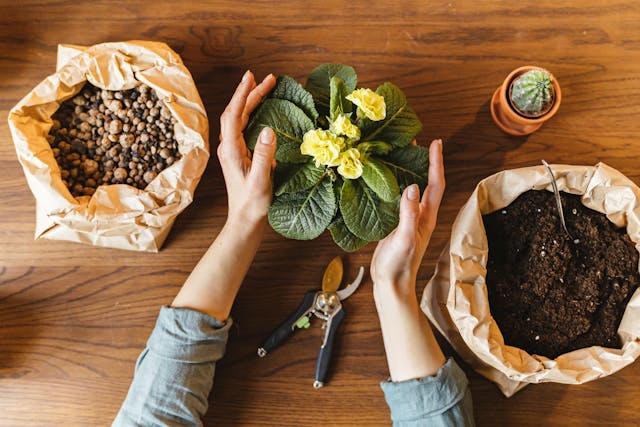
There’s a secret most successful gardeners swear by: thriving plants don’t start above the ground — they start below it. No matter how premium your seeds are or how strong your young plants look at first, if the soil underneath them is tired, compacted, or lacking nutrients, their growth will always be held back 🌿.
This is especially true in many parts of India, where soil can vary wildly from sandy, quick-draining patches in Rajasthan to heavy, stubborn clay in Uttar Pradesh, and nutrient-poor earth baked dry by the sun. Learning how to prepare and nourish your garden soil naturally isn’t just a tip — it’s a gardener’s superpower.
When you work with nature rather than against it, you don’t just boost plant growth — you invite a whole world of life into your garden. Healthy soil teems with beneficial microbes, holds moisture better, resists pests, and keeps your plants strong season after season. Plus, it saves you money because you rely less on chemical fertilizers and costly additives.
In the guide ahead, you’ll discover simple, step-by-step ways to transform ordinary dirt into a living, fertile foundation for your plants — naturally, sustainably, and in a way that makes your garden flourish with vibrant life 🌸.
🌍 Why Natural Soil Preparation Matters Everywhere
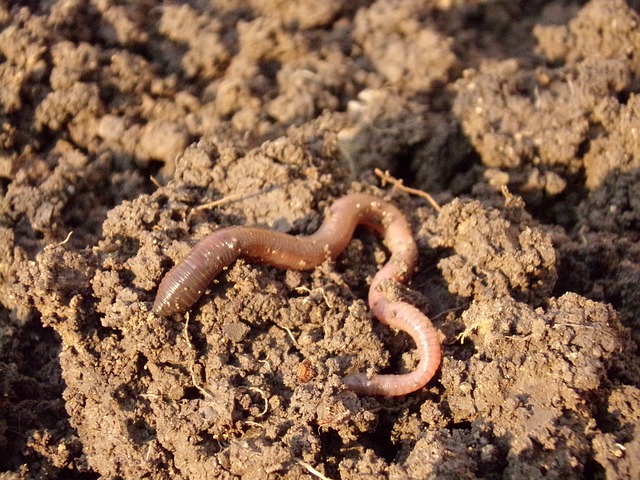
Chemical fertilizers can deliver fast, visible results—but they often do so at a hidden cost. Over time, repeated chemical use can weaken soil structure, reduce organic life, and leave the ground less capable of supporting healthy plants on its own. Natural soil preparation takes a different approach. Instead of forcing growth, it rebuilds the soil from within.
When soil is prepared naturally, it becomes a living system rather than an inert growing medium. Organic matter, microbes, air, and moisture begin working together, creating an environment where plants can grow steadily, resist stress, and maintain long-term health.
🌱 Benefits of Preparing Soil Naturally
- Stronger soil structure that allows roots to spread easily
- Balanced drainage and moisture retention, preventing both waterlogging and dryness
- Active beneficial microorganisms that naturally feed plants
- Improved nutrient availability, reducing the need for constant fertilization
- Greater resistance to drought and temperature stress
- Safe growing conditions for children, pets, and pollinators like bees 🐝
🌦️ Designed for Any Climate, Any Garden
Whether you garden in a rainy coastal region, a dry inland climate, a cold temperate zone, or a warm tropical area, natural soil preparation helps soil adapt rather than degrade. It improves resilience against weather extremes, supports consistent plant growth, and keeps gardens productive year after year—without exhausting the land.
Healthy soil doesn’t rely on shortcuts. It builds strength quietly, season by season, and rewards patience with lasting fertility.
🧪 Step 1: Understand Your Garden Soil Type
Before you improve your soil, you need to get to know it. Every garden starts with a different foundation, and soil type determines how water moves, how nutrients are stored, and how easily roots can grow. Skipping this step often leads to frustration later, no matter how much compost or care you add.
🌾 Common Garden Soil Types You’ll Encounter
Clay Soil
Dense and heavy, clay soil feels sticky when wet and turns hard or cracked when dry. It holds nutrients well but drains slowly, which can suffocate plant roots if not improved.
Sandy Soil
Light and loose, sandy soil drains water quickly and warms fast—but it struggles to hold nutrients. Plants may grow quickly at first, then weaken due to frequent moisture and nutrient loss.
Loamy Soil
Often considered the ideal garden soil, loam is a balanced mix of sand, silt, and clay. It drains well, retains nutrients, and supports strong root development with minimal effort.
Rocky or Compacted Soil
This soil is tough for roots to penetrate. Water runoff is common, and plant growth tends to be slow unless the soil is loosened and enriched over time.
👉 A Simple Hand Test You Can Do Anywhere
Take a handful of slightly moist soil and gently squeeze it in your palm:
- Holds its shape firmly and feels sticky? You’re working with clay
- Falls apart immediately and feels gritty? That’s sandy soil
- Crumbles softly while holding light shape? You’ve got loamy soil 🌿
This quick test gives you a reliable starting point—no tools, no lab tests, just your hands and attention.
Understanding your soil isn’t about labeling it as “good” or “bad.” It’s about knowing what it needs—because once you listen to the soil, improving it becomes far easier and far more effective.”
🪱 Step 2: Clear and Loosen the Soil the Right Way
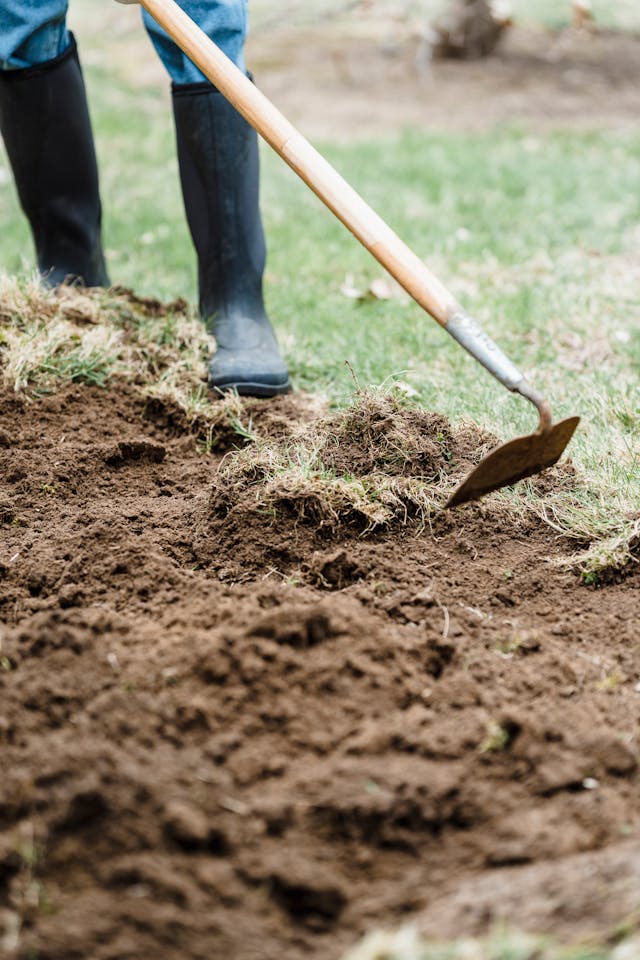
Once you understand your soil type, the next step is to give it space to breathe. Old weeds, stones, bits of plastic, and leftover roots don’t just clutter the soil—they block water movement, steal nutrients, and make it harder for new plants to settle in. Clearing these out creates a clean slate for healthy growth.
But loosening soil isn’t about aggression. It’s about gentle correction, not turning your garden upside down.
🌼 Natural Ways to Loosen Soil Without Harming It
- Choose hand tools over heavy machinery. A garden fork, broad fork, or hand hoe loosens soil while protecting beneficial organisms.
- Work to a depth of about 8–12 inches, which is enough for most plant roots to spread comfortably.
- Check soil moisture before you begin. If the soil sticks to your tools or forms a muddy mass, it’s too wet. Working wet soil leads to compaction that can last for years.
Proper loosening opens invisible pathways underground. Air reaches the roots, water travels evenly instead of pooling or running off, and young plants establish faster and stronger.
Think of this step as preparing a soft, welcoming bed for roots—because plants grow best when the soil beneath them feels alive, not suffocated.
🍂 Step 3: Add Organic Matter — The Living Core of Healthy Soil
If soil had a heartbeat, organic matter would be it 💚. This is what transforms lifeless dirt into fertile, breathing ground. Without organic matter, soil may look fine on the surface but remain hungry, compact, and unproductive underneath.
Organic materials break down slowly, feeding soil organisms that, in turn, feed your plants. This quiet exchange is what keeps gardens healthy without constant intervention.
🌱 Natural Sources of Organic Matter That Truly Work
- Well-rotted animal manure or composted dung, fully decomposed and odor-free
- Homemade kitchen compost, rich in everyday nutrients
- Leaf compost, created from fallen leaves and garden waste
- Vermicompost, packed with beneficial microbes
- Aged farmyard manure, never fresh or raw
Each of these improves soil in a slightly different way—but all of them increase life below the surface.
📏 How Much Organic Matter Is Enough?
For garden beds, spread 2–3 inches of compost and gently mix it into the top layer of soil. This is enough to improve structure without overwhelming the soil ecosystem.
For containers and raised beds, a balanced mix works best:
- 40% garden soil
- 40% organic compost
- 20% sand or cocopeat
This blend supports roots, holds moisture evenly, and prevents compaction.
Organic matter does more than feed plants—it improves soil texture, increases nutrient availability, and helps soil adapt to changing conditions. Over time, your garden becomes easier to manage, more resilient, and far more rewarding 🌿.
🌿 Step 4: Improve Soil Texture Naturally
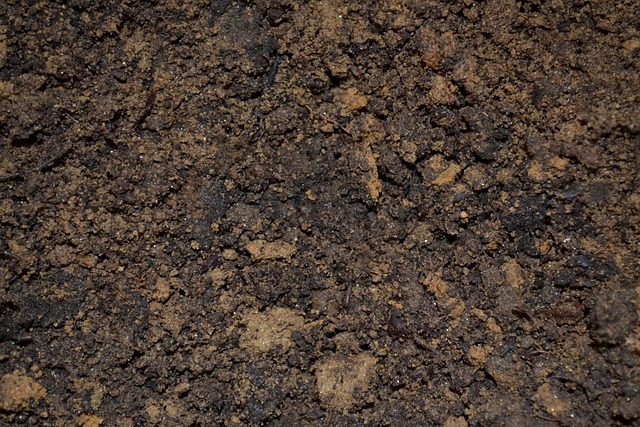
Not all soil problems are solved the same way. Texture—how soil feels and behaves—determines whether roots can spread, water can move, and nutrients can stay available. The key is to correct gently, based on what your soil needs most.
🧱 If You’re Working With Clay Soil
Clay soil holds nutrients well, but it struggles with airflow and drainage. When wet, it turns sticky; when dry, it hardens like brick.
- Blend in plenty of compost to loosen structure and improve airflow
- Add coarse materials like dried leaves, straw, or husks to create natural gaps
- Avoid adding sand alone—without organic matter, sand and clay can combine into a cement-like mass
Patience pays off with clay. Each season of organic additions makes it lighter and more workable.
🏖️ If You’re Working With Sandy Soil
Sandy soil drains quickly and warms fast, but it rarely holds nutrients or moisture for long.
- Add rich, heavy compost to increase water and nutrient retention
- Mix in leaf mold or well-decomposed manure to slow drainage
- Use mulch generously on the surface to reduce evaporation and protect soil life
With the right organic inputs, sandy soil becomes productive surprisingly fast.
🪨 If You’re Working With Rocky or Hard Soil
Rocky or compacted soil can feel discouraging, but it’s not hopeless—it just needs time.
- Remove stones gradually, not all at once
- Add compost repeatedly over multiple seasons rather than trying to fix everything in one go
- Grow cover crops or green manure plants to naturally loosen soil and add organic matter from below
Instead of fighting tough soil, let roots and microbes do the hard work for you.
Improving soil texture isn’t about perfection—it’s about progress. Small, consistent changes turn difficult soil into a healthy growing medium that improves year after year.
🌱 Step 5: Boost Soil Life with Natural Amendments
Healthy soil isn’t just dirt—it’s alive 🪴. Beneath the surface, millions of microorganisms are constantly at work, breaking down organic matter and making nutrients available to plant roots. The goal of natural soil preparation is to support this hidden workforce, not overwhelm it.
Natural amendments act like gentle nourishment rather than quick stimulants. Used correctly, they strengthen soil biology and improve plant health over time.
🌿 Natural Soil Boosters That Support Living Soil
- Vermicompost – Rich in beneficial microbes, it improves nutrient availability and encourages steady, balanced growth
- Neem cake – Adds nutrients while helping suppress soil-borne pests naturally
- Wood ash (used sparingly) – Provides potassium and trace minerals; best applied in small amounts and mixed well
- Organic bone meal – Supports strong root development and helps plants establish more quickly
⚖️ Balance Matters More Than Quantity
More is not always better. Overusing even natural amendments can disrupt soil balance and harm beneficial organisms. Apply lightly, observe how your soil responds, and adjust gradually.
Living soil thrives on diversity, moderation, and patience. When soil life is healthy, plants grow stronger on their own—requiring less intervention and rewarding you with consistent, resilient growth.
💧 Step 6: Water the Soil Correctly Before Planting
Watering isn’t just for plants—it’s for the soil itself. Giving your soil a deep, proper soak before planting helps settle organic matter, removes air pockets, and activates beneficial microbes that bring nutrients to life.
This step prepares the soil to welcome roots, rather than shocking them.
🌼 Best Watering Practices Before Planting
- Water deeply instead of lightly, so moisture reaches lower soil layers
- Allow the soil to rest for 24–48 hours after watering before planting—this helps nutrients stabilize
- Avoid waterlogging, which can suffocate soil organisms and damage structure
- In warm or hot weather, water early in the morning to reduce evaporation and protect soil moisture from heat
Proper pre-plant watering creates a calm, balanced environment underground. The soil settles, microbes wake up, and nutrients become available—so when plants go in, they start growing instead of struggling.
Think of this step as letting the soil catch its breath before the real work begins 🌱.
🌾 Step 7: Mulch to Protect and Enrich Soil
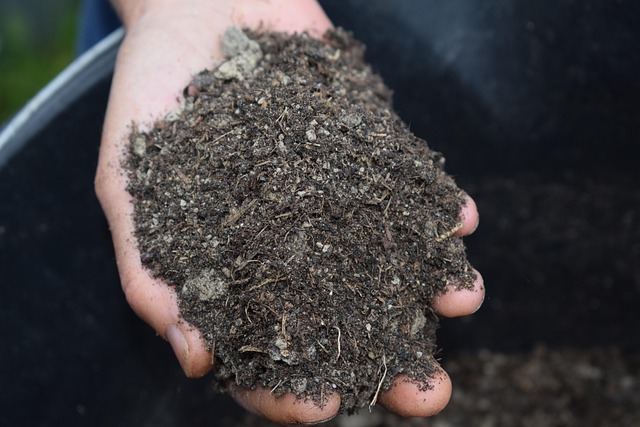
Mulching is one of the most overlooked garden practices—and one of the most powerful. A simple layer of organic material on the soil surface acts like a protective blanket, shielding the ground from harsh sun, heavy rain, and rapid moisture loss.
Left bare, soil dries out, hardens, and loses life. Mulch keeps it active, stable, and productive.
🍃 Natural Mulch Materials You Can Use
- Dry leaves, shredded if possible for even coverage
- Straw or dried stalks, ideal for vegetable beds
- Dry grass clippings, applied thinly to avoid matting
- Crop residues or plant waste, such as sugarcane trash or similar materials
These materials slowly break down, feeding the soil while they protect it.
🌿 Why Mulching Makes Such a Difference
- Reduces moisture evaporation, meaning less frequent watering
- Suppresses weed growth, limiting competition for nutrients
- Regulates soil temperature, keeping roots cooler in summer and warmer in cooler seasons
- Adds organic nutrients over time as mulch decomposes naturally
Apply mulch in a 2–3 inch layer, and always leave a small gap around plant stems to prevent rot.
Mulch doesn’t just cover soil—it cares for it. With consistent mulching, soil stays softer, richer, and easier to work with season after season 🌱.
🌸 Step 8: Let the Soil Rest Before Planting
After all the preparation, resist the urge to plant immediately. Giving the soil a short resting period allows everything you’ve added to settle, balance, and come alive. This pause is not wasted time—it’s a quiet but essential step.
Allow the soil to rest for 3–7 days so it can naturally adjust.
🌱 What Happens During This Resting Phase
- Microbial activity increases, helping convert organic matter into usable nutrients
- Nutrients stabilize, reducing the risk of root burn or imbalance
- Moisture spreads evenly, creating a consistent environment for young roots
When plants are added after this brief rest, they establish faster, experience less stress, and grow more steadily from the start.
Healthy soil needs a moment to settle into harmony. When you give it that time, it returns the favor with stronger growth and long-term resilience 🌿.
📊 Soil Preparation Problems & Natural Solutions
| Soil Issue | Why It Happens | Natural, Soil-Friendly Fix |
|---|---|---|
| Soil hardens after watering | High clay content causes particles to stick tightly together | Add compost regularly and keep soil covered with mulch to improve structure |
| Plants develop yellow leaves | Nutrients exist in soil but aren’t easily absorbed by roots | Mix vermicompost with neem cake to improve nutrient availability |
| Water drains away too quickly | Sandy soil lacks organic matter to hold moisture | Add leaf compost and well-decomposed manure to slow drainage |
| Roots fail to spread properly | Soil is compacted or lacks air spaces | Loosen soil deeply and incorporate organic matter over time |
| Soil heats up rapidly | Bare soil exposed to sun and wind | Mulch with dry leaves, straw, or plant residue to regulate temperature |
This chart highlights a key truth: most soil problems aren’t failures—they’re signals. When you respond with natural solutions instead of quick chemical fixes, the soil gradually corrects itself and becomes easier to manage every season.
📊 Plants That Thrive in Well-Prepared Natural Soil
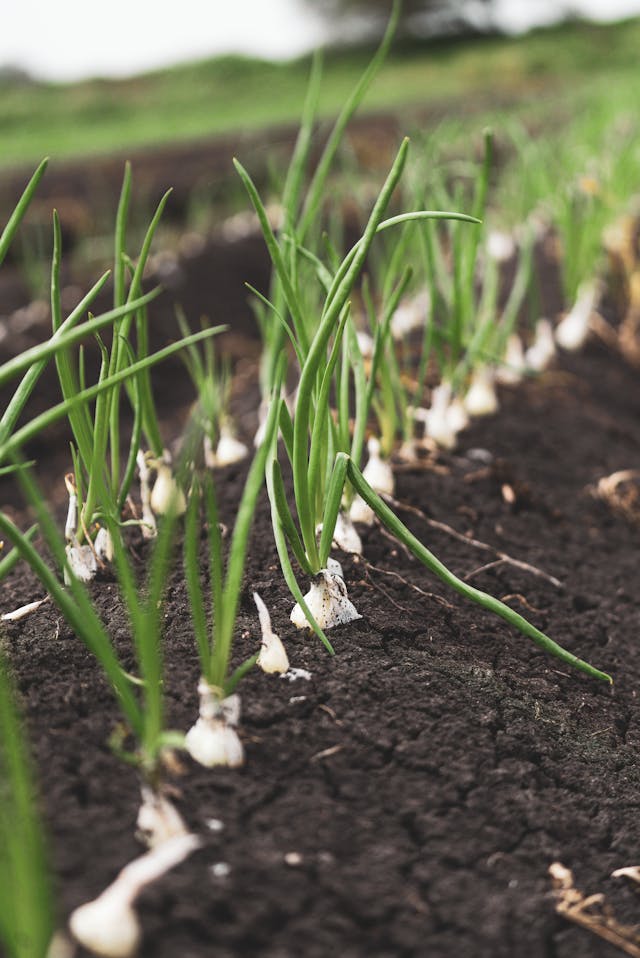
| Category | Plant Names |
|---|---|
| 🥬 Vegetables | Tomato, Eggplant (Brinjal), Chili, Bell Pepper, Okra, Cucumber, Zucchini, Pumpkin, Bottle Gourd, Bitter Gourd, Ridge Gourd, Beans (French, Runner, Pole), Peas, Spinach, Lettuce, Kale, Swiss Chard, Carrot, Radish, Beetroot, Turnip, Onion, Garlic, Leek, Cabbage, Cauliflower, Broccoli, Brussels Sprouts, Sweet Corn, Potato |
| 🌸 Flowering Plants (Annuals & Perennials) | Marigold, Zinnia, Cosmos, Petunia, Sunflower, Calendula, Phlox, Dianthus, Balsam, Pansy, Portulaca, Sweet Pea, Nasturtium, Verbena, Alyssum, Larkspur, Gaillardia, Coreopsis, Aster, Salvia, Hollyhock, Petunia, Geranium, Impatiens |
| 🌿 Herbs & Medicinal Plants | Basil, Holy Basil (Tulsi), Mint, Spearmint, Peppermint, Coriander (Cilantro), Parsley, Dill, Thyme, Oregano, Rosemary, Sage, Chives, Lemongrass, Bay Leaf, Fennel, Chamomile, Lavender, Stevia, Ashwagandha, Aloe Vera |
| 🍓 Fruit Plants & Small Fruits | Papaya, Banana, Lemon, Lime, Orange, Mandarin, Pomegranate, Guava, Fig, Strawberry, Blueberry, Raspberry, Blackberry, Mulberry, Passion Fruit, Pineapple, Kiwi, Dragon Fruit, Grapes |
| 🌳 Fruit Trees, Trees & Woody Perennials | Mango, Apple, Peach, Plum, Apricot, Pear, Avocado, Cherry, Coconut, Date Palm, Neem, Moringa, Curry Leaf Plant, Hibiscus, Bougainvillea, Rose, Jasmine, Frangipani, Oleander |
| 🌾 Cover Crops & Soil-Improving Plants | Clover, Alfalfa, Cowpea, Mustard, Fenugreek, Sun Hemp, Buckwheat, Rye Grass, Oats, Barley, Vetch, Lupin, Field Pea, Sesbania |
| 🌵 Succulents & Hardy Ornamentals | Aloe, Agave, Jade Plant, Snake Plant, Euphorbia, Kalanchoe, Sedum, Portulaca, Ice Plant |
| 🌱 Climbers & Creepers | Bottle Gourd, Pumpkin, Cucumber, Bitter Gourd, Ridge Gourd, Beans, Peas, Passion Flower, Morning Glory, Clematis |
🌍 Why This Wide Range Matters
A naturally prepared soil doesn’t limit choices—it multiplies them. From fast-growing vegetables to long-living trees, from herbs to ornamentals, healthy soil adapts to plant needs instead of forcing plants to adapt to poor soil..
🌿 Common Mistakes to Avoid When Preparing Soil Naturally
Even with the best intentions, a few small missteps can undo all the hard work you’ve put into soil preparation. Natural gardening isn’t about rushing results—it’s about allowing processes to unfold at their own pace.
🚫 Mistakes That Often Hold Gardens Back
- Adding fresh manure directly to soil, which can burn roots and disrupt microbial balance
- Overwatering newly prepared soil, leading to compaction and oxygen loss
- Applying chemical fertilizers immediately, which can shock living soil systems
- Skipping mulch, leaving soil exposed to heat, erosion, and moisture loss
- Planting right away without a resting period, preventing nutrients from stabilizing
Natural soil improves through rhythm, balance, and patience. When you avoid shortcuts and let the soil adjust naturally, it responds with healthier roots, stronger plants, and long-term productivity 🌱.
🌸 Final Thoughts
Preparing garden soil naturally isn’t a task you finish—it’s a relationship you grow into. Each time you improve the soil, you’re building trust with the earth. In return, it offers stronger roots, steadier growth, richer harvests, and plants that know how to thrive on their own 🌼.
Whether your garden lives in a single container, a raised bed, or an open patch of ground, natural soil preparation creates a foundation that endures. It works quietly below the surface, season after season, supporting life without demanding constant correction.
When you care for the soil with patience and respect, gardening stops feeling like work—and starts feeling like partnership.
“Soil doesn’t grow plants—care does. Feed the earth gently, and it will feed your garden generously.” 🌱

