Local parks aren’t just patches of green tucked between buildings—they are the quiet lifelines of our neighborhoods 🌿. They welcome early-morning walkers seeking calm, children chasing laughter, and elders finding rest under familiar trees. In crowded towns and fast-growing cities, parks offer something rare: space to breathe, move, and reconnect with nature.
Yet keeping these green spaces healthy is a constant challenge. Rising heat, erratic rainfall, compacted soil, and nonstop foot traffic—especially common across the Indian climate 🌞🌧️—slowly wear down park landscapes. Grass thins out, soil hardens, and plants struggle to survive.
The encouraging part? A thriving park doesn’t depend on costly chemicals or labor-intensive upkeep. With thoughtful, eco-friendly practices, local parks can stay lush, resilient, and welcoming year after year. From caring for the soil beneath our feet to creating cooling shade above, this guide explores natural, sustainable ways to keep park landscapes green—without fighting nature, but working alongside it.
🌱 Start from the Ground Up: Where a Green Park Truly Begins
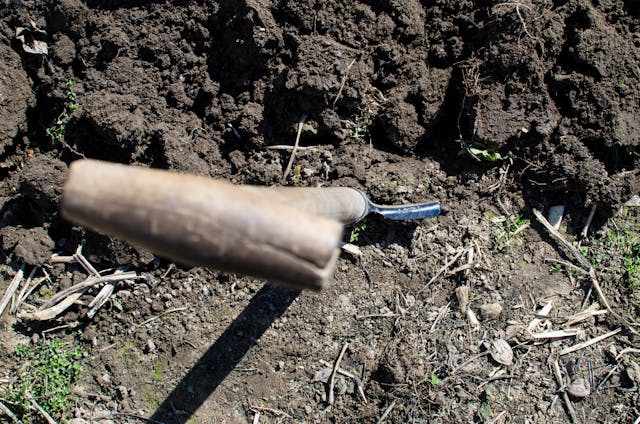
Every healthy park tells the same quiet story—it starts below the surface. Soil isn’t just dirt holding plants in place; it’s a living, breathing ecosystem that decides whether a park struggles or flourishes.
🌿 Improve Soil Structure—Gently and Naturally
In public parks, soil often suffers long before plants do. Constant walking, jogging tracks, gatherings, and play areas slowly compress the ground. When soil becomes compacted, roots can’t breathe, water can’t sink in, and grass begins to thin out.
Instead of harsh interventions, nature-friendly steps work best:
🍂 Add organic matter regularly
Well-decomposed compost or leaf mould loosens tight soil while feeding it at the same time.
🪵 Aerate without disturbing life
Manual or mechanical aeration creates breathing space for roots and soil organisms without turning the ground upside down.
🚫 Avoid frequent digging
Excessive digging disrupts earthworms, microbes, and fungal networks that quietly keep soil healthy.
🌾 Feed the Soil—Plants Will Follow
A common mistake in park maintenance is feeding plants directly while ignoring the soil beneath them. Healthy soil naturally nourishes everything growing above it.
Organic options suited to Indian conditions include:
♻️ Compost from park waste
Fallen leaves and grass clippings can be recycled into rich compost instead of being discarded.
🪱 Vermicompost for lasting fertility
It improves soil texture while supplying slow-release nutrients that don’t wash away.
🐄 Well-rotted cow dung manure
A traditional, climate-friendly choice that boosts microbial activity when used correctly.
When soil is alive and balanced, it holds moisture longer, resists erosion, and reduces the need for frequent watering 🌍. Strong roots grow deeper, lawns recover faster, and plants become naturally resilient—without chemical dependency.
💧 Smart Watering: Respecting Every Drop
In a country where water is becoming increasingly precious, how we water our parks matters just as much as how often we do it. Green landscapes don’t need endless watering—they need smart, thoughtful hydration that works with nature instead of against it.
🌊 Water Deeply, Not Constantly
Daily light sprinkling may look helpful, but it actually does more harm than good. Shallow watering trains roots to stay near the surface, making lawns and plants fragile during heat and dry spells.
A better approach is simple and effective:
⏱️ Water deeply 2–3 times a week
This allows moisture to reach deeper soil layers.
🌱 Encourage strong root systems
Deeper roots mean plants can access stored moisture even when surface soil dries out.
Over time, this method builds drought resilience and reduces overall water use.
🌧️ Capture the Gift of Rain
Rainwater is free, clean, and perfectly suited for plants—yet it’s often allowed to run off and disappear. Parks can turn rainfall into a long-term resource.
Rainwater harvesting systems help to:
💧 Recharge groundwater naturally
Restoring underground water levels benefits both parks and nearby communities.
🚰 Reduce dependence on municipal supply
Less pressure on city water systems, especially during summer shortages.
🌳 Support trees during dry months
Stored rainwater becomes a lifeline when monsoon clouds move on.
🍂 Mulch: Nature’s Moisture Shield
Mulching is one of the simplest yet most powerful tools for park landscapes. It protects the soil quietly while doing multiple jobs at once.
Use materials that are easily available:
🍁 Dry leaves, straw, bark, or wood chips
They form a protective layer over the soil.
🌞 Reduce evaporation and heat stress
Mulch keeps soil cooler during intense Indian summers 🔥.
🌱 Improve soil over time
As mulch breaks down, it feeds the soil and supports microbial life.
When watering is done wisely, parks stay greener with less effort, less waste, and more resilience—proving that sustainability begins with small, thoughtful choices.
🌿 Choosing Plants That Belong: The Secret to Low-Stress Greenery
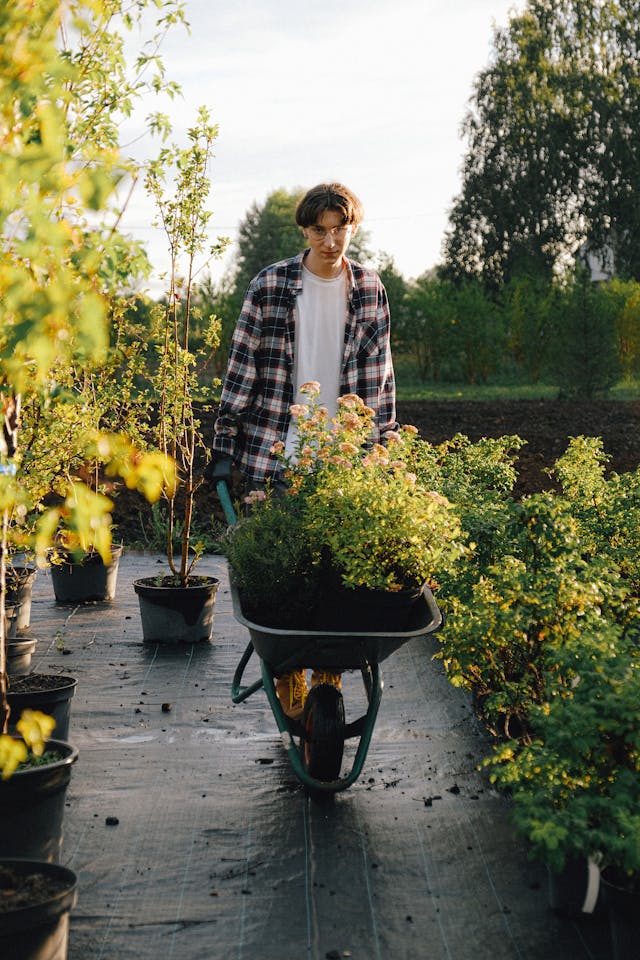
A park stays green not because it’s pampered—but because the plants growing there actually belong. Public spaces demand resilience. When the wrong plants are chosen, maintenance rises, water use increases, and greenery fades faster than expected.
🌱 Why Native Plants Make Better Park Citizens
Native plants have spent centuries learning how to survive local conditions. They understand the soil, the seasons, and the rhythm of regional rainfall—something exotic plants often struggle with.
When parks rely on native species, they gain natural advantages:
🌦️ Built for local weather
They tolerate heat waves, monsoon swings, and dry spells without constant care.
💧 Lower water demand
Because they evolved with local rainfall patterns, they rarely need extra irrigation.
🐞 Natural pest resistance
Native plants coexist with local insects instead of attracting destructive infestations.
For Indian park landscapes, trees and plants like neem, peepal, banyan, amaltas, hibiscus, and native grasses 🌾 offer shade, beauty, and strength without becoming maintenance burdens.
🌳 Layered Planting: Let Nature Do the Design
Nature never grows in straight lines or single layers—and parks shouldn’t either. Layered planting mimics natural ecosystems and brings balance to open spaces.
A healthy park landscape includes:
🌱 Groundcovers
They shield soil from erosion, suppress weeds, and retain moisture.
🌼 Shrubs
They add structure, seasonal color, and habitat for birds and pollinators.
🌳 Trees
They provide shade, reduce surface temperatures, and cool entire park zones naturally.
This layered approach does more than look beautiful—it improves biodiversity, stabilizes soil, and creates a park that feels alive rather than landscaped. When plants support one another, maintenance drops and resilience rises.
🌳 Shade: Nature’s Own Air-Conditioner
If soil is the foundation of a park, trees are its heartbeat. They soften harsh sunlight, clean the air we breathe, and turn open grounds into welcoming spaces—even during peak summer heat. A park without shade may look green, but it never truly feels comfortable.
🌲 Care for the Trees That Already Stand
Mature trees are priceless. They take decades to grow, yet are often removed for short-term convenience. Protecting existing trees should always be the first priority.
Simple, thoughtful care makes a big difference:
✂️ Prune with purpose
Regular, careful pruning improves safety and allows healthy growth without stressing the tree.
🌿 Heal, don’t harm
Treat cuts and wounds with tree-friendly, natural pastes instead of harsh chemicals.
🚫 Let roots breathe
Avoid cementing or paving over tree bases—roots need air, water, and space to stay strong.
When old trees are respected, they continue to provide shade, shelter, and stability for generations.
🌴 Plant Shade Where People Need It Most
New trees should be planted with intention, not randomly. Strategic placement multiplies their benefits.
Plant shade-giving trees along:
🚶 Walking paths
So morning walkers and joggers stay cool and comfortable.
🛝 Playgrounds
To protect children from harsh sun exposure.
🪑 Seating areas
Creating natural resting spots for elders and families.
Well-placed trees reduce heat stress not just for visitors, but also for lawns, soil, and surrounding plants 🌞➡️🌳. Over time, they lower ground temperatures and make parks usable throughout the year—not just in winter.
🐝 A Living Park Needs Life—Not Just Green Color
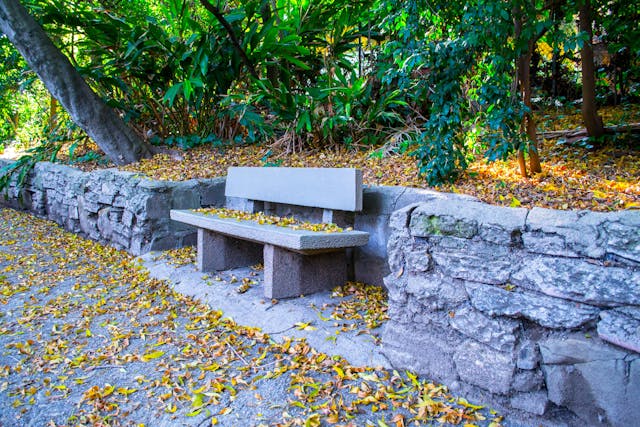
A park isn’t truly green just because the grass looks neat. Real greenery moves, flutters, sings, and buzzes 🦋. Birds at dawn, butterflies drifting between flowers, and insects quietly working in the soil are signs of a healthy, balanced park ecosystem.
🌼 Create Gentle Habitat Zones
Instead of treating parks as uniform lawns, allow nature to settle into small, welcoming corners. These micro-habitats invite life without disrupting public use.
Simple additions can transform the landscape:
🌸 Flowering patches for pollinators
Native flowering plants provide nectar for bees and butterflies throughout the year.
🌿 Bushes and hedges for nesting birds
Dense shrubs offer shelter, safety, and breeding space away from heavy foot traffic.
💧 Shallow water bowls
Placed in shaded areas, they help birds and beneficial insects survive hot days.
These small zones quietly support biodiversity while making parks feel more natural and alive.
🚫 Say No to Chemical Sprays
Chemical pesticides don’t choose sides. While they target pests, they also wipe out the insects that keep ecosystems balanced.
Natural alternatives work with nature, not against it:
🌱 Neem-based sprays
Effective, biodegradable, and safe for most beneficial insects when used correctly.
🧼 Mild soap-water solutions
Helpful for managing aphids and soft-bodied pests without long-term harm.
🐞 Invite natural predators
Birds, ladybugs, and beneficial insects naturally control pest populations when given safe habitats.
When biodiversity is allowed to thrive, pest problems reduce on their own, and park landscapes become more resilient, stable, and self-sustaining.
🚶 Sharing Green Spaces Without Hurting Them

Parks exist for people—to walk, play, rest, and breathe. But without realizing it, even well-meaning visitors can slowly damage the landscapes they love. Thoughtful design and gentle guidance can protect parks without restricting enjoyment.
🛤️ Guide Movement, Don’t Fight It
When pathways aren’t clear, people naturally create their own routes—often across grass, roots, and fragile soil. Over time, this repeated trampling compacts soil and weakens plants.
Smart pathway planning makes a big difference:
🚶♂️ Create visible walking tracks
Clear routes naturally encourage people to stay on paths.
🪨 Use natural materials
Stone, gravel, or compacted earth blend with the landscape while staying durable.
🌱 Protect lawns and tree roots
Defined paths prevent unnecessary damage to green areas and underground root systems.
Well-designed paths guide foot traffic quietly—without the need for constant supervision.
📢 Build Awareness, Not Rules
People care more when they understand why something matters. Simple, friendly signboards can turn visitors into caretakers.
Effective messages include:
🌸 “Please don’t pluck flowers”
Preserving beauty for everyone.
🚶 “Use pathways to protect grass and roots”
Explaining the reason encourages cooperation.
🌿 “Help keep the park green”
A shared responsibility message works better than warnings.
When communities feel included, respect for nature grows naturally 🌱. Education doesn’t just protect landscapes—it builds long-term care, pride, and connection.
🔄 Turning Park Waste into Park Strength
Every day, parks quietly produce organic waste—fallen leaves, trimmed branches, and fresh grass clippings. What often gets treated as rubbish is actually a valuable resource waiting to be reused.
♻️ Close the Loop with On-Site Composting
Instead of sending green waste away, parks can recycle it right where it belongs—back into the soil.
Practical composting steps include:
🌿 Set up compost pits in low-use corners
Unused or shaded areas can easily host composting zones without affecting visitors.
🌱 Return nutrients to the landscape
Finished compost enriches flower beds, lawns, and tree bases with slow-release nourishment.
💰 Cut waste handling costs
On-site composting reduces transport and disposal expenses while improving soil health.
This simple practice completes nature’s nutrient cycle ♻️—nothing is wasted, and everything returns to the ground stronger than before. Over time, soils become richer, plants grow healthier, and parks depend less on outside inputs.
📊 Park Landscape Problems & Natural Solutions
| Park Landscape Issue | Visible Symptoms | Root Cause (Natural) | Eco-Friendly Solution | Long-Term Benefit |
|---|---|---|---|---|
| Patchy or thinning grass | Bare spots, uneven lawn texture | Soil compaction from walking, jogging, events | Manual/mechanical aeration + compost top dressing | Strong root spread and uniform lawn recovery |
| Hard, cracked soil | Surface cracks, poor water absorption | Heat stress and organic matter loss | Organic mulch (dry leaves, straw, bark) | Cooler soil and improved moisture retention |
| Yellowing plants | Pale leaves, slow growth | Nutrient deficiency and low microbial activity | Vermicompost or diluted compost tea | Greener foliage and healthier plant growth |
| Frequent pest attacks | Leaf damage, visible insects | Ecosystem imbalance and chemical residue | Neem oil sprays + bird-friendly habitat | Natural pest control without chemical dependency |
| Standing water after rain | Puddles, soggy lawns | Poor drainage and compacted soil layers | Sand + compost soil conditioning | Improved drainage and healthier roots |
| Trees drying in summer | Wilting leaves, dry branches | Shallow roots caused by surface watering | Deep watering + thick mulching at base | Heat-resilient trees with deeper root systems |
| Excess weed growth | Weeds overtaking lawns & beds | Bare soil and disturbed ground | Mulching + dense native planting | Weed suppression and soil protection |
| Soil erosion on slopes | Exposed roots, soil runoff | Heavy rain and lack of ground cover | Native grasses and groundcovers | Stabilized soil and reduced erosion |
| Poor flowering | Few blooms, short flowering period | Low pollinator presence | Native flowering plants + water bowls | Improved pollination and longer bloom cycles |
| High water consumption | Frequent watering required | Shallow roots and poor soil structure | Deep watering + compost-rich soil | Reduced water use and drought tolerance |
his problem–solution chart helps park caretakers identify issues quickly and act naturally, without guesswork or chemical dependency 🌿.
🌍 When Communities Care, Parks Flourish
A park stays green not because it’s maintained—but because it’s loved. No matter how well-designed a landscape is, it thrives best when the people around it feel connected to it. Green spaces are shared gifts, and caring for them works best as a shared responsibility.
🤝 Invite People to Become Park Guardians
When communities are involved, parks stop being “public property” and start feeling like home. Simple initiatives can turn everyday visitors into long-term caretakers.
Meaningful ways to encourage participation include:
🌳 Tree adoption programs
Families, schools, or local groups take responsibility for watering and monitoring specific trees, creating a sense of pride and ownership.
🧹 Weekend clean-up drives
Short, friendly events bring neighbors together while keeping the park clean and welcoming.
🎒 School awareness activities
Nature walks, planting days, and eco-education sessions help children build respect for green spaces from an early age.
When people feel emotionally connected to a park, they don’t just use it—they protect it 🌱. Community care reduces vandalism, improves maintenance, and turns parks into living symbols of cooperation and shared well-being.
🌼 Green Parks Are Living Legacies
Keeping a local park green is never about chasing perfection. It’s about listening to nature and responding with care. When soil is nourished instead of forced, when water is respected instead of wasted, and when plants are chosen for resilience rather than appearance, landscapes begin to sustain themselves.
In a world increasingly shaped by concrete and congestion, parks quietly remind us of another way to live. They teach patience through slow-growing trees, balance through shared ecosystems, and responsibility through collective care 🌱.
A green park is not just a place we visit—it is a legacy we leave behind.
“A park doesn’t stay green because it is maintained—it stays green because it is understood.” 🌳

