

A garden can be filled with many plants, colors, and textures, but when roses begin to bloom, the space feels different. The air seems softer, the atmosphere calmer, and the garden suddenly feels more alive. Roses don’t just add beauty—they bring emotion. Their fragrance drifts quietly, their petals catch the early light, and their presence gently tells you that this garden is cared for, noticed, and loved.
In Indian homes, roses hold a place that goes beyond decoration. They appear in prayers, festivals, weddings, and everyday moments of joy. A rose plant on a balcony, near a doorway, or in a backyard bed becomes part of daily life. It connects tradition with beauty and routine with celebration, making even small spaces feel special.
What truly makes roses the heart of a beautiful garden is how deeply they respond to care. They grow with patience, reward attention, and adapt gracefully to Indian conditions. Even beginners find themselves drawn to roses, learning through each new bud and bloom. Roses don’t demand perfection—they simply reflect the love given to them, which is why they continue to hold the center of our gardens, season after season. 🌹
🌸 Roses: A Perfect Blend of Beauty and Emotion
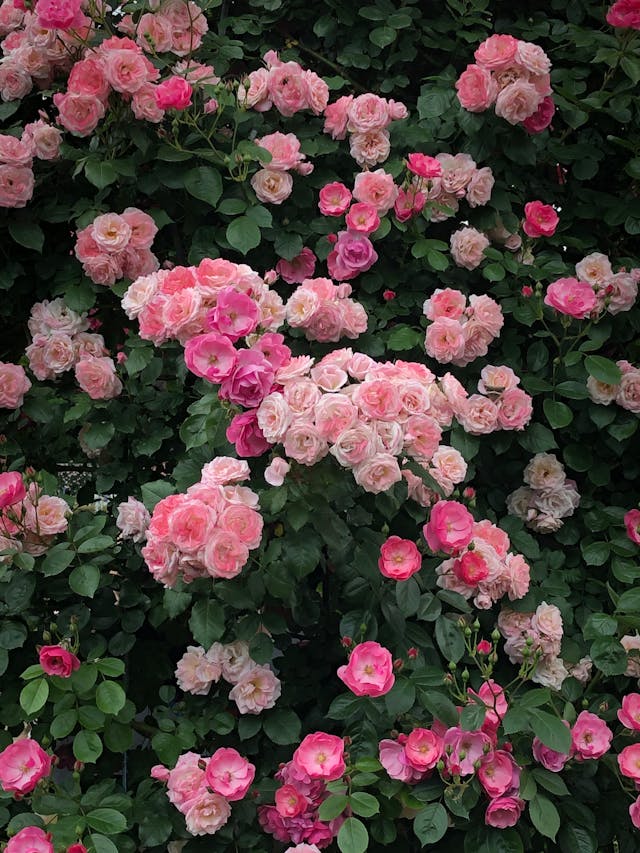
Roses have a rare gift—they communicate feelings without needing words. A single bloom can express love, gratitude, comfort, or remembrance, depending on the moment. When roses grow in a garden, they add emotional warmth that goes far beyond visual beauty. Their presence makes the space feel personal and alive.
Each rose color quietly shapes the mood of the garden.
Red roses represent love, passion, and inner strength ❤️
Pink roses soften the surroundings with grace and gentle affection
Yellow roses bring happiness, warmth, and the joy of friendship
White roses create a sense of peace, purity, and calm
When these colors bloom together, the garden becomes more than a green space. It turns into a place filled with feeling—where every rose adds its own emotion, and the garden begins to speak straight to the heart. 🌹
🌹 Why Roses Deserve the Center Stage in Your Garden
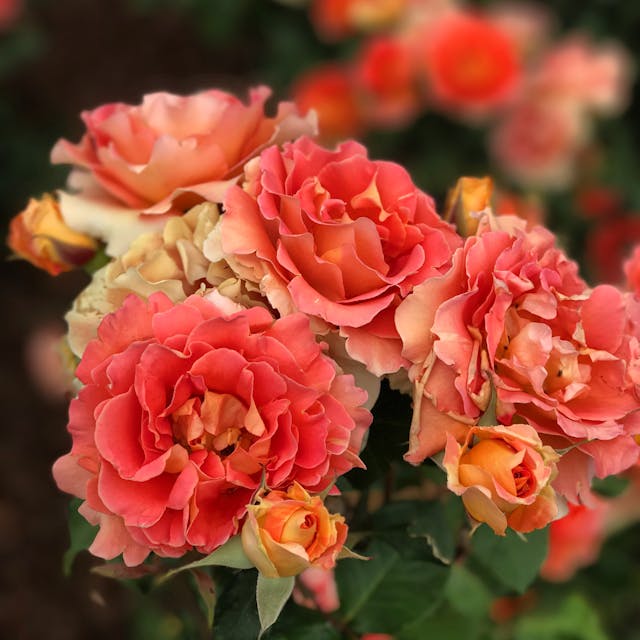
Some plants quietly support a garden, while others define it. Roses belong to the second kind. Their presence naturally pulls attention, sets the mood of the space, and gives the garden a sense of purpose and elegance. This is why, no matter the size or style of a garden, roses often stand at the center.
🌹 Unmatched Visual Impact
Roses naturally draw the eye, even without trying. Their layered petals, rich colors, glossy leaves, and upright stems give them a presence that stands out among other plants. Planted along pathways, near entrances, or displayed in containers, roses instantly make a garden feel intentional and refined. They don’t just blend in—they become the focal point.
🌞 Long Blooming Season
One of the biggest reasons roses earn their central place is how generously they bloom. With the right care, roses flower again and again—from late winter through summer, and often once more after the monsoon in many parts of India. While most flowering plants come and go quickly, roses stay, rewarding patience with repeated bursts of color and fragrance.
🌱 Perfect for Any Space
Roses don’t demand large landscapes to shine. They adapt beautifully to different garden sizes and layouts:
- Miniature roses thrive in balconies and small corners
- Bush roses fill garden beds with fullness and color
- Climbing roses transform walls, railings, and pergolas
- Potted roses fit perfectly on terraces and patios
No matter how limited or spacious your garden is, roses find their place—and once planted, they often become the star around which everything else revolves. 🌹
☀️🌹 Roses and the Indian Climate: A Natural Match
Many gardeners feel roses are difficult to grow, but the truth is quite the opposite. India’s climate suits roses beautifully, which is why they thrive in so many regions with the right basic care. Once their needs are understood, roses become surprisingly cooperative plants.
Roses grow best when a few simple conditions are met. They love bright sunlight and perform well with about five to six hours of direct sun each day. The soil should be loose, well-drained, and enriched with organic matter so roots can breathe and grow freely. Watering doesn’t need to be frequent—deep, thorough watering works far better than daily light splashing.
From the cool winters of North India to the warmer, milder seasons of the South, roses adjust gracefully. With small changes in care based on local weather, they continue to bloom reliably, proving that roses and the Indian climate are, in fact, a natural match. 🌹
🌱 The Life Lessons Roses Teach Gardeners
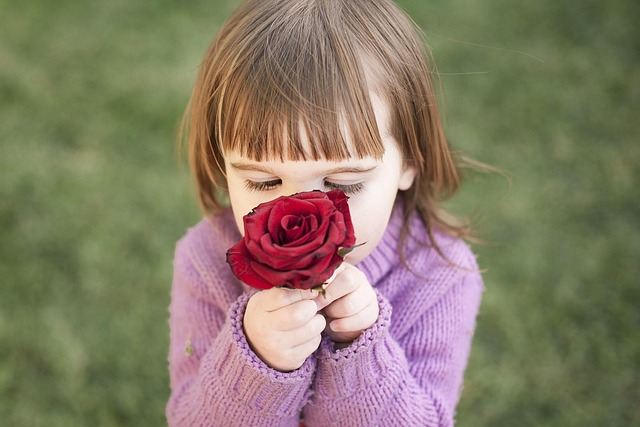
Roses are more than flowering plants—they quietly teach valuable lessons to those who care for them. Growing roses is not about rushing results; it’s about learning to slow down and observe.
They teach patience, as every bud takes its own time before opening into a bloom. They show resilience by returning stronger after hard pruning or difficult weather. And they remind us of balance—because too much water, fertilizer, or attention can do more harm than good.
A rose garden gently proves that success doesn’t come from perfection. It comes from consistent care, understanding limits, and allowing growth to happen naturally—both in the garden and within ourselves. 🌹
🌼🌹 Fragrance: The Invisible Beauty of Roses
Many modern plants are chosen mainly for how they look, but roses offer something that goes beyond visual beauty—their fragrance. The scent of roses spreads naturally through the garden, without needing attention or effort. Early mornings among blooming roses are especially memorable, when cool air carries a soft, earthy sweetness that feels both refreshing and comforting 🌬️🌹.
This fragrance does more than please the senses. It gently attracts bees and butterflies 🦋, helping to support a healthy garden ecosystem. At the same time, the aroma creates a calming environment that encourages slower movement and quieter thoughts. For many gardeners, the scent of roses becomes part of daily relaxation, making the garden a space for meditation, reflection, and emotional balance. Roses may first be admired with the eyes, but it is their fragrance that lingers long after you leave the garden. 🌹
🐝 Roses Support Garden Life
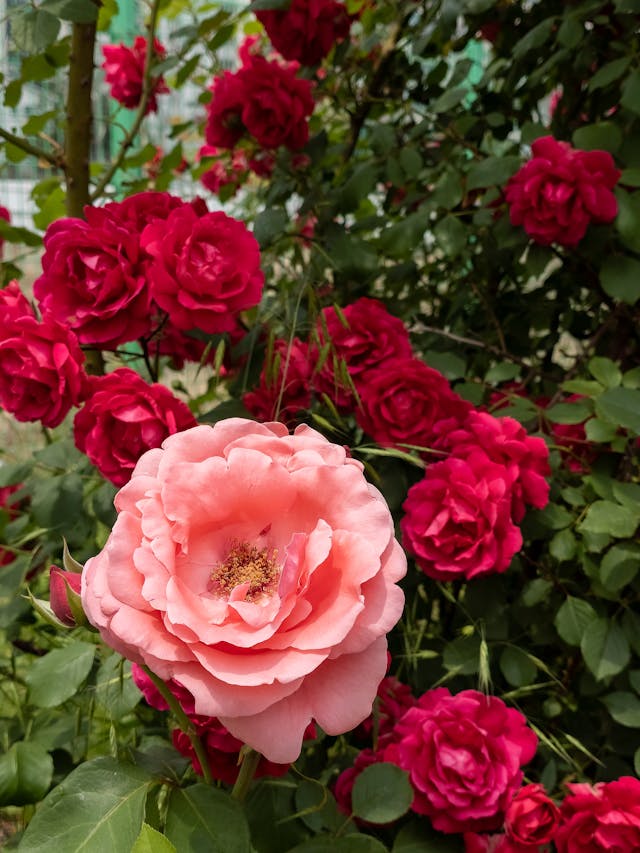
Roses may look delicate, but they play an active role in supporting life in the garden. Their open blooms provide nectar and pollen that attract pollinators such as bees and butterflies, helping nearby plants thrive through natural pollination.
Beyond insects, rose bushes also offer shelter. Their dense foliage creates safe resting spots for beneficial insects, while birds often use rose plants as temporary cover from heat and predators. Over time, a rose garden grows into more than a visual feature—it becomes a small, living ecosystem, quietly adding movement, balance, and vitality to the entire space. 🌿🌹
✂️🌹 Roses Respond Beautifully to Care
One of the most rewarding things about growing roses is how clearly they respond to care. Unlike many plants that grow quietly in the background, roses show their appreciation openly. Every small effort made for them reflects back in visible growth and healthier blooms.
Regular pruning encourages fresh shoots and stronger branches, leading to more flowers. Proper feeding improves bloom size, color, and overall plant strength, while mulching helps keep the roots cool and the soil moist, especially in warmer months. When roses are cared for with consistency and understanding, they respond generously—rewarding the gardener with fuller plants, brighter flowers, and repeated blooms that make the effort feel truly worthwhile. 🌹
🧩🌹 Rose Care Challenges & Smart Solutions (Problem–Solution Chart)
Roses often communicate their problems through leaves, buds, and growth patterns. When these signals are understood early, most issues can be corrected without stress. This detailed chart breaks down common rose-growing challenges and offers practical, garden-friendly solutions.
| Rose Growing Problem | Why It Happens | Clear Signs to Notice | Smart Garden Solution |
|---|---|---|---|
| Rose buds dry and fall | Heat stress or inconsistent watering | Buds turn brown, shrink, and drop before opening | Water deeply in the early morning, avoid midday watering, and add organic mulch to keep roots cool |
| Healthy leaves but very few flowers | Excess nitrogen fertilizer | Lush green growth with minimal blooms | Reduce nitrogen-heavy feeds and switch to balanced or bloom-promoting fertilizer |
| Yellowing leaves from bottom | Poor drainage or overwatering | Leaves turn yellow and drop gradually | Improve soil drainage, loosen soil, and water only when topsoil feels dry |
| Yellow leaves with green veins | Iron or nutrient deficiency | New leaves look pale while veins stay green | Add compost or chelated micronutrients and improve soil health |
| Black spots on leaves | High humidity and fungal infection | Black circular spots that spread quickly | Remove affected leaves, improve air circulation, and spray neem oil regularly |
| White powder on leaves | Fungal mildew due to poor airflow | Powdery white coating on leaves and stems | Prune crowded branches and spray neem oil or baking soda solution |
| Weak flowering after pruning | Incorrect pruning time or method | Thin stems and delayed blooms | Prune in late winter or after monsoon using clean, sharp tools |
| Buds eaten or damaged | Aphids, thrips, or caterpillars | Sticky residue or holes in buds | Spray neem oil or mild soap solution weekly and inspect plants closely |
| Stunted growth | Compacted soil or root stress | Slow growth despite care | Loosen soil, repot if needed, and add organic compost |
| Leaves curling inward | Heat stress or pest activity | Leaf edges curl and dry | Provide afternoon shade and inspect undersides of leaves for pests |
With timely observation and simple corrections, roses become far easier to grow than their reputation suggests. Once their needs are balanced, they respond generously—proving that roses thrive best with understanding, not perfection 🌿🌹
🌹 Roses in Everyday Indian Life
Roses are deeply woven into Indian culture, not as rare or formal flowers, but as part of everyday living. They are offered in temples during prayers and rituals, symbolizing devotion and purity. In homes and communities, roses appear in garlands for weddings, festivals, and celebrations, marking moments of joy, respect, and togetherness.
Beyond ceremonies, roses are grown lovingly in home gardens, balconies, and courtyards. Many households nurture rose plants not just for decoration, but for daily use—plucking fresh blooms for prayer rooms or simply enjoying their presence each morning. A garden without roses often feels incomplete, like a space missing warmth and emotion. Their blooms quietly connect tradition, beauty, and daily life, making roses more than flowers—they become a living part of the home itself. 🌹
🌸 Roses Create a Sense of Arrival
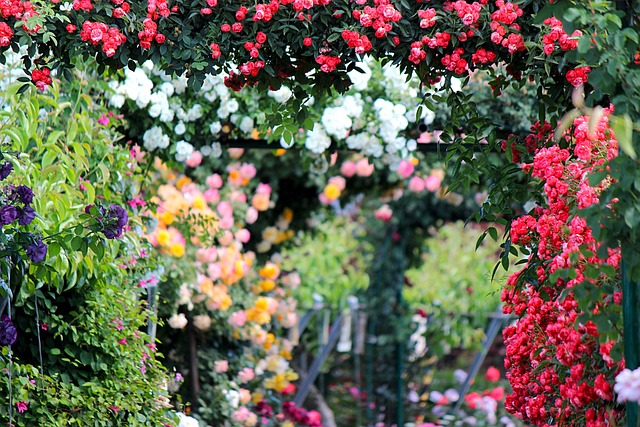
Roses have a unique ability to announce a space before anything else does. When planted near gateways, they gently welcome visitors with color and fragrance, creating a warm first impression the moment someone enters the garden.
Placed along walkways, roses guide movement and slow the pace, encouraging people to notice their surroundings. Near seating areas, they add comfort and charm, making the space feel intentional and inviting. Together, these placements give the garden a sense of arrival—as if it has opened its arms. Roses don’t just mark locations; they make the garden feel complete, lived-in, and thoughtfully designed. 🌹
🌱🌹 Beginners Can Grow Roses Too!
Contrary to popular belief, roses are not difficult plants reserved for expert gardeners. With a few basic conditions in place, even beginners can grow healthy, blooming roses. Loose, fertile soil allows roots to grow freely, adequate sunlight helps buds develop properly, and avoiding overwatering prevents most common problems.
The key is to start simple. Choose hardy rose varieties, observe how your plant responds to care, and make gentle adjustments rather than drastic changes. As new buds appear and flowers open, confidence naturally grows. Gardening success with roses often becomes a turning point—once you grow roses well, many other plants begin to feel easier too. 🌹
🌹 Why No Garden Feels Complete Without Roses
Roses bring together everything a garden hopes to offer. They carry beauty that catches the eye, fragrance that stays in memory, emotion that connects to moments, and longevity that rewards patience. Beyond all this, they hold cultural meaning that feels familiar and deeply rooted, especially in Indian homes.
What makes roses truly special is how they grow alongside us. They respond to care, adjust with seasons, and bloom in their own time—not when rushed or forced. As years pass, rose plants mature just like the gardeners who tend them, becoming stronger, more generous, and more expressive. That’s why roses don’t merely decorate a garden. They shape its identity, anchor its emotions, and quietly become its living heart ❤️
🌿 A garden may change with seasons, but roses give it a soul that stays.
🌿 Final Thought
A rose never blooms to impress anyone—it blooms because it has been understood, cared for, and given time. In that quiet response lies its lesson. Roses remind us that growth isn’t forced by effort alone, but shaped by patience, balance, and attention.
When we care gently and consistently, beauty follows naturally. Just like roses, love grows strongest where it is noticed, nurtured, and allowed to unfold in its own time 🌹
A rose doesn’t ask for perfection—only presence. When tended with attention and time, it gives back more than blooms. It gives meaning to the space it grows in ❤️

