
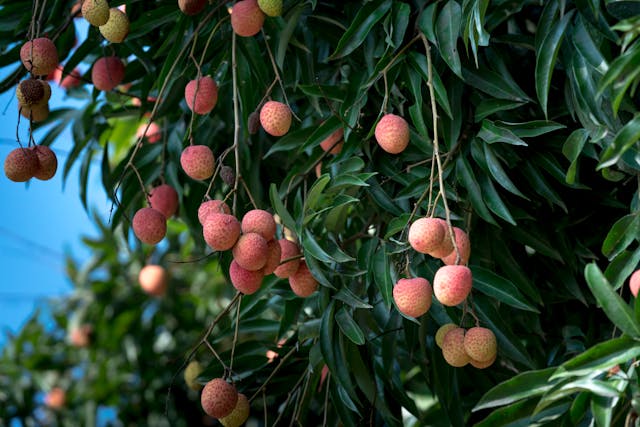
Growing fruit trees organically isn’t just about saying no to chemicals—it’s about choosing a slower, more thoughtful way of gardening. It means observing how nature works, supporting it where needed, and trusting that healthy systems produce healthy harvests 🌍. Whether your fruit tree grows in a modest backyard corner or across a small home orchard, organic care creates a relationship rather than a routine.
When fruit trees are nurtured naturally, the benefits show up everywhere—richer soil underfoot, fruits that taste fuller and more honest, food you feel confident feeding your family, and a garden that hums quietly with life. Birds, insects, microbes, and roots all begin to work together instead of competing.
In this guide, we’ll walk through organic fruit tree care from planting to harvest—not as strict rules, but as practical, earth-friendly habits. These methods are gentle on the environment, easy on the budget, and proven through experience rather than shortcuts 🌿✨.
🌞 Why Organic Fruit Tree Care Is Worth Choosing
Organic fruit tree care isn’t about chasing quick results—it’s about building something that lasts. Instead of forcing growth with instant fixes, it focuses on strengthening the foundation: living soil, balanced ecosystems, and trees that grow at their natural pace. Over time, this approach creates orchards that are resilient, productive, and surprisingly low-stress to manage.
One of the first things gardeners notice is the difference in taste. Fruits grown organically often develop deeper flavors and better texture because the tree absorbs nutrients slowly and steadily, not in artificial bursts. Nutrition improves too—not because of labels, but because healthy soil feeds the tree in a more complete way.
Organic care also protects the quiet helpers of your garden. Bees, birds, butterflies, and beneficial insects aren’t pushed away—they’re welcomed. Their presence keeps pests in check naturally and turns your garden into a living, breathing system rather than a controlled space.
Then there’s peace of mind. Harvesting fruits without worrying about chemical residues makes organic care especially meaningful for families. And over the years, as soil improves and trees become stronger, expenses often drop. Fewer purchased inputs, fewer problems to fix, and less dependency on store-bought solutions.
“Healthy soil grows healthy trees, and healthy trees grow delicious fruits.” 🌳🍒
Organic fruit tree care isn’t harder—it’s wiser. It trades speed for stability, and in return, it gives you fruit that feels as good as it tastes.
🌳 Choosing the Right Fruit Tree: The First Organic Decision That Matters
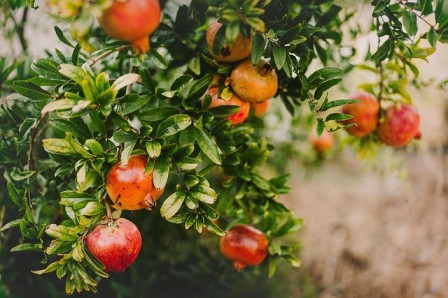
Organic fruit tree care doesn’t start with compost or sprays—it starts with choice. Selecting a tree that naturally fits your climate and soil saves years of struggle later. When the tree belongs where it’s planted, organic care feels intuitive instead of exhausting.
🌞 Climate & Location Come First
Every fruit tree carries the memory of the climate it evolved in. Respecting that makes all the difference.
In tropical regions, trees like mango, guava, and papaya thrive with minimal intervention, growing vigorously in warmth and humidity. Subtropical areas support citrus and pomegranate beautifully, especially where winters are mild but distinct. Cooler, temperate zones suit apples, pears, and peaches—trees that actually need a touch of winter chill to perform well.
Trying to grow a climate-mismatched tree organically often leads to constant problems. The right tree, on the other hand, grows confidently with far less effort.
🌿 Disease Resistance Is an Organic Shortcut
Some varieties are simply tougher than others. Choosing naturally disease-resistant fruit trees dramatically reduces the need for treatments later on. Fewer diseases mean fewer sprays, less stress, and a healthier garden overall. In organic gardening, prevention through selection is always easier than correction.
🌱 Why Rootstock Deserves Attention
Rootstock is often overlooked, but it quietly controls how well a fruit tree handles local soil, pests, and moisture conditions. A strong, locally adapted rootstock helps the tree establish faster, resist soil-borne issues, and remain stable for years. Above-ground beauty means little if the roots aren’t prepared for what lies below.
Organic gardening rewards patience and foresight. When the right tree meets the right place, half the work is already done—and the rest becomes a joy rather than a battle 🌼.
🌱 Preparing Healthy Soil—the Quiet Foundation of Every Fruit Tree
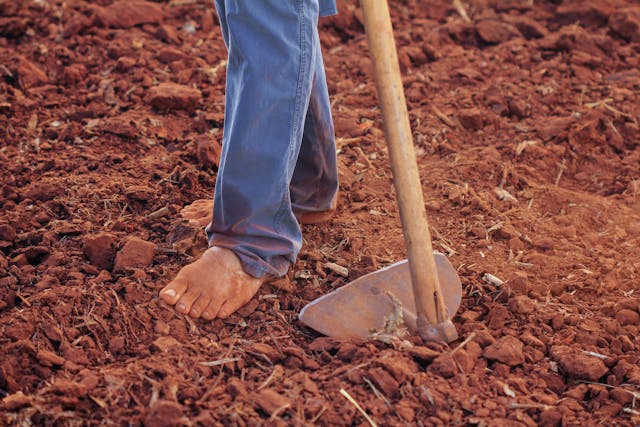
Strong fruit trees are built from the ground up. Long before flowers appear or fruits form, everything depends on what’s happening below the surface. Healthy soil isn’t just dirt—it’s a living system, and organic gardening begins by feeding that life.
🌿 Feeding the Soil, Not Just the Tree
Instead of quick-release inputs, organic soil enrichment focuses on slow, steady nourishment. Well-rotted farmyard manure or mature compost improves soil structure while releasing nutrients gently over time. Vermicompost adds a surge of microbial life, helping roots absorb nutrients more efficiently. Neem cake does double duty—feeding the soil while quietly discouraging soil-borne pests.
These materials don’t force growth. They support it, allowing fruit trees to grow at a natural, balanced pace.
🪱 Bringing the Soil to Life
Living soil is the secret weapon of organic gardens. When organic matter is added regularly, earthworms return, beneficial microbes multiply, and helpful fungi spread through the root zone. These unseen workers break down nutrients, improve aeration, and form natural partnerships with tree roots—making nutrients available exactly when the tree needs them.
A tree growing in living soil is more resilient, more productive, and far less prone to stress.
🌾 Mulching: The Protective Blanket
Mulching is one of the simplest yet most powerful organic practices. A layer of dry leaves, straw, or grass clippings spread around the base of the tree acts like insulation for the soil.
Mulch helps the ground stay cool and moist, suppresses weeds that compete for nutrients, and protects soil life from extreme heat. Over time, it slowly breaks down, returning organic matter back to the earth—completing a quiet, self-sustaining cycle.
Healthy soil doesn’t happen overnight. But when it’s nurtured patiently, it rewards you for years—with stronger trees, better harvests, and fewer problems to fix later 🌳🍎.
💧 Watering Fruit Trees the Organic Way
Watering looks simple on the surface, but for fruit trees, it’s one of the most misunderstood parts of care. Too little water weakens roots, but too much can quietly do more damage than drought. Organic watering is less about frequency and more about listening to the soil.
🚿 Water Deep, Not Often
Fruit trees benefit most from deep, slow watering that encourages roots to grow downward rather than hover near the surface. Shallow, frequent watering trains roots to stay weak and exposed, making trees more vulnerable to heat and stress. A thorough soak, followed by time for the soil to partially dry, builds stronger, more resilient root systems.
Early morning is the ideal time to water. Cooler temperatures reduce evaporation, and leaves have time to dry as the day warms—lowering the risk of fungal problems.
Just as important is knowing when to stop. Waterlogged soil pushes oxygen out of the root zone, and roots that can’t breathe eventually fail. Good drainage and restraint matter as much as moisture.
🌧️ The Hidden Power of Rainwater
Rainwater is one of the most overlooked gifts to an organic garden. It’s naturally soft, free from chemical salts, and perfectly suited for soil life. Collecting and using rainwater not only saves resources—it keeps soil biology healthy and active.
When watering supports soil life instead of disrupting it, fruit trees respond with steady growth, stronger flowering, and more reliable harvests 🌳💦.
🌿 Feeding Fruit Trees Naturally—Without Overdoing It
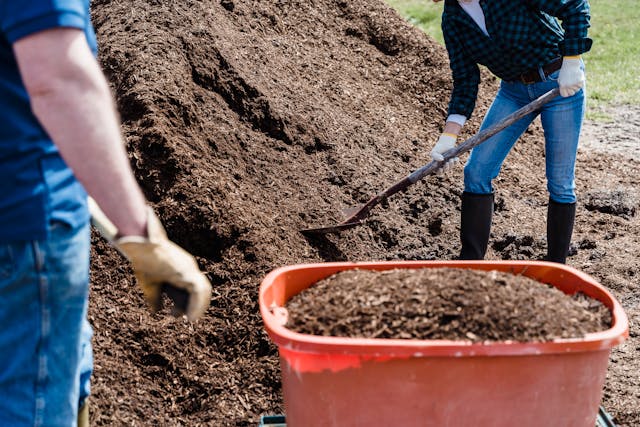
Fruit trees don’t need constant feeding, but they do need consistent nourishment. Organic nutrition is about providing a steady, balanced supply rather than quick bursts that fade fast. When trees are fed gently, they grow stronger, flower better, and carry fruit without stress.
🌾 Slow, Natural Sources That Build Strength
Organic fertilizers work in rhythm with the soil. Compost and vermicompost improve structure while releasing nutrients gradually. Cow dung slurry offers a mild, easily absorbed boost during active growth. Neem cake nourishes the soil while quietly discouraging pests beneath the surface.
For specific needs, bone meal supports root development and flowering by supplying phosphorus, while wood ash—used sparingly—adds potassium that improves fruit quality and overall vigor. In organic care, moderation matters as much as choice.
🍵 Compost Tea: A Gentle Liquid Tonic
Compost tea is less a fertilizer and more a health drink for fruit trees. Made by steeping well-finished compost in water, it delivers beneficial microbes directly to leaves and soil.
Regular use improves leaf color, supports flowering and fruit set, and strengthens the tree’s natural resistance to disease. Instead of forcing growth, compost tea helps trees perform better on their own terms.
Organic nutrition isn’t about feeding the tree every week—it’s about feeding the soil system that supports it. When that system is healthy, fruit trees rarely ask for more 🌳🍎.
✂️ Pruning Fruit Trees with Purpose, Not Force
Pruning isn’t about cutting a tree back—it’s about helping it breathe and balance itself. When done thoughtfully, pruning guides growth instead of controlling it, allowing fruit trees to stay healthy, open, and productive over the long term.
✨ Why Pruning Makes Such a Difference
An open, well-shaped tree invites air and light into its canopy. This reduces the damp, crowded conditions where pests and diseases tend to settle. Pruning also encourages the development of new fruiting branches, ensuring that energy is directed where it matters most—toward healthy leaves, flowers, and fruit.
Better sunlight penetration doesn’t just improve fruit quality; it strengthens the entire tree, helping it photosynthesize efficiently and recover faster after harvest.
🛠️ Prune Gently and at the Right Time
Organic pruning is precise, not aggressive. Always use clean, sharp tools to make smooth cuts that heal quickly. The best time to prune is during the tree’s dormant phase or just after harvest, when stress is minimal and recovery is faster.
Focus on removing what no longer serves the tree—dead wood, diseased sections, or branches that cross and rub against each other. Every cut should have a reason.
“A well-pruned tree is a happy and productive tree.” 🌳✂️
When pruning is done with patience and respect, fruit trees respond with healthier growth and more reliable harvests—without ever feeling forced 🌿.
🐛 Organic Pest Management—Working With Nature, Not Against It

In a healthy garden, insects are not the enemy—they’re indicators. Pest problems usually appear when balance is disturbed, not because nature has failed. Organic pest management is about restoring that balance, not wiping life out.
🐞 Invite the Garden’s Natural Protectors
Some of the most effective pest controllers already exist—you just have to welcome them. Ladybirds quietly reduce aphid populations, spiders keep flying insects in check, and birds naturally manage caterpillars and larvae.
Planting flowering companions like marigold, basil, and coriander nearby acts as an open invitation. These plants provide nectar and shelter, turning your fruit tree space into a supportive habitat rather than an isolated planting.
🌿 Gentle Sprays for When Help Is Needed
When pest numbers rise beyond control, mild natural sprays can step in without harming the ecosystem. Neem oil disrupts pest feeding and reproduction, garlic-chili sprays deter soft-bodied insects, and mild soap water helps manage infestations without lingering damage. These solutions work best when used sparingly and thoughtfully—not as routine treatments.
🔄 Balance Over Elimination
Organic pest care doesn’t aim for an insect-free garden. It aims for a stable one. When predators and prey exist together, outbreaks fade on their own. The goal is harmony, not dominance.
A balanced garden protects fruit trees quietly and consistently—without chemicals, panic, or constant intervention 🌿🐝.
🍂 Preventing Diseases the Organic Way
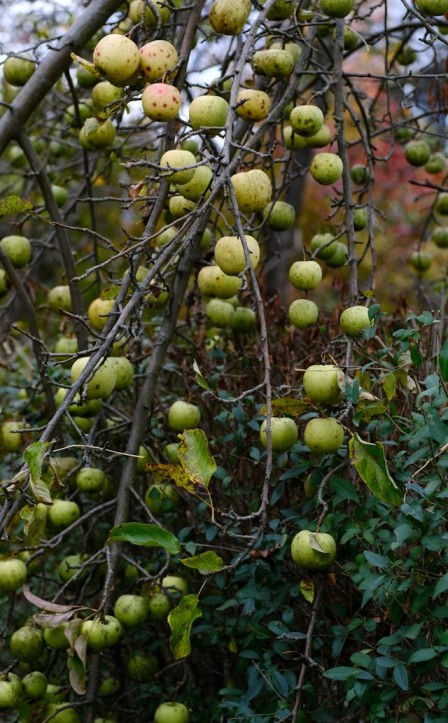
Most fruit tree diseases don’t appear suddenly—they build up slowly when conditions stay damp, crowded, or stressed. Organic disease prevention focuses on removing those conditions early, long before problems take hold. In healthy gardens, prevention always works better than cure.
🛡️ Everyday Habits That Keep Diseases Away
Good airflow is one of the simplest protections you can give a fruit tree. Thoughtful pruning opens up the canopy, allowing light and air to move freely—making it harder for fungal diseases to settle in.
Watering habits matter just as much. Wet leaves that stay damp invite trouble, so watering at the base of the tree rather than overhead keeps foliage dry. Cleaning up fallen, diseased leaves is another small habit with big impact, breaking disease cycles before they repeat.
🌱 Natural Support When Needed
When early signs of disease appear, gentle natural remedies can help without harming the soil or beneficial life. A mild baking soda spray can slow fungal spread, neem-based products offer broad protection, and traditional cow urine solutions—used in proper dilution—have long been valued in organic systems for their protective properties.
The strongest defense, however, is overall tree health. Well-fed, well-spaced fruit trees naturally resist most diseases on their own, requiring far less intervention.
Organic disease prevention isn’t about constant spraying—it’s about creating conditions where disease struggles to survive 🌳🍃.
🌼 Flowering, Pollination, and the Promise of Fruit
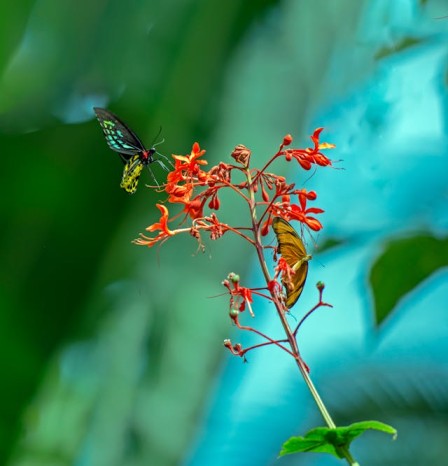
Every fruit begins as a quiet agreement between a flower and its environment. Strong flowering alone isn’t enough—successful fruit set depends on pollination, timing, and a tree that isn’t under stress. Organic care focuses on supporting all three.
🐝 Creating a Pollinator-Friendly Space
Pollinators are essential partners in fruit production. Bees, butterflies, and other helpful insects are drawn to gardens that feel safe and diverse. Growing native flowering plants nearby gives them a reliable food source, while avoiding chemical sprays ensures they can work without harm. Even something as simple as a shallow water dish can make your garden more inviting during dry periods.
When pollinators feel welcome, fruit trees rarely struggle to set fruit.
🌸 Supporting Fruit Set Naturally
Once flowering begins, consistency becomes key. Balanced nutrition helps flowers develop properly, while steady watering during this stage prevents stress-related flower drop. It’s also wise to avoid heavy pruning or disturbance during flowering—trees need stability, not shock, at this point.
A calm, well-supported tree focuses its energy where it matters most: turning blossoms into fruit.
In organic gardens, fruit set isn’t forced—it happens naturally when conditions feel right 🍎🌿.
🍎 Thinning Fruits—An Act of Care, Not Waste
Removing young fruits can feel counterintuitive, especially after watching flowers turn into tiny promises. But thinning is one of the most important gifts you can give a fruit tree. It’s not about taking away—it’s about allowing the tree to do its best work.
🍏 Why Thinning Makes a Difference
When too many fruits compete on a single branch, none of them reach their full potential. By gently removing some early on, the remaining fruits receive more nutrients, water, and sunlight. The result is larger, sweeter fruit with better texture and flavor.
Thinning also protects the tree itself. Heavy fruit loads can strain branches, causing breakage that affects not just the current harvest but future growth as well. A balanced crop keeps the tree strong and productive over time.
Organic fruit growing values intention over excess. Choosing quality over quantity ensures healthier trees today—and better harvests in seasons to come 🌳🍏.
🧺 Harvesting Fruit the Organic Way
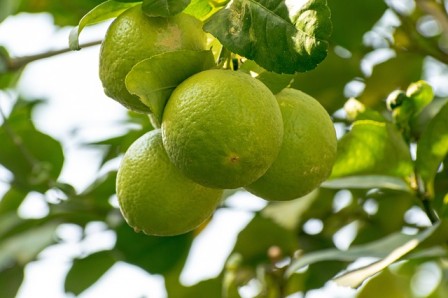
Harvest time is the quiet reward for months of patience. Picking fruit at the right moment doesn’t just improve taste—it preserves the nutrition, texture, and care invested throughout the season.
✋ Gentle Harvesting Makes All the Difference
Organic fruits are best picked by hand, using slow, careful movements that respect both the fruit and the branch supporting it. Harvesting during the cooler hours of morning keeps fruits firm and fresh, reducing stress and moisture loss.
Avoid pulling or twisting aggressively. A clean, gentle lift protects the branch and ensures the tree remains healthy for future growth and flowering.
Freshly harvested organic fruits carry a flavor that store-bought produce can’t replicate—full, honest, and alive. When fruit is allowed to ripen naturally on the tree, every bite reflects the balance and care that brought it there 🍎🌿.
🍃 A Seasonal Rhythm for Organic Fruit Tree Care
Organic fruit tree care works best when it follows the seasons rather than fighting them. Each phase of the year asks for something slightly different, and when you respond thoughtfully, trees stay healthier with far less effort.
🌸 Spring: Waking the Garden Gently
Spring is when fruit trees shift from rest to growth. This is the ideal time to refresh the soil with compost and renew mulch around the base to protect emerging roots. Light pruning helps shape the tree and improve airflow, while early pest monitoring prevents small issues from growing into bigger ones later.
Spring care sets the tone for the entire season ahead.
☀️ Summer: Support, Not Stress
As heat intensifies, water becomes the tree’s lifeline. Deep, occasional watering encourages strong roots that handle heat better. Young trees may need temporary shade during extreme temperatures, while natural pest control keeps stress low without harming beneficial insects.
In summer, the goal is stability—helping trees cope without forcing growth.
🍁 Monsoon / Autumn: Strengthening and Repairing
Moist weather can invite disease, so preventive care becomes important during this phase. Supporting heavy, fruit-laden branches prevents breakage, and post-harvest soil enrichment helps trees recover from the season’s effort.
This is a time of balance—protecting what’s grown while preparing for rest.
❄️ Winter: Rest and Reflection
Winter is the quietest but most important season. With minimal watering needs, trees slow down and conserve energy. Structural pruning during dormancy shapes the tree for the next year, while compost preparation ensures nutrients are ready when growth resumes.
Organic care isn’t about doing more—it’s about doing the right thing at the right time. When your care follows the seasons, fruit trees respond with resilience, balance, and generous harvests year after year 🌳🍎.
🌍 The Quiet, Lasting Rewards of Organic Fruit Tree Care
Organic fruit tree care doesn’t rush you—and that’s exactly its strength. While the results may take time to fully reveal themselves, they tend to stay. Trees grown organically often live longer, grow stronger with age, and settle into a natural rhythm that doesn’t depend on constant correction.
Over the years, fruit quality becomes more reliable—not because of quick inputs, but because the tree learns to balance itself. The soil beneath improves season after season, growing darker, looser, and more alive. Birds return. Pollinators linger. The garden begins to feel like a place where life cooperates rather than competes.
This approach isn’t about chasing perfection. It’s about consistency, awareness, and letting nature lead once you’ve set the foundation.
“Organic gardening is not about perfection—it’s about patience, balance, and respect for nature.” 🌿💚
🌟 A Closing Thought to Carry Forward
Caring for fruit trees organically is a long conversation, not a single action. Each season teaches you something new—when to step in, when to step back, and when to simply observe. By feeding the soil, honoring natural cycles, and paying attention to your trees, you create a system that quietly sustains itself.
The rewards show up slowly but honestly: healthier harvests, fruits that taste like they should, and the quiet satisfaction of knowing your garden works with nature, not against it 🍎🌳.
Start small. Stay patient. Trust the process.
Nature already knows what to do—your role is simply to support it 🌱✨

