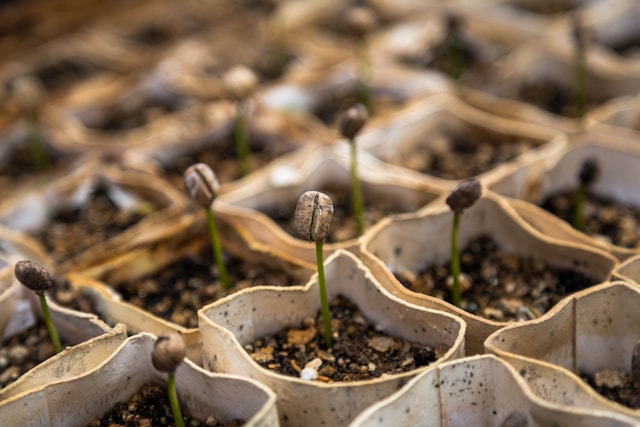
A flourishing garden never truly starts with blooms or harvest baskets—it starts much earlier, in the quiet hope tucked inside a seed. Every strong stem, every fragrant flower, every fruit-laden branch you admire once existed as a small, unassuming promise. Seeds carry more than future plants; they carry resilience, adaptability, and the potential to respond beautifully—or poorly—to the care they receive. That’s why seed selection isn’t a minor step in gardening; it’s the foundation that decides how confidently your garden will grow.
Whether your garden lives in a backyard patch, a few balcony pots, terrace containers, or a compact kitchen garden, the choice of seeds quietly shapes your success. Some seeds sprout eagerly, adapt quickly, and forgive small mistakes. Others demand precision and patience. This guide is designed to help you recognize which seeds consistently perform well, why certain varieties thrive better than others, and how thoughtful sowing leads to steady, rewarding growth throughout the year—especially in warm, tropical to subtropical conditions where timing and seed quality matter more than anything else.
🌱 Why Seed Selection Matters More Than You Think
When plants struggle or fail, it’s easy to point fingers at the soil, the weather, or an unexpected pest attack. But many times, the real problem was planted on day one. Seed quality quietly decides how a plant begins its life—and weak beginnings almost always show later, no matter how good the care is.
Good seeds don’t just sprout faster; they grow with intention. They push down strong roots that anchor the plant, send up healthy leaves that handle heat better, and show a natural resilience when conditions aren’t perfect. High-quality seeds tend to grow evenly, mature predictably, and respond well to routine watering and feeding—making gardening feel less like guesswork and more like partnership.
On the other hand, a weak or poorly stored seed might germinate and still disappoint. It may grow slowly, struggle during heat or rain, or remain vulnerable to disease. Strong seeds adapt. They forgive small mistakes, adjust to changing temperatures, and reward your effort with steady, confident growth. In gardening, success isn’t forced—it’s chosen early, and it starts with the seed.
🌼 The Best Seeds for a Thriving Home Garden
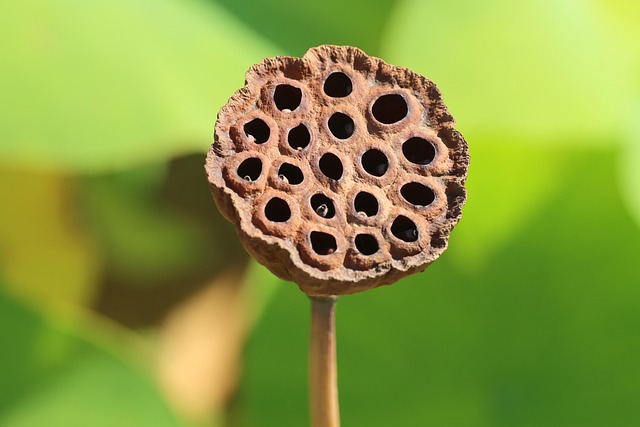
Some seeds naturally work with the gardener. They sprout on time, settle into the soil without resistance, and continue growing even when conditions aren’t perfect. These are the seeds that quietly build confidence—especially for beginners—because they respond kindly to care and recover well from small mistakes.
The following seed categories consistently perform well in home gardens, balcony pots, terrace containers, and compact kitchen spaces.
🥬 1. Leafy Vegetable Seeds
Fast, Forgiving, and Reliable
Leafy vegetables are often the quickest way to feel successful in gardening. They sprout fast, grow visibly within days, and don’t demand perfect conditions. Even when watering is slightly irregular or sunlight shifts during the day, most leafy greens continue growing without stress.
Why Leafy Greens Are Ideal for Beginners
Leafy vegetable seeds develop shallow but efficient root systems, making them suitable for containers, grow bags, balcony pots, and raised beds. Their short growth cycle gives fast feedback, helping gardeners understand plant signals early and improve with confidence.
Top Leafy Vegetable Seeds That Perform Consistently Well
- Spinach
- Fenugreek (Methi)
- Lettuce (Loose-leaf varieties)
- Amaranth (Red & Green)
- Mustard Greens
- Coriander (Dhaniya)
- Dill (Suva Bhaji)
- Swiss Chard
- Kale (Heat-tolerant varieties)
- Sorrel (Khatti Bhaji)
- Malabar Spinach (Basella)
What Makes These Seeds So Reliable
These leafy vegetables usually offer high germination rates and quick establishment. Many varieties handle warm weather well when watered regularly, making them dependable in tropical and subtropical regions. Since they allow repeated harvesting without uprooting the plant, they provide steady yields over weeks rather than a single harvest.
🍅 2. Fruiting Vegetable Seeds
High-Reward Plants That Test — and Build — Patience
Fruiting vegetables take time to settle, but the wait is always worth it. These plants invest heavily in roots and structure before flowering, which can feel slow at first. Once established, however, they reward gardeners with continuous harvests and visible progress.
Why Fruiting Vegetables Feel More Satisfying to Grow
Watching a flower transform into a vegetable builds a deeper connection with the garden. Fruiting plants respond strongly to consistent care, sunlight, and timely watering—making every harvest feel earned rather than automatic.
Best-Performing Fruiting Vegetable Seeds for Home Gardens
- Tomato
- Chilli
- Capsicum
- Brinjal (Eggplant)
- Okra (Bhindi)
- Cucumber
- Bottle Gourd (Lauki)
- Ridge Gourd
- Bitter Gourd (Karela)
- Pumpkin
- Zucchini
- Cowpea (Lobia)
- French Beans
- Cluster Beans (Gawar)
Why These Seeds Consistently Succeed
When grown from good-quality seeds, fruiting vegetables develop strong root systems and balanced top growth. This helps them tolerate heat, short dry spells, and seasonal stress better than weak plants. Quality seeds also support uniform flowering and better fruit formation, improving both yield and taste.
With adequate sunlight and simple feeding, these plants continue producing for weeks or even months—turning small gardens into dependable sources of fresh produce 🍅🌱.
🌸 3. Easy Flower Seeds
Beauty with Low Effort
Flowers grown from seed develop a natural toughness that nursery-grown plants often lack. From the moment they sprout, they learn to adjust to your soil, sunlight, watering habits, and local climate. This early adaptation is what gives them stronger stems, longer flowering periods, and better survival during heat or brief neglect.

For beginners, flower seeds are deeply rewarding. They grow visibly day by day, respond quickly to sunlight, and fill the garden with color without demanding constant care.
Beginner-Friendly Flower Seeds That Rarely Disappoint
- Zinnia
- Cosmos
- Sunflower
- Portulaca
- Balsam
- Marigold
- Gomphrena (Globe Amaranth)
- Tithonia (Mexican Sunflower)
- Gaillardia (Blanket Flower)
- Coreopsis
- Alyssum
- Phlox (Annual varieties)
- Cleome (Spider Flower)
Why These Flower Seeds Thrive So Easily
These flowers are naturally suited to warm, sunny conditions and handle heat without stress. Most of them germinate quickly, need minimal fertilization, and bloom generously even in average garden soil. Their resilience makes them ideal for pots, borders, terraces, and open beds where soil quality may not be perfect.
Easy flower seeds prove that beauty doesn’t require effort-heavy gardening. With sunlight, occasional watering, and a little patience, these plants turn empty spaces into colorful, living corners that keep blooming with confidence 🌼
🌿 4. Herb Seeds
Fragrance, Flavor, and Everyday Use
Herbs bring a garden closer to daily life. They don’t just grow to be admired—they’re picked, pinched, and used often, which actually helps them grow better. This makes herbs perfect for pots, windowsills, balcony corners, and compact kitchen gardens where space is limited but usage is frequent.
Because herbs are harvested in small amounts, they fit naturally into routine care. A little sunlight, regular trimming, and light watering are usually enough to keep them productive.
Reliable Herb Seeds for Home Gardeners
- Coriander (Dhaniya)
- Basil (Sweet & Thai varieties)
- Dill
- Parsley
- Chives
- Mint (from seed varieties suited to warm climates)
- Fennel (Saunf)
- Oregano
- Thyme
- Lemongrass (seed-grown varieties)
Why Herb Seeds Perform So Well
Herbs grow quickly and respond positively to regular pruning. Each cut encourages fresh shoots, denser growth, and stronger aroma. Most herbs prefer moderate feeding and well-drained soil, making them easy to manage even for beginners.
Many herb plants are also naturally pest-resistant due to their strong scent, which reduces the need for intervention. When grown from quality seeds, herbs adapt early to local conditions, resulting in healthier plants with more intense flavor and fragrance—right where you need them 🌿.
🌱 5. Climbers & Creeper Seeds
Maximum Use of Space, Maximum Reward
When garden space is limited, climbers and creepers become invaluable. Instead of spreading across the ground, these plants grow upward or trail gracefully, turning walls, railings, and trellises into productive green spaces. A single pot or soil patch can support a surprising amount of growth when guided vertically.
Climbers are especially useful for balconies, terraces, and small backyards where horizontal space is scarce but sunlight is generous.
Best Climbers and Creepers to Grow from Seed
- Bottle Gourd (Lauki)
- Ridge Gourd
- Pumpkin
- Cucumber
- Pole Beans
- Cowpea (Climbing varieties)
- Snake Gourd
- Sponge Gourd
- Ivy Gourd (from seed-grown hybrids)
- Malabar Spinach (Basella)
Why Climber Seeds Perform So Well
These plants naturally grow fast and vigorously, making them well-suited for seed sowing. Vertical growth improves air circulation around leaves, reducing the risk of fungal diseases and pest buildup. Better airflow also helps flowers set fruit more reliably, especially in warm climates.
Because climbers receive more sunlight exposure when trained upward, they often produce higher yields than plants grown flat on the ground. With simple support and regular watering, climber seeds turn limited spaces into lush, productive green walls 🌿.
📊 Best Time & Conditions to Sow Seeds
Healthy seeds perform best when their basic needs are met from the very beginning. Sowing at the right time and under suitable conditions reduces stress on young seedlings and allows them to establish quickly, which directly affects long-term growth and yield.
🌱 Ideal Growing Conditions for Seed Sowing
| Factor | Ideal Conditions |
|---|---|
| Temperature | 20–35°C — supports fast germination and steady early growth |
| Sunlight | 4–6 hours daily — gentle morning sun is especially beneficial |
| Soil | Loose, well-draining, organic-rich soil for easy root expansion |
| Water | Light but consistent moisture — damp, never soggy |
| Space | Adequate airflow between plants to prevent disease |
🌞 Why These Conditions Matter
Seeds are most vulnerable during their first few days. Warm temperatures activate germination enzymes, while loose soil allows young roots to spread without resistance. Consistent moisture keeps the seed coat soft, helping sprouts emerge smoothly without rotting.
Proper spacing and airflow reduce fungal issues and encourage stronger stems. When seeds begin life under balanced conditions, they don’t just sprout—they grow with confidence, resilience, and rhythm, setting the tone for the entire gardening season 🌱
🌱 Seed Sowing Tips for Better Germination
Successful germination isn’t about doing more—it’s about doing a few small things correctly at the right time. Seeds are sensitive in their earliest stage, and gentle handling often makes the difference between slow, uneven sprouting and strong, uniform growth.
🌰 Prepare Seeds Before Sowing
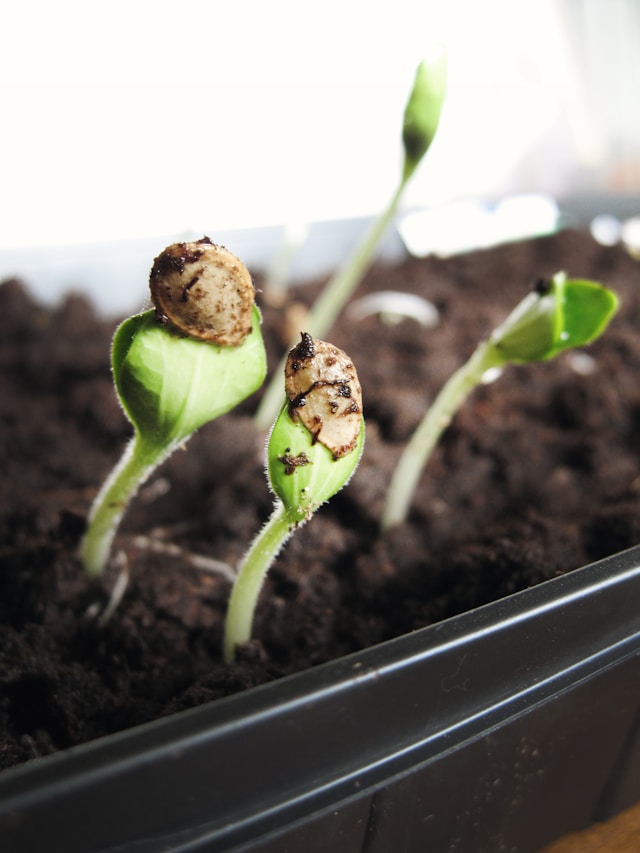
Hard-coated seeds benefit greatly from overnight soaking. This softens the outer shell, allows moisture to reach the embryo faster, and speeds up germination. Even a few hours of soaking can noticeably improve sprouting rates for tougher seeds.
🌱 Choose the Right Containers
Shallow containers are ideal for initial sowing because they warm up quickly and drain excess water efficiently. They also make it easier for young roots to spread without stress before transplanting.
🌾 Handle Soil with Care
Avoid pressing or compacting the soil after planting. Loose soil allows air pockets to remain, which young roots need to breathe and grow. Gently covering seeds is far better than firming them down.
💧 Water Gently and Consistently
Misting water keeps the soil evenly moist without disturbing seeds or washing them deeper into the soil. Heavy pouring can displace seeds, cause waterlogging, or create a hard surface crust that blocks emerging sprouts.
🏷️ Label and Observe
Labeling seeds helps track what germinates quickly, what struggles, and which varieties perform best in your conditions. These small observations quietly improve your future planting decisions.
Simple steps like these may seem minor, but together they dramatically improve germination rates. In gardening, patience paired with gentle care often doubles success before the first leaf even appears 🌱
⚠️ Common Seed Problems & Smart Solutions
Even the best gardeners face setbacks at the seed stage. When seeds fail, it’s rarely random—there’s usually a clear reason hiding beneath the surface. Understanding these early problems helps you correct them quickly, before they affect the rest of the growing season.
🌱 Seed Problems and Practical Fixes
| Problem | Likely Cause | Smart Solution |
|---|---|---|
| Seeds not sprouting | Old or low-quality seeds | Use fresh, tested seeds and store them in a cool, dry place |
| Seedlings dying early | Overwatering | Improve drainage and allow soil to dry slightly between watering |
| Weak or slow growth | Poor soil nutrition | Mix in compost or vermicompost before sowing |
| Fungal rot (damping-off) | Excess moisture and poor airflow | Reduce watering and increase air circulation |
| Uneven germination | Unequal sowing depth | Sow seeds at uniform depth and spacing |
🌿 Why Early Correction Matters
Seedlings are at their most vulnerable during the first two weeks. Small issues—like excess moisture or compacted soil—can quickly weaken young plants beyond recovery. Targeted care at this stage ensures that seeds grow into resilient plants with strong roots, balanced growth, and better resistance to stress later on.
When problems are understood early, gardening becomes less about fixing failures and more about guiding growth in the right direction 🌱.
🌼 Seasonal Seed Planning for Year-Round Success
A garden that stays productive all year is not built by planting everything together—it’s shaped by timing. When seeds are sown in harmony with the seasons, plants grow with less resistance, face fewer pests, and mature more naturally. Seasonal planning allows each plant to grow during its comfort period, resulting in healthier roots, better flavor, and more reliable harvests.
In warm tropical and subtropical regions, following seasonal rhythms is especially important. Heat, humidity, and daylight directly influence germination and flowering, making correct timing the quiet backbone of gardening success.
☀️ Summer Seed Planning (Heat-Loving & Fast Growers)
Summer supports plants that enjoy warmth, strong sunlight, and quick growth. These crops tolerate high temperatures and recover well from occasional stress when watered consistently.
Best seeds to sow in summer:
- Okra (Bhindi)
- Amaranth (Red & Green)
- Malabar Spinach (Basella)
- Cowpea (Lobia)
- Cluster Beans (Gawar)
- Bottle Gourd (Lauki)
- Ridge Gourd
- Cucumber
- Pumpkin
- Sunflower
- Portulaca
These plants develop strong stems and flexible growth habits that help them thrive during long, hot days.
🌧️ Monsoon Seed Planning (Climbers, Creepers & Lush Greens)
Monsoon brings natural moisture and moderate temperatures, making it ideal for climbers and fast-spreading vegetables. Good drainage and airflow are essential to prevent fungal issues.
Best seeds to sow in monsoon:
- Bottle Gourd (Lauki)
- Ridge Gourd
- Sponge Gourd
- Snake Gourd
- Bitter Gourd (Karela)
- Pumpkin
- Pole Beans
- French Beans
- Cowpea (Climbing varieties)
- Coriander (Dhaniya)
- Basil
- Dill (Suva Bhaji)
- Malabar Spinach (Basella)
These crops take advantage of humidity and rainfall, producing rapid vine growth and steady harvests when spaced well.
❄️ Winter Seed Planning (Cool-Season & Leafy Crops)
Winter favors leafy vegetables and root crops that prefer cooler air and gentle sunlight. Growth may be slower, but leaf quality, texture, and flavor are at their best.
Best seeds to sow in winter:
- Spinach
- Fenugreek (Methi)
- Lettuce (Loose-leaf varieties)
- Mustard Greens
- Swiss Chard
- Kale (Heat-tolerant varieties)
- Sorrel (Khatti Bhaji)
- Carrot
- Peas
- Radish
- Beetroot
These crops focus on leaf and root development rather than rapid flowering, resulting in tender greens and nutrient-rich harvests.
🔄 Why Seasonal Rotation Keeps the Garden Healthy
Rotating crops with the seasons prevents soil fatigue, balances nutrient use, and reduces pest cycles. Each season plays a role—summer builds resilience, monsoon expands growth, and winter improves quality.
When planting follows seasonal signals, the garden remains productive without exhaustion. Seasonal planning turns gardening into a natural rhythm—where every seed finds the right time, and every season has a purpose 🌱
🌿 Why Growing from Seeds Is Always Worth It
Growing plants from seed is a slower beginning—but it’s also the most honest one. Seeds don’t arrive with hidden stress or transplant shock. They adapt from their very first moment to your soil, your climate, and your care style, which gives them a natural strength that’s hard to replicate with ready-made plants.
🌱 Natural Adaptation from Day One
Seed-grown plants learn early. They adjust to local temperatures, rainfall patterns, and sunlight without resistance. This early adaptation often results in stronger roots, better heat tolerance, and fewer long-term health issues.
🌾 Complete Control Over Plant Care
When you grow from seed, you control everything—from soil quality and organic nutrition to watering habits and pest prevention. There’s no guesswork about what the plant experienced before reaching your garden, which creates healthier, more predictable growth.
🌿 Stronger Plants, Deeper Roots
Plants raised from seed often develop deeper, more balanced root systems compared to nursery transplants. This makes them sturdier, more resilient to stress, and better able to support consistent growth and flowering.
💚 Economical and Emotionally Rewarding
Seeds are cost-effective, but their true value goes beyond savings. Watching a plant grow from a tiny seed to a thriving presence builds patience, awareness, and connection with nature—something no shortcut can replace.
Most importantly, seed-grown plants carry a quiet lesson worth remembering: meaningful growth is never rushed. It begins small, grows steadily, and rewards those who allow time to do its work 🌱
💬 A Message Rooted in Hope
A seed never measures the size of the garden it’s placed in. It doesn’t question the space, the pot, or the past failures of the soil. It simply waits—for warmth, for moisture, for a gentle hand willing to believe in its potential.
When you give a seed patience instead of pressure, and care instead of urgency, it responds in its own quiet way. First with roots you can’t see, then with leaves you didn’t expect, and finally with life that feels bigger than the effort you gave.
Every seed carries the same reminder: growth doesn’t need perfection, only consistency and faith. Offer those, and even the smallest beginning can unfold into something deeply alive 🌱✨

