In a world where food is rushed from seed to shelf, taste is often the first thing sacrificed. Crops are pushed to grow faster, travel farther, and look flawless—yet somewhere along that journey, flavor quietly fades. What reaches our plates may look appealing, but it rarely tastes alive.
Organic food tells a different story. It grows at nature’s pace, shaped by real soil, sunlight, and seasons. That slower rhythm allows flavors to develop fully—layer by layer—until each bite feels honest, grounded, and deeply satisfying. It doesn’t just feed the body; it reconnects you with what food is supposed to feel like.
“The first bite of organic food doesn’t shout—it reminds.” 🍃
Choosing organic isn’t about following a trend. It’s about returning to food that carries patience, care, and real taste—just as nature intended.
🌿 What Does Organic Growing Really Mean?
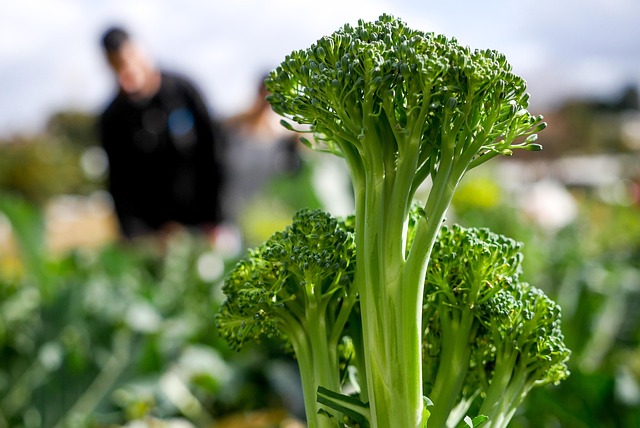
Organic growing isn’t just about removing chemicals—it’s about restoring balance. It means allowing plants to grow the way they were designed to grow, without being forced, rushed, or artificially boosted. No synthetic fertilizers. No chemical sprays. No shortcuts that trade flavor for speed.
Instead, organic plants rely on the quiet teamwork of nature itself. Living soil rich with microbes feeds the roots. Compost and well-rotted manure nourish plants slowly, not suddenly. Sunlight does the real work, fresh air keeps plants resilient, and clean water supports steady, stress-free growth. Most importantly, organic farming respects time—something modern food production often ignores.
When plants aren’t pushed beyond their limits, they focus their energy on building flavor, aroma, and texture. Leaves taste fuller, fruits become naturally sweeter, and vegetables develop a depth that fast-grown crops simply can’t replicate. The difference isn’t subtle—it’s something you notice from the very first bite.
“Organic food grows slowly, but its taste stays longer.” 🌱
🍅 Why Organic Food Tastes Better
Real flavor doesn’t come from the surface—it begins underground. In organic growing, soil isn’t just dirt; it’s a living ecosystem. Beneficial microorganisms work quietly around plant roots, helping them absorb nutrients in their most natural form. Those nutrients later become the sugars, acids, and natural oils that give food its true taste.
Chemical farming often pushes plants to grow faster than they should. Crops become bigger, heavier, and visually impressive—but speed comes at a cost. When growth is rushed, plants focus on size, not flavor. The result is food that looks good on the plate but feels flat on the tongue.
Organic plants grow differently. Their slower, steady development allows flavors to build gradually. Instead of being diluted by excess water or artificial boosters, taste becomes more concentrated. Every bite feels fuller, more balanced, and more satisfying—not because anything was added, but because nothing was forced.
🌱 Flavor Needs Time to Develop
Flavor is not created overnight. When plants grow slowly, they have time to convert nutrients into complex sugars, natural acids, and aromatic compounds. These elements work together to build depth—sweetness that doesn’t feel sharp, bitterness that feels balanced, and aromas that linger naturally.
Fast-growing crops absorb water quickly and stretch in size, which dilutes these compounds. Organic plants, growing at a steady pace, concentrate flavor instead of thinning it out. That’s why organic food doesn’t need seasoning to taste good—it already carries its own character.
🌿 Real Taste Differences You Can Actually Notice
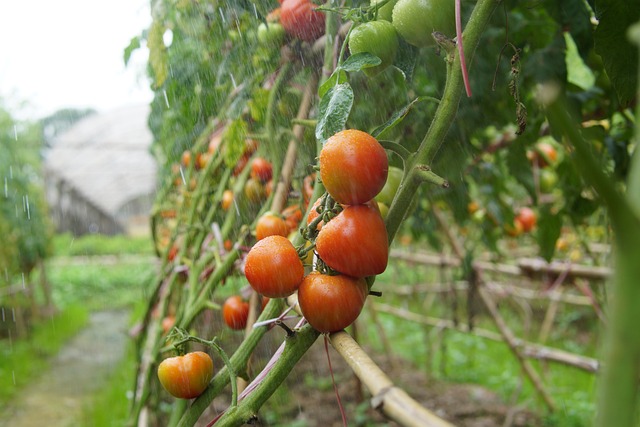
🍅 Tomatoes develop a natural sweetness with a richer aroma
🌿 Herbs release stronger fragrance the moment you touch them
🍓 Fruits feel juicier, fresher, and more vibrant with every bite
Organic food doesn’t overwhelm—it feels complete. The kind of taste that lingers, not loudly, but honestly.
🌾 Soil Health Directly Shapes Taste
Healthy soil is the hidden ingredient behind great-tasting food. In organic growing, soil is cared for year after year, not exploited for short-term yield. Rich organic matter, earthworms, fungi, and microbes work together to feed plants in small, consistent amounts.
This balanced nutrition helps plants develop stronger cell structure, which improves texture and mouthfeel. Vegetables feel firmer, fruits hold their juice better, and herbs release aroma more easily. Taste improves because the plant is truly nourished—not artificially boosted.
🏡 Homegrown Organic: Taste You Can Feel
If you’ve ever grown organic vegetables at home, the difference doesn’t need explaining—you feel it immediately. A leaf picked straight from the plant tastes fresher, fuller, and unmistakably alive. There’s a richness that store-bought produce rarely delivers, even on its best day.
Homegrown organic food carries character. It reflects the soil it grew in, the sunlight it received, and the care you gave it along the way. Nothing is rushed, nothing is overtreated. That patience shows up in the taste—clean, balanced, and deeply satisfying.
Beyond flavor, growing your own organic food changes your relationship with what you eat. You become more aware of seasons, more respectful of effort, and more connected to nature’s rhythm. Even a small balcony pot or terrace container can transform food from something you consume into something you genuinely value.
Homegrown organic isn’t about quantity or perfection—it’s about presence. When food is grown with your own hands, every bite feels more meaningful, more real, and far more rewarding.
🥗 Why Organic Food Feels More Satisfying
Many people notice they feel more satisfied after eating organic food, even in smaller portions. That’s because food grown naturally tends to be denser in flavor and structure. Your body registers fullness not just from quantity, but from quality.
When taste is complete, the mind stops craving more. Meals feel grounding instead of heavy. This quiet satisfaction is one of the reasons people slowly shift their eating habits without forcing discipline—it happens naturally.
🌼 Organic Taste Brings Back Memories
For many people, the taste of organic food feels strangely familiar. One bite can bring back memories of childhood—meals cooked slowly at home, vegetables picked fresh from a garden, and flavors that felt simple yet complete. It’s not nostalgia without reason; food really did taste different then.
In earlier times, crops were grown naturally, without artificial boosters or chemical shortcuts. Flavors had time to develop, and meals carried a sense of warmth that went beyond hunger. When people taste organic food today, that memory returns—not because it’s old-fashioned, but because it’s honest.
Organic food doesn’t try to impress with intensity or size. Instead, it offers comfort, balance, and depth—the kind of taste that stays with you long after the meal is over. It reconnects us with flavors we didn’t realize we had lost, quietly reminding us how food once felt—and still can feel.
🌿 Organic Taste Is Consistent, Not Artificial
Chemical farming often produces uneven results—sometimes bland, sometimes sharp, sometimes watery. Organic food, on the other hand, offers consistency. The taste reflects the season, the soil, and the environment, not a chemical formula.
That consistency builds trust. When people know what real food tastes like, they begin to recognize when something feels off. Organic taste becomes a reference point—a reminder of what food should feel like when nothing interferes with it.
🌍 More Than Taste: A Lifestyle Choice
Organic food may catch your attention because of its flavor, but its impact goes far beyond what you taste. Choosing organic means eating food with fewer chemical residues, giving your body something cleaner and more trustworthy. It also supports healthier soil, cleaner water, and growing spaces where birds, bees, and beneficial insects can thrive without harm.
Over time, organic growing brings a quiet sense of reassurance. You know where your food comes from. You understand how it was grown. That awareness creates peace of mind—something modern food systems rarely offer.
Yet, despite all these benefits, taste is what truly seals the decision. Flavor is personal. It’s immediate. Once someone experiences food that feels natural, balanced, and satisfying, it becomes difficult to return to bland, chemically forced alternatives. Organic living stops feeling like a choice and starts feeling like a preference—one that simply makes sense.
Taste opens the door. Experience makes people stay.
🌍 Taste as a Quiet Form of Awareness
Choosing organic for taste is not about trends or labels. It’s about awareness. When people start noticing flavor, they also start noticing where food comes from, how it’s grown, and what it costs the land to produce it.
Taste becomes the doorway to better choices—without pressure, guilt, or rules. Just preference shaped by experience.
🌿 Conclusion: Taste the Organic Difference
Growing organic is an act of patience. It asks us to slow down, trust natural processes, and respect the rhythm of the soil, the seasons, and the plant itself. When we stop forcing growth and allow nature to lead, food responds in the most rewarding way—with real flavor, rich aroma, and a sense of completeness that goes beyond the plate.
Organic taste isn’t loud or artificial. It’s steady, honest, and deeply satisfying. It fills the mouth without overwhelming it and leaves behind a feeling of nourishment rather than excess. That kind of taste can’t be manufactured—it can only be grown.
Once you experience food that develops naturally, the difference becomes clear. Organic food isn’t just something you eat. It’s something you notice, appreciate, and slowly come to prefer—because real taste, once rediscovered, is hard to forget. 🌱

